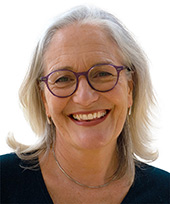
Ryan Heuser is an Assistant Professor in Digital Humanities at the University of Cambridge, specializing in computational approaches to literary and intellectual history, prosody, and artificial intelligence's impact on language. His work bridges data science, machine learning, and literary studies through digital methodologies. Doctoral training in Eighteenth-Century British Literature, Stanford University (2019) Founding member & Associate Research Director, Stanford Literary Lab Junior Research Fellow, King’s College Cambridge (2019-2022) Research interests span computational modeling of semantic revolutions, large-scale literary field analysis, and the intersection of digital methods with historical and intellectual studies. His book Explorations in the Digital History of Ideas (2023) co-edited with Peter de Bolla exemplifies this approach. Recent publications focus on historical semantics, metrical analysis, and digital mapping of emotions in literature, reflecting his interdisciplinary expertise in natural language processing, network theory, and literary data visualization. Currently leads teaching initiatives at Cambridge Digital Humanities and contributes to computational projects exploring textual rhythms and large language models.
John Redmond is Professor of English Literature at the University of Liverpool's School of the Arts, specializing in contemporary poetry and creative writing. He holds a D.Phil and is an established poet with three collections published by Carcanet Press. His critical work examines privacy in poetic interpretation and Irish literary traditions. Research intersects creative practice with critical analysis, exploring poetry's relationship with folk drama, online culture, and food (gastro-criticism). Authored the textbook 'How to Write a Poem' and edited James Liddy's Selected Poems. Current projects include a novel and new poetry collection. Regularly participates in literary events including readings at the Anthony Burgess Foundation and Christ Church, Oxford. Chairs the School Extenuating Circumstances Committee and contributes to the Centre for New and International Writing.
Rachel Morley is an Associate Professor at the School of Slavonic and East European Studies (SSEES), University College London. She holds a BA in French Language and Literature from the University of Oxford (1992), followed by BA, MA, and PhD degrees from UCL (1999, 2001, 2011). Her roles include Academic Director of Education and Student Experience at SSEES (2022–2027) and Co-Convenor of the UCL SSEES Cinema Research Group. Dr. Morley's research focuses on Cinema studies Cultural studies Feminist and queer theory Literary studies with emphasis on Soviet/Russian cinema, gender representation, and film historiography. She held a Leverhulme Trust Research Fellowship (2020–2022) for her project on female subjectivity in contemporary Russian cinema. Her teaching spans Russian cinema, poetry, language, and translation. Past roles include Postgraduate Teaching Assistant at SSEES (1999–2009) and lecturer at the University of Cambridge (2006, 2008). She has also supported international students as SSEES International and Affiliate Tutor (2014–2018). Key Achievements: Leverhulme Trust Research Fellowship Fellow of the Higher Education Academy (2016) Her work bridges film, literature, and cultural history, emphasizing underrepresented narratives and feminist perspectives in Russian and Soviet cinema.
Dr. Heather Inwood serves as University Associate Professor in Modern Chinese Literature and Culture within the Faculty of Asian and Middle Eastern Studies at the University of Cambridge. She is also a Fellow and Director of Studies at Trinity Hall, maintaining dual institutional affiliations that support her teaching and research activities across undergraduate and postgraduate programs. Her educational background includes a BA in Chinese Studies from the University of Cambridge (Trinity Hall), followed by advanced studies at Tsinghua University and Peking University, culminating in a PhD in modern Chinese literature from SOAS, University of London in 2008. Prior academic appointments include Assistant Professor at The Ohio State University (2008-2013) and Lecturer in Chinese Cultural Studies at the University of Manchester before returning to Cambridge in 2016. Professor Inwood's research program investigates the dynamic interactions between digital media and literary production in contemporary China, with particular focus on poetry communities, genre fiction, and transmedia storytelling. Her work bridges traditional literary analysis with digital humanities approaches, examining how online platforms transform authorship, reception, and cultural value. She has pioneered scholarship on internet poetry scenes, demonstrating their vitality despite public perceptions of poetry's decline in modern China. Her publication trajectory reveals a clear evolution from early work on poetry communities ( Verse Going Viral: China's New Media Scenes , 2014) toward broader investigations of digital narrative forms, game studies, and Sinophone cyberspace. Recent publications increasingly engage with science fiction, transmedia storytelling, and the algorithmic structures shaping literary production, reflecting both the changing digital landscape and her expanding methodological toolkit. Professor Inwood actively supervises five PhD students working on diverse projects spanning Misty poetry, queer narratives, gender studies, and poetic animality, demonstrating her commitment to nurturing next-generation scholarship in Chinese literary studies. Her research has been supported by British Academy Small Grants and similar funding mechanisms that enable sustained fieldwork and publication. Her teaching responsibilities include undergraduate courses on East Asian media and popular culture, Modern Chinese texts, and Modern Chinese literature, connecting classroom instruction directly to her research expertise. She also maintains public engagement through Chinese-language columns for BBC China and other media outlets, bridging academic and public discourse on contemporary Chinese culture.
Professor Matthew Treherne is a leading scholar in Italian literature at the University of Leeds, where he holds the position of Professor of Italian Literature in the School of Languages, Cultures and Societies within the Faculty of Arts, Humanities and Cultures. He currently serves as Pro-Dean for Research and Innovation, and co-directs the Leeds Centre for Dante Studies. His research bridges medieval and Renaissance literature with contemporary issues such as finance, ecology, and technology. PhD in Italian Literature, University of Cambridge (2007) Diploma in Management Studies, Judge Business School, University of Cambridge (2000) M.Phil in European Literature (Distinction), University of Cambridge (1999) BA in Modern and Medieval Languages (First-class), University of Cambridge (1997) Matthew Treherne's research focuses on Dante and late-medieval religious culture, with a strong emphasis on the liturgical imagination and theological discourse in poetry. He explores how Dante’s work can inform modern debates on the ecological crisis, financialisation, and time. His interdisciplinary approach integrates theology, philosophy, and cultural studies. He leads the project The Cultural Life of Money and Finance , which investigates how the humanities can shape financial futures. His recent publications include Dante’s ‘Commedia’ and the Liturgical Imagination and co-edited volumes on Dante’s theology. His recent scholarly articles and chapters show a consistent engagement with Dante’s theological and poetic structures, Tasso’s religious poetry, and the role of art and liturgy in early modern culture. Themes such as sacramentality, time, vision, and interdisciplinarity recur across his work, reflecting a deep commitment to understanding literature as a living, ethically engaged practice. University Teaching Fellowship Developmental University Teaching Fellowship Faculty of Arts Development Teaching Prize Treherne has supervised numerous PhD students and fosters research-led teaching, notably through projects like Discover Dante and the Leeds Dante Podcast . He has led major research initiatives, including the AHRC-funded Dante and Late Medieval Florence , and collaborates widely across disciplines and institutions. He is also active in public engagement, contributing to BBC Radio 4’s In Our Time and curating podcast series such as Conversations on Dante and Arts and Humanities Futures . He co-leads the Cultural Life of Money and Finance project with Invisible Flock, blending humanities research with creative practice.
Dr. Doyle D. Calhoun serves as University Assistant Professor of Francophone Postcolonial Studies within the Department of French at the Faculty of Modern and Medieval Languages and Linguistics, University of Cambridge, where he is also a Fellow of Peterhouse College. His scholarly profile spans African and Caribbean literary studies, cinema analysis, and historical sociolinguistics with a focus on resistance narratives. His educational trajectory includes a Ph.D. in French from Yale University (2022), an M.A. in Linguistics from KU Leuven, and undergraduate studies in Linguistics and French Literature at Boston College. Additional academic development occurred through residencies at Fondation Camargo (Cassis) and Bibliothèque Marmottan (Paris). Calhoun’s research centers on Francophone postcolonial resistance, particularly suicidal acts against French colonialism as documented in The Suicide Archive (2024). His work excavates silenced histories of Atlantic slavery, abolition movements, and Négritude philosophy through literary and cinematic archives, emphasizing Senegalese and Caribbean contexts. He explores how contemporary writers reconstruct erased narratives of enslaved resistance through transmedia practices. His recent publications reveal a methodological convergence between literary analysis, historical recovery, and decolonial theory. Articles frequently address archival silences in colonial documentation while examining how contemporary artists reimagine resistance through linguistic innovation, cinematic storytelling, and embodied protest. Key thematic clusters include the weaponization of silence, subversive uses of missionary linguistics, and the politics of memory in postcolonial contexts. 2024 Malcolm Bowie Prize (Society for French Studies) 2024 William R. Parker Prize (Modern Language Association) 2021 Ralph Cohen Prize (New Literary History) 2016 Vivien Law Prize (Henry Sweet Society) Calhoun actively mentors graduate students in African/Caribbean literatures and cinema studies, with current projects including Africa after 1848 and Florence . His grant history features academic residencies at Fondation Camargo and Bibliothèque Marmottan, alongside a 2021 scholarship from the latter institution. Public engagement includes the 2025 La Noire de... film symposium and contributions to Los Angeles Review of Books and Salon . He contributes to the Cambridge Language Collective and Polyglossia Magazine while organizing events through Peterhouse. His 2025 podcast appearances on Stegi Radio and New Books Network demonstrate active knowledge dissemination beyond traditional academic channels.
Rosa Andujar is a Senior Lecturer in Liberal Arts at King's College London, where she is affiliated with both the Department of Liberal Arts and the Department of Classics within the Faculty of Arts & Humanities. She serves as Editor of the American Journal of Philology and holds positions on the editorial boards of Brazilian journals Nuntius Antiquus and PhaoS - Revista de Estudos Clássicos. Dr. Andujar was elected to the Program Committee of the Society for Classical Studies for a three-year term (2022-2025), serving as Vice President for Program and Chair from 2023-2025. Her research focuses on two complementary areas: Ancient Greek tragedy, particularly the tragic chorus and its performance capabilities Global receptions of Greek drama, with special emphasis on Latin America and the Caribbean Dr. Andujar's work examines how engagements with Graeco-Roman antiquity intersect with questions of gender, race, class, and national identity. She has particular expertise in Cuban adaptations of Greek tragedy and Latinx receptions of classical drama, exploring how these cultural encounters create new narratives that challenge traditional understandings of classical reception. Her research has been recognized with prestigious awards including the 2020 London Hellenic Prize for 'The Greek Trilogy of Luis Alfaro' and the 2022 AJP Best Article Prize. She has secured significant research funding from the Loeb Classical Library Foundation, British Academy, A. G. Leventis Foundation, Harvard Center for Hellenic Studies, Andrew W. Mellon Foundation, and Fundación BBVA. Dr. Andujar's current research projects include 'The Cambridge Companion to Classics and Race' (edited volume), 'La Puerta Electra/The Electra Door' (critical bilingual anthology of Cuban rewritings), and 'Tragedy and Revolución' (monograph on Greek drama in Caribbean cultural history), supported by recent fellowships from the Loeb Classical Library Foundation and British Academy. She is actively involved in academic service as Editor of the American Journal of Philology, co-editor of the 'Classics and the Postcolonial' book series for Routledge, and Advisory Board member of 'Hesperides: Classics in the Luso-Hispanic World.' Her external examining work for the University of Birmingham (2018-2023) demonstrates her commitment to academic standards across institutions.
Emily Butterworth is a Professor in the Department of Languages, Literatures and Cultures at King’s College London, within the Faculty of Arts & Humanities. She holds a prestigious position in Early Modern French literature studies, focusing on speech practices, women’s writing, and cultural analysis. Her career includes roles at the University of Sheffield (2002–2006) before joining King’s, where she has been a core faculty member since 2006. Education: Emily studied French at University College London (UCL) and the University of Cambridge, establishing her foundation in French literary and cultural studies. Research Interests : Her work centers on early modern literature and thought, particularly deviant speech, gossip, and the role of scandal in French Renaissance texts. Key focuses include: Analysis of Marguerite de Navarre’s Heptameron and its cultural context Montaigne’s exploration of ethics and skepticism Gendered discourse in early modern women’s writing The intersection of print culture, censorship, and obscenity Projects & Engagement : Co-Investigator on the AHRC-funded Gossip and Nonsense in the French Renaissance (2012–2015), she collaborated on artistic projects such as Spinning Stories and Chinese Whispers . She has contributed to BBC programs like Radio 4’s Something Understood and Radio 3’s Free Thinking , discussing gossip’s cultural significance and early modern news. Publications : Her scholarship includes monographs like The Unbridled Tongue (2016) and Marguerite de Navarre: A Critical Companion (2022). Her articles span topics from Renaissance book history to the ethics of speech in Montaigne’s essays. Affiliations : She is part of King’s Centre for Early Modern Studies and contributes to research groups on textual representation and visual culture.
Professor Ben Bollig holds the position of Professor of Latin American Literature and Film at the University of Oxford's Faculty of Medieval and Modern Languages. He is also a Fellow and Tutor in Spanish at St Catherine's College, and an Associate Lecturer at St John's College. His research focuses on contemporary Latin American literature and film, with a specialization in Argentine poetry and its cinematic adaptations. He has authored or edited numerous books, including Moving Verses and The Poetry-Film Nexus in Latin America , and serves as editor of the Journal of Latin American Cultural Studies . Teaching responsibilities include the entire Spanish course for first-year students and Latin American literature and film options for upper years. He supervises MPhil/DPhil students in Latin American cultural studies, particularly Southern Cone literature and film. His work explores intersections of poetry, film, translation, and postcolonial theory, with a focus on Argentina's cultural production. He has published widely on topics such as poetic adaptation, political literature, and cultural activism. Key contributions include co-editing Latin American Cultural Studies: A Reader and producing translated volumes of Cristian Aliaga's work. His research themes span comparative literature, postcolonial studies, environmental humanities, and global cultural dynamics. He is actively engaged in academic leadership roles within his field, maintaining a strong international profile in cultural studies and literary criticism.
Stephen M. Hart is a Professor of Latin American Film, Literature and Culture at University College London (UCL), affiliated with the School of European Languages, Culture and Society (SELCS) and the Department of Spanish, Portuguese and Latin American Studies. He is a General Editor at Tamesis Publishers and founder-director of the Centre of César Vallejo Studies at UCL. Education: BA (1980), MA (1984), PhD (1985) from University of Cambridge Academic Career: Lecturer at Westfield College (1984-1990), Associate/Full Professor at University of Kentucky (1991-1998), Senior Lecturer/Reader at UCL (1998-present) Specializing in Latin American literature, film, and culture, Hart has published extensively on César Vallejo and Santa Rosa de Lima, including critical editions of their works. His research spans literary theory, art history, and East-West relations, with a focus on documentary film-making and magical realism as a framework for understanding post-truth narratives. Recent publications address colonial sainthood processes, poetic modernism, and China-Latin America connections. He has directed documentary projects in Cuba since 2006 and received honors including the Order of Merit from the Peruvian Government and Honorary Doctorates from Peruvian institutions. Key Awards: Order of Merit for Distinguished Services (Peruvian Government, 2004), Honorary Doctorate (San Marcos University, 2004), Corresponding Member of Academia Peruana de la Lengua (2014) Leadership Roles: Director of UCL's ESRC DTC (2014), Director of Documentary Film-Making Summer School (Cuba, 2006-present) Teaching: Undergraduate courses on Latin American supernaturalism and cultural dilemmas; MA documentary film-making courses
Isobel Hurst is a Lecturer in the Department of English and Creative Writing at Goldsmiths, University of London. Her research specializes in Classical Reception Studies, focusing on the interplay between Greek and Roman literature and 19th-century women's writing. Academic qualifications: D.Phil. (2003), M.Phil. in English Studies (2000), BA in Classics and English (1995) - all from the University of Oxford Her research explores how women writers like Elizabeth Barrett Browning and George Eliot creatively engaged with classical texts to challenge gender norms and societal constraints, particularly through reworkings of Homeric and Virgilian themes. She examines intersections between domesticity and epic traditions, feminist reinterpretations of mythology, and the role of classical education in women's authorship. Recent publications analyze Louise Glück's mythic poetry, Victorian epic traditions, and transatlantic classical dialogues. She supervises PhD students working on topics including Sapphic poetics, prophetic figures in literature, and epic subversions in contemporary forms. Isobel contributes to academic discourse through her involvement with the Decadence Research Centre and Centre for Comparative Literature, bridging classical traditions with modern literary innovations through both teaching and research.
Iona Murphy is a Lecturer in Humanities at the University of Huddersfield, affiliated with the School of Arts and Humanities and the Department of Media, Humanities and the Arts. Her research focuses on disability studies, twentieth-century poetry, Plath studies, and Queer studies. Her recent publications explore intersections of intellectual disability and creative health, auditory experiences in poetry, normalization of queer identities in education, and ableist psychiatric frameworks in Sylvia Plath’s work. Notable trends include interdisciplinary approaches to literary analysis and advocacy for inclusive pedagogical practices. She has presented at academic events, including a 2024 oral presentation on reading Taylor Swift’s lyrics as poetry at Birmingham University. Media coverage highlights her role as a Taylor Swift advisor and public engagement activities through the Victoria and Albert Museum.
Dr Ulla McKnight is an Assistant Professor in Sociology (Sociology and Criminology) at the University of Sussex, School of Law, Politics and Sociology. Her interdisciplinary research focuses on racialised and gendered health inequalities, particularly in reproductive and sexual health for ethnic minority and migrant women in the UK. Her educational background includes a PhD in Sociology from Goldsmiths, University of London (2016), an MA in Postcolonial Studies (Goldsmiths, 2006), a BFA in Photography (San Francisco Art Institute, 2001), and a Postgraduate Certificate in Learning and Teaching in Higher Education (Goldsmiths, 2018). Dr McKnight’s research lies at the intersection of Science and Technology Studies (STS), Black Feminist Hauntology, and participatory methodologies. She investigates how crises such as antimicrobial resistance (AMR), environmental collapse, and political inequity shape health futures. A key contribution is her conceptualisation of the HIV diaspora , which captures the transnational care experiences of people living with HIV in high-resource settings. Her work critically examines the entanglements of race, infectious disease, and political uncertainty using speculative and sensory methods. Her recent publications and research projects reveal a strong focus on maternal morbidity, speculative futures in sexual health, and the social justice dimensions of AMR. She employs arts-based and collaborative methods to explore the 'unsayable' in healthcare experiences. Nominated for Education Awards 2024 Nominated for Education Awards 2025 Dr McKnight is actively involved in supervising student research and has taught courses such as 'Doing Social Research', 'Health across the Lifecourse', and 'Sociology Research Proposal'. She is a Co-Investigator on the AHRC-funded project 'Reproductive Borders and Bordering Reproduction' and collaborates with the Wellcome Trust-funded project 'Inequalities and Tackling Antimicrobial Resistance in Sexual Health'. She has also secured a grant from the National Institute for Health Research for an arts-based workshop on 'unsayable' experiences. She is actively engaged in academic and public discourse through invited talks, conference presentations, and peer review for journals including Sociology of Health and Illness and Journal of the International AIDS Society .
Dr. Hilary Cremin is the Head of the Faculty of Education at the University of Cambridge and holds the rank of Professor. Her work centers on peace education, conflict transformation, and innovative methodologies such as photo-voice, poetry, and autoethnography. She chairs the Cambridge Peace Education Research Group (CPERG), which promotes research and practice in peace education through seminars and online resources. Her research explores the intersection of education and peacebuilding, emphasizing ethical and embodied approaches to conflict resolution in schools and communities. Education : PhD in Education, University of Leicester PGCE, University of Oxford (Wolfson College) BA (Hons) in French and European Literature, University of Warwick Research Interests : Hilary’s work addresses global challenges in education and peacebuilding, including: Developing transrational approaches to peace education Reducing epistemic violence through reflexive methodologies Empowering youth through restorative justice and civic pedagogy Exploring embodiment and arts-based practices in educational research Awards : Fellow of the Royal Society of Arts Leadership and Service : In addition to her academic role, Hilary serves as Chair of the Degree Committee in the Faculty of Education and has extensive experience as a mediator and educational consultant. She has collaborated with schools, communities, and international organizations to advance conflict transformation and peacebuilding initiatives. Labs/Teams : Cambridge Peace Education Research Group (CPERG) — fostering global dialogue and practical resources for peace education researchers and practitioners.
Lara Choksey is a Lecturer in Colonial and Postcolonial Literatures in English (1800–present) at University College London, where she is also a Faculty Associate at the Sarah Parker Remond Centre for the Study of Racism and Racialisation. Her research bridges literature, science and technology studies, and political philosophy, focusing on how genomic and biotechnological narratives shape conceptions of human identity and temporality. Education BA in English, University of Leeds (2010) MA in Cultural Studies, Goldsmiths College (2011) PhD in English and Comparative Literary Studies, University of Warwick (2017) Choksey’s work interrogates the intersections of colonialism, postcolonialism, and scientific discourse. Her book Narrative in the Age of the Genome: Genetic Worlds (2021) explores how DNA sequencing technologies influence speculative fiction and bioethical frameworks, earning a shortlisting for the British Society for Literature and Science Book Prize. She is a series editor for Bloomsbury's Explorations in Science and Literature . Recent publications engage ecological collapse, racialized environments, and welfare systems, reflecting her interest in transnational narratives and material histories. She has held postdoctoral fellowships at the University of Exeter's Wellcome Centre for Cultures and Environments of Health (2018–21) and the University of Warwick's Institute of Advanced Study (2017–18). Scientific Awards Shortlisted, British Society for Literature and Science Book Prize (2021) As a supervisor, Choksey guides PhD projects on James Baldwin and visual culture, pandemic fiction in American literature, and Brian Catling's novels. Her professional activities include media engagements on colonialism, soil science, and agricultural history, alongside talks on AI’s colonial legacies and decolonizing literary canons.




.jpg)