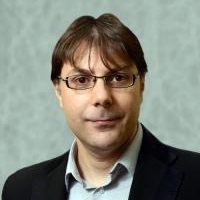
Professor Asgar Farahnaky is the Deputy Head of Food Technology and Nutrition at RMIT University's School of Science. He holds a PhD in Food Physics from the University of Nottingham and has extensive industry experience in food innovation and research. His academic roles include Deputy Head of Department (Research & Innovation), Program Manager for the Master of Food Science and Technology, and past leadership at Charles Sturt University and Shiraz University. He has secured significant research grants, including a $500k CRC grant and GRDC funding. His research focuses on food innovation, functional foods, and emerging technologies like ultrasound and ohmic processing. Collaborations with national and international industries highlight his emphasis on market-oriented solutions. Awards include research productivity recognitions at Shiraz University. Supervision spans projects on plant protein valorization, starch modification, and food packaging. He leads a dynamic lab exploring food physics, hydrocolloids, and sustainable processing.
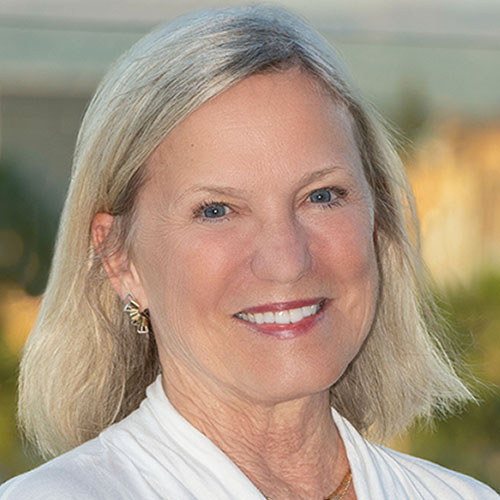
Prof. Dr. Laura Nyström is a Full Professor of Food Biochemistry at ETH Zurich's Department of Health Sciences and Technology (D-HEST), part of the Institute of Food, Nutrition and Health (IFNH). She leads a research group focused on sustainable food systems, dietary fiber mechanisms, and plant-based material utilization. Her career includes tenure as Assistant Professor (2009–2016) and Associate Professor (2016–2021) before her promotion to Full Professor in 2022. She also chairs the D-HEST department since 2022. Education: MSc (2002) and DSc (2008) in Food Sciences from the University of Helsinki, Finland. Postdoctoral research (2008–2009) in Cereal Technology at the same institution. Research Interests: Healthy and sustainable foods via plant-based materials Health-promoting dietary fiber interactions Genetic diversity of grains and crop utilization Antioxidant extraction from olive mill waste (co-founding Gaia Technologies GmbH) Development of analytical methods for food chemistry Scientific Contributions: Over 70 publications, 3 book chapters, and 2 patents ERC Starting Grant (2015), AOCS Young Scientist Award (2017), and ETH Zurich Leadership Award (2018) Advising & Innovation: Guided interdisciplinary research teams on food chemistry and sustainability Co-developed industrial partnerships for food waste valorization Labs & Initiatives: EPNOE (European Polysaccharide Network) collaborations HealthFerm citizen science project on sourdough fermentation
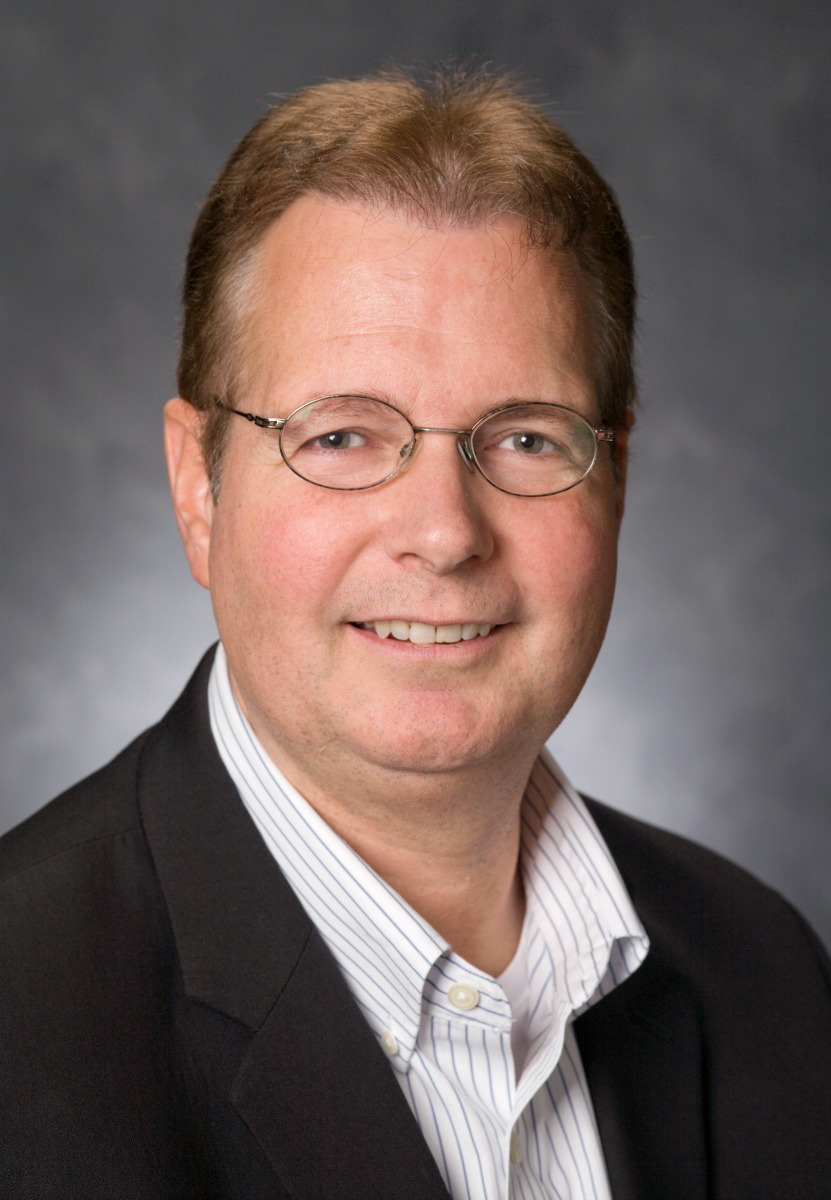
Suyong Lee is a Professor in the Department of Food Science and Biotechnology at Sejong University, leading research at the Carbohydrate Bioproduct Research Center. His work bridges food science, artificial intelligence, and advanced processing technologies to develop innovative food systems. His research focuses on Artificial intelligence for food systems , Alternative food processing , and Food Texture Design , with particular emphasis on hydrocolloids, oleogels, and plant-based analogues. His laboratory specializes in rheo-processing technologies that integrate machine learning with hyperspectral imaging for non-destructive food analysis. Analysis of his recent publications reveals strong trends in AI-driven food characterization, with 60% of his 2023-2025 work applying machine learning to predict food properties. His research spans from fundamental carbohydrate chemistry to applied product development, particularly in sugar reduction, fat replacement, and gluten-free systems. Over 130 peer-reviewed research papers More than 30 patent applications h-index of 47 with 6548 citations He actively supervises research in food texture engineering and maintains strong industry collaborations, particularly in developing plant-based meat and dairy alternatives using hydrocolloid-based technologies. His laboratory operates cutting-edge facilities for rheological analysis, hyperspectral imaging, and AI modeling of food systems.
Dr. Nandika Bandara serves as Associate Professor and Tier 2 Canada Research Chair in Food Proteins and Bioproducts at the University of Manitoba's Department of Food and Human Nutritional Sciences within the Faculty of Agricultural and Food Sciences. Her research program focuses on advancing sustainable protein technologies for food, materials, and bioproduct applications through integration of material science and nanotechnology. Education: CFS (Certified Food Scientist), Institute of Food Technologists / International Food Science Certification Council PhD (Food Science & Bioresource Technology), University of Alberta, Canada MSc (Food Science & Technology), University of Alberta, Canada BSc (Agriculture), University of Peradeniya, Sri Lanka Dr. Bandara's research explores protein and biopolymer-based nanostructures for bioactive delivery, sustainable protein extraction from Canadian crops and byproducts, and renewable biopolymers for food packaging and biomedical materials. Her lab investigates novel processing technologies' effects on protein structure-function relationships using advanced characterization techniques. Current projects include protein-lipid conjugation for nanodelivery systems, feather keratin-based wound-healing materials, and deep eutectic solvents for protein extraction. Her publication record demonstrates strong focus on plant protein valorization, nanodelivery systems, and functional materials. Key trends include development of electrospun nanofibers, protein-based packaging films reinforced with nanocellulose, and metabolomics approaches for bioactive compound analysis in Canadian berries. The research bridges fundamental protein chemistry with industrial applications in sustainable food systems. Awards and Honors: Outstanding Volunteer Service Award of the Food Chemistry Division at Institute of Food Technologists (IFT) - 2019/2020 Institute of Food Technologists (IFT) Emerging Leaders Network (ELN) Program finalist - 2019 Natural Science and Engineering Research Council (NSERC) of Canada Postdoctoral Fellowship - 2018 Agricultural Institute of Canada Foundations' (AICF) Karl C Iverson Agricultural Scholarship - 2016 MITACS Accelerate Graduate Scholarship - 2015 Queen Elizabeth II Doctoral Graduate Scholarship - 2015 American Oil Chemist Society Honored Student Award - 2015 Graduate Student Teaching Award of the Faculty of Graduate Studies and Research/ Faculty of Agricultural, Life and Environmental Sciences, University of Alberta - 2015 Alberta Innovates Technology Futures Graduate Student Doctoral Scholarship Dr. Bandara actively supervises graduate students through the University of Manitoba's Food and Human Nutritional Sciences program and holds an adjunct professorship at Dalhousie University. She serves as Associate Editor for Food Chemistry Journal and on the editorial board of Food Research International. Her research is supported by her Canada Research Chair position and industry partnerships focused on Canadian agricultural innovation. She directs the Food Proteins and Bioproducts Lab at the Richardson Centre for Food Technology and Research, which specializes in protein characterization, nanomaterial development, and sustainable extraction technologies. The lab collaborates with researchers across Canada and internationally to translate fundamental discoveries into industrial applications for food, packaging, and biomedical sectors.
Dr. Martin Scanlon is a Professor and Dean of the Faculty of Agricultural and Food Sciences at the University of Manitoba. His work focuses on physical and structural changes in plant materials during food processing, particularly in oilseed-based systems and cereal products. Education: Operative Miller Certificate (with Distinction), City & Guilds (London), England PhD (Food Science), University of Leeds, England BSc Hons (Food Science), University of Leeds, England His research spans modeling process-ingredient interactions, aerated food materials, ultrasonic analysis, and grain-legume science. Recent projects include novel canola oil extraction methods and mitigating acrylamide precursors in wheat. Analysis of his publications reveals expertise in sustainable processing (supercritical CO₂, microemulsions), dough rheology, antioxidant recovery, and bubble dynamics in cereal systems. No scientific awards are explicitly mentioned. Dr. Scanlon is not currently accepting graduate students and has not disclosed specific grant funding or lab affiliations in the provided texts.
Anders Backlund is Professor of Pharmacognosy at Uppsala University's Department of Pharmaceutical Biosciences, with dual institutional roles including Garden Director at Uppsala Linnaean Gardens. His work bridges pharmaceutical sciences and botanical heritage through the university's historic gardens. His research centers on pharmacognosy and natural products chemistry, with pioneering development of the ChemGPS-NP platform for chemical space navigation. This computational tool maps biological activity in chemical property space, enabling prediction of pharmacological effects and mechanisms of action. His work spans plant metabolomics, evolutionary chemography, and drug discovery from natural sources including marine organisms, fungi, and medicinal plants. Recent publications (2019-2023) demonstrate strong continuity in applying ChemGPS-NP to diverse problems: predicting membrane permeability of Alpinia galanga constituents (2022), evaluating Ononis isoflavonoids for CNS targeting (2022), and decoding multi-functional bioactivities in Maca (2021). His work increasingly integrates computational prediction with experimental validation across anti-inflammatory, anti-allergic, and antimicrobial domains. As Garden Director of Uppsala Linnaean Gardens, he maintains institutional connections to botanical heritage while advancing modern pharmacognosy. His dual roles exemplify the integration of historical plant knowledge with contemporary drug discovery methodologies.
Dr. Wensheng Qin is a Professor in Biotechnology and Bioproducts at the Department of Biology, Lakehead University, Canada. He also holds an Adjunct Professor position at the Faculty of Natural Resources Management, Lakehead University, since July 2010. His research focuses on biotechnology applications for enzymes, biofuels, bioproducts, and bioremediation. PhD in Biotechnology and Genetics from Queen's University, Canada Postdoctoral training in Biotechnology and Biochemistry at Stanford University, USA BSc and MSc in Agriculture and Biotechnology from Zhejiang University, China Dr. Qin’s research spans lignocellulosic biomass bioconversion, microbial enzyme production, bioremediation of mining tailing sites, and bioactive compound extraction from medicinal plants. He has led projects in collaboration with institutions across Canada, China, Mexico, and the USA. His scientific contributions include the Ontario Research Chair in Biorefining Research (2008–2013). He actively mentors graduate students in the Biology MSc Program and Biotechnology PhD Program, with opportunities available for domestic and international applicants. Biotechnology for biomass degradation and enzyme production Bioremediation of industrial waste sites Extraction of polyphenols, saponins, and quercetin from plants Contact: Office at Centennial Building Room CB4016, Lab at CB3037, Thunder Bay, Ontario, Canada.
MARIO MARTINEZ MARTINEZ is Associate Professor at University of Valladolid's Department of Agricultural and Forestry Engineering, with secondary appointments at Aarhus University and Purdue University. His research develops plant-based macromolecular assemblies for food, pharmaceutical, and packaging applications. Research focuses on: Structure-function relationships of plant biopolymers Green modification techniques for polysaccharides Food waste valorization strategies Edible packaging development Nutrient bioaccessibility enhancement Recent publications showcase innovative approaches to starch modification using deep eutectic solvents, waste upcycling (bread, apple pomace, garlic peels), and functional ingredient development from underutilized sources (macroalgae, hawthorn). Major recognitions include: Nils Foss Talent Prize 2021 DFF-Sapere Aude excellence grant (€1M) Ontario Early Researcher Award Young Scientist Award from Cereals & Grains Association Leads research on sustainable food systems through international collaborations and industry partnerships.
Dr. Massimo Iorizzo is a Professor in the Department of Horticultural Science at North Carolina State University, specializing in plant genetics and genomics. His research focuses on improving small fruit and vegetable crops through genetic approaches, with particular emphasis on phytochemical content and fruit quality traits. He holds a PhD and MS from the University of Naples 'Federico II' in Italy. His work integrates genomic tools, machine learning, and sensory science to enhance crop traits like texture, nutrient content, and bioactive compound accumulation. Recent projects include developing high-throughput phenotyping systems for cranberry and blueberry, mapping genes controlling carotenoid and anthocyanin pathways, and creating standardized ontologies for blueberry breeding. He collaborates on initiatives like VacciniumCAP and VacCAP to advance genetic resources for berry crops. Key contributions span improving flavor compounds in sweetpotato, understanding epigenetic stress responses, and optimizing protein-based delivery systems for plant nutrients. His research bridges basic genetics with applied breeding, aiming to create consumer- and grower-preferred varieties through interdisciplinary approaches.
Mary Ann Lila holds the David H. Murdock Distinguished Professorship at North Carolina State University’s Department of Food, Bioprocessing & Nutrition Sciences. She leads the Plants for Human Health Institute and is affiliated with the Global Institute for Bioexploration (GIBEX). Her research focuses on phytochemicals in functional foods, immune modulation, and plant-based solutions for health challenges like allergies and cognitive decline. Lila has pioneered protein-polyphenol particle technology to enhance bioactive delivery and mitigate food allergies. Education: Ph.D. Plant Biology (University of Wisconsin, 1984); M.S. Plant Pathology (University of Illinois, 1980); B.S. Horticultural Sciences (University of Illinois, 1978) Key Roles: Director of Plants for Human Health Institute; Affiliate Faculty at University of Alaska Fairbanks Her research interests include bioactive phytochemicals’ roles in inflammation, immunosuppression, and cognitive health. She investigates how plant-derived compounds interact with the gut microbiome to enhance health outcomes. Notable studies address blueberry bioavailability, anti-cancer properties of berry juices, and ozone-induced skin damage mitigation. Recent Achievements: - Copernico Bronze Medal (2021) - 2023 Senior Outstanding Global Engagement Award - David H. Murdock Distinguished Professorship (2010–present) Lila’s work spans collaborations across disciplines, including food engineering, genomics, and cosmeceutical development. Her lab develops sustainable food technologies to address global health and environmental challenges, emphasizing functional ingredients from underutilized crops and byproducts.
Federico Casanova is an Associate Professor at the National Food Institute of the Technical University of Denmark (DTU), specializing in sustainable food processing and biotechnological valorization of food waste. His work focuses on extracting high-value molecules (proteins, chitins, fatty acids) using green technologies like ultrasound, ohmic heating, and pulsed electric fields to enhance functional properties. Education : PhD (2015–2017, Federal University of Vicosa, Brazil), MSc (Agrocampus Ouest, France, 2009–2010; Universitat Jaume I, Spain, 2006–2007), BSc (Università Cattolica, Italy, 2003–2006). Research Trends : Recent publications highlight applications of green technologies to modify protein-polyphenol interactions, characterize gelatin from jellyfish by-products, and optimize plant protein emulsifying properties. Keywords include Food Science, Food Chemistry , and Biotechnology , with subfields spanning bioactive peptides, rheological properties, and sustainable processing . Projects : Casanova contributes to active initiatives like seaweed-derived bioactives (2025–2027) and SUSTAIN-A-BITE (2025–2028), alongside supervising PhD students investigating dairy proteins and insect-based ingredients. He also serves as an editor for International Journal of Biological Macromolecules (2025–2027). External Roles : Junior Project Leader at Nestlé Purina (2017–2018), Engineer at CNRS's Soft Matter Group (2010–2014). Teaching : Delivered guest lectures on food proteins and sustainable food systems at universities globally.
Sergio Burgos, PhD is an Associate Professor in the Department of Animal Science at McGill University's Faculty of Agricultural and Environmental Sciences, and a Scientist at the Research Institute of the McGill University Health Centre (RI-MUHC). He leads an interdisciplinary research program integrating animal nutrition, human health, and environmental sustainability. Pan-American School of Agriculture, Zamorano, Honduras (Agrónomo) University of Florida (BSc Animal Science) University of California, Davis (MSc Animal Science) University of Guelph (PhD Animal Science, 2009) Research Focus examines protein foods' roles in: Human Nutrition & Cardiometabolic Health Dairy Production Systems & Rumen Microbiome Milk Metabolomics & Bioactive Compounds Climate Impact Reduction through Dietary Transitions Publication Trends demonstrate: 2024-2025: Prioritization of plant-animal protein substitutions for climate & health 2020-2023: Mechanistic studies on amino acid regulation of mammary cell function 2016-2020: Foundational work on insulin resistance and dairy nutrition Awards Richard and Edith Strauss Postdoctoral Fellowship (2010-12) Professional Affiliations Regroupement OptiLAIT (2015-present) American Society for Nutrition (2015-present) Canadian Diabetes Association (2012-present) Teaches core courses in animal nutrition, protein metabolism, and computational ration balancing.
Lea Atanasova is a Senior Researcher and Principal Investigator at the Institute of Food Technology, Department of Biotechnology and Food Science, University of Natural Resources and Life Sciences Vienna (BOKU). She holds a PhD (Dr. rer. nat.) and a Master’s degree (Mag. rer. nat.) and has extensive postdoctoral experience in fungal molecular biology and genomics. Her research is centered on mycoparasitic fungi such as Trichoderma and Clonostachys , with a focus on carbohydrate-active enzymes, signal transduction, gene expression, and ecological genomics. Her research interests span molecular biology, genetics, genomics, microbiology, mycology, and enzyme technology. She investigates the functional roles of genes and proteins in fungal biocontrol, nutrient acquisition, and host interactions. Her work integrates comparative genomics, transcriptomics, and functional proteomics to understand fungal evolution and ecological niches. The most recent publications highlight a strong trend in understanding fungal signaling pathways (e.g., TOR and MAPK), enzyme diversification (e.g., CDHs, pectate lyases), and the molecular mechanisms of mycoparasitism. Her work also extends to fungal secondary metabolites, host-microbe interactions, and advanced imaging techniques for protein localization. Scientific Awards: Carl Trygger scholarship for research at SLU (Uppsala, Sweden) GSA fungal meeting award, Genetics Society of America (Asilomar, CA, United States) FEMS Young Scientist Meeting Grant, Federation of European Microbiological Societies (Sant Feliu de Guíxols, Spain) Price Award for best Master-/Diploma research, Ecological Society of Germany, Austria and Switzerland (GFÖ) (Bayreuth, Germany) Austria National Park Research Award, Austrian Federal Ministry of Agriculture, Forestry, Environment and Water Management (Vienna, Austria) Ad Futura Special Achievements Fellowship for studies abroad, Slovene human resources development and scholarship fund (Ljubljana, Slovenia) Lea Atanasova has supervised several Master’s and Diploma theses on topics related to fungal biotechnology and enzymology. She leads an Austrian Science Fund (FWF)-funded project on GMC oxidoreductases in Clonostachys rosea . She is actively engaged in the scientific community, serving on editorial boards and as a guest editor. She has organized and chaired sessions at major conferences, including ECFG, and frequently presents her research internationally. She is a key member of the research community at BOKU, contributing to knowledge transfer through student supervision, editorial roles, and conference participation. Her work bridges fundamental fungal biology with applications in agriculture and biotechnology.
Ronald Pegg is the Josiah Meigs Distinguished Teaching Professor in the Food Science & Technology department at the University of Georgia's College of Agricultural & Environmental Sciences. His research focuses on functional foods, nutraceuticals, and the bioactive properties of phytochemicals, with expertise in separation and identification of bioactives, nutrient analysis, and lipid oxidation studies. He teaches courses ranging from introductory food science to advanced functional foods and analytical methods. Specializes in antioxidant activity of tree nuts, fruits, and legumes Develops analytical assays for food composition Studies shelf-life extension strategies for food products His recent work emphasizes cellular antioxidant activity, phenolic profiling, and encapsulation technologies. Awards include the Josiah Meigs Distinguished Teaching Professor title. Publications span journals in food chemistry, nutrition, and analytical science.
Samo Smrke is a Researcher at the ZHAW School of Life Sciences and Facility Management, specializing in the Coffee Competence Centre and Analytical Technologies. His work focuses on advancing coffee science through projects like the SCA Coffee Expertise Program and collaborations with industry leaders such as Nespresso and Julius Meinl. He has led multiple research initiatives including studies on coffee freshness, roasting effects, aroma release mechanisms, and packaging technologies. Smrke's research interests span coffee chemistry, analytical techniques, and sensory analysis. He has published extensively on topics such as degassing kinetics of roasted coffee, antioxidant generation during roasting, and aroma modulation in instant coffee products. His work often employs advanced methods like proton transfer reaction mass spectrometry (PTR-MS) and gravimetric analysis. He is a co-author of influential books including The Coffee Freshness Handbook and The SCA Water Quality Handbook , which provide foundational knowledge for industry professionals. Smrke’s projects frequently bridge academic research with practical applications, addressing challenges in coffee production, storage, and quality assurance.