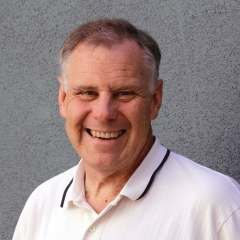
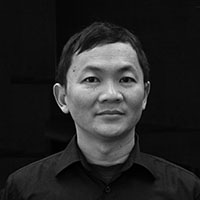
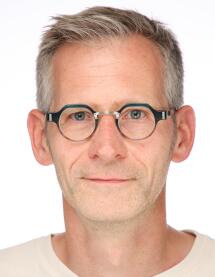
Beate Volker is an Associate Professor at the Faculty of Geosciences , University of Utrecht , specializing in Human Geography and Spatial Planning . Her research focuses on Social Network Analysis , Social Capital , and Personal Network Dynamics , with particular interests in Dutch society, neighborhood effects, and urban sociology. Institutional affiliation: University of Utrecht Academic rank: Associate Professor Department: Human Geography and Spatial Planning Her scholarly work examines how life course events , urban densification , and social stratification shape personal and community-level networks. She investigates network segregation in Chilean and Dutch contexts, prisoner reintegration challenges, and the health impacts of social capital . Her methodological expertise includes field experiments, panel data analysis, and relational data collection. Recent publications highlight trends in acquaintanceship networks in the Netherlands, collective efficacy in neighborhoods, and person-centered care in long-term facilities. She contributes to the Dynamics of Youth and Pathways to Sustainability research programs. As a supervisor and researcher, Volker explores network consequences of entrepreneurship , pet ownership , and romantic relationships . Her work frequently appears in journals like Social Networks , British Journal of Sociology , and Health and Place , with peer-reviewed studies on network homogeneity, tie decay, and expert-driven causal modeling.
Jason Nelson is a Professor of Digital Culture in the Department of Linguistic, Literary and Aesthetic Studies at the University of Bergen, Norway. He is a creator of digital poems and fictions, builder of surrealist and politically focused art games and digital creatures. His work is exhibited widely in galleries and journals around the globe at FILE, ACM, LEA, ISEA, SIGGRAPH, ELO and numerous other venues. Nelson serves on organizational boards including the Australia Council Literature Board and the Electronic Literature Organization. Nelson's research focuses on the intersection of digital technology, creative writing, and artistic expression. He explores how AI and machine learning can be harnessed for creative purposes, developing new forms of digital literature and interactive art. His work often involves building expansive visual worlds through collaborative AI processes, creating interactive digital poetry, and developing novel approaches to digital narrative. Nelson's research spans digital humanities, electronic literature, AI-generated art, and interactive media, with particular emphasis on how these technologies transform creative processes and experiences. Over the past decade, Nelson's work has increasingly focused on the creative potential of AI technologies, especially in the areas of text-to-image generation and multimodal authorship. His projects often blend game engines with poetic expression, creating immersive experiences that challenge traditional boundaries between human and machine creativity. Recent works explore themes of multispecies futures, time perception, and the transformation of physical spaces through augmented reality. Nelson has received numerous scientific awards and fellowships including: Fulbright Fellowship at the University of Bergen Moore Fellowship at the National University of Ireland Winner of the Digital Writing Prize, Queensland Literary Awards (15,000 AUD) Winner of the Woollahra Library Digital Poetry Prize (5,000 AUD) Runner-Up Prize at the Videomedeja digital art exhibition Finalist for the Turn-on Literature Prize Finalist for the Queensland Literary Awards, Digital Writing Category Multiple finalist nominations for the New Media Writing Prize Nelson actively participates in academic advising and has secured significant research funding, including a 125,000 AUD grant from the Australia Council of the Arts, Literature Board for his project "Cube Cryptext and Nomencluster," which was recognized as the world's largest interactive art-game. His work "Nine Billion Branches" received multiple awards including the Digital Writing Prize from the Queensland Literary Awards. He has also received a 75,000 NOK grant for the "Flood Mosaic Artwork" project featured in the Floodlines Exhibition at the State Library of Queensland. Nelson is affiliated with the Center for Digital Narrative at the University of Bergen, where he collaborates with researchers like Scott Robert Rettberg and Alinta Krauth. Together they form EphemerLab, exploring new creative processes that move beyond simple "ask and generate" AI methods. Their work involves stitching together hundreds of individual image fragments and components into cohesive visual and narrative concepts, pushing the boundaries of what's possible with current AI technologies.
Michael W.I. Schmidt is a Full Professor of Physical Geography in the Department of Geography at the University of Zurich (UZH) . He has been a faculty member since 2002, advancing from Assistant to Full Professor in 2014. His research focuses on soil biogeochemistry, particularly soil carbon cycling under climate change, microbial carbon use efficiency, and the stability of pyrogenic organic matter. Research Interests: His work investigates how deep soils respond to warming, the role of microbes in carbon sequestration, and the long-term fate of biochar in soils. He leads the Swiss National Science Foundation project Deep C: Deep soil carbon cycling in a warming world (2017–2023) and collaborates with international institutions including the Max Planck Institute for Biogeochemistry, Lawrence Berkeley Lab, and Cornell University. Publication Trends: His recent articles (2019–2025) reflect a strong focus on climate change impacts on soil carbon, with frequent publications in high-impact journals such as Nature , Nature Geoscience , and Global Change Biology . Key themes include microbial carbon use efficiency, deep soil warming, peatland carbon dynamics, and the stabilization of organic matter. His work increasingly integrates field experiments, molecular analysis, and global synthesis. Scientific Awards and Recognition: Mercator Fellow, German Research Foundation (DFG), 2021 Teacher of the Hour 2020 (student election) Advising and Grants: While specific students are not listed, he leads major funded research projects and has supervised numerous PhD and Master’s theses. He has served as Program Director for five Bachelor and Master programs at UZH (2018–2020), indicating strong academic leadership. His research is supported by the Swiss National Science Foundation and international collaborations. Labs and Teams: He is affiliated with the Department of Geography at UZH and participates in international networks such as the National Hub of the European Joint Program Soil and the Deep Soil Warming Experiment Network. His work involves interdisciplinary teams focusing on soil biogeochemistry, climate change, and sustainable land use.
Professor Jonna Kuntsi is a leading researcher in developmental disorders and neuropsychiatry at King's College London's Institute of Psychiatry, Psychology & Neuroscience, where she holds a professorship in the Social, Genetic & Developmental Psychiatry Centre. With extensive training including BSc, MSc, and PhD from University College London and clinical experience at Great Ormond Street Hospital for Children, she has established herself as a prominent figure in ADHD research globally. Her research primarily focuses on attention deficit hyperactivity disorder (ADHD) and related conditions, with particular expertise in neurodevelopmental disorders, remote measurement technology applications, developmental trajectories, preterm birth associations, and the effects of physical activity on cognition and ADHD symptoms. Professor Kuntsi has pioneered the ADHD Remote Technology (ART) research programme, securing substantial funding including £4 million from the UK Medical Research Council and European Commission for innovative projects like ART-transition and ART-CARMA. Her publication record demonstrates consistent high-impact research across multiple domains of ADHD investigation, with recent work emphasizing digital phenotyping, remote monitoring technologies, and the developmental aspects of ADHD across the lifespan. This research portfolio shows a clear trajectory toward increasingly sophisticated technological approaches to understanding and managing ADHD. Co-Chair of EUNETHYDIS - the European Network for ADHD Member of the European ADHD Guideline Group (EAGG) Principal Investigator in International Multi-centre Persistent ADHD Collaboration (IMpACT) Steering committee member of ECNP ADHD across the Lifespan Network Steering committee member of ECNP Digital Health Applied to Clinical Research Network Professor Kuntsi actively collaborates with patient support organizations including ADHD Europe and the UK ADHD Information and Support Service (ADDISS), and with technology companies like Empatica and The Hyve. She serves as Chair of the PhD Subcommittee across Departments of Social, Genetic & Developmental Psychiatry and Biostatistics & Health Informatics, demonstrating her commitment to mentoring the next generation of researchers while leading multiple international research networks that advance both scientific understanding and clinical practice in ADHD.
Jeffrey K. Mullins is an Assistant Professor in the Department of Information Systems at the Sam M. Walton College of Business, University of Arkansas. His research explores the intersection of emotion, cognition, and ethics in information systems, with a focus on how digital technologies blur boundaries between work and play through gamification and metaverse development. Ph.D. in Information Systems, University of Arkansas Director of Ph.D. Program, Walton College Research interests span: Emotion and cognition in digital environments Ethics of biometric and gamification technologies Metaverse development and Web3 transitions Work-life convergence in IS-enabled contexts His publications in MIS Quarterly , Journal of Business Ethics , and Journal of the Association for Information Systems reflect these themes. Recent work examines AI biometrics policy and immersive learning applications. 2024 Walton College Executive MBA Teacher of the Year 2020 ACM SIGMIS Doctoral Dissertation Award 2016 Outstanding Lecturer Award With over a decade of IT experience at a Fortune 100 firm, he teaches graduate courses in IT management and multivariate analysis while maintaining certifications like ERPsim Level 2 Training.
Travis L. Nicholson is an Assistant Professor of Physics at Duke University with a secondary appointment in Electrical and Computer Engineering and membership in the Duke Quantum Center. His research pioneers quantum science experiments with ultracold neutral atoms, particularly Group III elements. Education: M.S. in Physics, University of Colorado, Boulder (2011) Ph.D. in Physics, University of Colorado, Boulder (2015) Dr. Nicholson's work focuses on cooling atoms near absolute zero, optical trapping, and quantum state manipulation. His team achieved the first laser cooling of Group III atoms (indium), enabling novel quantum many-body states, quantum computing architectures, and atomic clocks with unprecedented accuracy. He also develops quantum sensors and explores theoretical proposals for novel lasers. Analysis of his 15 most recent publications (2022-2010) reveals three dominant themes: advancing optical lattice clock precision to 10 -18 levels, pioneering quantum simulation with triel atoms, and developing superradiant lasers for quantum metrology. His Group III atom research has established new quantum control paradigms. Scientific Awards: 2022 NUS Physics Breakthrough Prize for realizing the first indium magneto-optical trap Dr. Nicholson actively mentors graduate students including PhD candidates Connor Bowerman and Jinchao (recently defended), and Master's graduate Desiree Lim (now at PASQAL). His research is supported by Duke Quantum Center collaborations and industry partnerships, notably as scientific advisor to PlanQC, a leading neutral atom quantum computing company. Nicholson Labs operates within the Duke Quantum Center's Chesterfield Building, focusing on quantum computing, simulation, and metrology. The group recently relocated from NUS and maintains an active culture including university events like Duke basketball games, with ongoing recruitment for new research members.
Professor Michael Ramage is a Senior Lecturer in the Department of Architecture at Cambridge University , where he directs the Centre for Natural Material Innovation . He is also a fellow of Sidney Sussex College and co-founder of Light Earth Designs . His academic background includes architecture studies at MIT and professional experience at Conzett Bronzini Gartmann in Switzerland. His research focuses on low-energy structural materials , natural material innovation , and sustainable housing in developing regions, with particular emphasis on engineered timber and bamboo . The 15 most recent publications highlight trends in modular timber construction , 3D printed earthen materials , and climate action in the building sector . Key subfields include circular economy , resource optimization , structural testing , and behavioral impacts on decarbonization . He has secured research funding from the Leverhulme Trust , Engineering and Physical Sciences Research Council (EPSRC) , Royal Society , and British Academy .
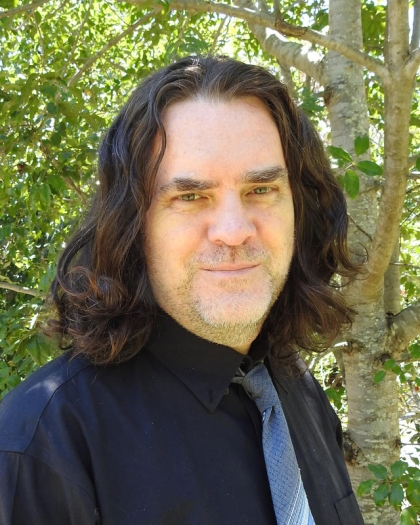
Professor Garry Tew serves as the founding Director of the Institute for Health and Care Improvement and holds the position of Professor of Clinical Exercise Science at York St John University's School of Science, Technology and Health. As a BASES Accredited Sport and Exercise Scientist, he leads interdisciplinary research initiatives focused on improving community health through evidence-based practices. He also serves as the Academic Lead of Scarborough Coastal Health and Care Research Collaborative (SHARC), a partnership with York and Scarborough Teaching Hospitals NHS Foundation Trust. Professor Tew's research program centers on the role of physical activity and exercise in preventing, managing, and treating long-term health conditions. He is internationally recognized for his pioneering work on exercise interventions for intermittent claudication and exercise-based prehabilitation to enhance surgical readiness. His research spans mental health contexts, inflammatory bowel disease, peripheral artery disease, and multimorbidity in older adults, with a particular focus on developing accessible interventions for diverse patient populations. His extensive publication record demonstrates significant contributions across multiple health domains, with recent work emphasizing co-produced physical activity programs for severe mental illness, chair-based yoga for older adults with multiple conditions, and digital health coaching for surgical preparation. These publications reflect a consistent trajectory toward developing practical, evidence-based exercise interventions that can be implemented in real-world healthcare settings. Professor Tew actively contributes to the research community as a member of the East Midlands Nottingham One Research Ethics Committee and serves on the Selection Committee for the NIHR Doctoral Fellowship Programme. He regularly reviews grant applications for major funding bodies including the National Institute for Health and Care Research, Medical Research Council, and British Heart Foundation. His teaching expertise encompasses research methods and exercise physiology at both undergraduate and postgraduate levels. He also conducts specialized workshops for staff and postgraduate research students on research-related topics, demonstrating his commitment to developing the next generation of researchers in health and care disciplines.
Professor Forrest Brewer is a faculty member in the Department of Electrical and Computer Engineering at the University of California, Santa Barbara (UCSB), affiliated with the College of Engineering. His research spans VLSI design, computer-aided design tools, and low-power computing, with a focus on unconventional engineering solutions. Education: PhD in Computer Science, University of Illinois BS in Physics (with honors), California Institute of Technology His work includes CMOS pulse-gate asynchronous logic for high-performance systems, sigma-delta modulation for signal processing, and formal verification strategies for asynchronous circuits. Applications range from radiation-hardened communication links for the Large Hadron Collider (LHC) to spiking neural networks for low-power computing in LIDAR/RADAR systems. Affiliations: California Nanosystems Institute Allosphere Steering Committee (Media Technology) With over 100 publications and 40 years of systems design experience, Brewer has contributed to defense programs, founded UCSB's Computer Engineering program, and served as Intel Faculty Fellow (1997). His lab, the Systems Synthesis Lab, explores collective dynamics and high-resolution, low-latency computation.
Maria Rita D’Orsogna is a Professor of Mathematics at California State University, Northridge (CSUN) and holds an Adjunct Associate Professor appointment in the Department of Computational Medicine at UCLA. She earned her PhD in Theoretical Physics from UCLA in 2003 and has since bridged mathematical modeling with interdisciplinary research in biology, social dynamics, and criminology. Her work utilizes statistical mechanics and applied mathematics to study collective behavior, viral dynamics, and societal challenges. Her research spans Biological swarming and self-organization Crime pattern modeling and policy analysis Drug addiction relapse dynamics Environmental activism against offshore oil drilling Recent publications focus on Medical decision-making optimization Age-specific overdose mortality forecasting Radicalization and social network dynamics Criminal career empirical studies Hematopoiesis modeling . She has secured funding from the NSF and Army Research Office. Teaching experience includes differential equations, multivariable calculus, and mathematical biology at CSUN and UCLA. She has mentored students through RIPS, IPAM, and PUMP programs. As Associate Director of UCLA’s Institute for Pure and Applied Mathematics (2018–2021), she promoted interdisciplinary research. Her environmental advocacy in Italy led to national policy changes banning coastal oil drilling, earning her recognition as the "Erin Brockovich of Italy".
Ue-Li Pen is a Professor at the Canadian Institute for Theoretical Astrophysics (CITA), which is part of the Faculty of Arts & Science at the University of Toronto. His research focuses on theoretical astrophysics where basic physical effects can be isolated from astronomical complexities. His research interests include n-body and hydro simulations, origin of galaxy spin, dark energy studies through 21cm cosmology, baryon acoustic oscillations (BAO), absorber acceleration, and research on Fast Radio Bursts (FRBs) and pulsars related to gravitational waves, wave optics, and lensing. Current projects involve the non-linear dynamics of the cosmic neutrino background, 21cm intensity mapping, pulsar VLBI scintillometry, and the Canadian Hydrogen Intensity Mapping Experiment (CHIME). Analysis of recent publications shows Pen's work spans multiple cutting-edge areas in astrophysics, particularly focused on radio astronomy techniques, gravitational wave detection methods, black hole imaging, and cosmological measurements using 21cm radiation. His research often involves innovative applications of wave optics and interferometry to solve astrophysical problems. Professor Pen maintains an active research program with numerous recent publications in top astrophysics journals, demonstrating his continued leadership in the field of theoretical astrophysics and cosmology.
Christian Helland serves as an Assistant Professor in the Department of Sport and Social Sciences at the Norwegian School of Sport Sciences (NIH). Additionally, he works as a consultant in the strength department at Olympiatoppen (the Norwegian Olympic Training Center), where he is responsible for physical training programs for beach volleyball, para table tennis, and rowing athletes. Christian holds a master's degree from the Institute of Physical Performance and has been engaged in both practical and theoretical lecturing since 2012. His professional background includes competing as a beach volleyball player at the World Tour level since 2014, which provides him with valuable practical experience to complement his academic work. Dr. Helland's research focuses on optimizing athletic performance through scientific approaches to physical training. His work examines strength development, jump and sprint performance metrics, tendon mechanics, and recovery processes in elite athletes. His research has significant practical applications for coaches and athletes seeking to improve performance while minimizing injury risk. His publication record demonstrates a strong focus on force-velocity profiling, strength and power testing methodologies, and the physiological responses to different training modalities. A recurring theme in his work is the comparison of different training approaches and assessment methods, particularly examining how strength-oriented versus power-oriented training affects recovery needs and performance outcomes. His research often involves collaborations with other leading sports scientists across Norway and internationally. Christian teaches courses in volleyball, coaching methodologies, sports psychology, and sports practice for children and youth. His practical experience as an elite athlete informs his teaching approach, bridging theoretical knowledge with real-world application.
Grethe Myklebust is a Professor at the Department of Sports Medicine, Norwegian School of Sport Sciences, where she serves as Program Coordinator for the Master in Sports Physiotherapy and teaches courses including Injury Prevention and Clinical Sports Physiotherapy. She holds a PhD (2003) focused on ACL injury prevention in handball and has 20+ years of experience as a physiotherapist for national teams in handball, football, and beach volleyball, including Olympic health teams in Seoul and Sydney. Her research centers on sports injury mechanisms, risk factors, and prevention strategies—particularly for shoulder, knee, and ankle injuries in handball and football. She investigates how to disseminate prevention knowledge to athletes, coaches, and parents, with projects like Prep to be PRO and Safeplay targeting youth athlete development. Her work emphasizes neuromuscular training, injury epidemiology, and implementation science in sports contexts. Analysis of her 15 most recent publications (2021–2025) reveals dominant themes: ACL injury rehabilitation/return-to-sport decisions (6 studies), youth athlete injury prevention (5 studies), sport-specific biomechanical risks (3 studies), and translational research frameworks (1 study). Her cohort studies and RCTs consistently address gender differences, training load effects, and barriers to implementing prevention programs. She leads multiple projects including Injury Prevention in Youth Sports and collaborates with the Oslo Sports Trauma Research Centre (OSTRC), focusing on practical interventions for athlete resilience. As a board member of the Sports Physiotherapy group (FIA) and former IHF Medical Commission member, she bridges clinical practice with academic research.
Dr. Guido Hunze serves as Senior Academic Councillor (Akademischer Oberrat) at the Institute for Religious Education and Pastoral Theology within the Catholic Theological Faculty of Westfälische Wilhelms-Universität Münster since December 2012. He holds state teaching authorization for Catholic Religious Education at secondary levels and has been actively involved in teacher education and curriculum development. 1991-1997: Studied Physics, Catholic Theology, and Pedagogy at Rheinische Friedrich-Wilhelms-Universität Bonn 1997: First State Examination for Teaching (Sek. II/I) in Physics and Catholic Religious Education 2006: Doctorate (Dr. theol.) at Catholic Theological Faculty of University of Bonn 2005: First State Examination for Teaching (Sek. II) in Pedagogy Dr. Hunze's research focuses on innovative approaches to religious education, particularly through video analysis methodologies. His work emphasizes inclusive religious teaching practices, creation theology in dialogue with natural sciences, and religious education for sustainable development. He explores how digital technologies transform religious pedagogy while maintaining theological depth, examining how students experience religious learning in contemporary contexts. His scholarship bridges theoretical frameworks with practical classroom applications. His recent publications reveal a consistent focus on contemporary challenges in religious education, with increasing attention to digital transformation, diversity, and sustainability. The trajectory shows evolution from traditional religious pedagogy toward more interdisciplinary approaches integrating video analysis, inclusive education, and ecological theology. His work increasingly addresses how religious education can respond to societal crises and digital transformation while maintaining theological integrity. As an academic leader, Dr. Hunze serves as faculty advisor for teacher education programs, coordinates practical semesters for religious education students, and moderates training for the implementation of confessional-cooperative religious education in the Diocese of Münster. He has contributed significantly to textbook development for Catholic religious education in German schools. Dr. Hunze leads the TheoTVIST videography team and previously directed the GRUVI project, which develops fundamental competencies for religious education through video analysis of classroom instruction. These initiatives represent his commitment to evidence-based approaches to religious pedagogy and teacher development.
Kelly L. Simonton is an Associate Professor in the Division of Kinesiology and Health, College of Health Sciences, University of Wyoming. His expertise lies in physical education teaching and research on motivation and emotions. His educational background includes: Ph.D. in Kinesiology (Pedagogical and Psychological Science) - Louisiana State University M.S. in Kinesiology (Pedagogical and Psychological Science) - Louisiana State University B.S. in Kinesiology (Physical Education Teaching) - University of Wyoming Dr. Simonton's research centers on achievement motivation and emotions in physical education, examining their impact on student and teacher outcomes, and extending to curriculum development and teacher training with a focus on social-emotional aspects. His work investigates emotional antecedents, teacher effectiveness, and behavioral outcomes in educational settings. His recent publications (2021-2025) analyze emotional experiences in physical education, develop assessment tools like DEPES and YPAAS, and evaluate interventions, particularly in post-pandemic recovery contexts and social-emotional learning programs for K-12 students. He has secured significant grants including a $235,143 award from the Wyoming Department of Education for the Physical Activity and Social-Emotional Learning (PASEL) Program, alongside funding from the Wyoming Department of Health and Wyoming Community Foundation for teacher training and afterschool initiatives targeting student health development. Dr. Simonton directs the Pedagogical Sciences Research Lab and leads major initiatives such as the Healthy Pokes Afterschool Program and PASEL Program, which address youth physical activity, social-emotional learning, and teacher resilience across Wyoming schools.

/prod01/yorksjacuk/media/content-assets/staff-profile-images/garry_tew-2.jpg)