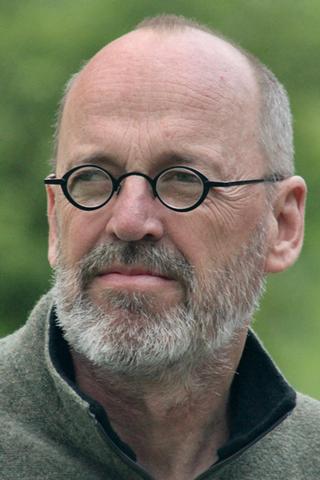
Nicholas Glossop is a Lecturer in the Division of Neuroscience, specializing in circadian rhythm biology and transcriptional regulation. His work explores molecular clock mechanisms in Drosophila melanogaster and mammals. Primary affiliations: Division of Neuroscience Academic rank: Lecturer Research Interests Dr. Glossop investigates circadian clock gene networks, focusing on transcription factors like CLOCK and BMAL1. His studies examine: Regulation of circadian period through protein degradation Developmental specification of pacemaker neurons Evolutionary conservation of clock mechanisms Light and temperature entrainment pathways Ubiquitin ligase roles in clock function Transcriptional feedback loop architecture Publication Trends His 13 publications (2003–2014) demonstrate sustained focus on Drosophila models and mammalian circadian systems, with increasing emphasis on ubiquitin-mediated regulation and clock neuron development in later works.
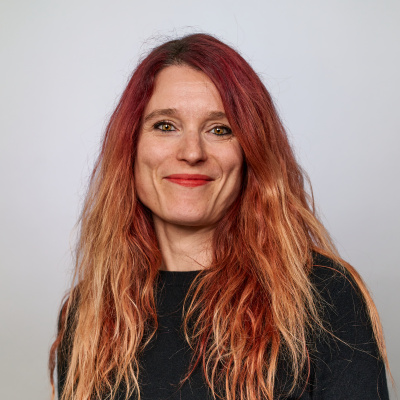
Virginie Hamel is a Lecturer and Researcher at the University of Geneva in the Department of Molecular and Cellular Biology. She co-leads a structural cell biology lab with Dr. Paul Guichard, focusing on centriole and connecting cilium assembly in photoreceptor cells and immune synapse architecture . Core Research Areas: Molecular mechanisms of ciliary structure-function relationships, retinal degeneration in ciliopathies, and expansion microscopy (U-ExM) development for ultrastructural analysis. Collaborations: Key partnerships with Dr. Corinne Kostic/Prof. Yvan Arsenijevic (Jules-Gonin Hospital, UNIL) and Prof. Ronald Roepman for retinal disease studies. Recent Work: Publications on FAM161A , LCA5 , and AGBL5 gene mutations linked to retinal ciliary defects, using U-ExM and cryo-tomography to visualize disease mechanisms. Lab Affiliation: Part of the GenExM team, working with technicians, postdocs, and PhD students like Lorène Bournonville on photoreceptor ultrastructure.
Dr. Trevor J. McGill is a Research Assistant Professor at the Casey Eye Institute, Oregon Health & Science University (OHSU), School of Medicine. His research focuses on developing cell-based and gene therapies for retinal degenerative diseases using rodent and nonhuman primate models. His educational background includes: B.S. in 2002 from The University of Lethbridge MSc in 2004 from The University of Lethbridge Ph.D. in 2008 from The University of Lethbridge Dr. McGill's primary research interests include Retinitis Pigmentosa and Age-related Macular Degeneration. His lab employs both rodent and nonhuman primate models to translate cell-based and gene therapies into clinical trials for retinal degenerative diseases. His work spans gene therapy, stem cell therapy, and the development of preclinical models for diabetic retinopathy and other retinal conditions. Analysis of Dr. McGill's recent publications (2019-2025) reveals a strong focus on translational ophthalmology, particularly in stem cell and gene therapy for retinal degeneration. Key trends include the use of nonhuman primate models, development of gene augmentation therapies (e.g., for CNGB1-retinitis pigmentosa), and investigation of diabetic retinopathy mechanisms. His work also extends to immunology in transplantation and mitochondrial genetics. Dr. McGill leads a research laboratory at the Casey Eye Institute that utilizes advanced models of retinal degeneration. His team collaborates extensively with other researchers at OHSU and beyond, as evidenced by multi-institutional publications.
Prof Daniel Colaco Osorio is a Professor of Neuroscience (Ecology and Evolution) at the University of Sussex, affiliated with the School of Life Sciences. He serves as Deputy Head of the School and Director of Taught Programmes. Osorio holds a BA and MA in Natural Sciences from the University of Cambridge (specializing in Zoology) and a PhD in Neurobiology from the Australian National University (ANU), focusing on insect visual physiology. His postdoctoral work spanned Cambridge and ANU before joining Sussex in 1992. His research explores animal vision, particularly color perception and object recognition in species like butterflies, primates, birds, and cephalopods. He also holds a patent for color measurement in images, derived from his theoretical work on animal vision, with potential medical applications. Osorio sits on the Biotechnology and Biological Sciences Research Council’s research committee and contributes to ethical guidelines for cephalopod welfare under EU legislation. He chairs the Ethics Committee for Merlin Entertainments’ aquaria/zoo operations and co-authored guidelines for cephalopod research ethics. Research interests span visual ecology, evolutionary signaling, and the neural mechanisms underlying camouflage and color discrimination. Notable grants include studies on cephalopod visual behavior, avian spectral processing, and the evolution of trichromacy in primates. He organizes courses like 'Receptors and Senses' and 'Seminars in Neuroscience.' Osorio’s recent work bridges biology and technology, applying vision science to medical imaging and legal frameworks. His lab collaborations emphasize interdisciplinary approaches to understanding sensory systems across species.
Dirk P. Bohmann, Ph.D. is a part-time Professor in the Department of Biomedical Genetics at the University of Rochester Medical Center , specializing in Drosophila models to study transcriptional stress responses, aging, and signal transduction pathways. His research focuses on: Nrf2 signaling in oxidative stress and longevity JNK pathway regulation of development and stress tolerance Proteasome dysfunction in aging processes AP-1 transcription factors in cell differentiation Redox regulation of gene expression Protein degradation mechanisms Recent publications highlight his work on anti-aging strategies , neurodegenerative disease models , and genomic stress responses . Scientific accolades include prestigious German Research Foundation and German Cancer Center fellowships. Key awards: German Research Foundation Post-doctoral Fellowship Award (1986-1988) German Cancer Center Predoctoral Fellowship Award (1983-1986) As a leading Drosophila researcher , he has supervised numerous graduate students and mentored significant discoveries in developmental biology and stress response mechanisms. His laboratory investigates: Molecular aging pathways Transcription factor dynamics Proteostasis regulation Stress signaling networks Developmental gene expression Integrative biological modeling
Dr. Hao Wu is a Senior Lecturer in Property at the University of Melbourne's Melbourne School of Design. He holds dual affiliations with Ormond College (Senior Common Room member) and has served on professional committees for organizations like the Royal Institution of Chartered Surveyors (RICS) and the Australian Property Institute (API). His academic journey includes degrees from the University of Melbourne, University of Auckland, and Nanjing University. Research focuses on commercial property markets, urban economics, valuation theory, and sustainable land development. He applies new institutional economics and case study methods to explore property rights, policy design, and investment strategies. Spatial economics analyses in housing supply and brownfields redevelopment are key themes. Dr. Wu has taught at both undergraduate and graduate levels and serves on the editorial board of the Journal of International Housing Markets and Analysis. Professional activities include peer reviewing for academic journals and columnist roles in China Real Estate Business. His work bridges academic research with practical applications in property valuation, urban planning, and policy development. Recent collaborations involve developing quantitative frameworks for assessing brownfield redevelopment impacts and urban growth sustainability.
Melina Agosto is an Assistant Professor in the Departments of Physiology and Biophysics and Ophthalmology & Visual Sciences at Dalhousie University, Faculty of Medicine. Her research focuses on retinal synapse biology, specifically proteins involved in synapse formation and function. She holds a BS from MIT, a PhD from Harvard, and postdoctoral training at Boston Children’s Hospital and Baylor College of Medicine. Education: BS, Massachusetts Institute of Technology PhD, Harvard University Postdoctoral Fellow, Boston Children’s Hospital Postdoctoral Fellow, Baylor College of Medicine Research interests include: Retinal neuron signaling Membrane protein trafficking Glutamate receptor function Protein-protein interactions in synapses Her work employs biochemical experiments and in vivo models to study synaptic development and dysfunction. Key research themes from recent articles include: Role of mGluR6 glycosylation in trans-synaptic interactions Cryo-EM analysis of photoreceptor ciliary structures Super-resolution microscopy of rhodopsin trafficking Vps34 kinase regulation in retinal cells Her studies bridge biochemistry, structural biology, and neurobiology to advance understanding of retinal disease mechanisms.
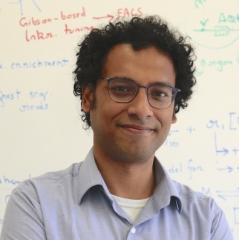
Arnab Mukherjee is an Assistant Professor in the Department of Chemical Engineering at the University of California, Santa Barbara (UCSB), with a joint appointment in the Department of Chemistry & Biochemistry (DCB). He leads the Mukherjee Lab, focused on molecular bioimaging, combining imaging science with synthetic biology, protein engineering, and chemical biology. His research addresses challenges in visualizing biological processes via non-invasive technologies like MRI and optical imaging. His work includes developing genetically encoded reporters for MRI, such as aquaporin-based systems that enhance water diffusion for diffusion-weighted imaging. Parallel efforts involve engineering oxygen-independent fluorescent proteins (LOV domains) to enable anaerobic and deep-tissue imaging, overcoming limitations of traditional GFP-derived reporters. These innovations target applications in tumor microenvironment studies, infectious disease diagnostics, and functional imaging of cellular processes. Mukherjee's lab is located in Elings Hall (Engineering II), and he collaborates across disciplines to advance biomolecular imaging tools. His research has produced over 20 peer-reviewed articles, with recent focuses on biomolecular probes, phage-based nanomaterials, and calcium-responsive contrast agents. He holds a robust publication record spanning molecular engineering, biosensor design, and imaging technologies. He is contactable at arnabm@ucsb.edu and office 3349 Engineering II. The lab’s work is supported by grants from NIH, NSF, and industry partnerships, though specific grants are not detailed in the provided texts.
David Brainard is the RRL Professor of Psychology at the University of Pennsylvania. He leads the Brainard Lab, which investigates human vision through experimental and computational approaches, focusing on how the visual system interprets object properties from light signals. His research integrates psychophysics, computational modeling, and machine learning to understand color perception, visual processing, and neural mechanisms. Education: BS in Physics from Harvard University; PhD in Psychology from Stanford University. Research interests include human vision, visual neuroscience, and computational modeling of visual processing. Specific areas: color appearance under varying illumination, object identification via color, and development of machine vision systems mimicking human performance. Recent work explores retinal physiology, chromatic aberration correction, and evolutionary constraints on color naming systems. Notable contributions include studies on retinal ganglion cell physiology in primates, image reconstruction frameworks, and quadratic models of visual cortex responses. Collaborations span neurobiology, optics, and cognitive science. Awards: None explicitly listed. Active advising of graduate students and postdocs including Callista Dyer, Semin Oh, and Raymond Warner. Labs/Teams: The Brainard Lab at Penn, with ongoing projects on retinal imaging, computational models of vision, and cross-disciplinary applications in machine learning.
Audrey Mat is a Research Fellow at the University of Vienna , affiliated with the Department of Neuroscience and Developmental Biology within the Faculty of Life Sciences . She holds a postdoctoral fellowship through the Vienna International PostDoc Program VIP2 (2022–2025), focusing on circadian rhythms and photoreceptor biology in marine organisms. Her work contributes to UN Sustainable Development Goals related to ecosystem sustainability and climate action. Mat's research interests include circadian rhythms, photoreceptor function in non-traditional locations, and molecular mechanisms in marine invertebrates. Notable projects involve studying rhythmic behaviors in annelids (e.g., Platynereis dumerilii ) and exploring how environmental factors like temperature influence biological clocks. She has published extensively on topics such as Bathymodiolus azoricus rhythms, oyster transcriptome responses to toxins, and chronobiological methodologies in marine biology. Her recent talks include presentations on "Biological rhythms in the deep sea" and "Space and time in the deep sea" , highlighting her expertise in deep-sea chronobiology. Mat has received recognition through the VIP2 fellowship and has collaborated with institutions like the Vienna BioCenter and the University of Vienna's Department of Microbiology, Immunobiology and Genetics. Key Awards: Vienna International PostDoc Program VIP2 Fellow Recent Activities: 5 talks/oral presentations (2023–2024), including invited lectures on deep-sea biological rhythms Labs/Teams: Collaborates with the Tessmar-Raible Lab (Vienna BioCenter) on circadian and photoreceptor research
Anne B. Fulton, MD, is a Professor at Harvard Medical School and Director of the Pediatric Medical Retinal Service at Boston Children's Hospital. She holds dual roles in clinical practice and research, focusing on pediatric ophthalmology and retinal disorders. Her affiliations include the Department of Ophthalmology at Harvard and leadership in the Precision Medicine Service. Dr. Fulton earned her MD from Tufts University School of Medicine, followed by residency at Yale University School of Medicine. Her research emphasizes retinal development, retinopathy of prematurity (ROP), and genetic eye disorders. She pioneered non-invasive assessments like visual electrophysiology and adaptive optics imaging to study pediatric vision. Her research interests span retinal degeneration mechanisms, photoreceptor maturation, and inherited retinal diseases. Over 30 years of NIH-funded work has led to breakthroughs in understanding rhodopsin's role in visual development and ROP pathophysiology. Recent studies include algorithm validation for ROP diagnosis and genetic basis of retinal dystrophies. Dr. Fulton’s articles highlight advancements in ROP treatment protocols, genetic syndromes (e.g., Bardet-Biedl), and adaptive imaging techniques. Though no named awards are listed, her sustained NIH funding underscores her research impact. She advises on NIH grants and collaborates with teams at Boston Children's Hospital’s Infant Vision Laboratory. Labs/Teams: Infant Vision Laboratory, Precision Medicine Service. Her work bridges clinical care and translational research to improve outcomes for pediatric retinal patients.
Robert J. Johnston, Jr. is an Associate Professor in the Department of Biology at Johns Hopkins University, with affiliations in the Neuroscience Training Program and the Cellular, Molecular, Developmental and Biophysics (CMDB) Graduate Program. His research focuses on the mechanisms of neuronal diversity in the visual systems of both Drosophila and humans. His research centers on understanding how neuronal diversity arises during development. Using Drosophila as a model, his lab investigates stochastic photoreceptor patterning, transcriptional priming, chromatin dynamics, and interchromosomal regulation via nuclear architecture. In parallel, his team uses human retinal organoids to study the specification of cone photoreceptor subtypes, revealing critical roles for retinoic acid and thyroid hormone signaling. These studies advance organoids as a powerful model for human developmental biology and regenerative vision therapies. The recent publications from the Johnston Lab highlight emerging trends in gene regulation during neural development, combining epigenetics, nuclear architecture, and signaling pathway dynamics. Work in PLOS Biology and Philosophical Transactions of the Royal Society B demonstrates how stochastic and spatiotemporal mechanisms converge to generate functional diversity in photoreceptors across species. Scientific awards and recognitions include: NIH K99/R00 Pathway to Independence Award (mentored postdoc) NSF GRFP and NRSA Predoctoral Fellowships (mentored students) Multiple Provost’s Undergraduate Research Awards (PURA) Woodrow Wilson Fellowship William D. McElroy Award JHU Discovery Award Finalist, JHU President’s Frontier Award Dr. Johnston actively mentors a diverse group of graduate students, postdoctoral fellows, and undergraduates, many of whom have gone on to top PhD programs (e.g., Harvard, Columbia) and secured competitive fellowships. His lab has been supported by institutional grants and awards, including the JHU Discovery Award, indicating strong research momentum and future grant potential. Collaborative and interdisciplinary training is central to his mentoring philosophy. The Johnston Lab operates at the intersection of fly genetics and human organoid models, maintaining active research teams in both domains. The lab engages in scientific outreach through its YouTube channel and participates in major conferences such as ARVO, Drosophila Research Conference, and SDB. The team includes lab managers, graduate students, postdocs, and undergraduates, reflecting a vibrant and collaborative research environment.
Dr. Alexander Gottschalk is a Professor in the Department of Radiation Oncology at the University of California San Francisco (UCSF). He serves as Director of the CyberKnife Radiosurgery Program and Vice Chair of Clinical Services, overseeing clinical operations at multiple UCSF sites including Mount Zion, Parnassus Mission Bay, and Washington Hospital. He actively participates in clinical care for Urologic, Thoracic, Orthopedic, and Gastrointestinal Oncology programs, while also mentoring radiation oncology residents and medical students. MD, University of Chicago (1996) Dr. Gottschalk's research spans both neuroscience (focusing on optogenetics, synaptic transmission, and C. elegans models) and radiation oncology (specializing in stereotactic body radiotherapy, brachytherapy, and cancer treatment optimization). His recent publications highlight innovations in light-activated ion channels, optogenetic tools for neuronal control, and advanced radiation therapy frameworks. Notable clinical research includes trials on prostate cancer treatment combining radiation therapy with pharmacological agents, and systematic analyses of radiation therapy for adrenal metastases. His work also encompasses neurogenetic engineering and biomedical imaging applications. Commitment to Patient Care Award, UCSF (2012-2013) Lifetime Teaching Award, UCSF (2012-2013) Educator of the Year, UCSF (2009-2010) As Vice Chair, Dr. Gottschalk oversees clinical operations and proctors faculty in CyberKnife Radiosurgery. He collaborates extensively with multidisciplinary teams across oncology programs and contributes to the development of optogenetic technologies through his laboratory research.
Jesse B. Schallek is Associate Professor of Ophthalmology at the University of Rochester's Flaum Eye Institute, with joint appointments in the Department of Neuroscience and as a member of the Center for Visual Science. He also serves as Director of the Advanced Retinal Imaging Alliance (ARIA). His research focuses on developing and applying adaptive optics imaging technology to study blood flow and immune cell dynamics in the living retina. Bachelor's in Bioengineering from Syracuse University (2003) PhD in Neuroscience from SUNY Upstate Medical University (2010) Postdoctoral training in Adaptive Optics Imaging with David Williams at University of Rochester (2010-2015) Dr. Schallek's research centers on the neural-vascular system in the retina, which is critical for understanding the leading causes of blindness in the developed world. His lab develops specialized cameras called Adaptive Optics Scanning Light Ophthalmoscopes (AOSLO) that correct for imperfections in the eye's optics, enabling imaging of capillaries ten times thinner than a human hair. This technology allows for visualization of single blood cells flowing through retinal vessels, providing insights into blood flow dysfunction in retinal diseases. His work spans multiple projects including Blood Cell Imaging, Blood Flow analysis, Immune Cell Imaging, Laser Lesion Models, and Retinal Vascular Structure studies. Analysis of Dr. Schallek's recent publications reveals a strong focus on adaptive optics technology development and its application to retinal imaging. His work increasingly examines immune cell dynamics in the retina, particularly microglial and neutrophil responses to injury and disease. There's a clear progression from technical development to biological application, with recent studies utilizing primate models and exploring connections between retinal health and systemic conditions. His research bridges engineering, neuroscience, and clinical ophthalmology. Career Advancement Award (2022-2024) David Mahoney Neuroimaging Award (2017-2019) Research to Prevent Blindness Career Development Award (2016-2020) Ruth Kirschstein National Research Service Award (2013-2015) Edmund Optics Higher Education Grant Program Finalist (2013) Dr. Schallek mentors multiple graduate students and postdoctoral researchers, with several of his trainees receiving recognition for their work. His research is supported by five national competitive research grants, including an R01 award to study immune cell behaviors in the living eye. The Schallek Lab collaborates extensively across departments including Biomedical Engineering, Microbiology and Immunology, and with external institutions like Genentech and UCL. Current projects focus on blood cell imaging, immune cell dynamics, and developing 3D quantitative phase imaging techniques for single retinal cells. The Schallek Lab is part of the Advanced Retinal Imaging Alliance (ARIA), which brings together researchers from the Flaum Eye Institute, Center for Visual Science, and The Institute of Optics. The lab maintains active collaborations with researchers including Krishnan Padmanabhan (Neuroscience), Cristina Canavesi (LighTopTech), Justin Elstrott (Genentech), and Colin Chu (UCL and Moorfields Eye Hospital). They utilize state-of-the-art imaging facilities and have developed multiple patented adaptive optics technologies.
Diederik Keuskamp is an Assistant Professor in the Experimental and Computational Plant Development group within the Department of Biology at the Faculty of Science, Utrecht University. He also serves as the Phytotron Manager, overseeing critical plant growth facilities for experimental research. His academic appointments show progression from PhD candidate to his current faculty position with additional management responsibilities. Dr. Keuskamp completed his PhD at Plant Ecophysiology, Utrecht University (2006-2011), with a thesis titled 'Shade Avoidance, How auxin controls photoreceptor-mediated shoot elongation.' His academic journey includes postdoctoral positions at Soil Quality (WUR, 2013-2015) and Plant Ecophysiology (UU, 2015-2018), and lecturing at the Institute for Interdisciplinary Studies (UvA, 2011-2013). Keuskamp's research focuses on plant responses to light conditions, particularly shade avoidance mechanisms. His work integrates molecular, physiological, and computational approaches to understand how plants perceive competing light environments. Key areas include phytochrome and cryptochrome signaling pathways, auxin transport dynamics, and hormonal integration during plant development. His fingerprint analysis reveals strong connections to phytochrome biology (100%), shade avoidance (87%), and far-red light responses (77%), indicating a highly specialized research program with ecological relevance. Analysis of Dr. Keuskamp's publication record shows consistent focus on plant photobiology with progression from molecular mechanisms to ecological implications. His early work established foundations in auxin transport (2010) and hormone interactions (2011), while recent publications (2016-2018) demonstrate expansion into computational approaches and wild plant studies, revealing an evolving research program that bridges molecular biology with ecological contexts. As Phytotron Manager since 2018, Dr. Keuskamp provides essential infrastructure for plant growth experiments, supporting numerous research projects requiring controlled environmental conditions. His academic service includes invited talks on shade avoidance mechanisms dating back to 2009, demonstrating sustained expertise in his field.