معرفی
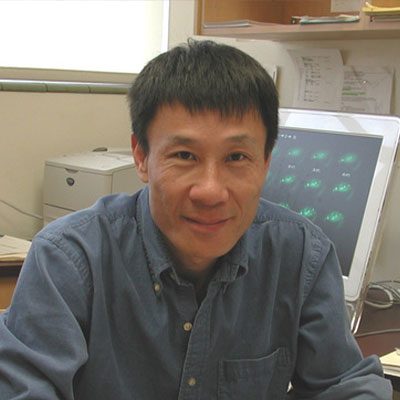
Diederik Keuskamp is an Assistant Professor in the Experimental and Computational Plant Development group within the Department of Biology at the Faculty of Science, Utrecht University. He also serves as the Phytotron Manager, overseeing critical plant growth facilities for experimental research. His academic appointments show progression from PhD candidate to his current faculty position with additional management responsibilities.
Dr. Keuskamp completed his PhD at Plant Ecophysiology, Utrecht University (2006-2011), with a thesis titled 'Shade Avoidance, How auxin controls photoreceptor-mediated shoot elongation.' His academic journey includes postdoctoral positions at Soil Quality (WUR, 2013-2015) and Plant Ecophysiology (UU, 2015-2018), and lecturing at the Institute for Interdisciplinary Studies (UvA, 2011-2013).
Keuskamp's research focuses on plant responses to light conditions, particularly shade avoidance mechanisms. His work integrates molecular, physiological, and computational approaches to understand how plants perceive competing light environments. Key areas include phytochrome and cryptochrome signaling pathways, auxin transport dynamics, and hormonal integration during plant development. His fingerprint analysis reveals strong connections to phytochrome biology (100%), shade avoidance (87%), and far-red light responses (77%), indicating a highly specialized research program with ecological relevance.
Analysis of Dr. Keuskamp's publication record shows consistent focus on plant photobiology with progression from molecular mechanisms to ecological implications. His early work established foundations in auxin transport (2010) and hormone interactions (2011), while recent publications (2016-2018) demonstrate expansion into computational approaches and wild plant studies, revealing an evolving research program that bridges molecular biology with ecological contexts.
As Phytotron Manager since 2018, Dr. Keuskamp provides essential infrastructure for plant growth experiments, supporting numerous research projects requiring controlled environmental conditions. His academic service includes invited talks on shade avoidance mechanisms dating back to 2009, demonstrating sustained expertise in his field.