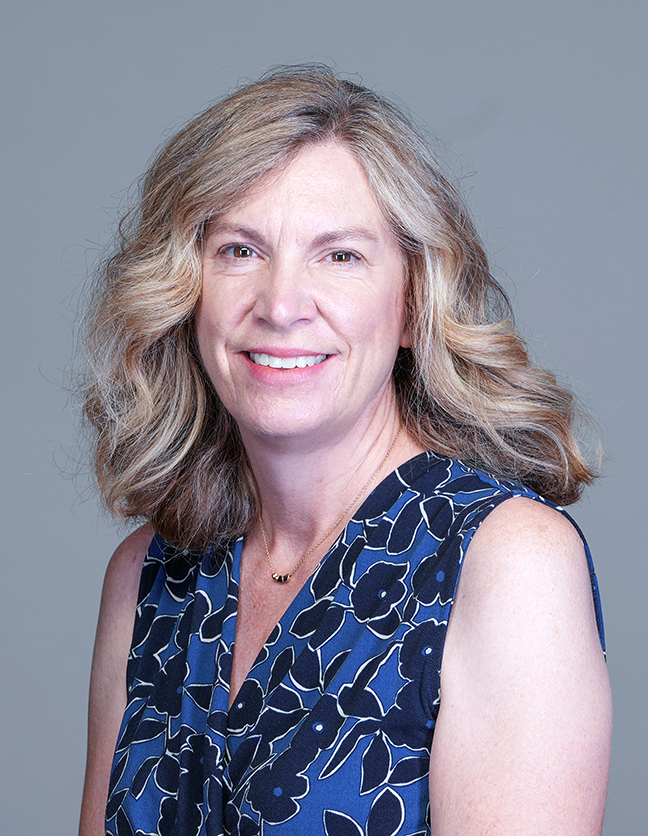
Prof. Andreas Bausch holds the Heinz Nixdorf Endowed Chair of Cell Biophysics at the Technical University of Munich (TUM) within the TUM School of Natural Sciences . His research focuses on cellular biophysics , particularly the mechanical properties of cytoskeletal networks and self-organization mechanisms in biological systems, with applications in biomimetic materials and organoid modeling. Research Areas : Cytoskeletal mechanics, active matter systems, organoid morphogenesis, integrin signaling, synthetic cell models Techniques : Microrheology, in vitro reconstitution, microfluidics, advanced imaging His work has produced over 100 publications in Nature, Science, PNAS , and Physical Review Letters , with recent emphasis on pancreatic cancer organoids and artificial cell membranes . Key findings include: Discovery of topological excitations governing endothelial cell ordering Elucidation of PIP2/PIP3 regulation in integrin phase separation Development of 3D patterned organoid systems for drug screening Major awards include: ERC Synergy Grant (2018) ERC Advanced Grant (2012) ERC Starting Grant (2011) Berlin-Brandenburg Academy of Sciences Prize (2014) He serves as founding director of the Center for Functional Protein Assemblies (CPA) since 2015 and teaches biomechanics , biophysics , and protein assemblies at TUM. His lab investigates both fundamental biophysical principles and their medical applications in cancer and cardiovascular systems.
Cecilia Leal is a Professor and Racheff Faculty Scholar in the Department of Materials Science and Engineering at the University of Illinois at Urbana-Champaign, with additional appointments at the Carle Illinois College of Medicine, Materials Research Laboratory, and Beckman Institute. Her interdisciplinary research program bridges materials science, biophysics, and medicine to develop innovative therapeutic delivery systems. Dr. Leal's research focuses on the self-organization of biomolecular systems, particularly lipid membranes, peptides, and nucleic acids. Her lab investigates how structural complexity of lipids and bio-membranes relates to disease mechanisms and informs the design of better gene and drug delivery systems. Key projects include developing lipid nanoparticles for mRNA delivery, studying polymer-lipid hybrid membranes, and characterizing lipid droplet dynamics in metabolic diseases. The lab employs advanced techniques including Small Angle X-ray Scattering, Cryo-EM, and live cell imaging. Her recent publications (2023-2025) reveal a strong emphasis on lipid-based delivery systems for mRNA therapeutics and cancer treatment, with particular attention to how nanostructure affects delivery efficiency. The research spans from fundamental biophysics of lipid-polymer interactions to applied therapeutic development, demonstrating consistent translation of basic science to medical applications. University of Illinois Provost's Distinguished Promotion to Full Professor Award (2024) University of Illinois Scholar (2023) NIH New Innovator Award (2016) NSF CAREER Award (2016) Racheff Faculty Scholar Award (2019) Dr. Leal has mentored numerous graduate students and postdocs, many now in prominent positions at MIT, Stanford, Dow Chemical, and pharmaceutical companies. Her research is supported by multiple NIH and NSF grants, and she maintains active collaborations with medical researchers studying obesity, cancer, and respiratory diseases. She teaches core courses including MSE 201 (Phases and Phase Relations) and MSE 473 (Biomolecular Materials Science), consistently earning excellent teaching ratings. The Leal Lab operates as an interdisciplinary team of materials scientists, physicists, and chemists using cutting-edge characterization tools to solve biomedical challenges. The lab's work on lipid nanoparticle structure has direct relevance to next-generation mRNA vaccines and cancer therapies, with several publications highlighted in C&EN News and other prominent scientific media.
Michael J. Ragusa is an Associate Professor of Chemistry at the Department of Chemistry, College of Arts and Sciences, Dartmouth College , specializing in molecular mechanisms of selective autophagy . His research integrates structural biology , biochemical reconstitution , and cell biology to understand how cells degrade toxic components like damaged organelles. Education: B.S. in Chemistry from Siena College, Ph.D. in Biochemistry from Brown University His work focuses on autophagy , particularly the role of Atg proteins in membrane tethering and cargo selection. His lab has published extensively on mitophagy , ALFY , and Atg11 , linking defects in these pathways to cancer , neurodegeneration , and infectious diseases . Recent studies highlight mechanisms of vesicle clustering and dimerization-dependent membrane interactions . Dr. Ragusa teaches courses such as CHEM 5: General Chemistry , CHEM 42: Biological Chemistry II , and CHEM 95.05: Protein Crystallography . His lab employs techniques like X-ray crystallography , NMR spectroscopy , and membrane reconstitution to dissect protein-lipid interactions.
David S. Cafiso is a Professor in the Department of Molecular Physiology and Biological Physics at the University of Virginia. His research focuses on the molecular mechanisms of membrane transport and cell signaling, utilizing advanced techniques such as EPR spectroscopy, high-resolution NMR, and solid-state NMR. He has made significant contributions to understanding membrane protein structure and function, particularly in relation to synaptic vesicle exocytosis and bacterial nutrient transport. Education: AB, PhD in Biophysics from the University of California, Berkeley; Postdoctoral training at UC Berkeley and Stanford University His research interests span Biochemistry, Biophysics, Structural Biology, Neuroscience, and Microbiology. Recent work highlights conformational dynamics in membrane proteins, lipid-protein interactions, and the role of electrostatics in signaling. Publications emphasize PIP2 regulation, C2 domain function, and TonB-dependent transport systems, with applications in both bacterial physiology and neurosecretion. Professor Cafiso's laboratory investigates two primary areas: (1) Membrane protein attachment mechanisms critical for cell signaling, and (2) Solute transport across lipid bilayers in gram-negative bacteria. His studies often integrate biochemical, structural, and biophysical approaches to probe dynamic processes in membrane biology.
Professor Aideen Sullivan is Head of the Department of Anatomy and Neuroscience at University College Cork (UCC). With a career spanning over two decades at UCC, she leads research on neuroprotective therapies for Parkinson's disease, focusing on growth factors, stem cell applications, and epigenetic mechanisms. She established Ireland's first BSc in Neuroscience and co-developed the cross-College BSc in Medical and Health Sciences (CK707). BSc (First Class Honours) in Pharmacology, University College Dublin (1992) PhD in Neuropharmacology, University of Cambridge (1995) Her research program investigates Parkinson's disease through five key themes: viral vector delivery of neurotrophic factors, molecular mechanisms of neuroprotection, biomarker discovery, neuronal degeneration models, and stem cell-based treatments. She has secured significant grants from Health Research Board, Enterprise Ireland, and the Wellcome Trust. Recent publications (2022-2020) emphasize epigenetic regulation (HDAC inhibitors), microbiome-gut-brain axis interactions, and novel neurotrophic strategies. Articles highlight GDF5's neuroprotective effects, miRNA modulation, and molecular pathways like BMP-Smad and p38-MAPK. Scientific awards include: Postgraduate Certificate in Teaching and Learning (UCC, 2006) FETAC Certificate in Peer-Mentoring (2010) Leadership Foundation Aurora Programme Scholarship (2015) Over €2 million in research grants She mentors undergraduate and postgraduate students, chairs UCC's Athena SWAN 'Flexible Working' group, and serves as Editor-in-Chief of Neuronal Signaling . Her work spans laboratory research, public engagement, and educational innovation.
Dr. Maria Harrison is the William H. Crocker Distinguished Professor at Cornell University's School of Integrative Plant Science and Adjunct Professor in Plant Pathology. Her research investigates arbuscular mycorrhizal symbioses, focusing on phosphate transfer mechanisms and plant defense biochemistry. Using model legumes and poplar trees, her lab studies fungal colonization, symbiotic gene regulation, and metabolic pathways for bioactive compounds. She was elected to the Royal Society in 2024, recognizing her contributions to plant-microbe interactions. Her publications reveal insights into lipid provisioning, kinase signaling in symbiosis, and development of plant biosensors. Research integrates molecular genetics, cell biology, and genomics to address nutrient acquisition challenges in agriculture.
Dr. Steven Kleinstein is the Anthony N. Brady Professor of Pathology at the Yale School of Medicine, with secondary appointments in Immunobiology and Biomedical Informatics. He is Co-Director of Graduate Studies in Computational Biology and Biomedical Informatics, and leads the Kleinstein Lab. His research focuses on computational immunology, integrating big data analysis with immunology to study immune responses, including B cell receptor (BCR) repertoire profiling via AIRR-seq and multi-omic studies of infection/vaccination responses. Dr. Kleinstein holds a BAS in Computer Science from the University of Pennsylvania (1994) and a PhD in Computer Science from Princeton (2002). He is a member of the Computational Biology and Bioinformatics Program and the Human and Translational Immunology Program. Education: B.A.S. in Computer Science, University of Pennsylvania, 1994 Ph.D. in Computer Science, Princeton University, 2002 Research Interests: His lab develops computational tools (e.g., Immcantation framework) for analyzing BCR repertoires and immune responses to pathogens like SARS-CoV-2, HIV, and influenza. Key projects include understanding germinal center B cell maturation, antibody specificity prediction via language models, and immune correlates of disease severity in hospitalized patients. Collaborations span clinical and basic science groups to apply these methods to autoimmune diseases, allergies, and cancer. Grants & Collaborations: Active in NIH/NIAID initiatives (e.g., HIPC, PRIME) and industry partnerships. Lab members collaborate with institutions globally on projects like the IMPACC study and malaria vaccine research. Labs/Teams: The Kleinstein Lab at Yale is part of the Center for Biomedical Data Science and the Yale Cancer Center, emphasizing computational and experimental immunology integration.
Professor Philip Taylor is a Professor of Translational Immunology in the Division of Infection and Immunity at Cardiff University's School of Medicine. He serves as PGR Lead for the Systems Immunity Research Institute and is a UK Dementia Research Institute Professor. His research focuses on the innate immune system, particularly macrophages, myeloid cell surface receptors, and the complement system. His educational background includes a PhD in Molecular Genetics from Imperial College London (1998) and a BSc in Human Genetics from University College London (1994). His career progression shows a strong trajectory in immunology research, with positions at Oxford University before joining Cardiff University. Professor Taylor's research interests center on macrophage biology, particularly their origins, development, renewal, and transcriptional control of cellular activation. More recently, he has developed a significant focus on microglia in dementia, especially Alzheimer's disease. He also has interests in developing technologies that promote the 3Rs (Replacement, Reduction, Refinement) in animal research while maintaining scientific excellence. His work heavily involves experimental murine models of disease and immunity with the ultimate goal of elucidating novel mechanisms to manipulate macrophage activity for beneficial outcomes in disease. His recent publications demonstrate a strong trend toward understanding the role of the immune system in neurodegenerative diseases, particularly Alzheimer's, while maintaining his foundational work on macrophage biology and pathogen recognition. The research spans multiple disciplines including immunology, neuroscience, cell biology, and genetics, with strong translational potential. Recipient of a Wellcome Trust Investigator Award (2016-2021) Recipient of a Medical Research Council Senior Fellowship (2007-2014) Awarded Research Lecturer status, Oxford University (2006) Recipient of a Wellcome Trust Research Career Development Fellowship (2003-2007) Awarded RSII status, Oxford University (2002) Recipient of Medical Research Council PhD studentship (1994) Professor Taylor leads the Myeloid Cell Biology Group at Cardiff University, which investigates macrophage biology in homeostasis and disease, as well as the role of microglia in dementia. His current grant funding includes an MRC UK Dementia Research Institute Programme Grant (2017-2023) worth £1.7M and a Wellcome Trust Investigator Award (2016-2021) worth £1.41M. His research group is actively involved in understanding how genes implicated in Alzheimer's disease impact microglial function, with the aim of inspiring novel therapeutic approaches. The Myeloid Cell Biology Group is investigating professional phagocytes (macrophages, dendritic cells, and neutrophils) and their diverse roles in development, host defense, inflammation, wound healing, and immune surveillance. The group focuses on fundamental aspects of phagocyte biology, including pathogen recognition receptors, downstream signaling, and cellular activation events, with the goal of manipulating cell behavior for therapeutic benefit.
Jose Ramon Bayascas Ramirez is an Associate Professor in the Department of Biochemistry and Molecular Biology at the Universitat Autònoma de Barcelona's Institute of Neuroscience. With a Ph.D. in Biological Sciences from the University of Barcelona (1998), he completed postdoctoral training at the University of Lleida (1998-2002) and University of Dundee, Scotland (2002-2007) before joining UAB in 2007 as a Ramon y Cajal Fellow, becoming a Serra Húnter Associate Professor in 2014. His research focuses on the neurodevelopmental functions of the $$\text{PDK1}$$ signaling network and its implications for neurodegenerative and mental illnesses. His laboratory specializes in the $$\text{PI3K}$$/$$\text{Akt}$$ signaling pathway, utilizing brain-specific conditional knock-in mice with engineered $$\text{PDK1}$$ mutations (K465E and L155E) to study how these affect neuronal development and disease processes. The K465E mutation selectively impairs $$\text{Akt}$$ activation, while the L155E mutation abolishes activation of most $$\text{PDK1}$$ effectors except $$\text{Akt}$$. His work has revealed that reduced $$\text{Akt}$$ activation in $$\text{PDK1}$$ K465E mice protects against neurodegenerative insults, while the exclusive $$\text{Akt}$$ activation in $$\text{PDK1}$$ L155E mice causes severe mental disorders resembling human schizophrenia. His recent publications span molecular insights into $$\text{PDK1}$$ structure, behavioral studies in Alzheimer's models, and investigations into lysine crotonylation and metabolic homeostasis. His research has been recognized with a Ramon y Cajal Fellowship, and he has led multiple research projects including: "Assaig de l'inhibidor d'$$\text{Akt}$$ MK-2206 pel tractament de la Malaltia d'Alzheimer" (2022-2023) "Implicació de la ruta de senyalització $$\text{PI3K}$$/$$\text{PDK1}$$/$$\text{Akt}$$ en la Malaltia d'Alzheimer" (2019-2022) "Participació de $$\text{PDK1}$$ en les respostes a $$\text{PI3K}$$ durant el desenvolupament neuronal" (2015-2018) His group has published 53 research outputs with significant citations, demonstrating impactful contributions to understanding the molecular mechanisms underlying brain pathology and potential therapeutic targets for neurodegenerative and mental disorders.
Satyanarayana Ande is an Associate Professor in the Department of Biochemistry and Molecular Biology at the Medical College of Georgia, Augusta University. He is a member of the Molecular Oncology and Biomarkers Program at the Georgia Cancer Center. His research focuses on liver cancer, cancer metabolism, and obesity-associated liver diseases. Dr. Ande earned his Ph.D. in Natural Sciences from Universität Hannover (2004), and holds an MS (Biotechnology, 1998) and BS (Biotechnology, 1996) from Nagarjuna University. Research Interests: His laboratory investigates novel cytokines and transcription factors in liver and adipose tissues, particularly their roles in hepatocellular carcinoma (HCC), metabolic adaptation of cancer cells, and obesity-induced non-alcoholic fatty liver disease (NAFLD). Techniques include RNAseq, Mass-Spec, and mouse models to study metabolic pathways and tumor suppression mechanisms. Recent work highlights NADP(P)H quinone dehydrogenase 1's role in HCC metabolic pathways and ZAG's promotion of adipose tissue browning. Service Contributions: Served on Augusta University's Faculty Rules and Responsibilities committee (2019–present), and contributed to the GCC-RIP Seminar Series (2019–2020). Courses taught include MEDI 6220 (Cardiopulmonary/Heme) and BIOM 8215 (Fundamentals of Oncology I). Laboratory: The Ande Lab is located at the Georgia Cancer Center's M. Bert Storey Research Building. Contact: sande@augusta.edu
Dr. Leah Chase-Wallar serves as Professor of Biology & Chemistry at Hope College since 2000, maintaining active research in the A. Paul Schaap Science Center with dual departmental affiliations in Chemistry and Biology. Her work bridges neurochemistry and molecular biology through investigations of oxidative stress mechanisms in neurodegenerative disorders. She earned her B.S. from the University of Michigan – Flint (1993) followed by a Ph.D. from the University of Minnesota (1999), establishing her foundation in biochemical neuroscience. Her research program centers on system x c - regulation, specifically examining how hydrogen peroxide modulates cystine/glutamate exchange to protect dopaminergic neurons in Parkinson's disease models. This involves advanced techniques including mammalian cell culture, immunocytochemical analysis, western blotting, and enzymatic assays for glutathione/peroxide measurement. Her publication trajectory (1994-2007) reveals evolving specialization: early comparative physiology work on reindeer nutrition transitioned into focused neuroscience research on glutamate transport systems, metabotropic receptor pharmacology, and neurotoxin mechanisms. The most recent publications demonstrate increasing emphasis on oxidative stress pathways relevant to Parkinson's disease. Dr. Chase-Wallar has secured substantial research funding including multiple Campbell Foundation grants (2001-2007), a Towsley Research Scholar award (2003-2006), and NSF support (2002-2003) for neuroscience laboratory development. Her Chase-Wallar Research Group actively involves undergraduate students in project design and execution within Hope College's Chemistry Department framework, with facilities in the A. Paul Schaap Science Center enabling cellular and molecular investigations of dopaminergic systems.
Kashif Mehmood is a Research Fellow in the Genetics Department at Yale School of Medicine, Yale University. His research focuses on virology, cell biology, and molecular mechanisms of viral entry and host-pathogen interactions. He investigates JC polyomavirus entry dynamics mediated by serotonin receptors, influenza hemagglutinin interactions with membrane lipids, and retromer-mediated transport pathways. Additionally, he explores microbial production of keratinase for sustainable waste management. His work bridges virology, neuroscience, and biotechnology, with implications for understanding viral pathogenesis and developing eco-friendly enzymatic solutions. Research interests include viral trafficking mechanisms, receptor-ligand interactions, lipid signaling, and industrial enzyme applications. Notable contributions address JC polyomavirus entry via serotonin receptors, influenza virus membrane fusion dynamics, and Bacillus velezensis-derived keratinase for keratin waste degradation.
Rutilio A. Fratti is a Professor of Biochemistry and Biophysics & Quantitative Biology at the University of Illinois, affiliated with the College of Liberal Arts & Sciences and the School of Molecular & Cellular Biology. His research focuses on protein-lipid interactions, membrane fusion, and lipid metabolism, particularly in the context of diseases like cancer, diabetes, and Alzheimer's. He earned his B.S. from California State University, Long Beach (1992), Ph.D. from the University of Michigan (2002), and completed postdoctoral work at Dartmouth Medical School (2002-2006). Key research interests include regulatory lipids (e.g., phosphatidic acid, phosphoinositides) and their roles in membrane microdomains, SNARE protein function, and drug discovery targeting fungal pathogens. His lab uses yeast vacuoles and synthetic vesicles to study lipid-protein interactions during membrane fusion. Publications highlight advancements in methods like Bio-Layer Interferometry, microscale thermophoresis, and spectroscopic techniques for studying lipid-protein interactions. Collaborations span drug discovery (e.g., SQ109 antifungal mechanisms) and mechanistic insights into Sec18 protein dynamics and Ypt7 regulation. Affiliated with the Center for Biophysics & Quantitative Biology, his work bridges fundamental lipid biology with translational applications in metabolic and infectious diseases.
Prof. Dr. Renu Batra-Safferling is a structural biology researcher at the Institute of Plant Biochemistry (IPB) within the Faculty of Mathematics and Natural Sciences at Heinrich Heine University Düsseldorf . Her work focuses on protein structure-function relationships through X-ray crystallography and biophysical analysis, particularly in signaling components of visual transduction pathways and LOV-family blue-light photoreceptors. Research Areas: Structural biology of signaling proteins, protein-ligand interactions, photoreceptor dynamics, and natively unfolded protein characterization. Techniques: X-ray crystallography, site-directed mutagenesis, transient/steady-state kinetics, dynamic light scattering, and CD spectroscopy. Her recent publications investigate phospholipase A mechanisms in Pseudomonas aeruginosa , LOV protein dark recovery kinetics, chemokine CCL16 dynamics, and arrestin activation via phosphorylated peptides. Collaborative work spans enzymology, photoreceptor biophysics, and protein aggregation studies. Students: Master student Lisa Jungbluth and Bachelor student Leon Hennecke Email: r.batra-safferling@fz-juelich.de
Juan Botas is a Professor at Baylor College of Medicine with joint appointments in the Department of Molecular and Human Genetics and Molecular & Cellular Biology . His research focuses on neurodegenerative disorders , particularly Huntington's, Parkinson's, and Alzheimer's diseases, using Drosophila and mice models to dissect molecular mechanisms and identify therapeutic targets. Botas's lab specializes in high-throughput genetic screens , integrating robotic instrumentation with multi-omics datasets to uncover gene networks driving pathogenesis. Key themes include proteolysis impairment , neuronal compensatory mechanisms , and cross-species validation for drug discovery. Their work has identified critical modifiers like TRIM28 and NUAK1 for tau and huntingtin toxicity. Recent publications highlight studies on glial gene regulation in Huntington's disease, APOE allele interactions in Alzheimer's, and lipid signaling pathways as therapeutic targets. The lab's interdisciplinary approach bridges computational analysis with in vivo models , emphasizing genome-scale screens and neuroprotective strategies .