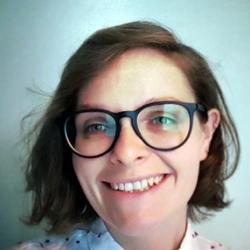
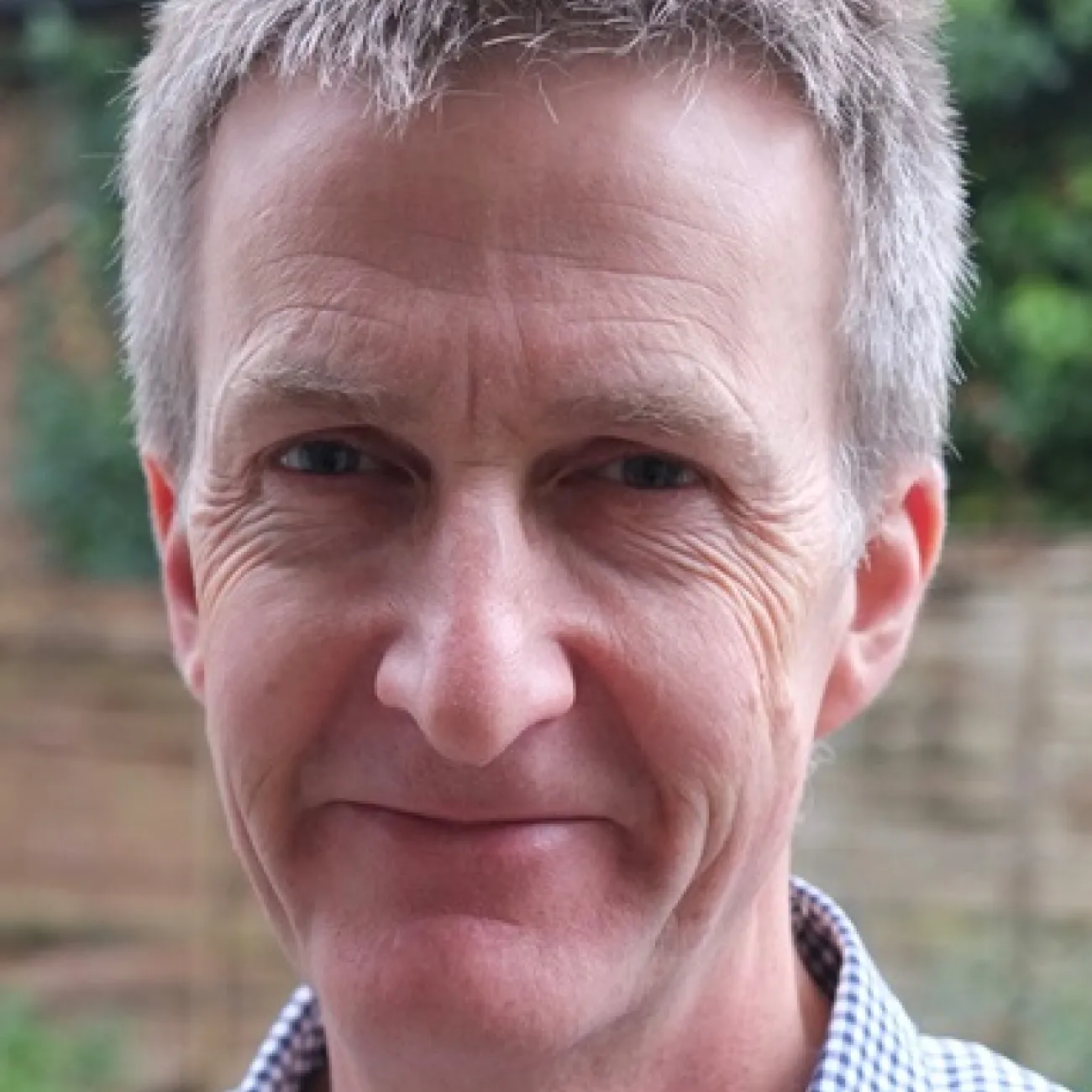
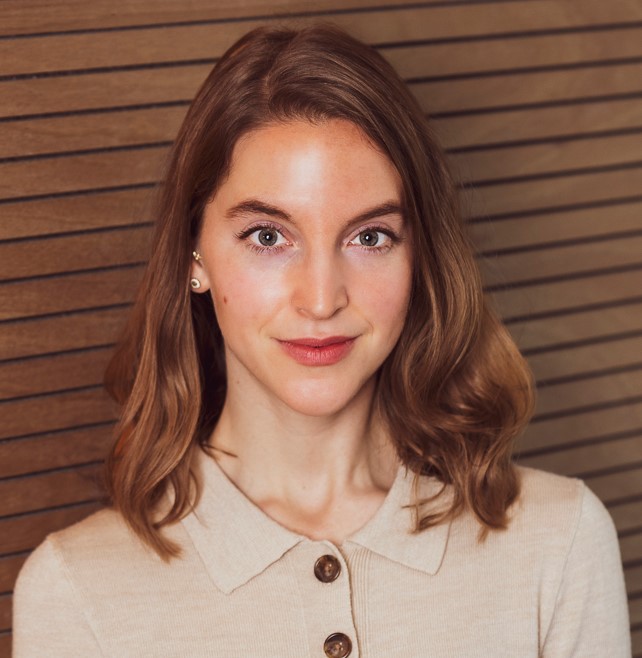
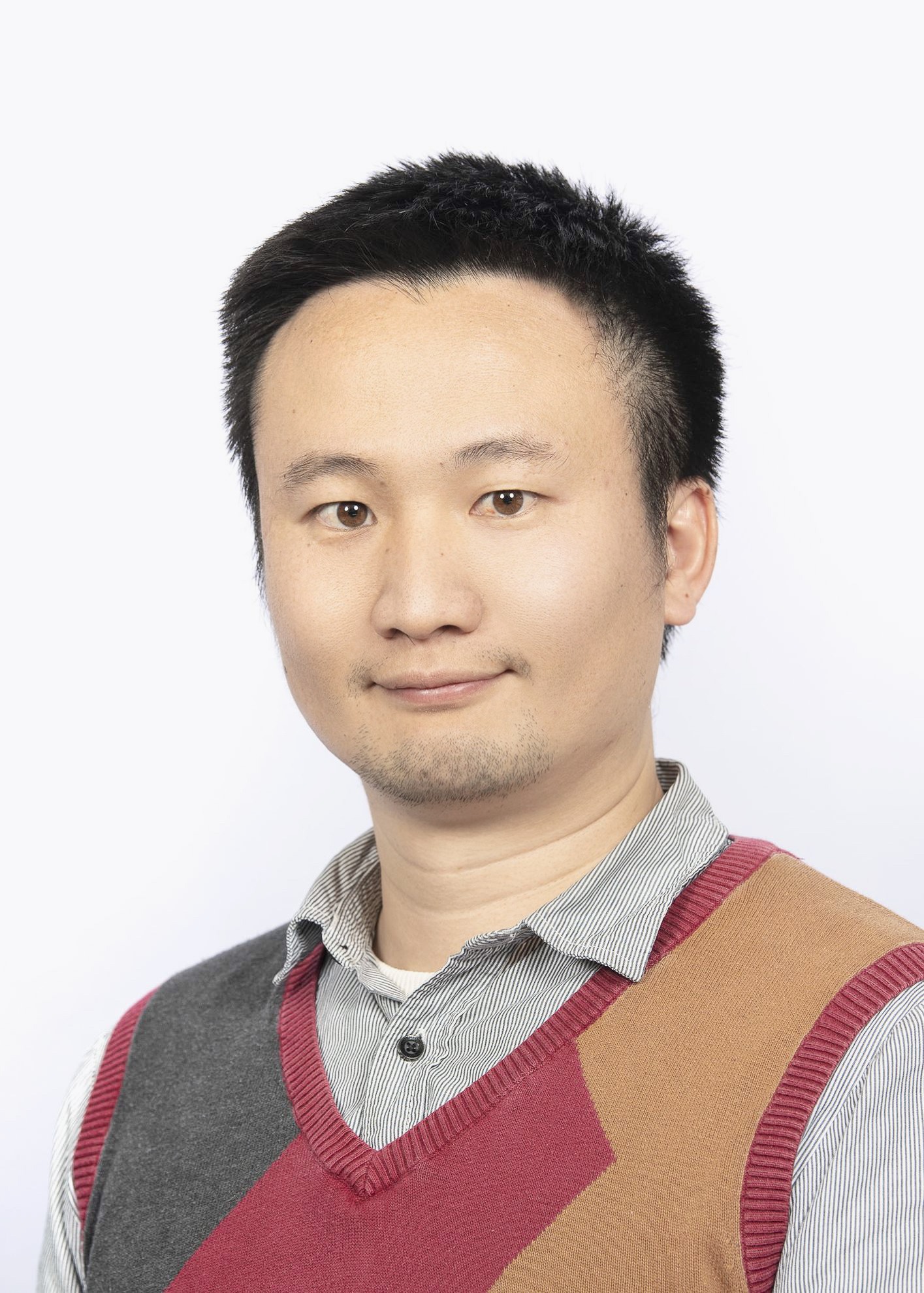
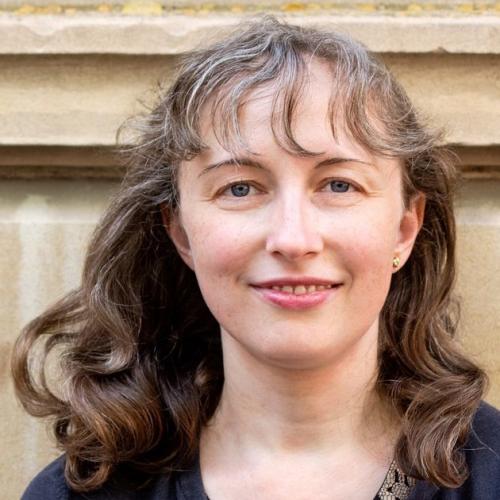
Ejung Moon is a Group Leader in Radiation Biology and the Tumour Microenvironment at the Department of Oncology, University of Oxford's Medical Sciences Division. Her research focuses on hypoxia-driven tumor progression and radiation response mechanisms. Education: PhD in Pharmacology and Cancer Biology from Duke University Training: Postdoctoral work with Amato Giaccia at Stanford University Research Interests: Elucidating how hypoxia-induced MAFF protein regulates tumor cell invasion, metastasis, and radiation resistance through antioxidant response pathways. Current work explores MAFF dimerization dynamics and metabolic reprogramming in hypoxic tumors. Scientific Contributions: Identified MAFF's role in radiation-induced antioxidant gene regulation (2021, Nature Communications ). Recent studies investigate iron metabolism's impact on FLASH radiotherapy effects. Scientific Awards: Breast Cancer Research Program (BCRP) predoctoral fellowship Laboratory & Collaborations: Moon Lab collaborates with Oxford Cancer and NHS Cancer and Haematology Centre. Key partnerships include Stanford University's radiobiology research groups.
Deborah Frances Smith is a Professor affiliated with the Centre for Immunology and Infection. She has held former roles including Head Of Department, Biology Pro-Vice-Chancellor for Research, and Special Adviser to the Vice Chancellor in the Vice Chancellor's Office. She is also associated with CNAP (Cancer and Neuroscience Academic Programme) and the Jack Birch Unit. Her research focuses on leishmaniasis, parasite biology, and drug/vaccine development. Key projects include leading the 'C2D2 research 1a & 2b' (2012–2012) to establish sandfly colonies for leishmaniasis studies and co-investigating an integrated crystallization facility (2013–2018). She secured the Wolfson Research merit Award (2009–2010) from the Royal Society. Her work spans academic leadership, collaborative research, and translational medicine targeting neglected tropical diseases.
Professor Rebecca Lawson is a Professor of Neuroscience and Computational Psychiatry at the University of Cambridge, affiliated with the Department of Psychology and Bye-Fellow at Peterhouse College. Her research focuses on understanding how humans learn to make predictions under uncertainty, with applications to mental health conditions such as anxiety and depression. She leads the Prediction and Learning (PaL) Lab, which combines computational modeling, neuroimaging (e.g., 7T MRI), and behavioral experiments to study cognitive processes in typical and atypical populations. Key research interests include computational psychiatry, autism spectrum disorders, neuroimaging techniques, and the neurochemical basis of learning mechanisms. She has received significant funding, including a £4.3m Wellcome Mental Health Award and the Sir Henry Dale Fellowship. Notable contributions include advancing theories of neural gain and sensory expectations in autism, as well as studies on uncertainty processing in anxiety and depression. Professor Lawson holds academic awards such as the BNPA Lishmann Prize and the BAP Psychopharmacology Award. She actively contributes to public engagement, including initiatives like Knit-a-Neuron and involvement with PrideinSTEM. Her lab collaborates internationally, with projects like the CamRAA study investigating autism-anxiety overlaps and the Chemical and Brain Basis of Uncertainty (CBBU) study exploring pharmacological interventions. Education: PhD in Cognitive Neuroscience (University of Cambridge), BA (Hons) Psychology & Philosophy (University of Glasgow). Grants: £4.3m Wellcome Award, Parke-Davis Fellowship, Lister Institute Prize. Labs/Teams: Principal Investigator of the PaL Lab; collaborations with MRC Cognition and Brain Sciences Unit, Yale University, and Brown University.
Bernadka Dubicka is a Clinical Professor and Honorary Clinical Chair in the Division of Neuroscience at the University of Manchester. She holds dual roles as a research lead at Pennine Care NHS Foundation Trust and as the child and adolescent mental health research lead for Health Innovation Manchester. She is the Editor-in-Chief of the Journal of Child and Adolescent Mental Health and previously served as Chair of the Child and Adolescent Faculty at the Royal College of Psychiatrists (2017–2021). Her academic qualifications include a BSc in Psychology and MBBs from University College London, followed by FRCPsych accreditation in child psychiatry. She earned a gold medal for her MD thesis on behavioral disorder implications in depression. Dubicka’s research focuses on adolescent depression, mood disorders, and brief interventions, including the IMPACT and STADIA trials evaluating psychological treatments and standardized diagnostic assessments. Her work also addresses technology’s role in youth mental health and the eco-crisis’s mental health impacts. Education: BSc Psychology, University College London MBBs, University of London MD Thesis (Gold Medal), University College London FRCPsych, Royal College of Psychiatrists Her research spans depression treatment efficacy, behavioral activation, and cross-national studies on pediatric bipolar disorder. She collaborates internationally and has led over 49 publications. Awards include a gold medal for her thesis and recognition as an RCPsych Fellow. Her work also emphasizes policy advocacy, such as addressing digital rights for children and mental health responses to climate change (e.g., COP26 contributions). She trains clinicians in brief psychosocial interventions and behavioral activation through academic programs and national courses. Grants & Funding: Co-investigator on the £1.1M HTA-funded STADIA trial evaluating remote mental health assessments. Principal investigator on the IMPACT trial, one of the largest adolescent depression trials globally. Labs/Teams: Collaborations include the University of Cambridge (IMPACT trial), University of Nottingham (STADIA), and international taskforces on treatment-resistant depression.
Professor Mark Coles serves as Professor of Immunology and Lead for Industrial Strategy and Entrepreneurship at the Kennedy Institute of Rheumatology, University of Oxford, holding concurrent roles as Kennedy Trust Senior Research Fellow, Official Fellow at Reuben College, and Affiliate Faculty at the Wolfson Centre of Mathematical Biology. His interdisciplinary work bridges immunology, computational modeling, and translational research to accelerate therapies for immune-mediated inflammatory diseases. His academic journey began with a BSc in Microbiology from Cornell University (1992), followed by a PhD in Molecular and Cell Biology at UC Berkeley under David Raulet, and postdoctoral training with Dimitris Kioussis at the National Institute of Medical Research. At the University of York (2006-2017), he pioneered stromal immunology research and co-founded the York Computational Immunology Laboratory. Coles' research centers on stromal and systems immunology, with core expertise in stromal cell biology, inflammatory disease mechanisms, and mathematical modeling of immune responses. He champions 3Rs-based approaches (Replacement, Reduction, Refinement) to reduce animal testing through in silico models, integrating spatial single-cell biology with multi-scale computational frameworks to dissect immune function in human tissues. His 2025 publications reveal a cohesive research trajectory applying interdisciplinary methods across diverse disease contexts—from cardiac fibrosis and vaccine responses to arthritis pathogenesis and CAR-T cell therapy—unified by focus on stromal-immune crosstalk and quantitative modeling to identify therapeutic targets. Key honors include: Fellow of the Royal Society of Biology Kennedy Trust Senior Research Fellow As former Director of Graduate Studies (2017-2024) at the Kennedy Institute, Coles mentored numerous graduate students while co-leading major initiatives including the Arthritis Therapy Acceleration Program and Human Cell Atlas medicalization. His entrepreneurial impact spans three co-founded ventures: Simomics Ltd (in silico disease modeling), Lightox Ltd (phototherapy for oral cancer), and Mestag Therapeutics (fibroblast-targeted therapies for cancer/inflammation). He directs the Laboratory of Stromal and Systems Immunology and Oxford Mathematical Immunology Group, fostering collaborations with Christopher Buckley, Calliope Dendrou, and Eamonn Gaffney to develop Quantitative Systems Pharmacology models that translate mechanistic insights into patient therapies.
Andrew Regan is a Senior Lecturer in the School of Chemistry at the University of Manchester, specializing in organic synthesis and drug discovery. He holds a B.A. (1981), M.A. (1985), and Ph.D. (1985) from the University of Cambridge. His career includes postdoctoral research at Columbia University and a lectureship at the University of Kent before joining Manchester in 1991. Research interests focus on synthesizing biologically active compounds, such as phosphinic acids for anticancer agents, and developing novel synthetic methods. His work contributes to drug discovery, green chemistry, and efficient chemical processes. He currently supervises two PhD students researching phosphinic acid analogues and simplified erythromycin analogues. Key achievements include the synthesis of epibatidine and advancements in macrolide antibiotic design. His research aligns with sustainable development goals through eco-friendly synthesis methods.
Professor Simon Fraser is a public health physician and academic at the University of Southampton , specializing in kidney disease and multimorbidity. His work integrates epidemiology, health literacy, and inequality analysis to address chronic disease burdens. Educational Background: BM (University of Southampton, 1992) MSc in Public Health DM (Doctor of Medicine, 2014) Research Focus: Fraser's research spans kidney disease , multimorbidity , treatment burden , and health inequalities . Recent projects include the NURTuRE-CKD HRQoL Study and MELD-B , examining determinants of chronic disease progression and intervention design. Academic Contributions: His publications from 2024-2025 emphasize electronic health records for multimorbidity analysis, neonatal risk factors for adult comorbidity, and deprescribing strategies for older adults. Collaborations include NIHR Applied Research Collaboration Wessex and Kidney Research UK. Scientific Recognition: Fellow of the Faculty of Public Health (FFPH) Member of the Royal College of General Practitioners (MRCGP) Fellow of the Higher Education Academy (FHEA) Mentorship: Current PhD students include Emilia Mary Holland and Keegan Guan Ru Lee . He co-leads projects with leading researchers in public health and nephrology.
Tim Jenkinson is a Professor of Finance at the Saïd Business School, University of Oxford. He holds dual roles as a Professorial Fellow at Keble College and a Research Associate at the European Corporate Governance Institute. His expertise spans private equity, IPOs, and institutional asset management, with a focus on empirical research leveraging unique industry data. Education: B.A. in Economics from the University of Cambridge, Thouron Fellowship at the University of Pennsylvania, DPhil in Economics from the University of Oxford. Research Interests : Tim’s work examines private equity performance persistence, IPO pricing dynamics, and regulatory impacts on financial markets. His studies have been published in top journals like Journal of Financial Economics and Management Science . Key Contributions : Director of the Oxford Private Equity Institute, founder of the Private Equity Research Consortium, and frequent keynote speaker at global finance events. His research has won major awards, including the Harry Markowitz Prize (2016) and Commonfund Prize (2015). Engagement & Teaching : Teaches entrepreneurial finance to MBA/EMBA students and runs the Oxford Private Equity Programme. Recognized with the 2014 'Best Elective Teacher' award. Also serves on valuation committees for Schroder British Opportunities Trust and Oxford University Endowment Management. Professional Roles : Partner at Oxera (economic consultancy), former UK Treasury Select Committee advisor, and expert witness in high-profile litigation. His work bridges academia and practice, influencing policy and industry standards. Labs & Initiatives : Leads the Oxford Private Equity Institute and collaborates with the Oxford-Hyundai Motor Group Foresight Centre. Active in shaping future research through the Private Equity Research Consortium.
Professor Wolfgang Wüster is a Professor in Zoology (Molecular Ecology) at Bangor University's School of Environmental and Natural Sciences. His research focuses on evolutionary biology, snake systematics, and venom toxicology, using snakes as model systems. He teaches courses in zoology and herpetology, including Arizona fieldwork and advanced herpetology modules. Education: PhD in Systematics of Asian cobras from the University of Aberdeen (1990). His research interests include the evolution of venom composition, species delimitation in snake complexes, warning signals, biogeography, and conservation genomics. He supervises postgraduate students in topics like European viper conservation and snake systematics. Recent publications highlight his work on snake venoms, taxonomy, and the impacts of climate change on reptile species. He collaborates globally, contributing to antivenom efficacy studies and venom evolution research. Professor Wüster has been involved in projects such as genomic studies of adders and the phylogeography of vipers. His work bridges molecular ecology with conservation, emphasizing practical applications in biodiversity preservation.
Professor Guy Williams is a leading academic at the University of Cambridge with a focus on imaging science and clinical neurosciences, affiliated with Downing College and the Wolfson Brain Imaging Centre . Holding a PhD in Physics from his initial Natural Sciences degree, he specializes in nuclear magnetic resonance (NMR) and MRI techniques for brain imaging. Education: BA, PhD in Physics His research centers on non-invasive imaging of brain structure and function, particularly in traumatic brain injury (TBI) and dementia. His work involves developing novel MRI pulse sequences and advanced data analysis algorithms, including AI-based diagnostic tools. He leads studies on white matter integrity post-trauma, longitudinal dementia assessment, and applications of MRI in disorders of consciousness and addiction. Recent publications highlight collaborations in traumatic brain injury outcomes, AI-guided dementia prediction, and neuroimaging of post-COVID cognitive deficits. His team's work on ultra-high field laminar fMRI and distortion correction methods has advanced clinical neuroscience applications. Key techniques include diffusion tensor imaging (DTI), 7 Tesla MRI, and positron emission tomography (PET/MR). His research spans from basic NMR physics to clinical translation, with a strong emphasis on multi-site studies and real-world diagnostic implementation.
Colin J Akerman is Professor of Neuroscience and Group Leader in the Department of Pharmacology at the University of Oxford, concurrently serving as Corange Fellow and Medical Tutor at Corpus Christi College. His research investigates fundamental mechanisms of synaptic circuit formation and plasticity, with direct implications for epilepsy, dementia, and schizophrenia through multidisciplinary approaches integrating electrophysiology, optical imaging, and computational modeling. His primary research interests encompass Synaptic Plasticity, Neural Circuit Formation, and Excitatory-Inhibitory Balance, with specific focus on neuronal progenitor influences on connectivity, chloride dynamics in inhibitory transmission, and learning mechanisms in disease contexts. The lab employs custom-built equipment and molecular tools to probe synaptic function across in vivo , in vitro , and in silico platforms, emphasizing how activity-dependent processes shape neural networks during development and disease. Recent publications (2023-2025) reveal strong thematic convergence on intracellular chloride regulation in sleep-wake cycles, cortical circuit assembly from embryonic progenitors, and innovative optical tools for neural monitoring. This work bridges molecular neuroscience with systems-level understanding of synaptic plasticity, particularly regarding ionic mechanisms in epilepsy and sleep homeostasis. No scientific awards or fellowships are explicitly documented in the source materials. Professor Akerman currently mentors four PhD students (Vourvoukelis, Selfe, Wang, Gemayel) and multiple postdoctoral researchers, having previously trained scientists now leading independent groups in Toronto, Edinburgh, Cape Town, Oxford, and London. His research is funded by the European Research Council, Innovative Medicines Initiative, and Wellcome Trust, supporting investigations into synaptic mechanisms underlying neurological disorders. The Akerman Group, established in 2008, operates as an integrative neuroscience hub within Oxford's Pharmacology Department. The 10-member team combines expertise in patch-clamp electrophysiology, optogenetics, multiphoton imaging, and computational modeling, with current projects spanning neuronal progenitor biology, inhibitory synaptic plasticity, and learning rule implementation in neural networks. The lab emphasizes technical innovation, regularly developing custom instrumentation and molecular tools for neural observation and manipulation.
Dr Dawn Elizabeth Cavanagh is a Researcher at Manchester Metropolitan University, affiliated with the Faculty of Health and Education. Her work focuses on healthcare equity for individuals with intellectual disabilities and autism, particularly addressing systemic issues like restrictive practices and long-term segregation. She holds a PhD from the University of South Wales, where her research explored annual health checks and self-management for people with learning disabilities. Dr Cavanagh’s research has included NIHR-funded studies on psychotropic medication decision-making and the impact of the pandemic on people with learning disabilities. She is currently evaluating the HOPE(S) Programme to End Long-Term Segregation, focusing on mothers of children detained in secure hospitals. Her advocacy extends to campaigning against institutional segregation through initiatives like Stolen Lives Wales and her role as a trustee of the Paul Ridd Foundation. Her research interests intersect personal advocacy, as she is autistic and the parent of an adult son with multiple disabilities whose experiences informed her work. She co-chaired the 2023 RRN conference and has been recognized with awards for her contributions to restraint reduction and disability advocacy. Education: PhD in Intellectual Disability Healthcare (University of South Wales) Dr Cavanagh’s articles emphasize ethical healthcare practices, policy reform, and co-produced solutions for marginalized groups. Her work bridges academic research with grassroots advocacy, aiming to dismantle systemic barriers in healthcare access and institutional care. Awards: Restraint Reduction Network’s 2024 Outstanding Contribution Award, Cardiff Parents’ Federation 2024 Trustee Award She collaborates with organizations like the Rightful Lives Team and leads Stolen Lives Wales, advocating for systemic change in healthcare provision for vulnerable populations.
Dr. Camilla Nord serves as Assistant Professor of Cognitive Neuroscience at the University of Cambridge's Department of Psychiatry and is Programme Leader at the MRC Cognition and Brain Sciences Unit. She holds dual appointments as Co-Director of Postgraduate Education & Director of the MPhil in Cognitive Neuroscience at the MRC CBU, and as Fellow and Director of Studies at Christ's College Cambridge. Nord directs the Mental Health Neuroscience Lab (nordlab.co.uk), which focuses on translating neuroscience into improved mental health treatments through innovative pharmacological, psychological, and neurostimulation interventions. Her research spans three interconnected streams: Discovery Science investigates brain-body interactions including interoception, circadian rhythms, and metabolism as neglected sources of mental health information; Experimental Medicine employs pharmacological manipulation, brain stimulation, and psychological interventions to establish causal relationships between physiological mechanisms and mental health conditions; and Translational Neuroscience develops clinical trials for neuroscience-based interventions, particularly 'acute augmentations' that enhance psychological therapy efficacy. Her lab has demonstrated how gut states cause disgust avoidance and how psychological therapy techniques alter negative learning processes. Analysis of Nord's publication record reveals a strong emphasis on computational approaches to mental health, with particular focus on depression treatment mechanisms. Her work increasingly integrates brain-body interactions, especially gut-brain and metabolic pathways, into mental health frameworks. Recent publications show growing emphasis on patient-centered research, interoception, and transdiagnostic approaches that cut across traditional psychiatric categories. Wellcome Career Development Award (£1.5 million) Wellcome Mental Health Award (£4.3 million, jointly awarded with Prof. Sarah Garfinkel) Sunday Times Book of the Year (2023) for 'The Balanced Brain: The Science of Mental Health' Financial Times Book of the Year (2023) for 'The Balanced Brain: The Science of Mental Health' Nord actively mentors PhD students and postdoctoral researchers, with her trainees receiving prestigious awards including the British Association of Psychopharmacology (BAP) Poster Prize, BAP Hannah Steinberg Bursary, and Alwyn Lishman Prize. Her lab is currently funded by MRC intramural funding, a Wellcome Career Development Award, and a Wellcome Mental Health Award, supporting innovative research at the intersection of neuroscience and mental health treatment. The Mental Health Neuroscience Lab operates within the MRC Cognition and Brain Sciences Unit, collaborating extensively with researchers across Cambridge and internationally. The lab maintains strong connections with clinical services and patient groups, ensuring research remains grounded in real-world mental health challenges. Current work focuses on transcranial ultrasound stimulation, gut-brain axis interventions, and computational modeling of mental health mechanisms.
Zaiqiao Meng is a Lecturer (Assistant Professor) at the University of Glasgow's School of Computing Science, affiliated with the Information Retrieval Group and IDA section. He also holds an Affiliated Lecturer position at the University of Cambridge's Language Technology Lab. His research focuses on the intersection of machine learning, knowledge graphs, and NLP, particularly in biomedical applications. Key areas include AI agents, large language models, and healthcare informatics. Current roles include co-leading the Glasgow AI4BioMed Lab, which develops AI solutions for biomedical knowledge extraction. He has extensive postdoctoral and visiting research experience, including at KAUST's MINE lab. Meng has published widely in top conferences like ACL and EMNLP, with over 40 publications since 2019. His work spans topics such as drug-target interaction prediction, clinical summarization, and knowledge graph construction. Teaching includes courses on Recommender Systems and Data Science at both undergraduate and graduate levels. He advises multiple PhD students on projects involving LLMs, biomedical entity representation, and conversational agents.
Professor Mary Augusta Brazelton is a Professor at the University of Cambridge's Department of History and Philosophy of Science and a Fellow of Jesus College. She serves as Director of Studies in Natural Sciences (History and Philosophy of Science) at Jesus College (on leave 2024-2025). Her academic work focuses on the history of science and medicine in modern China, with particular attention to global health, transportation technologies, and the intersection of science and state power. Education: BA (Harvard), MPhil and PhD (Yale). Awards include the 2020 Student-led Teaching Award and the 2019 Zhu Kezhen Senior Award. She is also a Trustee and Research Fellow of the Needham Research Institute and a Council member of the American Association for the History of Medicine. Her research explores topics such as mass vaccination policies in 20th-century China, Sino-French scientific collaborations, and the history of penicillin development. Current projects include studies on the Sino-French Institute in Lyon and transnational histories of civil aviation. Publications include Mass Vaccination: Citizens' Bodies and State Power in Modern China (2019) and China in Global Health: Past and Present (2023). She actively contributes to academic discussions through media engagements and international conferences.