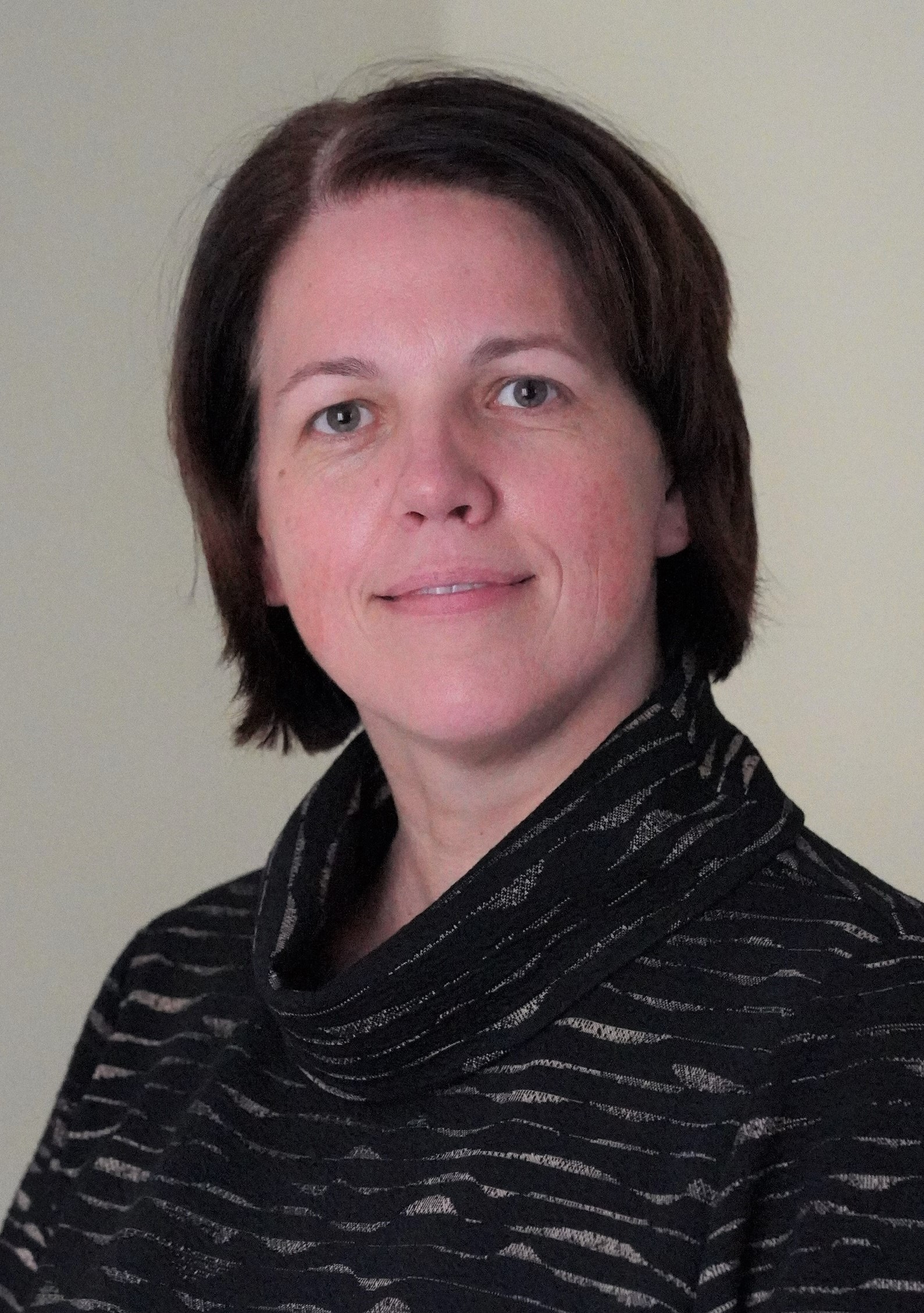
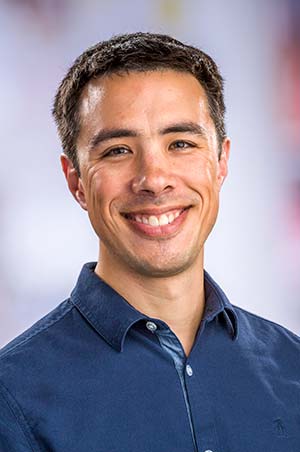
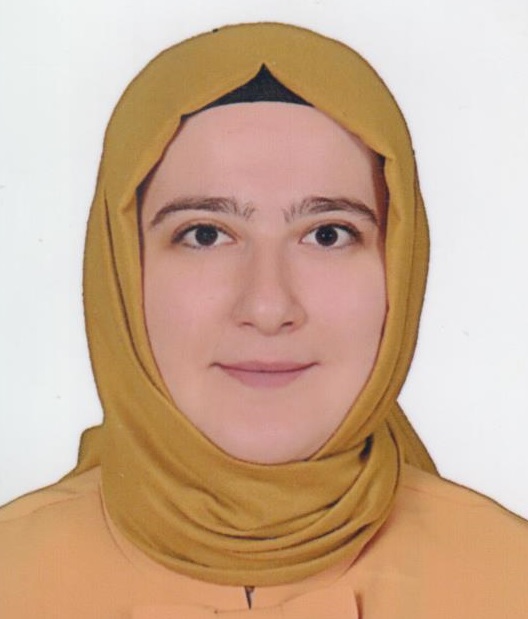
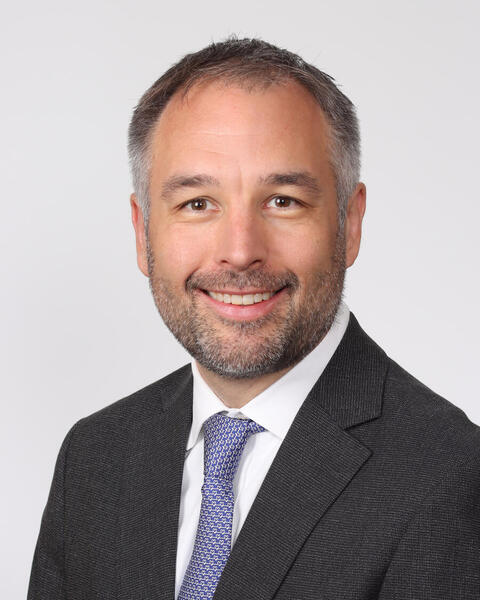
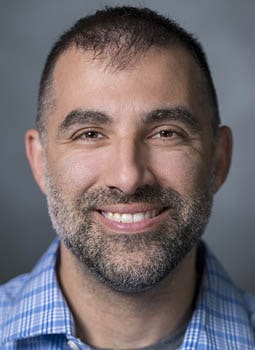
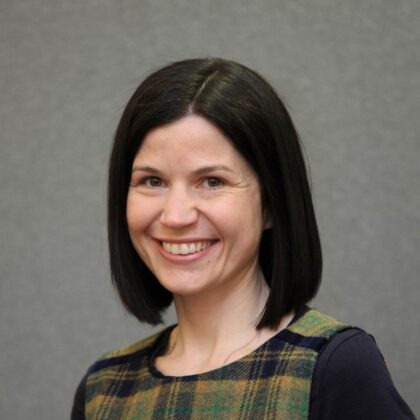
John Tansey serves as Professor and Department Chair in the Department of Chemistry at Otterbein University, where he has been a faculty member since 2002. His teaching portfolio spans General Chemistry, Survey of Organic and Biochemistry, Advanced Biochemistry, and cross-disciplinary courses in Nursing, Integrative Studies, and Honors programs. His academic credentials include: B.S. in Biochemistry and Molecular Biology from the University of Massachusetts Ph.D. in Biochemistry from Wake Forest University Postdoctoral fellowship at the National Institutes of Health under Dr. Dean (Constantine) Londos Dr. Tansey's research centers on the molecular mechanisms of PAT proteins in lipid storage and disease pathogenesis, with perilipin 5 as a primary model system. His laboratory employs biochemical, cellular, and structural approaches to investigate protein-lipid interactions, cellular trafficking, and metabolic regulation. Notably, all research is conducted exclusively with undergraduate students , providing exceptional hands-on training that has resulted in numerous national and international conference presentations. Recent publication trends (2022-2025) reveal dual research trajectories: (1) deep molecular characterization of perilipin 5 including hydrophobic cleft analysis, splice variants, and cellular trafficking mechanisms; and (2) innovative biochemistry education research focusing on AI-assisted learning tools, accreditation standards, and science communication training. This unique combination bridges fundamental biochemical research with pedagogical advancement. Recognition for his contributions includes: Best New Teacher Award (2004) Dr. Tansey has mentored dozens of undergraduate researchers and previously directed the Biochemistry and Molecular Biology interdisciplinary program. His leadership in the American Society for Biochemistry and Molecular Biology (ASBMB) includes accreditation program development and student chapter mentorship. Sustained research productivity indicates successful grant acquisition supporting undergraduate research experiences. The Tansey laboratory operates as an undergraduate research incubator, with projects directly tied to understanding lipid storage disorders. His work extends through the Otterbein ASBMB Student Chapter, which conducts community outreach and professional development activities while contributing to national biochemistry education initiatives.
Nikesha J. Gilmore, Ph.D., is an Assistant Professor in the Department of Surgery, Cancer Control division, at the University of Rochester School of Medicine & Dentistry. Her work is centered on improving outcomes for older adults with cancer through research in geriatric oncology, survivorship, and health disparities. She holds a Ph.D. and M.S. in Pathology from the University of Rochester School of Medicine & Dentistry, and a B.S. in Biology from Lincoln University. Dr. Gilmore's research focuses on aging-related challenges in cancer care, including frailty, inflammation, cognitive and physical function, quality of life, and the impact of social support. She investigates how geriatric assessments can guide clinical decisions and improve communication between patients, caregivers, and oncologists. Her work also examines racial, ethnic, and socioeconomic disparities in cancer outcomes among older adults, particularly in underserved regions like the Deep South. Her recent publications reveal a strong emphasis on longitudinal studies, biomarker analysis (e.g., IL-6, epigenetic clocks), and interventions such as exercise and yoga to mitigate treatment side effects. She frequently contributes to high-impact journals and collaborates with national leaders in geriatric oncology. Dr. Gilmore has no listed scientific awards in the provided text. She actively contributes to patient care improvement through research on caregiver burden, polypharmacy, stigmatizing language, and geriatric assessment implementation in community oncology settings. While no specific grants are mentioned, her extensive publication record in major trials (e.g., GAP70+) suggests significant research funding and leadership. She is involved in collaborative research teams focused on geriatric oncology, cancer disparities, and survivorship, often working within the National Cancer Institute Community Oncology Research Program (NCORP).
Manuel Reinhard is a Research Associate at Helmut Schmidt University / University of the Federal Armed Forces Hamburg, affiliated with the Professorship Transformation of Governance in Education and Society since 2020. His research focuses on the sociology of the future, particularly examining the interplay between future imaginaries, anticipatory governance, and political practices in 21st-century Western societies. Education: PhD in Philosophy, Technical University of Darmstadt (2013-2016) Magister Artium in Philosophy, Psychology and Pedagogy, University of Trier (2007-2012) Research Interests: Reinhard's work bridges social theory, political governance, and science/technology studies. His current habilitation project investigates 'Strategic Foresight by Federal Agencies' through ethnographic studies of German defense, climate, and financial policy institutions. Key themes include future-making practices, epistemic cultures of foresight, and the ethics of anticipation in governance systems. Publications: His scholarly output spans sociology of the future, educational technology critique, and philosophical deconstruction. Recent works demonstrate strong focus on speculative societies, predictive governance frameworks, and critical analyses of digital education tools. Collaborative publications with the UNBLACK THE BOX initiative examine transparency and ethics in educational algorithms. Awards & Honors: PhD Scholarship, German Research Foundation (2013-2016) Visiting Scholarship, Harvard University (2014-2015) Visiting Fellowship, University of Cambridge (2014-2015) Undergraduate Scholarship, German Academic Scholarship Foundation (2011-2012) Academic Activities: Reinhard teaches seminars on cultural sociology, qualitative research methods, and classical sociological texts at Helmut Schmidt University. He holds memberships in the German Sociological Association, World Future Studies Federation, and serves on the board of the 'Knowledge Cultures' section at the German Cultural Studies Association.
Professor Sara Elizabeth Mole is a distinguished Professor of Molecular Cell Biology at University College London's Genetics & Genomic Medicine Department within the Great Ormond Street Institute of Child Health. With over three decades of academic experience since joining UCL in 1992, she has established herself as an international authority in the field of neuronal ceroid lipofuscinoses (NCL), commonly known as Batten disease. In addition to her research leadership, Professor Mole serves as UCL's Envoy for Gender Equality and Chair of Advance HE Athena Swan Governance Committee, demonstrating her commitment to both scientific advancement and institutional equity. Professor Mole received her academic training at prestigious UK institutions: Bachelor of Arts (Honours) in Natural Sciences (Biological) from University of Cambridge (1983) Master of Arts from University of Cambridge (1987) Doctor of Philosophy from Imperial College of Science, Technology and Medicine (1986) Professor Mole has developed an international reputation in translational disease research for the neuronal ceroid lipofuscinoses (NCL), a family of inherited pediatric neurodegenerative lysosomal storage diseases. Her research focuses on delineating the genetics and biology of these conditions to open new avenues for therapeutic development while also providing insights into more common neurodegenerative conditions and fundamental cellular biology. She has pioneered the use of the model organism fission yeast Schizosaccharomyces pombe for lysosomal disease research and maintains the NCL Resource website containing the comprehensive NCL gene mutation database. Her laboratory investigates the molecular and cellular mechanisms underlying Batten disease, with particular emphasis on CLN3, CLN6, and CLN7 genes. Current projects include developing novel biosensors to measure ions in intracellular compartments, identifying functional complexity of transcripts from disease genes, and conducting high-throughput screening to identify small molecules that can restore cellular defects associated with NCL gene mutations. Her team is actively working to translate these findings into potential gene and small molecule therapies for these devastating childhood conditions. Professor Mole's recent publications demonstrate a strategic evolution in her research program, moving from fundamental genetic characterization toward therapeutic development and implementation. Her work increasingly integrates multi-omics approaches with cellular and animal models to understand disease mechanisms at molecular resolution. Notably, there's a growing emphasis on translational applications, including drug repurposing (particularly tamoxifen), nanocarrier delivery systems, and AAV gene therapy approaches. Her 2022-2025 publications reveal expanding interests in real-world data applications for rare diseases, patient and family impact studies, and addressing sex bias in Batten disease research, reflecting a more holistic approach to rare disease investigation that bridges laboratory science with clinical and societal considerations. Professor Mole's significant contributions to science and academia have been recognized through numerous prestigious awards: UCL Provost's Award for Excellence (2018) - specifically for Equality, Diversity, and Inclusion Athena SWAN Gold Award (2016) - first UCL department to achieve this distinction UCL Provost's Award for Public Engagement (Senior Staff) (2012-2013) Batten Disease Family Association Board of Trustees Award Athena SWAN Silver Award (2009) - first UCL department to achieve this Professor Mole has mentored numerous PhD students and postdoctoral researchers throughout her career, with many alumni now holding significant positions in academia, industry, and healthcare. Her laboratory has been consistently supported by major funding bodies including the Medical Research Council, European Union (through FP6, FP7, and H2020 BATCure consortium), Wellcome Trust, Children's Brain Disease Foundation USA, Biomarin, and the Batten Disease Family Association. As coordinator of the €6M H2020 BATCure consortium (2016-2019), she led a multinational effort involving 14 European partners focused on developing treatments for Batten disease. Her grant portfolio reflects a strategic approach spanning basic science, translational research, and clinical implementation, with increasing emphasis on collaborative, multi-institutional projects addressing the complex challenges of rare disease research and treatment development. Professor Mole leads the Mole Lab at UCL's Great Ormond Street Institute of Child Health, which focuses on neurodegenerative diseases affecting children, particularly lysosomal disorders and Batten disease. Her team employs a multidisciplinary approach combining molecular genetics, cell biology, and model organism research (notably using fission yeast Schizosaccharomyces pombe as a tractable cell model). The lab maintains strong collaborative networks both within UCL (including with Paul Gissen, Wendy Heywood, and Mina Ryten) and with external partners across Europe and the US. Professor Mole also coordinates the international BATCure consortium and leads the NCL Mutation Database curation effort, creating a global resource for researchers and clinicians working on these rare disorders.
Assoc. Prof. Dr. Naz Berfu Akbaş serves as an Associate Professor in the Department of Psychiatry at Yeditepe University Faculty of Medicine, Istanbul. With over 18 years of academic service since her 2006 appointment, she maintains active roles in clinical psychiatry, research, and medical education while holding concurrent hospital positions at Kadıköy Şifa and Istanbul Medipol Hospitals. Academic Background: M.D. from Marmara University Faculty of Medicine (English Program), 1990-1996 Psychiatry Specialization at Istanbul University Cerrahpasa Faculty of Medicine, 1997-2002 (Thesis: Depression Symptoms and Relation With Lesion Laterality in Mesial Temporal Lobe Epilepsy Patients With Hippocampal Sclerosis ) Research Focus: Dr. Akbaş's work bridges clinical psychiatry with physical medicine, emphasizing mood disorders in neurological/cardiovascular contexts, sexual dysfunction etiology and treatment, and psychosomatic interfaces . Her neuropsychiatric research explores depression-epilepsy relationships and cardiac-psychiatric comorbidities, while sexual medicine studies investigate vaginismus, dyspareunia, and medication-induced sexual side effects. Methodologically, she integrates psychometric validation, clinical trials, and cross-cultural epidemiological approaches. Publication Trends: Recent publications (2010-2018) demonstrate evolving specialization toward digital psychiatry (suicidal ideation detection algorithms), reproductive psychopharmacology (antidepressant effects on bone/semen parameters), and culture-specific mental health (post-career motherhood experiences in Turkish upper-middle-class women). Over 60% of her SCI-indexed work examines psychiatric manifestations in physical illnesses, reflecting her psychosomatic medicine expertise. Awards & Recognition: Özenli Türkçe Dalında Birincilik Ödülü (Elegant Turkish Category First Prize) from Turkish Neurology Association Research Award from Turkish Endocrinology and Metabolism Association for bone turnover/depression study Mentorship & Funding: Currently supervising three master's theses on sexual satisfaction, vaginismus, and perfectionism dynamics. Serves as consultant for TÜBİTAK-funded project investigating CXCR4 receptor levels in depression patients' T lymphocytes. Regularly teaches 8+ English-taught psychiatry courses including Anxiety Disorders, Mood Disorders, and Sexual Function Disorders. Her CETAD board membership since 2011 underscores leadership in sexual therapy education. Professional Integration: Maintains dual clinical-academic practice through Turkish Psychiatric Association membership (since 2002) and active hospital affiliations, ensuring research remains grounded in real-world patient care challenges across neurological, cardiovascular, and reproductive health domains.
Dr. Virginija Klimukienė is an Assistant Professor at Vilnius University's Faculty of Philosophy, Institute of Psychology, with research focusing on criminal behavior, risk assessment, and psychological interventions for adolescents. Her work bridges forensic psychology and developmental studies, emphasizing correctional treatment and identity formation. Institution: Vilnius University - Institute of Psychology Ranks: Assistant Professor Research Themes: Virginija investigates risk and protective factors in juvenile delinquency, correctional treatment methodologies, and the psychological impacts of incarceration on emerging adults. Her studies often apply tools like START:AV and OASys for assessing criminal risk and prison misconduct. Recent Publications: Her 2025 articles examine psychometric properties of risk assessment tools, identity formation in incarcerated youth, and trauma-informed practices. Earlier works (2012–2024) analyze cognitive-behavioral programs (EQUIP), triarchic psychopathy models, and predictive validity of correctional instruments. Projects: She leads the Research Council of Lithuania-funded post-doctoral project (2022–2024) on criminal risk predictors and participates in ERASMUS+ mental health initiatives. University budget projects focus on stress coping mechanisms and psychological disorder interventions. Professional Involvement: Member of Lithuanian Psychological Association (LPS) since 2016, chairing the Group of HEI psychologists from 2022. Active in European Association of Psychology and Law (EAPL), International Association of Forensic Mental Health Services (IAFMHS), and ISSBD conferences.
Dr. Robert Bradley is a Professor and Scientific Director of the Translational Data Science Integrated Research Center (TDS IRC) at Fred Hutchinson Cancer Center. He holds the McIlwain Family Endowed Chair in Data Science and has appointments in both the Herbold Computational Biology Program (Public Health Sciences Division) and Basic Sciences Division. Education: PhD in Biophysics (2008), University of California, Berkeley AB in Physics with Highest Honors (2004), Princeton University His research focuses on the intersection of cancer biology , cancer-immune interactions , and RNA processing , with a particular emphasis on splicing factor mutations and isoform-level genetic screens. The lab employs functional genomics , mouse modeling , computational/statistical analysis , and RNA biochemistry to uncover molecular mechanisms of cancer progression and therapy response. Recent publications highlight trends in alternative polyadenylation , RNA splicing dysregulation , immunotherapy resistance , CRISPR screening , and computational modeling of RNA processing in cancer. Awards & Recognition: While no personal accolades are listed, his lab members have received notable honors including: James Thomas - NCI K99 Award (2022) Jacob Polaski - Edward P. Evans Foundation Young Investigator Award (2020) Guo-Liang Chew - Cancer Science Institute of Singapore Special Fellow (2020) Advising & Collaborations: The Bradley Lab actively trains graduate students from the University of Washington's Molecular & Cellular Biology Program , Department of Genome Sciences , Medical Scientist Training Program , and Institute for Public Health Genetics . The lab utilizes experimental and computational approaches , with resources like pgFARM (paired guide RNA libraries) and plasmid repositories at Addgene. Labs & Teams: The lab is located at Fred Hutchinson Cancer Center in Seattle, Washington, and collaborates with the Translational Data Science IRC. Their work has revealed novel mechanisms in splicing factor mutations , poison exon regulation , and RNA surveillance pathways that impact cancer growth and immune evasion.
Elmas Nur İbaoğlu is a Research Assistant in the Department of Special Education at Gaziantep University's Faculty of Education. Her academic work focuses on mental disability education, autism spectrum disorders, and psychological aspects of internet addiction among students. She actively contributes to research in inclusive education practices and mental health challenges within educational settings. Doctorate in Special Education (ongoing), Necmettin Erbakan University Master's in Guidance and Psychological Counseling (2020-2023), Necmettin Erbakan University Bachelor's in Guidance and Psychological Counseling (2017-2019), Necmettin Erbakan University Her research interests center on special education methodologies for mentally disabled individuals, with significant contributions to autism spectrum disorder research. She investigates psychological phenomena including internet addiction, hopelessness, and psychological rigidity among university students and adolescents. Her work examines the relationship between digital behaviors and mental health outcomes, particularly focusing on gaming disorders and emotional regulation challenges in educational contexts. Analysis of her recent publications reveals a strong focus on practical applications in inclusive classrooms, with particular attention to teacher perspectives and student outcomes. Her research spans autism education, mental health assessment in educational settings, and digital behavior patterns among youth. The interdisciplinary nature of her work bridges special education, clinical psychology, and educational technology. Her academic contributions include multiple book chapters and peer-reviewed articles examining teacher practices in special education settings, psychological challenges among student populations, and the impact of digital behaviors on mental health. Her conference presentations consistently address practical applications of research findings in educational environments. Dr. İbaoğlu collaborates extensively with researchers including Traş Zelİha, Sari Hakan, and Yakıcı Hikmet Beyza on projects related to special education practices and student mental health. Her work demonstrates commitment to improving educational outcomes for students with special needs through evidence-based practices and comprehensive psychological support systems.
Joseph J. Maleszewski, M.D. is a Professor of Laboratory Medicine and Pathology and Professor of Medicine at Mayo Clinic College of Medicine in Rochester, Minnesota. He serves as a Consultant in the Division of Anatomic Pathology, Department of Laboratory Medicine and Pathology, with additional joint appointments in the Division of Clinical Biochemistry & Immunology, Department of Medical Genetics, and Department of Cardiovascular Medicine. Dr. Maleszewski's educational background includes: Fellow in Molecular Genetic Pathology, Mayo School of Graduate Medical Education, Mayo Clinic College of Medicine (2014) Fellow in Cardiovascular Pathology, Mayo School of Graduate Medical Education, Mayo Clinic College of Medicine (2010) Resident in Anatomic & Clinical Pathology, The Johns Hopkins University School of Medicine (2009) MD, College of Human Medicine, Michigan State University (2005) BS in Physiology with a Specialization in Health and Humanities, Lyman Briggs School, Michigan State University (2001) His primary research focuses on acquired and congenital forms of heart disease, with special expertise in neoplastic heart disease as well as the genetics and proteomics of both cardiomyopathies and aortic disease. Dr. Maleszewski studies the molecular mechanisms involved in the formation of heart tumors, proteomics and histopathologic risk stratification in cardiac amyloidosis, genetic and phenotypic features of various cardiomyopathies, pathobiology of spontaneous coronary artery disease, and genotype-phenotype correlations of inherited aortic diseases. His work also encompasses molecular markers of pulmonary vascular disease and classification of congenital heart disease. Dr. Maleszewski's publications demonstrate a consistent focus on cardiovascular pathology, particularly in cardiac tumors, amyloidosis, aortic valve disease, and cardiomyopathies. His research often involves multidisciplinary collaborations and contributes to clinical guidelines, as evidenced by his involvement in international consensus statements on bicuspid aortic valve classification and aortic pathology. His scientific achievements have been recognized with numerous awards: 2024 Early Career Award from Mayo Clinic Alumni Association 2024 Dean's Distinguished Service Award from Mayo Clinic Alix School of Medicine 2019 Outstanding Physician Educator from Mayo Clinic School of Health Sciences 2018 Top 100 "Power List" from The Pathologist Multiple Young Investigators Awards from the Society for Cardiovascular Pathology Dr. Maleszewski has held significant leadership positions including President of the Society for Cardiovascular Pathology (2023-2025), Chair of the Mayo Clinic Alix School of Medicine Academic Affairs Executive Committee, and Co-Medical Director of the Mayo Clinic Tissue Registry. He previously served as Program Director for the Mayo School of Graduate Medical Education (2014-2024) and Medical Director of the Mayo Clinic Pathologists' Assistant Internship Program.
Damon Lipinski serves as an Associate Professor in the Department of Pediatrics at the University of Arkansas for Medical Sciences College of Medicine, specializing in Pediatric Psychology. He practices as a Pediatric Neuropsychologist and Concussion Specialist at the UAMS/ACH Centers for Children/Schmieding Developmental Center in Lowell, Arkansas, providing clinical services for neurodevelopmental and neurobehavioral conditions. His research focuses on two primary domains: Behavioral Addictions: Examining gambling-alcohol interactions, mood-cue reactivity, and expectancy mechanisms Concussion Management: Evaluating telehealth delivery, neurocognitive testing validity, and adolescent care models Analysis of his 2007-2025 publications reveals consistent investigation into the biopsychosocial mechanisms linking addictive behaviors and cognitive functioning. His gambling research demonstrates how winning/losing sequences modulate alcohol cravings, while concussion work establishes evidence for telehealth equivalence in therapeutic alliance and validates serial neurocognitive assessment protocols. Dr. Lipinski collaborates within multidisciplinary frameworks, notably contributing to pharmacogenomics integration in neurodevelopmental disorder management through team-based consultation models at specialized pediatric centers.
Brad Leshinske is a faculty member at Saint Xavier University within the School of Nursing and Health Sciences , serving as Divisional Director of the Health Sciences Division. He coordinates the Exercise Science and Sports and Fitness Administration programs and has taught courses ranging from introductory exercise science to advanced strength and conditioning theory. Education: Ph.D. and M.S. in Health Science from Rocky Mountain University of Health Professions; B.S. in Exercise Science from North Park University. Leshinske specializes in Sports Science , focusing on Strength and Conditioning , Human Performance , and Functional Movement Screen (FMS) applications in youth and high school athletics. His recent research explores periodization models, load management, and data-driven readiness assessments for athletes. Notable scientific awards include the Merit Award Winner for Teaching in 2021. He actively contributes to professional organizations, such as the National Strength and Conditioning Association and the International Youth Conditioning Association, and has delivered numerous presentations on sports performance and program design.
Juan Carlos de la Cruz Márquez serves as a Professor in the Department of Physical Education and Sports at the Faculty of Sports Sciences, University of Granada. His office is located at Building D, Office 3.3 on the Carretera de Alfacar campus (18071 Granada), with active tutoring hours maintained throughout both academic semesters: Tuesdays/Thursdays 12:30-15:00 and Fridays 10:00-13:00 (first semester); Tuesdays/Thursdays 10:00-14:00 (second semester). His research portfolio spans critical domains in sports science, characterized by three interconnected pillars: youth athlete development (particularly soccer and basketball), environmental impacts on performance, and neurological rehabilitation applications. Key investigations include longitudinal monitoring of body composition changes in young football players, particulate pollution effects on youth soccer cardiorespiratory function, and dual-task training interventions for multiple sclerosis patients. His work consistently bridges laboratory-based physiological assessments with real-world sports applications, emphasizing practical health outcomes through studies on swimming federation health initiatives, parent-child physical activity programs, and nutritional supplementation effects. Analysis of his 15 most recent publications (2021-2025) reveals evolving methodological sophistication—from randomized controlled trials examining capsaicin derivatives' metabolic effects to biomechanical analyses of jump asymmetry reliability—while maintaining consistent focus on vulnerable populations (youth athletes, neurological patients) and environmental stressors. Notably, his research increasingly integrates public health frameworks, as seen in cross-national analyses of swimming federations' health promotion roles. No scientific awards were documented in the available materials. Professor de la Cruz Márquez maintains active student mentorship through structured weekly tutoring totaling 9 hours in the first semester and 8 hours in the second semester. His advising approach emphasizes direct in-person engagement at his campus office, reflecting commitment to individualized academic support within the Physical Education and Sports curriculum. While specific grant funding isn't detailed in the provided text, his extensive publication record across diverse sports medicine domains indicates sustained research activity.
Victoria Pitt is a Senior Lecturer at the University of Newcastle's School of Nursing and Midwifery, where she serves as Head of Discipline Nursing and former Bachelor of Nursing Program Convenor (2014-2020). With a 15-year clinical background in oncology, haematology, and palliative care, she transitioned to academic work in 2006, focusing on nursing education research. Specializes in student retention, critical thinking development, and cultural competence in nursing Led curriculum reforms through evidence-based teaching strategies Currently developing virtual patient systems with Hunter New England Health and University of South Australia Her research portfolio spans clinical simulation, empathic concern programs, and planetary health integration in nursing education. She supervises PhD candidates in topics ranging from perioperative care to endometrial cancer patient experiences. 2017 Award: School Collaboration and Engagement Excellence Grants: Travel funding for nurse education conferences in 2010-2011 As a thought leader in nurse education, Pitt combines her clinical expertise with rigorous academic research to address global nursing workforce challenges through curriculum innovation and student support structures.
Milica M. Popovic serves as Associate Professor in the Department of Biochemistry at the University of Belgrade's Faculty of Chemistry, where she has maintained continuous academic service since 2008, progressing from Teaching Assistant through multiple ranks to her current position. Her institutional leadership spans research project direction, course instruction in specialized biochemical disciplines, and membership on the Faculty's Self-Evaluation Commission since 2023. Her academic foundation includes: Undergraduate studies in Chemical Sciences (2001-2007) at University of Belgrade, Faculty of Chemistry Doctorate in Chemical Sciences (2007-2012) at same institution Dr. Popovic's research program centers on extracellular vesicles as diagnostic and therapeutic vehicles, with emphasis on heterologous protein production systems and recombinant antibody applications for pathological conditions. Her work bridges cancer diagnostics development and food allergen characterization, particularly regarding kiwifruit and banana sources. This interdisciplinary approach integrates biochemical engineering with clinical translation efforts. Publication analysis reveals dominant themes in extracellular vesicle isolation techniques and diagnostic applications, with significant contributions to plant allergen immunology and stress biomarker identification in forestry. Her recent work demonstrates increasing focus on scalable vesicle purification methods and therapeutic carrier development within personalized medicine frameworks. Her scientific recognition includes: FEBS Collaborative Experimental Fellowship for Central and Eastern Europe (2010) Poster Presentation Award at the 30th Congress of the European Academy of Allergy and Clinical Immunology, Istanbul (2011) FEBS Collaborative Experimental Fellowship for Central and Eastern Europe (2012) Postdoctoral Scholarship from Serbia's Ministry of Education, Science and Technological Development (2014) Research funding leadership encompasses current projects RESCALE-EV (2023-2026, Science Fund of Serbia) improving vesicle purification scalability, and Horizon Europe's EXPAND-EV (2025-2028) advancing vesicles in personalized medicine. Past projects include COST Actions on glycosystems and allergy risk assessment, plus national initiatives on recombinant nanobodies for exosome targeting. Her teaching portfolio features advanced courses including Extracellular Vesicle Methodologies and Protein Therapeutics with Bioinformatics. She maintains active scientific engagement through membership in the Biochemical Society of Serbia (since 2011), Serbian Society of Cancer Researchers (since 2018), and Serbian Society for Extracellular Vesicles (since 2021), contributing to national research communities while directing institutional quality assurance processes.
Professor Joanne McPeake is Professor of Nursing in the Department of Public Health and Primary Care at the University of Cambridge and Cambridge University Hospitals NHS Foundation Trust. With a clinical background in critical care nursing, she leads a research program focused on improving outcomes for critically unwell patients, particularly examining how social inequalities influence healthcare access and recovery trajectories. She serves as Clinical Chair of the James Lind Alliance Research Priority Partnership for Sepsis, driving national research agenda-setting through patient-clinician collaboration. Her research spans critical illness recovery, social determinants of health, and sepsis care, employing mixed-methods approaches and electronic health record analyses. Current work investigates ICU survivor reconnection, family caregiver outcomes, rehabilitation interventions, and healthcare disparities. She examines how socioeconomic factors shape recovery pathways and develops personalized medicine approaches for post-ICU care, with significant emphasis on electronic health record utilization for population-level insights. Recent publications reveal strong thematic focus on ICU recovery program development, sepsis research prioritization, and social determinants of health integration. Her work increasingly combines qualitative insights with big data analytics to address health inequities, particularly examining driving behavior post-illness, mental health outcomes, and rehabilitation barriers in diverse populations. Methodologically, she advances scoping reviews, mixed-methods designs, and priority-setting partnerships. Scientific recognition includes: Chief Scientist Office (Scotland) Clinical Academic Fellowship THIS Institute Post-Doctoral Fellowship Professor McPeake coordinates the Mixed Methods module for the MPhil in Population Health Sciences and actively supports academic development of nurses, midwives, and allied health professionals at Cambridge University Hospitals. Her fellowship awards facilitated transition to independent research, while current leadership roles demonstrate significant grant capture and program development capabilities in critical care recovery science.