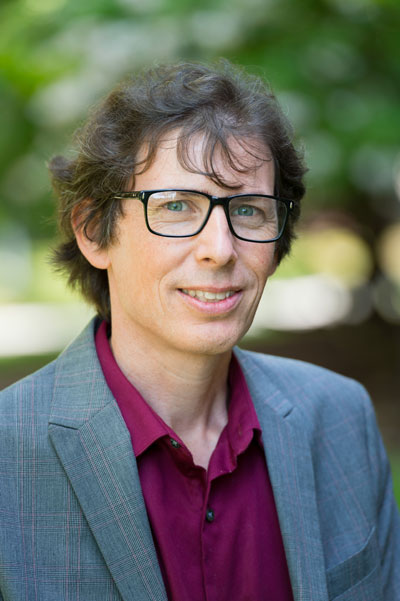
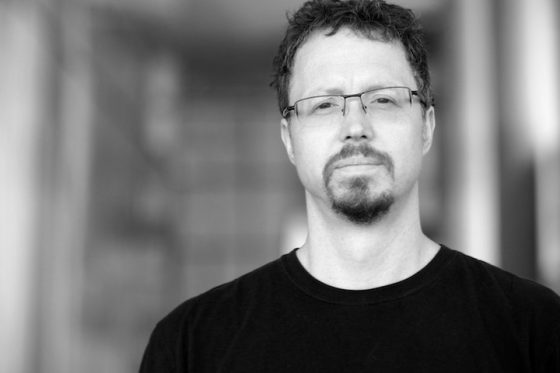
Steven Rogak is a Professor in the Department of Mechanical Engineering at the University of British Columbia's Faculty of Applied Science. He holds a P.Eng. license and degrees including a B.A.Sc. in Mechanical Engineering from UBC, and M.Sc. and Ph.D. from Caltech. P.Eng., University of British Columbia B.A.Sc., University of British Columbia M.Sc., Ph.D., California Institute of Technology His research focuses on aerosol science, particularly solid nanoparticles from combustion processes, their climate and health impacts, and mitigation strategies. Key areas include: Soot morphology and transport properties Engine emission reduction via fuel injectors Indoor air filtration systems Membrane-based energy exchangers Atmospheric particulate analysis The 15 most recent articles span experimental and theoretical studies on soot characterization, membrane technologies, and aerosol dynamics, with applications in climate modeling, healthcare ventilation, and sustainable materials. Collaborations include Westport Innovations and interdisciplinary teams. Rogak leads the Aerosol Laboratory at UBC, where he applies fluid mechanics and heat transfer fundamentals to address environmental and health challenges. He emphasizes experimental rigor and welcomes graduate students with expertise in these areas.
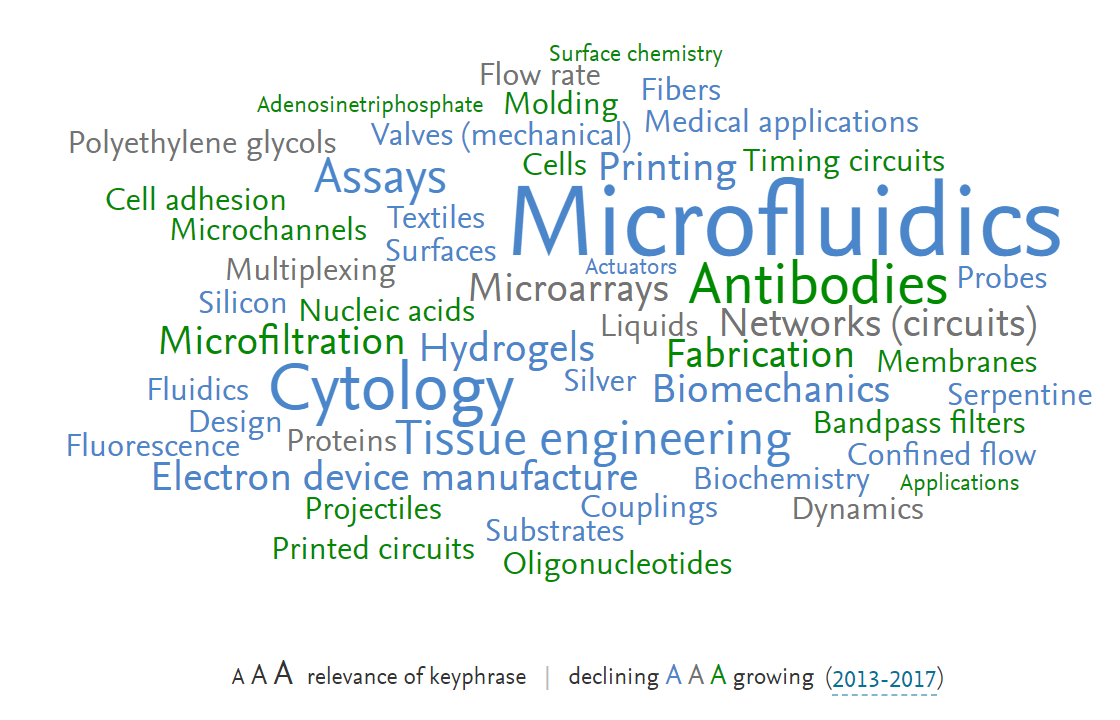
David Juncker is a Professor and Department Chair of the Department of Biomedical Engineering at McGill University. He serves as a Principal Investigator at the McGill University & Genome Quebec Innovation Centre and holds associate memberships in the Department of Neurology and Neurosurgery, Department of Electrical and Computer Engineering, Division of Experimental Medicine, Department of Surgery, and Goodman Cancer Research Centre. His research focuses on micro- and nano-bioengineering technologies for bioanalysis, precision medicine, and organs-on-chips. Key areas include microfluidics, lab-on-a-chip devices, biomedical sensors, medical diagnostics, biomaterials, tissue engineering, and cancer biomarker discovery. His lab develops scalable antibody microarrays, self-powered diagnostic platforms, microfluidic probes for brain tissue perfusion, and nanogradients for neuronal navigation, with applications in cancer diagnostics, global health, and neuroscience. Recent publications (2023-2025) reveal strong emphasis on extracellular vesicle analysis, single-cell proteomics, 3D-printed microfluidic/organ-on-a-chip systems, and capillary-driven circuits. Key trends include low-cost point-of-care diagnostics, advanced circulating tumor cell isolation methods, and biomimetic synthetic vesicles for drug delivery, demonstrating translational potential in early disease detection. Dr. Juncker leads a highly interdisciplinary team comprising undergraduate and graduate students, post-doctoral fellows, and staff from diverse scientific, engineering, and cultural backgrounds. His lab actively recruits Canadian/permanent resident graduate students for projects on single extracellular vesicle and protein detection in cancer and infectious diseases, leveraging microfluidics and wearables for biomarker discovery. The Juncker Lab operates from the McGill University & Genome Quebec Innovation Centre (740 Dr. Penfield Avenue, Room 6206). It maintains a collaborative, multicultural environment focused on developing transformative micro- and nano-bioengineering technologies with significant potential impact on human health diagnostics and treatment.
David Latulippe is a Professor in the Department of Chemical Engineering at McMaster University. He joined McMaster in 2012 after postdoctoral work at Cornell University and a PhD at Penn State University, focusing on membrane filtration for DNA purification. His industrial experience includes roles at ZENON Environmental (now GE Water) in hollow-fiber membrane design for water treatment. Research interests include Membrane science and technology Bioprocessing of therapeutic viruses Microscale systems for biological applications Environmental engineering solutions for water treatment Current projects involve collaborations with industry partners like Ceapro and Aevitas, and the development of a biomanufacturing automation lab with Sartorius. Recent publications highlight advancements in Nanofiltration and microfiltration for viral vectors Conductive membranes for electrochemical applications Microfluidic systems for DNA analysis Environmental monitoring of biocides and microplastics Scientific recognition includes the Young Membrane Scientist Award (2014). Teaching activities focus on Fluid Mechanics (CHEMENG 2O04) and Industrial Separation Processes (CHEMENG 4M03).
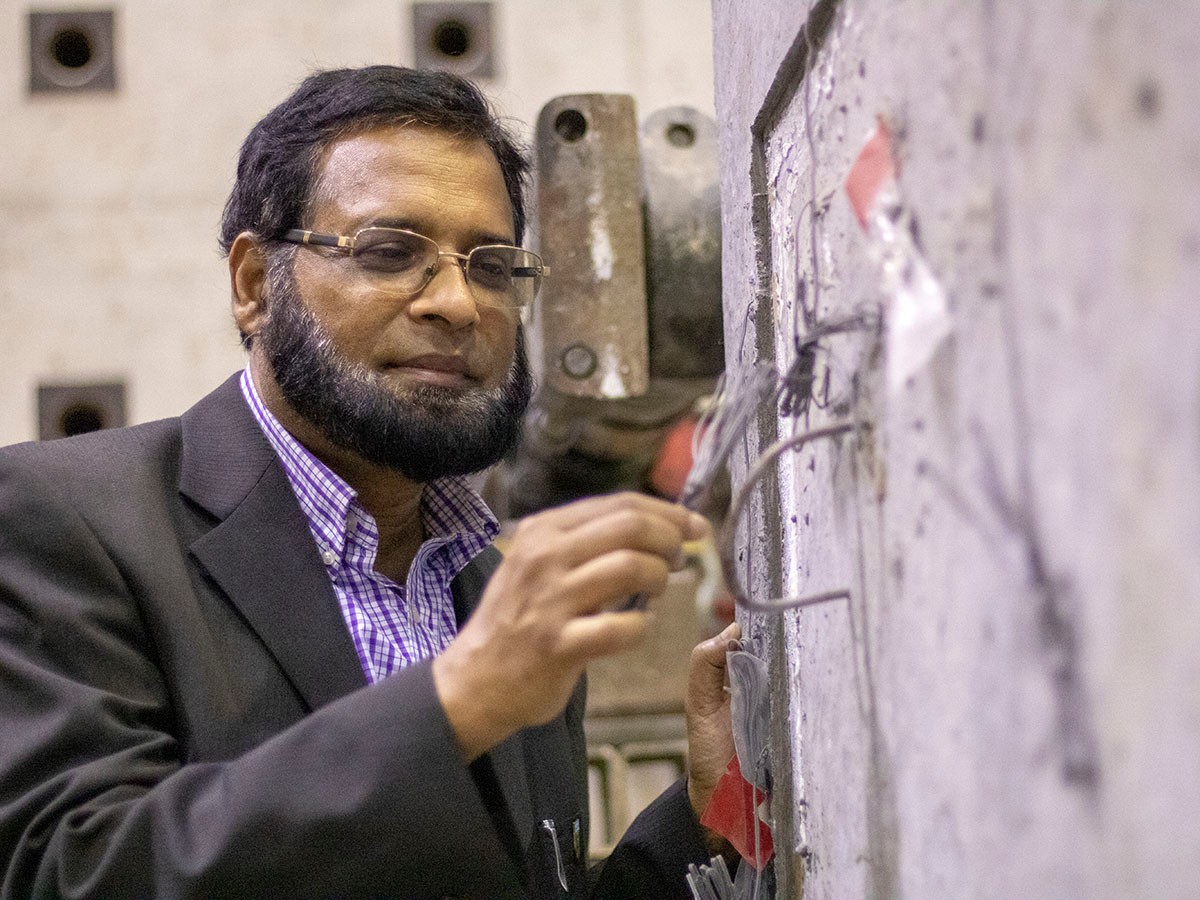
Dr. Khandaker M. Anwar Hossain is a Professor in the Department of Civil Engineering at Toronto Metropolitan University, specializing in sustainable construction materials and smart structural systems. His research focuses on self-healing concretes, geopolymer-based materials, and resilient infrastructure solutions. He holds a PhD from the University of Strathclyde (1995) and academic degrees from Bangladesh University of Engineering and Technology (BSc 1982, MSc 1990). Research Interests: Sustainable construction using recycled and volcanic materials High-performance concrete composites Smart self-healing materials for extended infrastructure lifespan Numerical modeling of structural systems Bridge and building rehabilitation techniques Professional Contributions: Editorial board member for Structural Engineering & Mechanics Reviewer for over 30 international journals Active member of ACI, CSCE, and PEO Collaborations with NSERC, MTO, and industry partners like Lafarge Canada Key Achievements: Recipient of ACI Wason Medal (2018), Dean’s Teaching Award (2011-2012), and Ontario Public Infrastructure Renewal Excellence Award (2005).
Jennifer Drake is a Professor and Tier II Canada Research Chair in the Department of Civil and Environmental Engineering at Carleton University, leading the Drake Stormwater Research Group. Her work focuses on sustainable stormwater solutions for Canadian urban environments, with expertise in low impact development and green infrastructure systems. Dr. Drake's educational background includes: B.Eng & Scty from McMaster University M.A.Sc. from the University of Guelph Ph.D. from the University of Guelph Her research centers on stormwater management , urban flooding mitigation , and water quality improvement through innovative technologies. She investigates diverse systems including bioretention cells, permeable pavements, and green roofs, emphasizing sustainability and interdisciplinary design for Canada's unique climate challenges. Recent publications (2020-2024) reveal strong trends toward practical field applications and climate resilience. Key themes include microplastic removal in bioretention systems, biochar-enhanced green infrastructure, winter performance of permeable pavements, and standardized reporting methodologies for long-term system evaluation. Scientific recognition includes: Tier II Canada Research Chair in Stormwater Management Dr. Drake's research program involves extensive field monitoring across Ontario communities, with collaborations spanning municipal governments and industry partners. Her group actively tests emerging technologies like blue-green roofs and regenerative street sweepers while addressing real-world challenges such as road salt pollution and urban flooding exacerbated by climate change. The Drake Stormwater Research Group operates the Sponge City Lab, conducting hands-on experiments with undergraduate and graduate students on green roof rehabilitation, bioretention performance monitoring, and permeable pavement maintenance. Current projects focus on building climate-resilient urban water infrastructure through integrated technological and ecological approaches.
Laura Smith is an Assistant Professor in Civil Geological and Environmental Engineering at the University of Saskatchewan's College of Engineering. Her office is located in the Engineering Building on the Saskatoon campus. Smith's research specializes in aquitard characterization through integrated field and laboratory methods. She develops advanced techniques for measuring pore pressure responses, hydraulic conductivity, and soil moduli in complex geological formations. Her work has practical applications for groundwater management and geotechnical stability. Recent publications demonstrate methodological innovations in pore pressure monitoring and multi-scale analysis of claystone aquitards, contributing to improved understanding of fluid flow through low-permeability strata. Though no awards are documented in available text, Smith maintains active research programs with potential applications in environmental protection and infrastructure development.
Ning Cheng is an Assistant Professor (Teaching & Research) at the University of Calgary's Faculty of Veterinary Medicine, with affiliations to the Alberta Children's Hospital Research Institute (ACHRI) and Hotchkiss Brain Institute (HBI). Their research focuses on neurodevelopmental disorders, particularly autism and Fragile X Syndrome, using rodent models to investigate mechanisms and develop experimental therapeutics. PhD in neuroscience from Johns Hopkins School of Medicine Postdoctoral work on neurological disorders at NIH Research spans molecular mechanisms, neural circuitry, and translational approaches to address social, communication, and behavioral challenges in autism spectrum disorders. The lab utilizes in vivo recording/modulation of brain activity, biochemical analyses, and multidisciplinary collaborations. Recent publications highlight expertise in EEG biomarker discovery, auditory processing abnormalities, ketogenic diet interventions, and ERK pathway modulation in mouse models of neurodevelopmental conditions. Key technologies developed include wireless cortical hemodynamic monitoring systems (TinyIOMS) and open-source electrophysiology tools (OSERR). As part of ACHRI's Precision Medicine & Disease Mechanisms program and HBI's Neurodevelopment/SCNIP strategic initiatives, Cheng contributes to university-wide efforts in Brain and Mental Health (2015-2021) and Child Health and Wellness (2020-2025).
Mark T. Kortschot is a full-time Professor at the University of Toronto within the Faculty of Applied Science and Engineering . Holding a B.A.Sc., M.A.Sc. (Toronto), and Ph.D. (Cambridge), he is also a licensed Professional Engineer (P.Eng.) and Fellow of the Canadian Academy of Engineering (CAE). Research Focus: His work centers on optimizing polymer composites through structural manipulation, particularly in: Mechanical behavior of composite materials Damage mechanics and fracture resistance Additive manufacturing of fiber-reinforced polymers Microcellular foam structures Biocomposite development for sustainable materials Scientific Awards: Fellow of the Canadian Academy of Engineering (CAE) Professional Engineer (P.Eng.) certification from PEO Publications: His research output spans polymer composites, fiber reinforcement mechanics, and additive manufacturing. Recent work focuses on natural fiber-reinforced thermoplastics, bio-based composites, and novel microfibril preparation techniques. Key themes include mechanical modeling, microstructure analysis, and sustainable material development.
Sheldon Green is a Professor in the Department of Mechanical Engineering at the University of British Columbia's Faculty of Applied Science. A licensed Professional Engineer (P.Eng.) and Fellow of both the American Society of Mechanical Engineers (FASME) and Canadian Academy of Engineering (FCAE), he maintains an active research program focused on industrial fluid mechanics applications. His work bridges academic rigor with real-world industrial challenges through extensive collaborations with major companies. Education: Bachelor of Applied Science (University of Toronto) Master of Applied Science (California Institute of Technology) Doctor of Philosophy (California Institute of Technology) Professor Green's research centers on fluid-structure interactions in industrial processes, with particular emphasis on railroad friction control systems, paper manufacturing mechanics, and energy recovery technologies. His laboratory develops experimental and analytical solutions for liquid friction modifier application on railroads, electrospraying techniques for moving surfaces, paper creping and pressing optimization, and advanced energy recovery ventilators. These investigations address critical industry challenges in fuel efficiency, product quality, and energy conservation through precise fluid mechanics understanding. Analysis of his recent publications reveals consistent focus on multiphase flows, fiber network mechanics, and heat/mass transfer phenomena. Key themes include cellulose fiber network modeling for tissue paper, moisture measurement in paper pressing, membrane behavior in energy exchangers, and liquid-solid interactions in railroad systems. His work demonstrates strong industry-academic synergy with nearly all studies involving partnerships with major industrial players. Accolades include: Dean’s Excellence in Service Award (UBC, 2017) Fellow of the American Society of Mechanical Engineers Fellow of the Canadian Academy of Engineering Member of The Technical Association of the Pulp and Paper Industry Professor Green secures substantial research funding through industry partnerships with LB Foster (rail friction systems), FP Innovations/Kruger Products/Solenis/Albany (paper creping), AstenJohnson (paper pressing), and Core Energy Recovery Solutions (ventilators). His academic collaborations span Professors Boris Stoeber, Neil Balmforth, Srikantha Phani, and Steven Rogak across mechanical engineering subdisciplines. While student names aren't published, his prolific output indicates active mentorship of graduate researchers. He directs the Applied Fluid Mechanics Laboratory (CEME 2058) where experimental facilities enable high-precision studies of industrial fluid phenomena, particularly in railroad and paper manufacturing contexts where fluid mechanics directly impacts operational efficiency and product quality.
Dr. Melanie Alpaugh is an Assistant Professor in the Department of Molecular and Cellular Biology at the University of Guelph. Her research focuses on understanding protein misfolding mechanisms in neurodegenerative diseases, particularly Huntington’s disease, Alzheimer’s, and Parkinson’s. She employs human tissue samples, mouse models, and cell culture systems to investigate interactions between cardiovascular health and neurodegeneration, as well as environmental stressors’ impact on protein aggregation. Education: B.Sc. Honors (Neuroscience), University of Alberta (2010) Ph.D. (Neuroscience), University of Alberta (2016) Research Themes: Cardiovascular disease’s role in blood-brain barrier dysfunction and protein accumulation Environmental factors influencing protein misfolding in neurodegenerative disorders Her lab integrates behavioral analysis, biochemical methods, imaging, and statistical approaches to study disease mechanisms. Recent work highlights tau’s role in Huntington’s disease and the utility of plasma biomarkers for disease severity assessment. Lab Leadership: Dr. Alpaugh mentors graduate students like Jason Cousineau and Aimee Dawe. The lab’s interdisciplinary approach bridges basic science and clinical applications, aiming to uncover shared mechanisms across neurodegenerative conditions. Labs/Teams: The Alpaugh Lab collaborates widely, using advanced models such as 3D cell culture systems to simulate blood-brain barrier dynamics and validate therapeutic strategies.
Lyndon Jones is a Professor at the School of Optometry & Vision Science at the University of Waterloo and holds cross-appointments with Biology, Chemistry, Chemical Engineering, and Physics departments. He serves as Director of the Centre for Ocular Research & Education (CORE) and is an Adjunct Professor in Biomedical Engineering at McMaster University. BSc from Cardiff University, Wales PhD and DSc from Aston University His research spans contact lens performance , ocular biomaterials , drug delivery systems , and myopia management . Jones has pioneered work in 3D-printed therapeutic contact lenses, dry eye treatments, and international contact lens prescribing trends. His lab focuses on smart materials for ocular applications including biodegradable inserts and enzyme-triggered drug release systems. His recent publications demonstrate leadership in clinical trial design for ocular therapeutics, international contact lens trends , and biomaterial innovation . Key themes include dry eye disease management, myopia control strategies, and advanced contact lens technologies. FCAHS (Fellow of the Canadian Academy of Health Sciences) FCOptom (Fellow of the College of Optometrists) FAAO Diplomate in Cornea & Contact Lenses FBCLA (Fellow of the British Contact Lens Association) As an approved PhD supervisor with Sole-Supervisory Privilege Status, Jones mentors graduate students in ocular research while directing CORE's extensive research program. His team collaborates internationally on TFOS (Tear Film & Ocular Surface Society) initiatives and maintains active partnerships with industry leaders in contact lens development. Current projects focus on sustainable eye care solutions and next-generation biomaterials for ocular drug delivery.
Greg Siemens is a Professor in the Department of Civil Engineering at the Royal Military College of Canada (part of Queen's University). He holds cross-appointments at the University of British Columbia - Okanagan and the University of Manitoba. His research focuses on ground-climate-infrastructure interactions, permafrost sustainability in the Canadian Arctic, unsaturated soil behavior, and geosynthetic applications. He serves as Research Director of the GeoEngineering Centre at Queen's University and co-editor of the Canadian Geotechnical Journal. Education: B.A.Sc. in Civil Engineering (2006), University of Manitoba PhD in Geotechnical and Geoenvironmental Engineering, University of Manitoba Research Interests: Climate change impacts on infrastructure, geotechnical modeling of unsaturated soils, hydraulic conductivity in bentonite materials, and geotextile performance in environmental systems. His work bridges laboratory experimentation (e.g., triaxial apparatus development) with numerical simulations to address real-world challenges in cold-region engineering and deep geologic repositories. Labs/Teams: Leads research within the GeoEngineering Centre, collaborating on projects involving transparent soil applications and expansive soils characterization.
Adam Dickinson is a Professor in the Department of English Language & Literature at Brock University, where he has established a distinguished career at the intersection of poetry and scientific inquiry. Holding a PhD from the University of Alberta, Dickinson's work spans over two decades and encompasses four critically acclaimed poetry collections and extensive scholarly publications. His research, consistently supported by SSHRC funding, pioneers innovative approaches to ecocriticism through scientific frameworks, with particular focus on metabolic processes and the Anthropocene. Education: PhD, University of Alberta Dickinson's research centers on the dynamic synthesis of poetry and scientific discourse, developing what he terms "Metabolic Poetics" to explore the inscrutable connections between human/nonhuman biological processes and global energy systems. His work integrates biosemiotics, pataphysics, and Anthropocene theory to challenge conventional signification, creating alternative modes of poetic composition that engage directly with chemical and microbial realities. This approach manifests in projects like his chemical self-testing documented in Anatomic , where empirical data becomes literary material. Analysis of Dickinson's recent publications reveals a trajectory deepening into material ecocriticism, with increasing emphasis on bodily permeability, microbial ecologies, and toxic precarity. His work transitions from theoretical frameworks toward immersive, interoceptive practices that document environmental entanglement at molecular levels. This evolution demonstrates a commitment to developing poetic forms capable of registering the complex metabolic exchanges defining the Anthropocene, moving beyond traditional ecopoetics to incorporate empirical scientific engagement. Dickinson's literary contributions have earned significant recognition: Finalist, Governor General’s Award for Poetry (2013) for The Polymers Finalist, Trillium Book Award for Poetry (2014, 2007) for The Polymers and Kingdom, Phylum Shortlisted, Raymond Souster Award (2018) for Anatomic Finalist, CBC Poetry Prize (2016) for a section of Anatomic Finalist, K.M. Hunter Artist Award in Literature Nominee, ReLit Award for Poetry (2014) Finalist, Henry Kreisel Award for Best First Book (Alberta Book Awards) As an educator, Dickinson actively supervises graduate students in poetry and poetics, environmental writing, and science-literature intersections. His SSHRC-funded research enables interdisciplinary collaborations that bridge creative practice with scientific inquiry, facilitating participation in major international literary festivals including Poetry International in Rotterdam, Harbourfront International Festival of Authors in Toronto, and Oslo International Poetry Festival. These projects exemplify his commitment to expanding poetic practice through rigorous engagement with scientific methodologies.
Marya Ahmed serves as an Assistant Professor in the Department of Chemistry within the Faculty of Sustainable Design and Engineering at the University of Prince Edward Island (UPEI), where she maintains an active research laboratory at ICC# 211 in Charlottetown, PEI. Her work bridges chemical engineering and biomedical applications with a focus on therapeutic delivery systems. Education: Ph.D. in Chemical Engineering, University of Alberta Postdoctoral Fellowship, Chemical Engineering, California Institute of Technology (Caltech) Postdoctoral Fellowship, University of Toronto Dr. Ahmed's research centers on pantothenic acid (vitamin B5) functionalized biomaterials for drug delivery and antibacterial applications. Her laboratory develops peptide-polymer hybrids, vitamin B5 analogous polymers, and hydrogels using advanced bioconjugation techniques and cell culture methodologies . Current projects evaluate antibacterial efficacy against drug-resistant infections and solar-powered water recycling systems, with significant emphasis on in vitro and in vivo validation using mouse models. Analysis of her 2017-2020 publications reveals a dual research trajectory: (1) polymer/peptide-based drug delivery systems targeting cancer and bacterial infections, and (2) environmental applications of hygroscopic hydrogels for water purification. Her work consistently integrates nanotechnology with biomaterials science to address therapeutic and sustainability challenges. Scientific Awards: None documented in source materials. Dr. Ahmed leads an independent research group at UPEI focusing on biomaterials synthesis and testing, with current projects including membrane-permeable peptide conjugates and vitamin B5 hydrogels. While specific grant details aren't provided, her laboratory infrastructure supports bacterial aggregation studies, cancer cell line evaluations, and water recycling efficacy testing. She maintains active research collaborations evidenced by multi-institutional publications. Her laboratory specializes in developing biomaterials for dual therapeutic/environmental applications, particularly peptide-polymer hybrids for targeted drug delivery and antifouling hydrogels for contaminated water treatment. The research group employs techniques including polymer synthesis, peptide conjugation, and in vivo efficacy testing to advance vitamin B5-based solutions for drug-resistant infections.
Robert P. Chapuis is a Full Professor in the Department of Civil, Geological and Mining Engineering at Polytechnique Montréal , specializing in Hydrogeology . With over 300 technical articles and two influential books on pumping tests and grain size analysis, he has supervised 90+ graduate students since 1987. Previously serving as head of the Mineral Engineering Department before its merger with Civil Engineering, he directs the Hydrogeology and Mining Environment Laboratory and serves as an expert for public agencies and law firms. Education : Eng. ECL (Lyon), DEA (Grenoble), D.Sc.A. (Polytechnique Montréal) Research Interests focus on groundwater engineering , particularly permeability testing , water abstraction , natural condition assessment , and design of waste containment systems . His work bridges field testing, numerical modeling, and practical applications for environmental protection. Publication Trends include analysis of slug tests in confined/unconfined aquifers, modal decomposition of grain size , unsaturated seepage errors , and hydrogeological field validation . Keywords span geotechnical engineering , hydrogeology , aquifer testing , soil physics , groundwater flow , and numerical convergence . Scientific Awards : 2000 - First prize (CGS-IAH) for groundwater research in Canada 2022 - RF Legget Medal from Canadian Geotechnical Society 2010 - Canadian Pacific Railway Medal from Canadian Engineering Memorial Foundation Fellow of the Engineering Institute of Canada Advising : Supervised 13 Ph.D. and 29 Master's students, including A. Deiminiat (2022), K. Essayad (2021), L. Zhang (2018), V. Marefat (2016), S. Weber (2014), F. Duhaime (2012), and 29 Master's students like A. Delbar (2020), M. Bélisle (2013), M.A. Dufour (2009).