معرفی
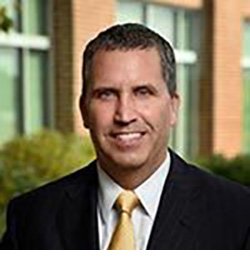
Marya Ahmed serves as an Assistant Professor in the Department of Chemistry within the Faculty of Sustainable Design and Engineering at the University of Prince Edward Island (UPEI), where she maintains an active research laboratory at ICC# 211 in Charlottetown, PEI. Her work bridges chemical engineering and biomedical applications with a focus on therapeutic delivery systems.
Education:
- Ph.D. in Chemical Engineering, University of Alberta
- Postdoctoral Fellowship, Chemical Engineering, California Institute of Technology (Caltech)
- Postdoctoral Fellowship, University of Toronto
Dr. Ahmed's research centers on pantothenic acid (vitamin B5) functionalized biomaterials for drug delivery and antibacterial applications. Her laboratory develops peptide-polymer hybrids, vitamin B5 analogous polymers, and hydrogels using advanced bioconjugation techniques and cell culture methodologies. Current projects evaluate antibacterial efficacy against drug-resistant infections and solar-powered water recycling systems, with significant emphasis on in vitro and in vivo validation using mouse models.
Analysis of her 2017-2020 publications reveals a dual research trajectory: (1) polymer/peptide-based drug delivery systems targeting cancer and bacterial infections, and (2) environmental applications of hygroscopic hydrogels for water purification. Her work consistently integrates nanotechnology with biomaterials science to address therapeutic and sustainability challenges.
Scientific Awards: None documented in source materials.
Dr. Ahmed leads an independent research group at UPEI focusing on biomaterials synthesis and testing, with current projects including membrane-permeable peptide conjugates and vitamin B5 hydrogels. While specific grant details aren't provided, her laboratory infrastructure supports bacterial aggregation studies, cancer cell line evaluations, and water recycling efficacy testing. She maintains active research collaborations evidenced by multi-institutional publications.
Her laboratory specializes in developing biomaterials for dual therapeutic/environmental applications, particularly peptide-polymer hybrids for targeted drug delivery and antifouling hydrogels for contaminated water treatment. The research group employs techniques including polymer synthesis, peptide conjugation, and in vivo efficacy testing to advance vitamin B5-based solutions for drug-resistant infections.