Dr. Jeremy Dennis is an Assistant Professor of Clinical Anesthesiology at Yale University School of Medicine and Yale New Haven Hospital. He holds board certification in Anesthesiology since 2020. His clinical expertise focuses on regional anesthesia and acute pain medicine, supported by a residency at Montefiore Medical Center and a fellowship at Yale. Education includes a 2014 MD from University of Miami, followed by internship at Mount Sinai Hospital. His research spans regional anesthesia techniques for orthopedic procedures, microbial safety in tissue allografts, and biomaterials for orthopedic prosthetics. Collaborators include Jinlei Li, Temple HT, and Bromberg AL. His work addresses pain management innovations and surgical procedural optimization. Professional development includes roles in academic medicine, clinical teaching, and translational research bridging anesthesiology and surgical outcomes. His publications emphasize evidence-based practices in perioperative care and tissue engineering applications.
Anders Wåhlin is Associate Professor at Umeå universitet's Department of Applied Physics and Electronics, with additional affiliations in Biomedical Engineering and Functional Brain Imaging where he serves as Director of the Umeå Centre for Functional Brain Imaging (UFBI). His multidisciplinary research integrates neuroimaging, hemodynamics, and aging neuroscience. Research focuses on cerebrovascular physiology using advanced 4D flow MRI techniques to investigate cerebral blood flow regulation, vascular stiffness, and blood-brain barrier integrity in aging populations. Additional work explores neurochemical pathways linking dopamine receptor availability to cognitive decline. Publications demonstrate consistent emphasis on neurovascular coupling mechanisms, with methodological innovations in MRI quantification and computational fluid dynamics modeling. Recent work establishes connections between vascular pathology, neuroinflammation, and neurodegenerative processes. Leads multiple research groups in Biomedical Engineering and coordinates the MT4North project developing medical technology business models.
Sigbjørn Dimmen is a Professor II in the Department of Orthopaedics at the University of Oslo. His work focuses on musculoskeletal disorders, surgical outcomes, and tissue healing. He has contributed to studies on NSAID effects on bone/tendon healing, rotator cuff repair timing, and osteotomy techniques for knee osteoarthritis. His research spans experimental animal models and clinical cohort studies, emphasizing translational orthopedic surgery. Research interests include bone and tendon regeneration, surgical technique optimization, and pharmacological impacts on healing processes. He collaborates with international teams on graft comparisons and ligament reconstruction strategies. His studies have explored the efficacy of analgesics like parecoxib and NSAIDs in fracture and tendon repair contexts. Key findings highlight comparable outcomes between allo- and autografts in acromioclavicular joint reconstructions, and no significant difference in rotator cuff repair timing up to 3 months post-trauma. He has also investigated the long-term success of high tibial osteotomies for osteoarthritis management. Affiliated with the Orthopaedic Traumatology research group at Oslo University Hospital (OUS Ullevål), his work bridges experimental research and clinical practice. Over 20 peer-reviewed articles since 2007 reflect his sustained contributions to orthopedic science and surgical innovation.
Laurence Mulard is a leading researcher at the Institut Pasteur in Paris, France, where she serves as Head of Structure and Principal Investigator in the Carbohydrates and Bioconjugates group under the Dynamics of Host-Pathogen Interactions. She is based in the Unité de Chimie des Biomolécules and leads multiple cutting-edge projects at the intersection of glycobiology, organic chemistry, and vaccinology. Position: Head of Structure, Principal Investigator Institution: Institut Pasteur Research Unit: Unité de Chimie des Biomolécules Research Group: Carbohydrates and Bioconjugates Focus Areas: Glycoconjugate vaccines, synthetic carbohydrate chemistry, host-pathogen interactions, diagnostics Her research centers on the design and synthesis of synthetic carbohydrate-based conjugate vaccines, particularly targeting Shigella species causing shigellosis. She pioneered the development of SF2a-TT15, the first-in-human synthetic glycan-based conjugate vaccine candidate against Shigella flexneri 2a, which has demonstrated safety and immunogenicity in clinical trials. Her work also extends to Alzheimer's disease diagnostics via protein conjugates and explores chemical probes and therapeutic conjugates. She employs multidisciplinary strategies combining chemical synthesis, enzymatic engineering, and immunological evaluation. The most recent 15 publications highlight a consistent focus on glycoconjugate vaccine development, structural analysis of complex glycans, and synthetic methodologies for bacterial oligosaccharides. Key themes include the scalable synthesis of vaccine candidates, chemoenzymatic diversification of glycan structures, and the transition from preclinical to clinical evaluation of synthetic vaccines. Her work bridges fundamental chemistry with translational applications in infectious disease prevention. GlycoShig1: Synthetic carbohydrate-based conjugates as Shigella vaccine components CarbUniVax: Multidisciplinary project at the frontier of Glycosciences and Vaccinology FlexBiVac: Proof of concept for multivalent polysaccharide-based vaccines Synthesis of peptide-protein conjugates for therapeutics and diagnostics Laurence Mulard actively mentors PhD students and post-doctoral researchers, contributing to the next generation of scientists in glycosciences and vaccinology. She has secured significant research funding and led projects under GMP conditions, resulting in clinical-grade vaccine batches. Her team includes research engineers, technicians, and students, reflecting a robust and collaborative research environment. She is associated with key institutional initiatives including the Center for Vaccinology and Immunotherapy (CVI) and the Drug Discovery & Screening at Institut Pasteur (ATC-DDS), positioning her work within broader therapeutic development efforts. Her laboratory is equipped with advanced instrumentation such as an NMR spectrometer (Bruker Avance 400 MHz), supporting structural characterization of complex molecules.
Monica Mordonini is an Associate Professor in the Department of Computer Engineering at the Faculty of Engineering, University of Parma, where she has been a faculty member since 1999. She teaches courses across multiple programs including Computer Engineering, Engineering Management, Civil and Environmental Engineering, and Law, with a focus on Artificial Intelligence, Software Engineering, and Information Systems. Her research interests lie primarily in Artificial Intelligence , with emphasis on visual sensors, unconventional vision algorithms for autonomous systems, and applications in video surveillance. More recently, her work extends to information extraction from distributed multimedia databases, semantic web applications, and ontology design for smart environments. She is actively involved in interdisciplinary research, particularly in healthcare technology, including patient tracking and operating room optimization using IoT and digital twin technologies. The most recent publications reflect a strong trend toward applied AI in healthcare and intelligent systems. Her work integrates computer vision, real-time data processing, and system modeling to improve clinical workflows and service delivery. Themes such as digital twins, location-based services, and simulation-based optimization are central to her current research trajectory. Scientific Awards: No scientific awards mentioned in the provided text. Advising and Grants: There is no explicit information about PhD or Master’s students she has advised. Similarly, no grants or funded projects are detailed in the text, though her collaborative publications suggest involvement in research initiatives, particularly in healthcare and intelligent systems. Labs and Research Teams: While specific lab affiliations are not mentioned, Monica Mordonini collaborates extensively with researchers in healthcare, engineering, and computer science, particularly in projects involving patient tracking, operating room systems, and digital libraries. Her work appears to be conducted within interdisciplinary teams at the University of Parma, likely connected to intelligent systems and applied AI laboratories.
Rafi Sheikh serves as Associate Professor and Senior Consultant at Lund University's Department of Ophthalmology, with affiliations to the Ophthalmology Imaging Research Group, LTH Photon Science and Technology Profile Area, and LU Light and Materials Profile Area. His research bridges clinical ophthalmology with advanced imaging technologies. Specializing in non-invasive imaging techniques , Sheikh's work focuses on photoacoustic imaging for oxygenation measurements, laser speckle contrast imaging for perfusion mapping, and thermographic analysis in oculoplastic procedures. His fingerprint reveals significant contributions to Perfusion (100%), Photoacoustic Imaging (57%), Blood analysis (51%), and Eyelid Surgery (49%) research domains. Recent publications demonstrate consistent innovation in ophthalmic diagnostics , particularly for uveal melanoma vascular mapping, diabetic retinopathy biomarkers, and prosthetic eye complications. His work integrates engineering solutions with clinical ophthalmology to address unmet diagnostic needs. Sheikh actively supervises doctoral candidates including Hector, S. on hyperspectral imaging for diabetic complications, and participates in six major research projects spanning breast cancer diagnostics, giant cell arteritis detection, and flap monitoring during reconstructive surgery. His laboratory work centers on the Ophthalmology Imaging Research Group where novel optical techniques are translated to clinical applications.
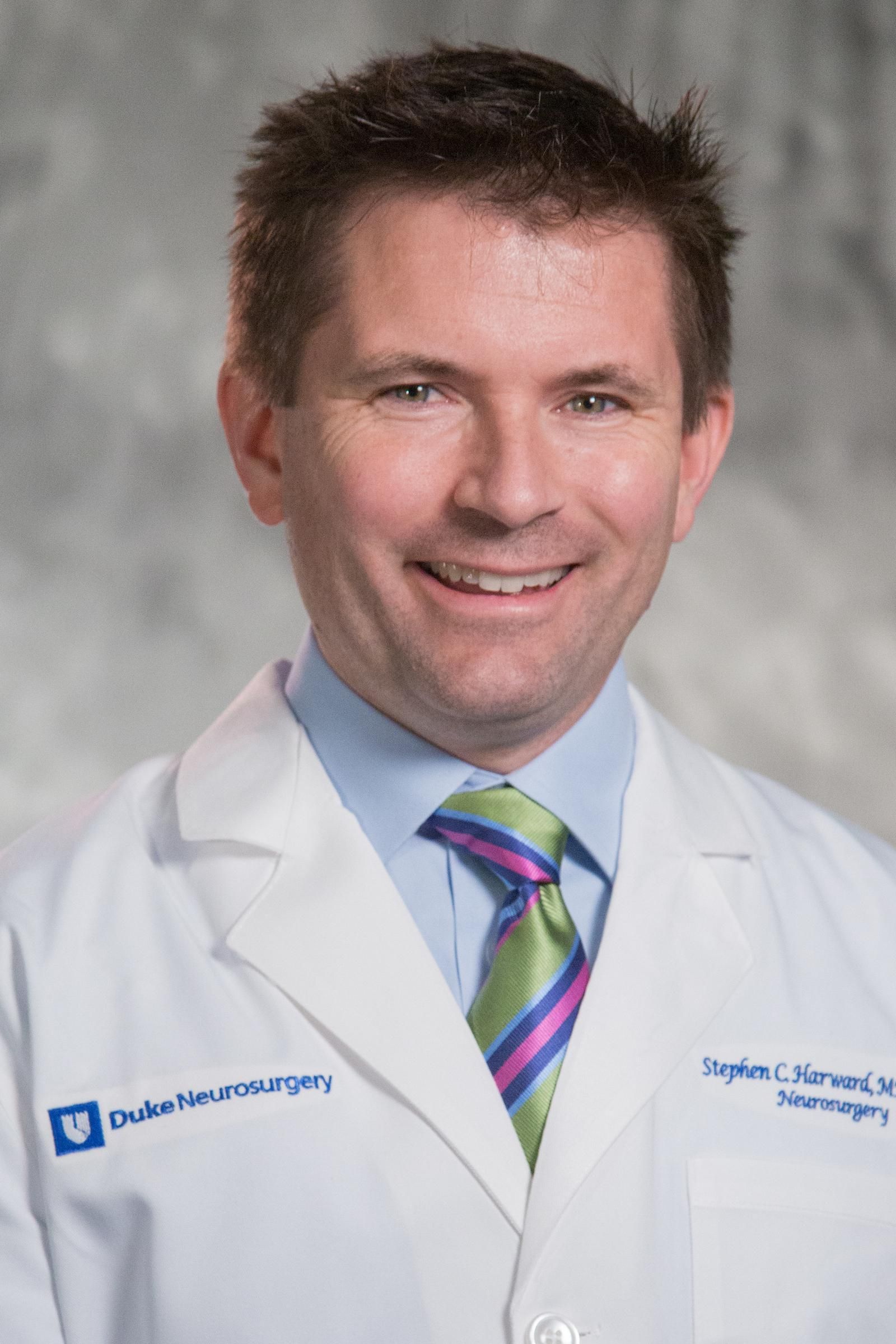
Stephen Harward is an Assistant Professor of Neurosurgery and Neurobiology at Duke University School of Medicine, with clinical and research expertise in advanced neurosurgical interventions. His work focuses on translating innovative technologies like magnetic resonance-guided focused ultrasound into clinical practice for movement disorders and epilepsy. His academic foundation includes: B.A. from Duke University (2006) Ph.D. in Neurobiology from Duke University School of Medicine (2015) M.D. from Duke University School of Medicine (2016) Neurosurgery Residency at Duke University (2016-2023) Dr. Harward's research integrates clinical neurosurgery with basic neuroscience , specializing in focused ultrasound applications for essential tremor and epilepsy, neuromodulation techniques for psychiatric conditions, and molecular mechanisms of synaptic plasticity. His lab employs cutting-edge approaches including high-resolution neural recording and tractography to refine surgical targeting and develop non-invasive therapies. Analysis of his publication trajectory reveals accelerating contributions to focused ultrasound methodology (40% of recent work), with growing emphasis on pediatric applications and neuropsychiatric indications. His team consistently bridges engineering innovations with clinical implementation, particularly in optimizing perioperative protocols for complex cases. Current research support includes: Neurobiology Training Program (2024-2029) Medical Scientist Training Program (2022-2027) Prior funding for synaptic plasticity (2013-2016) and TrkB receptor studies (2012-2015) He mentors students through NEUROSCI 493 independent study courses and collaborates extensively with Duke's Neurosurgery, Neurobiology, and Radiology departments on translational projects targeting neurological disease mechanisms.
Dr. Wesley Adam Mayer is an Associate Professor of Urology and Vice Chair for Education in the Scott Department of Urology at Baylor College of Medicine, where he also serves as Assistant Dean for Graduate Medical Education. His clinical practice focuses on advanced minimally invasive surgical treatments for complex urologic conditions. BA with Distinction from Cornell University (2001) MD with Highest Honors from Baylor College of Medicine (2005) General Surgery Internship and Urology Residency at University of Pennsylvania (2006-2010) Minimally Invasive Surgery Fellowship at Baylor College of Medicine (2011) Dr. Mayer's research centers on robotic and laparoscopic surgical innovations for kidney cancer, stone disease, and transplant urology. His work on renal mass scoring systems and single-site donor nephrectomy has established new clinical benchmarks. The integration of surgical education methodology with technical innovation represents a unique aspect of his scholarly contributions. His publication record shows consistent output in high-impact urology journals, with recent emphasis on surgical education frameworks and minimally invasive technique optimization. The research demonstrates strong translational impact, with several innovations adopted into national training curricula. Two-time Fulbright Faculty Excellence Award recipient (Educational Leadership 2019, Teaching 2018) Faculty Teacher of the Year (2021) Multiple "Top Doctor" designations (Houstonia Magazine 2019-2021, TX Top Docs 2021) American Urological Association Teaching Award nominee (2020) Alpha Omega Alpha Honor Society inductee As an educator, Dr. Mayer directs multiple residency training initiatives and serves on national committees shaping urologic education. His ACGME Urology Milestones 2.0 work has transformed competency assessment across all US residency programs. He maintains active collaborations with transplant centers and regularly contributes to national educational courses including the AUA Oral Board Examination Review.
Professor Katy Vincent is Professor of Gynaecological Pain and Honorary Consultant Gynaecologist at the University of Oxford's Nuffield Department of Clinical Neurosciences. She leads the Pain in Women research group, focusing on mechanisms generating and maintaining pain in women, with particular emphasis on endometriosis-associated pain and adolescent period pain. Her work bridges clinical practice at the John Radcliffe Hospital's Women's Centre with translational neuroscience research. Her research interests center on the gender pain gap, chronic pelvic pain, hormonal influences on pain processing, and the development of chronic pain from adolescent period pain. She employs diverse methodologies including neuroimaging, clinical trials, and translational models to investigate female-specific pain conditions. Her work addresses how women suffer disproportionately from chronic pain conditions, particularly pelvic pain including dysmenorrhoea and endometriosis-related pain. Professor Vincent's recent publications demonstrate a strong focus on endometriosis pain mechanisms, translational research models, pain assessment methodologies, and clinical management approaches. Her work spans basic science to clinical implementation, with significant contributions to understanding pain pathways, developing outcome measures, and improving patient care pathways for women with chronic pelvic pain. President of the RCOG Blair Bell Research Committee Immediate Past Chair of the International Association for the Study of Pain (IASP) SIG on Abdominal and Pelvic Pain Medical Advisory Panel member for Endometriosis UK She supervises multiple DPhil students and post-doctoral researchers while collaborating with institutions worldwide including the University of Edinburgh, University of Michigan, Imperial College London, and University of Muenster. Her leadership extends to major collaborative projects including the IMI-2 funded TRiPP project and the APDP RoADPain project investigating adolescent period pain's role in chronic pain development. Her clinical work focuses on chronic pelvic pain, particularly in association with endometriosis and in teenagers/younger women, delivered through NHS pelvic pain clinics at the John Radcliffe Hospital. She also supports the NHS adolescent gynaecology clinic, emphasizing optimization of quality of life and reproductive health during adolescence.