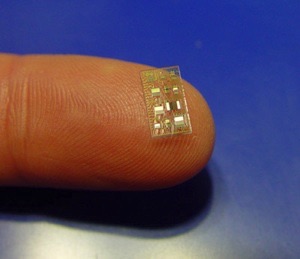
Cyrus Shafai, Ph.D., P.Eng., is a Professor and Associate Dean (Research/Graduate Programs) in the Department of Electrical and Computer Engineering at the University of Manitoba. He holds degrees from the University of Manitoba (B.Sc., M.Sc.) and the University of Alberta (Ph.D.). His research focuses on MEMS technologies, including actuators, sensors, and microfabrication, with applications in biomedical devices, smart agriculture, and optical systems. He leads the Nano-Systems Fabrication Laboratory, equipped with state-of-the-art MEMS fabrication tools. Shafai's work spans interdisciplinary collaborations, emphasizing adaptive optics, low-voltage actuators, and sensor design. He has published extensively, with recent contributions covering piezoelectric sensors, Lorentz force actuators, and optically transparent antennas. His teaching includes courses on microelectronic fabrication and MEMS design. Current and past students include over 50 researchers in MEMS and related fields. His laboratory develops innovative solutions for energy-efficient actuators, wearable sensors, and high-precision optical systems. Research highlights include low-voltage deformable mirrors and MEMS-based bioelectrical interfaces. Shafai actively mentors graduate and undergraduate students in experimental and computational MEMS research.
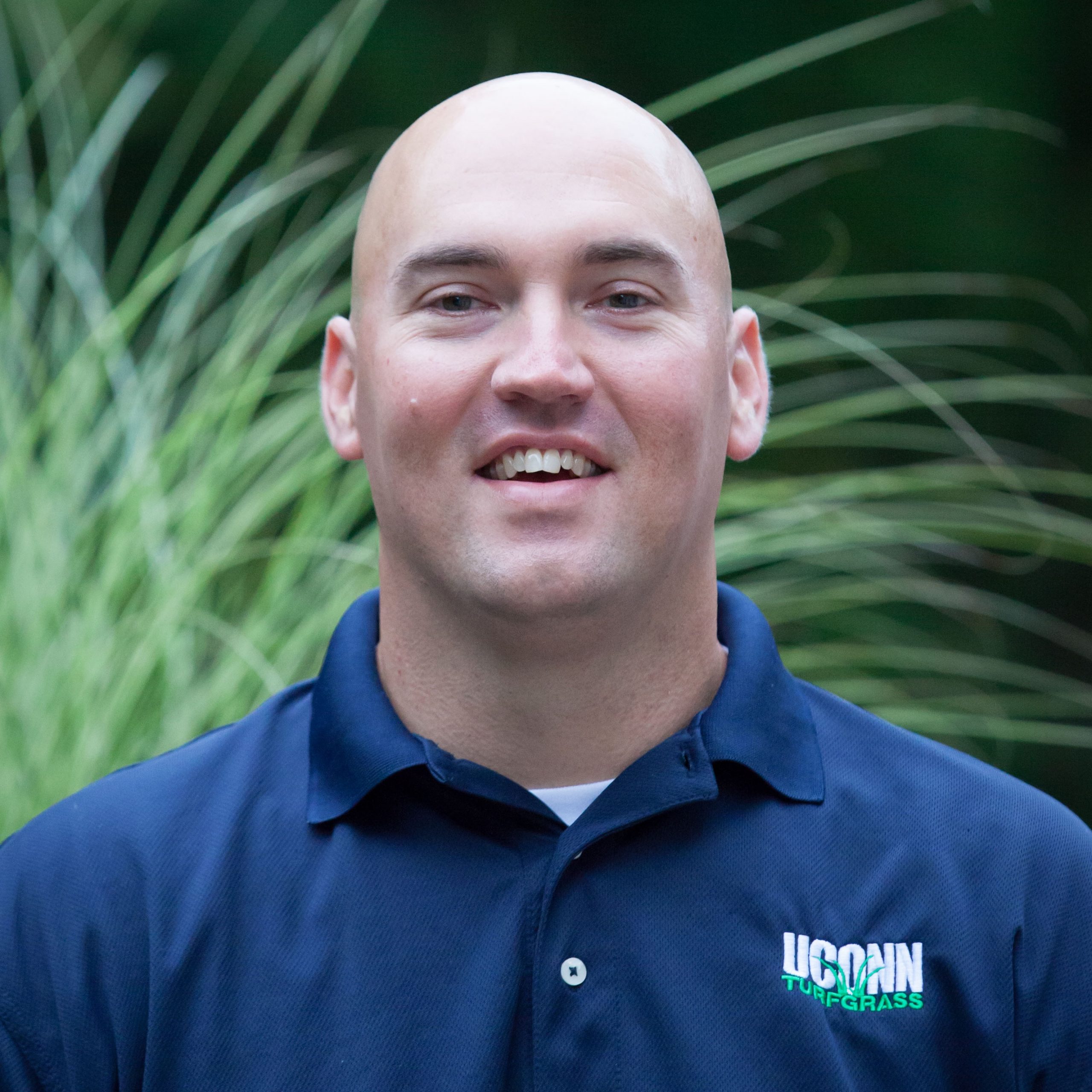
Jason Henderson is a Professor of Soil Science in the Department of Plant Science and Landscape Architecture at the University of Connecticut's College of Agriculture, Health and Natural Resources. His research focuses on developing sustainable turfgrass management practices through innovations in pesticide-free techniques, soil modification, and root zone assessment. Dr. Henderson holds a PhD in Crop and Soil Sciences from Michigan State University. Research Interests: His work encompasses turfgrass establishment optimization, laboratory methods for evaluating root zone constituents, and innovative approaches to enhance turf performance under traffic stress. Current projects investigate organic management systems, soil physical properties, and environmental sustainability in turf settings. Teaching: Dr. Henderson instructs courses including Introduction to Soil Science (SAPL 300), The Great American Lawn (SPSS 1060), and Advanced Turfgrass Management (SPSS 3150).
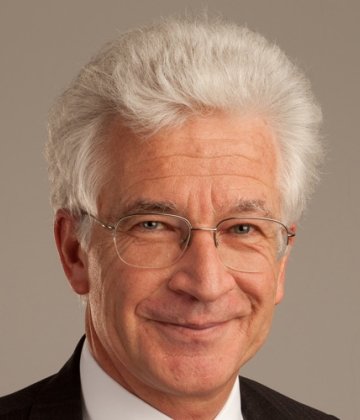
Alessandro Frova is a Full Professor of Corporate Finance at Bocconi University. He previously held the position of Full Professor of Economics and Corporate Management at the University of Pavia. His research focuses on strategy and finance, competition and antitrust, telecommunications, and ICT. Frova earned his Economics degree from Bocconi University and conducted graduate studies at the London School of Economics. He has collaborated with the AGCom (Italian Communications Authority) and the Aspen Institute Italia, focusing on ICT-related issues. He co-founded LaRete-net, a platform for open discussion on information and communication technologies. Frova is also a member of the steering committee for Mercato Concorrenza e Regole (il Mulino) and actively contributes to research institutes and journals in the ICMT field. His publications span corporate finance, telecommunications regulation, and antitrust policy, with recent works addressing broadband development in Italy, antitrust damage assessment, and regulatory challenges in the telecom sector. Frova’s academic contributions emphasize the intersection of corporate strategy, financial management, and regulatory frameworks in competitive markets.
Guy G. Drijkoningen is an Associate Professor in Applied Geophysics at Delft University of Technology (TU Delft), Faculty of Civil Engineering and Geosciences. He is actively involved in teaching and research within the Department of Applied Geophysics & Petrophysics. Education: MSc, Delft University of Technology, The Netherlands PhD, Cambridge University, UK Research Focus: His work centers on Seismic Experiments & Modelling , particularly in exploration and shallow-subsurface contexts. Key areas include: Seismic data acquisition on land Continuous seismic monitoring Shallow shear-wave imaging (land and marine) Seismic wave propagation in porous media Current projects leverage advanced sensor networks (e.g., LOFAR), full-waveform inversion for tunnel-boring machines, and novel vibrator technologies. Publications Trend: Recent works (2011–2016) emphasize seismic modeling, inversion techniques, and experimental validation across marine and terrestrial environments. Topics span poroelastic wave theory, ambient-noise interferometry, and innovative seismic source design, reflecting a blend of theoretical and applied geophysics. Scientific Awards: Best-paper award Geophysics 2015 for "A seismic vertical vibrator driven by linear synchronous motors" Professional Memberships & Editorial Roles: Member: Society of Exploration Geophysicists (SEG) Member: European Association of Geoscientists and Engineers (EAGE) Associate Editor: Geophysics Teaching: He teaches undergraduate and graduate courses including Introduction to Geophysics, Reflection Seismology, and specialized PhD-level modules on seismic data analysis.
Professor Dian Tjondronegoro is a leading academic at Griffith University's Department of Management within the Griffith Business School. He holds roles such as Acting Head of Department and Deputy Head (Research), and is affiliated with the Centre for Work, Organisation and Wellbeing, Griffith Asia Institute, and the Griffith Inclusive Future Beacon. His research focuses on AI ethics, eHealth systems, and digital governance, with over $9M in grants from bodies like the ARC and NHMRC. He has published 145+ peer-reviewed papers and leads initiatives like the 'Governing in the Digital Age' program. A Fellow of the Australian Computer Society and Senior Member of IEEE/ACM, he has won the Gold Disrupters Award (2019) and multiple teaching accolades. Education: PhD in Information Systems (Deakin University, 2005), BIS (QUT, 2001). Research Interests: AI, machine learning, healthcare innovation, responsible AI, workplace design, and digital economy strategies. His articles emphasize AI applications in healthcare monitoring, workplace productivity, and ethical surveillance. Recent work explores post-COVID workplace trends and AI-driven public health solutions. He advises on government policy and innovation through roles like Gold Coast Health's Digital Innovation Advisory Committee. His teaching includes courses on digital strategy and innovation management.
Professor Jonathan Erichsen serves as Professor of Visual Neuroscience and Deputy Head of School within the School of Optometry and Vision Sciences at Cardiff University. With a distinguished career spanning several decades, he has established himself as a leading researcher in visual neuroscience and eye movement disorders. Professor Erichsen's research has evolved from early work on central near response pathways in the brain, including vergence and the pupillary light reflex, to a broader focus on eye movement disorders. His primary research interests include the control of visuomotor behavior, eye movement abnormalities in neurodegenerative conditions, and visual function assessment in individuals with nystagmus. He has pioneered innovative methodologies including stereotaxic surgery, immunohistochemistry, neural pathway tracing, and microstimulation in his investigations. His recent publications demonstrate a clear trend toward clinical applications of eye movement research, particularly in developing better assessment tools for visual function in nystagmus patients. The research spans from fundamental neuroanatomy to practical clinical tools, with significant contributions to understanding infantile nystagmus, Huntington's disease-related eye movement abnormalities, and visual function in children. His work increasingly integrates advanced eye tracking technologies with clinical applications. Professor Erichsen founded the Cardiff Research Unit for Nystagmus (RUN) approximately twenty years ago, establishing a large cohort of volunteers with infantile nystagmus to study how environmental factors like stress affect visual performance. More recently, he established the Eye Movement Experimental Research Group (EMERG) to expand research into eye movement abnormalities associated with neurodegenerative conditions including Huntington's disease, schizophrenia risk, and dystonia. His research has demonstrated that traditional measures of visual performance, such as visual acuity, are not significantly affected by changes in eye movements of individuals with nystagmus, suggesting the need for developing better outcome measures in clinical practice. Professor Erichsen remains actively involved in postgraduate supervision and continues to produce high-impact research in visual neuroscience.
Om P. Damani is a Professor in the Department of Computer Science and Engineering at Indian Institute of Technology Bombay. He serves as Faculty In-Charge of the Sustainable Development unit of the Center for Policy Studies and is also associated with the Centre for Technology Alternatives for Rural Areas (CTARA). His work bridges computer science with social development challenges, focusing on practical applications for rural communities. Dr. Damani's research interests span Technology for Development of the bottom 80%, System Dynamics: Modeling and Simulation for Social Development, System Architecture, and Data Science. His work demonstrates how computational approaches can address complex development challenges through projects like GramDrishti (for detecting rural infrastructure in satellite images), JalTantra (for optimizing water distribution networks), and FAI (Farm Assessment Index for holistic farming practice evaluation). His publications reveal a consistent focus on applying computer science to solve real-world problems in water management, agricultural systems, and rural infrastructure. His research has been recognized with significant awards including the IIT Bombay Industrial Impact Award 2010, IIT Bombay Impactful Research Award 2019, and Best Poster Award at Agriculture Science Congress 2017. Dr. Damani has successfully translated theoretical research into practical tools that address development challenges, particularly in water resource management and agricultural systems. As an educator, he has mentored numerous PhD students including Chintan Tundia, Shreenivas Kunte, Nikhil Hooda, Sivamuthu Prakash Murugan, Dipak L. Chaudhari, Prateek Kapadia, and Manoj K. Chinnakotla. His teaching portfolio includes courses on System Dynamics: Modeling and Simulation for Development (CS 752), Program Derivation (CS 420), and ICT for Development. Dr. Damani's educational background includes a Ph.D. in Computer Sciences from the University of Texas at Austin (1994-1999), B.Tech. in Computer Science and Engineering from IIT Kanpur (1990-1994), and prior professional experience at IBM T J Watson Research Lab and Akamai Technologies.
Dr. Mathias Basner is a Professor of Psychiatry at the University of Pennsylvania Perelman School of Medicine , where he directs both the Behavioral Regulation & Health Section and the Unit for Experimental Psychiatry within the Division of Sleep and Chronobiology . With dual appointments in Psychiatry and Sleep Medicine, his research bridges aerospace, urban, and clinical environments to study neurobehavioral consequences of sleep loss and noise exposure. Education: MD (1999), PhD in Research (2001) from University of Bochum; MSc in Epidemiology (2006) from University of Bielefeld Key Research Areas: Sleep deprivation effects, environmental noise impacts, astronaut behavioral health, and cognitive performance assessment Research Trends: Using field studies, space analog environments, and large datasets like the American Time Use Survey, Dr. Basner examines sleep-wake cycles, noise-induced stress responses, and cognitive adaptation in extreme environments. His work informs WHO guidelines, FAA policies, and NASA's Mars mission planning. Scientific Recognition: International Space Station Innovation Award (2018) Journal Publication Award for Outstanding Space Medicine Article (2016) Consultant for WHO, ICAO, and FAA noise/sleep guidelines Professional Contributions: Senior Associate Editor for Sleep Health and Frontiers in Physiology , developer of the PVT-B and Cognition test battery for NASA, and principal investigator in major studies including the TWINS study and Inspiration 4 mission.
Krisztina Kis-Katos serves as Professor for International Economic Policy at the University of Göttingen's Department of Economics, a position she assumed in 2016. She holds prominent leadership roles including Chairwoman of the Standing Field Committee of Development Economics of the German Economic Association (Verein für Socialpolitik) and Chairwoman of the Scientific Advisory Board of the RWI Leibniz Institute for Economic Research. Her institutional affiliations extend to research fellowships at IZA and RWI, along with editorial positions at the Journal of Labour Market Research, European Journal of Political Economy, Bulletin of Indonesian Economic Studies, and Journal of Development Studies. Professor Kis-Katos earned her Economics education in Szeged and Konstanz, attended the Swiss Doctoral Program at the Study Center Gerzensee, and received her doctoral degree from the University of Freiburg in 2010. Her scholarly work spans applied development economics and political economy with particular focus on how (de-)globalization and macroeconomic processes affect social and economic outcomes including labor markets, firm performance, land use change, deforestation, and conflict. Her research portfolio reveals consistent thematic threads across recent publications: the intersection of environmental concerns with economic development (particularly deforestation and palm oil in Indonesia), the gendered impacts of trade liberalization, the socioeconomic effects of pandemics like COVID-19, and the complex relationship between governance, corruption, and economic outcomes. Methodologically, her work combines rigorous econometric approaches with innovative data sources including satellite imagery and high-frequency power usage data. Teaching prize for the best doctoral course in RTG 1723, University of Göttingen (2019) Teaching prize of the Student Union of Economics of the University of Freiburg (2014) BMZ/GIZ Public Policy Award (2013) Friedrich-August-von-Hayek-award (2011) Excellence award of the KfW Development Bank (2011) Professor Kis-Katos leads multiple significant research initiatives including the BMZ-DEval funded evaluation of Madagascar's forest restoration program, the DFG-funded Thailand-Vietnam Socioeconomic Panel, and the DFG Research Training Group on Sustainable Food Systems. Her advisory role extends to supervising doctoral candidates through these projects and previously serving as spokesperson for the Research Training Group 1723 on Globalization and Development. Her substantial grant portfolio demonstrates strong research leadership across international collaborations involving institutions in Germany, Indonesia, Thailand, Vietnam, and the United States. Her work connects closely with the Collaborative Research Centre 990 on Ecological and Socioeconomic Functions of Tropical Lowland Rainforest Transformation Systems in Sumatra, Indonesia, reflecting her deep engagement with environmental-economic research questions in Southeast Asia. She also contributes to interdisciplinary teams through projects like PlanetHealth examining global land-use impacts of the COVID-19 pandemic.
Roman Krems is a Professor and Distinguished University Scholar at the University of British Columbia (UBC) in the Department of Chemistry, with affiliations to the Stewart Blusson Quantum Matter Institute. His research focuses on the intersection of quantum physics, machine learning, and chemistry, particularly in quantum materials and quantum technologies such as quantum computing and sensing. Key Roles: Professor at UBC (2013–present), Distinguished University Scholar (2017–present) Education: Ph.D. from Göteborg University (2002), Postdoctoral Fellow at Harvard-MIT Center for Ultracold Atoms (2003–05) Research Interests include: Quantum machine learning (QML) for solving complex physics problems Quantum scattering theory in electromagnetic fields Applications of quantum computing to chemistry Developing machine learning algorithms for quantum dynamics Recent publications highlight advancements in extrapolating quantum observables, Gaussian process models for collision dynamics, and quantum walks in disordered systems. His work bridges theoretical physics, computational methods, and experimental applications in cold molecule research. Scientific Awards include the UBC Killam Teaching Prize (2017), election as Fellow of the American Physical Society (2015), and the Keith Laidler Award (2013). He has held editorial board positions for journals such as Machine Learning: Science & Technology and New Journal of Physics . Research Group members include graduate students and postdocs working on quantum technologies, machine learning, and molecular scattering. He also contributes to outreach through invited talks and seminars at institutions like MIT and Lawrence Berkeley National Laboratory.
Prof. Dr. sc. techn. ETH Oliver Staadt is Full Professor of Computer Science and Chair of Visual Computing at the University of Rostock , Germany. Since 2023 he also serves as Director of the Institute for Visual and Analytic Computing within the Faculty of Computer Science and Electrical Engineering . Previously he was Dean (2016–2018) and Vice Dean (2010–2016) of the same faculty. Education Ph.D. in Computer Science, ETH Zürich (2001) M.Sc. in Computer Science, TU Darmstadt (1994) Research Interests Prof. Staadt’s research spans virtual and augmented reality , computer graphics , visualization , telepresence , immersive analytics , and human–computer interaction . A particular focus lies on real-time rendering and display technologies for large high-resolution display systems, depth-image enhancement for RGB-D sensors, and interaction techniques that leverage spatial cognition and eye-tracking. His work is frequently applied to collaborative settings and microgravity environments, including experiments aboard parabolic flights and the International Space Station. Recent Publication Trends Between 2019 and 2021 his output centers on foveated rendering , AR viewpoint guidance , collaborative analytics on wall-sized displays , and embodied interaction metaphors . Earlier work addressed bandwidth-efficient telepresence, depth-image filtering, and physically-based animation. The corpus reveals a steady evolution from fundamental graphics algorithms toward applied immersive systems. Scientific Awards & Honors Fellow of the Eurographics Association Associate Editor, IEEE Transactions on Visualization and Computer Graphics (past) Associate Editor, Computers & Graphics (past) Associate Editor, Computer Animation and Virtual Worlds (past) Associate Editor, Frontiers in Virtual Reality (current) Chair, Expert Group on Virtual & Augmented Reality, German Informatics Society (2013–2020) Advising & Funding He has successfully supervised more than ten PhD graduates whose dissertations range from collision detection and physically-based animation to 3D interaction in microgravity and predictive user modeling. Current PhD researchers include Bipul Mohanto, Mana Takhsha, and Sven Kluge. His projects are supported by national and EU programs such as EVOCATION, SMOOTH, ARGuide, 3DPick, DIVA, and Telepresence. Labs & Teams Prof. Staadt leads the Visual Computing Group at Rostock, operating state-of-the-art facilities including large tiled display walls, VR/AR laboratories, and motion-capture systems. The institute hosts interdisciplinary collaborations with partners in visualization, computer vision, psychology, and aerospace engineering.
James C. Davis is an Assistant Professor in the Elmore Family School of Electrical and Computer Engineering at Purdue University. He leads the Duality Lab, which focuses on the engineering of software-intensive computing systems with particular interest in how these systems fail and how those failures can be mitigated. His research takes a socio-technical approach, considering both human and technical perspectives in system engineering. Dr. Davis received his PhD in Computer Science from Virginia Tech, where he was advised by Dongyoon Lee. His research interests span empirical software engineering, security, safety, testing, and web technologies, with a strong emphasis on practical impact and measurement. He applies a socio-technical philosophy to his work, believing high-quality systems must be engineered considering both human and technical perspectives. His recent research focuses on software supply chain security, regular expression vulnerabilities (particularly ReDoS), pre-trained model security, and failure analysis in software systems. His work often involves empirical studies of real-world software systems and security practices, with a strong emphasis on practical impact and measurable results. Dr. Davis has received significant funding from the National Science Foundation, Google, Cisco, and Rolls Royce for his research. His publications appear in top-tier venues including ICSE, FSE, ASE, and USENIX Security. He has served on program committees for many major software engineering and security conferences. Among his notable achievements are being elevated to IEEE Senior Member in 2022, receiving the Ruth and Joel Spira Outstanding Teacher Award from ECE@Purdue in 2022, and multiple Best Paper and Best Poster awards. He has successfully mentored numerous PhD and Master's students, with several completing their theses on topics related to software security and engineering. Dr. Davis actively recruits graduate and undergraduate research assistants for his Duality Lab, which has produced influential work on software failure analysis, regular expression security, and machine learning supply chain security. His lab is supported by multiple federal and industry grants focused on improving the security and reliability of software systems.
Jingjing Zou is an Assistant Professor in Residence at the Herbert Wertheim School of Public Health & Human Longevity Science, University of California San Diego. Her research focuses on integrating statistical methodologies with medical imaging and public health challenges, particularly in cancer prevention, physical activity analysis, and radiomics. Education: PhD in Statistics, Columbia University MA in Statistics, Columbia University BS in Statistics, Peking University Research Interests: Dr. Zou's work emphasizes functional data analysis, accelerometer-based physical activity monitoring, and MRI techniques for cancer treatment evaluation. She develops statistical models to analyze longitudinal health data, with applications in cardiovascular disease prevention and oncology. Her studies often bridge clinical outcomes with advanced imaging biomarkers. Grants: NIH/NHLBI (Principal Investigator): Examining Longitudinal Changes in Accelerometer-Measured Physical Activity in Preventing Cardiovascular Disease (2024-2028) NIH R37CA249659 (Co-Investigator): Advanced diffusion MRI for cervical cancer treatment evaluation (2021-2026) NIH R01CA255780 (Co-Investigator): Whole-body radiomics for gynecologic cancers (2020-2024) Labs/Teams: Collaborates with interdisciplinary teams in radiology, oncology, and biostatistics, including co-authors like Loki Natarajan (UCSD) and Loren Mell (UCSD).
Mircea Epure is the Serra Hunter Associate Professor at the Department of Economics and Business at Universitat Pompeu Fabra (UPF). He holds affiliated professorships at the UPF-Barcelona School of Management and the Barcelona School of Economics. His research focuses on governance, corporate performance, entrepreneurship, and accounting, with notable contributions to understanding firm strategies during crises, public policy impacts, and signaling mechanisms in corporate social responsibility. Epure's work has been published in leading journals and recognized with awards such as the Best Paper Prize at the Financial Markets and Corporate Governance Conference. His research has been cited in prestigious outlets like the World Bank studies and The Oxford Handbook of Corporate Law and Governance. He teaches graduate and undergraduate courses on organizational dynamics and management accounting. Key research themes include the real effects of public grants during crises, strategic responses to uncertainty, and the role of organizational identity in firm performance. Epure has explored topics ranging from macroprudential policies to the opaque aspects of ESG reporting during crises. His interdisciplinary approach bridges corporate governance, entrepreneurship, and financial accountability. Awards: ICQS Nomination, Financial Markets Conference Best Paper Grants: Funding from La Caixa Foundation and CEIBS Cathay Cross-border Private Equity Research Fund Labs/Teams: Collaborates with the Barcelona School of Economics and UPF-Barcelona School of Management research networks
Mark Podolsky is an Associate Professor in the School of Human Resource Management at York University. He holds a PhD from McMaster University's DeGroote School of Business, an MBA from Wilfrid Laurier University, and a HBMus in Performance from the University of Western Ontario. His research focuses on strategic HRM, HR measurement, situational workplace constraints, and the interplay between organizational strategy and human resource practices. He bridges academic and practitioner perspectives through his financial sector and arts organization management experience. Education: PhD in Human Resource Management and Organizational Behaviour, McMaster University (DeGroote School of Business) MBA (Finance specialization), Wilfrid Laurier University (School of Business and Economics) HBMus in Performance (violin/viola), University of Western Ontario Research emphasizes multilevel organizational analysis, behavioral norms in workplaces, and valid methods to link HR practices to strategic outcomes. His career as a professional classical musician in a Canadian symphony orchestra informs his interdisciplinary approach to organizational dynamics and human capital.