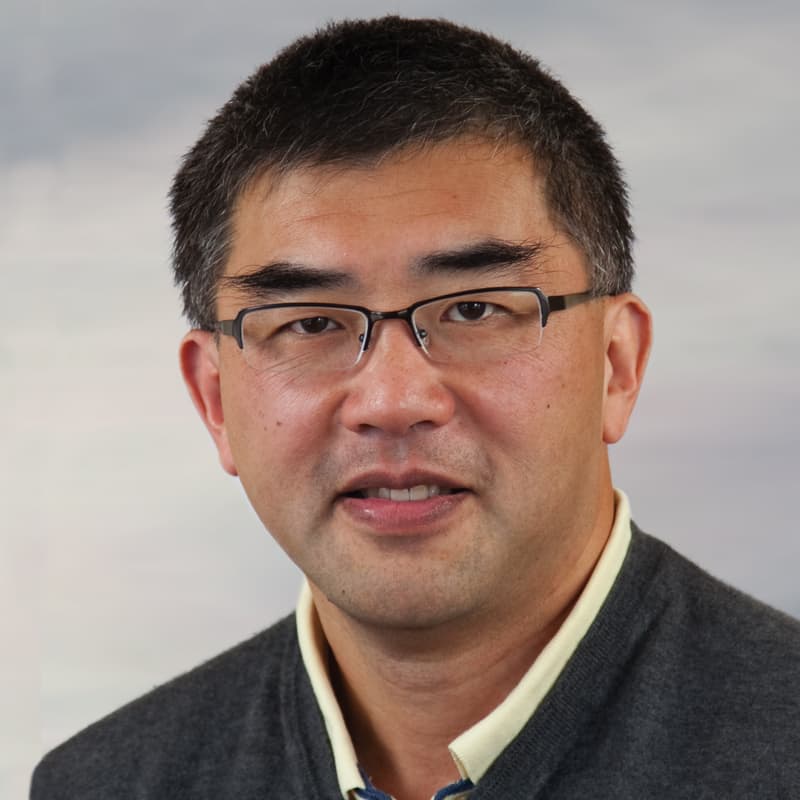
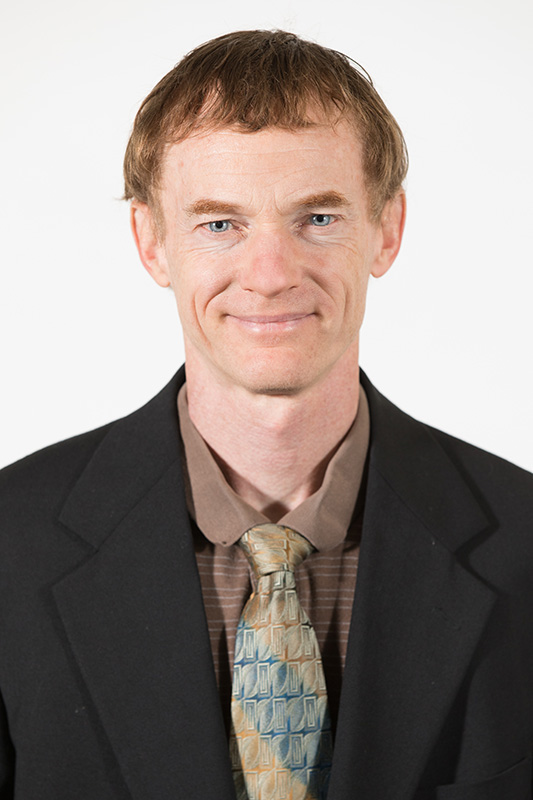
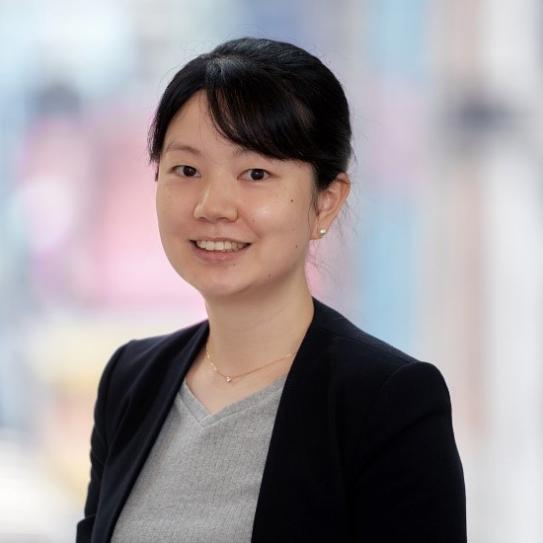
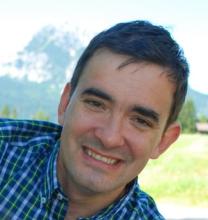
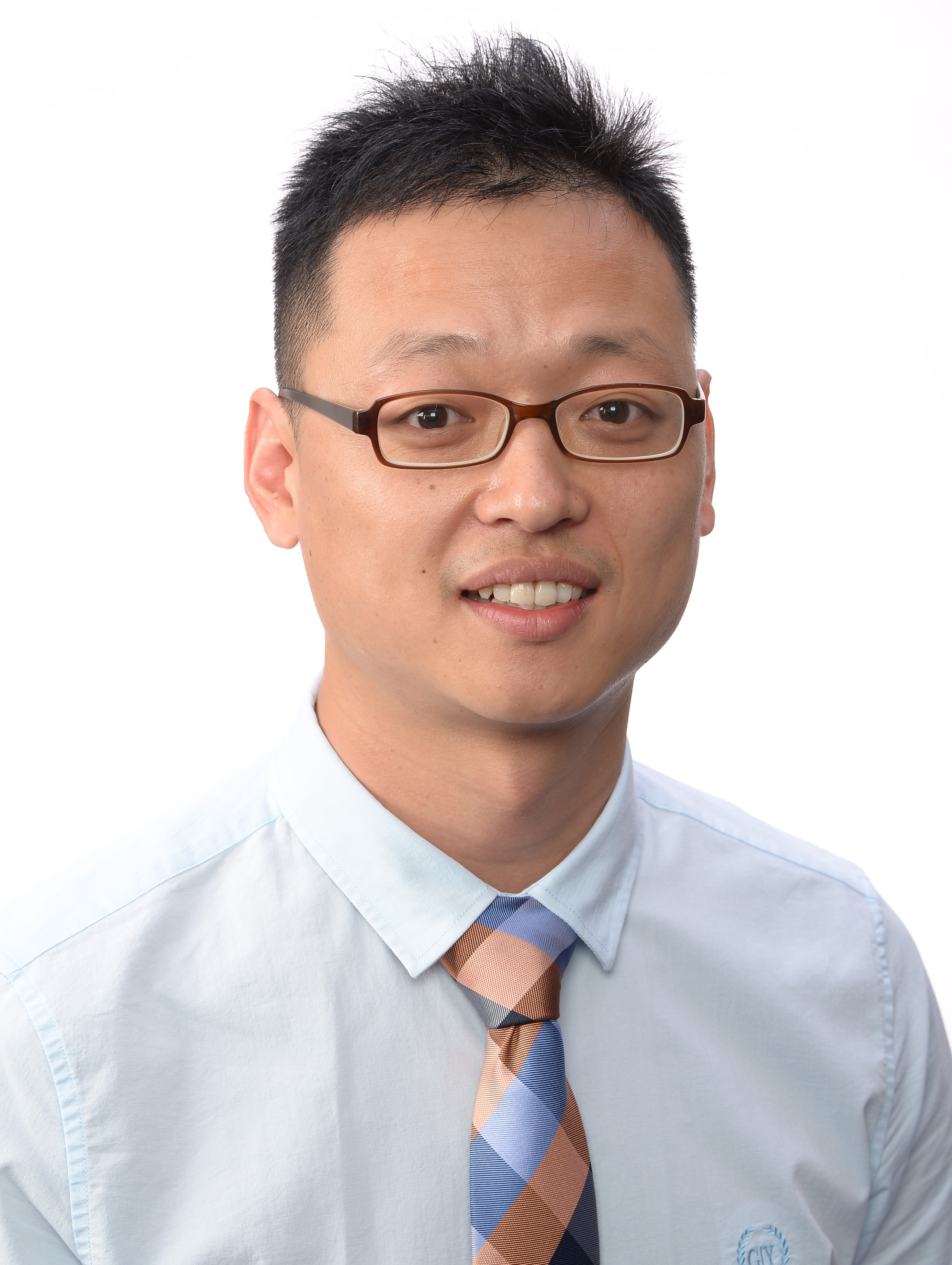
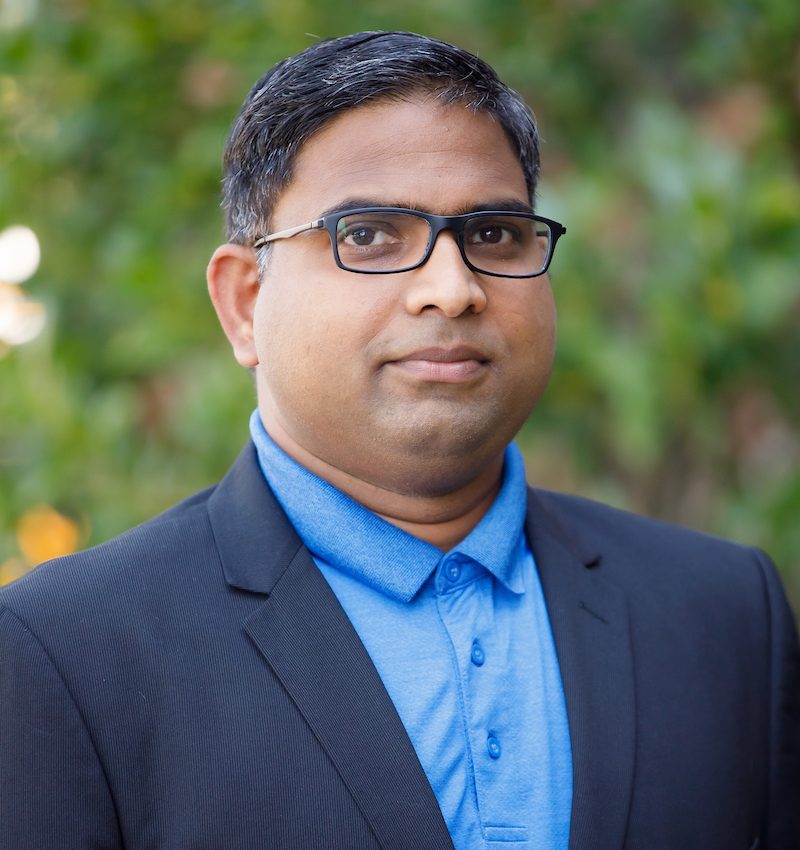
Piero Colajanni is a Full Professor of Engineering at the University of Palermo, specializing in structural and seismic engineering. His research develops innovative solutions for seismic protection, including dissipative devices and hybrid structural systems. Current projects investigate friction-based connections for earthquake-resilient buildings, tsunami vulnerability of masonry structures, and applications of geopolymer recycled concrete. Recent publications demonstrate expertise in seismic retrofit design methods and hybrid beam-column joint behavior. Teaching includes Construction Technique Laboratory and Design of Structures in Seismic Areas. International collaborations span universities in France, Romania, and Spain through Erasmus agreements. Supervised student research addresses seismic vulnerability assessment of municipalities and innovative structural systems.
Prof. Mehmet Karahan is a distinguished academic at Bursa Uludağ University currently serving as Professor in the Textile, Apparel, Footwear and Leather Department within the College of Technical Sciences . With over 25 years of academic experience, he has held progressive roles from Research Assistant to Professor. His leadership extends to managing multiple research centers including the Composite Material and Technical Textiles Prototype Center and Advanced Composite Materials Research and Excellence Center . Doctorate in Textile Engineering (1999) Postgraduate in Textile Engineering (1994) Undergraduate in Textile Engineering (1991) As a leading expert in Technical Textiles and Composite Materials , Prof. Karahan's research focuses on fiber-reinforced composites for ballistic protection, mechanical properties of hybrid composites, and sustainable textile technologies. His recent publications examine ozone aging effects, ZnO doping, fiber orientation impacts, and value chain analysis in technical textiles. His 15 most recent articles (2023-2025) demonstrate expertise in: Mechanical behavior of aramid/UHMWPE composites Thermoplastic/thermoset matrix comparisons Natural fiber reinforcement Ballistic energy absorption Composite material testing Sustainable manufacturing Scientific recognition includes: 2023-2022 Successful Researcher Awards 2021-2022 World Top 2% Scientist designation Multiple industry innovation awards Prof. Karahan has directed numerous research projects, including: TÜBİTAK-funded Textile, Technical Textiles and Composite Materials Prototype Center EU-supported Vocational VR Lab development Industry collaboration projects on recyclable composites He has authored 207 WoS publications with over 1937 citations, and holds patents in composite winding primers and energy-absorbing sandwich materials.
Jakob Blankenhagen is a research assistant at the Chair of Metal Construction at the Technical University of Munich . He holds an M.Sc. in Civil Engineering from TUM and specializes in additive manufacturing , fire safety engineering , and hybrid steel-timber structures . B.Sc. in Civil Engineering (2015-2019) M.Sc. in Civil Engineering (2019-2022) International Welding Engineer (2021) His research focuses on optimizing fatigue-stressed hollow section structures using Laser Powder Bed Fusion (LPBF) and developing fire-safe hybrid steel-timber constructions. Current projects include TRR277 A06, which investigates LPBF fundamentals for structural steel elements. Key publications address material characterization , fire behavior of hybrid structures, and machine learning-based pore detection in additive manufacturing. He contributes to advancing 3D-printed steel components and sustainable construction methods . He teaches courses on steel construction, composite building, and computational design at TUM, with a focus on practical implementation of additive manufacturing in construction.
Professor Frank Lam, Senior Chair Professor of Wood Building Design and Construction at UBC Faculty of Forestry, specializes in timber engineering and applied mechanics. His research focuses on structural wood products, seismic performance analysis, and wood-based composite systems, with applications in sustainable construction and building innovation. Department of Wood Science, Forest Sciences Centre, UBC Active research areas: Timber engineering, Wood composites, Seismic resilience, Computational modeling His work includes projects funded by NSERC, NRCAN, and FII program, advancing knowledge in cross-laminated timber systems, hybrid structures, and environmental aging effects on timber materials. He has supervised graduate researchers like PhD candidate Xing Zhang. L.J. Markwardt Wood Engineering Award (1999) Japan Science and Technology Agency Research Fellowship (2001) Recent publications demonstrate technical leadership in developing fire-retardant wood composites, optimizing long-span timber floors, and improving seismic performance of hybrid systems. His research integrates computational modeling with experimental validation to enhance structural reliability and sustainable building practices.
Ehab Zalok is a Professor in the Department of Civil and Environmental Engineering at Carleton University, where he teaches structural engineering and fire safety courses. His academic credentials include a B.Sc. from Military Technical College, M.A.Sc. from Ain Shams University, and Ph.D. from Carleton University. He is also a Professional Engineer (P.Eng.). His educational background demonstrates a strong foundation in engineering principles: B.Sc. from Military Technical College M.A.Sc. from Ain Shams University Ph.D. from Carleton University Dr. Zalok's research focuses on fire-structure interaction and reinforced concrete structures . He specializes in evaluating structural aspects of fire safety through experimental work and computer modeling. His work analyzes thermal response of structures and fire resistance of building elements under different fire scenarios to develop performance-based Fire-Structural designs. Currently, he leads research on Improving the Fire Endurance of Concrete Block Masonry Walls , using experimental tests and thermal imaging to develop next-generation fire performance standards. His research is supported by funding from the Canada Masonry Design Centre (CMDC), Canadian Concrete Masonry Producers Association (CCMPA), and Natural Sciences and Engineering Research Council of Canada (NSERC). Notable awards include: 2010-2011 Teaching Achievement Award 2006 SFPE National Capital Region Chapter Scholarship for Fire Safety Engineering Dr. Zalok teaches undergraduate courses including CIVE 2200 Mechanics of Solids I and CIVE 4614 Building Fire Safety, and graduate courses like CIVE 5614 Design for Fire Resistance. His work connects with Carleton's Fire Safety Engineering Research Program, which utilizes the expanded Fire Research Facility in partnership with the National Research Council of Canada.
Christopher Eamon is a Professor in the Civil and Environmental Engineering Department at Wayne State University, focusing on structural reliability and bridge engineering. He actively contributes to academic and practical advancements in structural analysis, design optimization, and infrastructure resilience. PhD, Civil Engineering, University of Michigan, 2000 MSE, Civil Engineering, University of Michigan, 1996 MArch, University of Michigan, 1995 BS, Arch, University of Wisconsin, 1993 His research delves into structural reliability analysis under extreme loads, reliability-based design optimization (RBDO), and computational methods to enhance infrastructure safety. Key areas include pipeline systems, bridge engineering, and blast-resistant structural design. Additionally, he explores the long-term performance of composite materials in civil infrastructure. Recent research projects include a $481,000 Great Lakes Water Authority grant for water pipeline workforce development (2024–2026) and a National Science Foundation grant for complex structural reliability analysis (2011–2015). His work spans diverse applications such as hurricane-resistant structures, fire-exposed concrete, and FRP-strengthened bridges. As a licensed Professional Engineer in Michigan, Missouri, and Mississippi, Eamon bridges academic research with real-world engineering practice. His teaching portfolio includes structural analysis, steel design, and finite element analysis courses.
JoEllen Sefton, Ph.D., ATC Ret., serves as Professor and Director of both the Warrior Research Center (WRC) and Neuromechanics Research Laboratory at Auburn University's School of Kinesiology. Her nationally recognized work focuses on reducing injury and enhancing health, wellness, and performance in military personnel, firefighters, and law enforcement through translational research and strategic partnerships with military laboratories, government agencies, and industry. Her academic foundation includes a Ph.D. in Interdisciplinary Biology & Sports Medicine from the University of North Carolina at Charlotte (2007), M.S. in Exercise Science (2003), Athletic Training certification (2001), Medical Massage Therapy training (1995), and B.S. in Zoology from Ohio University (1981). Ph.D.: Interdisciplinary Biology & Sports Medicine, UNC Charlotte (2007) M.S.: Exercise Science, Central Connecticut State University (2003) B.S.: Zoology, Ohio University (1981) Sefton's research program centers on tactical athlete human factors, integrating neuromechanics, injury prevention, and performance optimization. She pioneered the biennial WRC Tactical Athlete Summit connecting researchers with military and first responder units. Her field-based methodology bridges laboratory discoveries with real-world applications, focusing on physiological stress responses, equipment modifications, and evidence-based training protocols for high-risk occupations. This approach has generated over 100 publications addressing critical challenges in tactical performance. Analysis of her 15 most recent publications (2023-2025) reveals three dominant research thrusts: physiological responses to occupational stressors (particularly in firefighting contexts), technological interventions for performance enhancement (including exoskeletons and virtual assessment tools), and musculoskeletal health optimization (focusing on myofascial pain and prosthetic integration). These studies consistently employ rigorous field testing combined with laboratory validation to develop actionable solutions for tactical populations. Sefton directs the Warrior Research Center, which evolved from the 8-year Warrior Athletic Training Program providing comprehensive injury care for military personnel. Her leadership fosters interdisciplinary collaboration across 15+ military units and research institutions, securing federal and industry funding to address complex human performance challenges. Current initiatives include developing predictive injury models, validating wearable monitoring technologies, and creating occupation-specific fitness standards that account for sex differences and environmental stressors.
Qianru Guo serves as an Adjunct Professor in the Department of Civil and Urban Engineering at NYU's Tandon School of Engineering, while maintaining her primary role as Senior Consulting Engineer at Simpson Gumpertz & Heger Inc. (SGH) with over 10 years of specialized experience in performance-based fire protection design and structural fire engineering. Her academic credentials include: Ph.D. in Structural Engineering from University of Michigan, Ann Arbor M.S. in Civil Engineering and Mechanical Engineering from University of Michigan, Ann Arbor B.S. in Civil Engineering from Tongji University, Shanghai, China Dr. Guo's research pioneers the integration of probabilistic methodologies with structural fire engineering, focusing on reliability analysis of fire-exposed structures through advanced computational techniques. Her work develops inverse modeling for heat release rate determination, stochastic finite element methods for fire resistance evaluation, and performance-based design frameworks that redefine safety standards. She addresses critical gaps in predicting structural behavior under fire by quantifying uncertainties in material properties, fire scenarios, and structural responses. Analysis of her publication trajectory reveals consistent methodological evolution from fundamental reliability theory (2011-2013) toward practical performance-based design applications (2014-2018). Her research consistently bridges computational mechanics with fire safety engineering, emphasizing probabilistic safety assessment and code-compliant reliability calibration across residential and commercial structures. Based at 6 MetroTech Center, 4th Floor, Brooklyn, NY 11201, her professional activities integrate academic research with real-world engineering practice to advance fire-resilient infrastructure design.
Stéphane GIRAUD is a Professor at the National Higher School of Textile Engineering (ENSAIT) in France, leading the Multifunctional Textiles and Processes Group and serving on the French National Council of Universities (CNU) section 33. His work bridges advanced textile engineering with practical applications in safety and smart materials. His research focuses on four core areas: (1) Flame retardant textiles through microencapsulation, nanocomposites, and bio-based formulations; (2) Textiles with controlled release of active substances; (3) Cut/stab-resistant protective textiles; and (4) Connected knitting structures integrating sensors. Expertise spans knitting processes, fire reaction characterization, and polymer science, emphasizing sustainable material innovation. Professor GIRAUD has supervised 5+ PhD students through major projects including the European SMDTex program (4 students) and INTUMAT. He coordinates international collaborations like BIOCOMPALFA with North African institutions and IOTFETMOV with Chinese universities/hospitals, securing funding from ANR, EU programs, and regional bodies. He actively contributes to ENSAIT's teaching mission in knitting technologies, high-performance textile design, and fire retardancy principles, while advancing the Multifunctional Textiles and Processes Group's mission in next-generation textile solutions.
Giorgio Alberti is a Full Professor at the University of Udine , Department of Agri-Food, Environmental and Animal Sciences. His research focuses on forest ecology, carbon sequestration, remote sensing applications, climate change impacts on tree species, and ecosystem services. He leads projects like CarboMark and contributes to Horizon Europe initiatives. Key Research Areas Forest carbon dynamics and biodiversity conservation Integration of field measurements with remote sensing Climate change adaptation in agricultural and forest systems Ecosystem service trade-offs in protected areas His recent work involves machine learning for forest carbon estimation, ecohydrological studies in vineyards, and global biodiversity assessments. He actively participates in international collaborations, including the LATEST Erasmus+ project and Dinaric Alps old-growth forest research. Project Involvement PRI. FOR. MAN Dashboard for wood resource mapping Horizon Europe Project 101081177 on carbon-biodiversity datasets Post-windstorm forest regeneration studies in the Alps Governance of Natura 2000 protected areas
Dr. Du Hongjian is a Lecturer in the Department of Civil and Environmental Engineering at the National University of Singapore (NUS), affiliated with the College of Design and Engineering. He holds a BEng from Shanghai Jiao Tong University (2007) and a PhD from NUS (2012). His career includes roles as a Research Fellow and Senior Research Fellow at NUS and a Lecturer at Swinburne University of Technology. His research focuses on sustainable construction materials, 3D concrete printing, and low-carbon technologies. Notable awards include the Excellence Award in Structural Engineering Education (2024) and the ExCEEd Teaching Fellow recognition (2023). He co-founded CIRCRETE, a startup promoting decarbonization in construction. Du’s teaching innovations emphasize active learning and design competitions, enhancing student engagement. His research has led to patents on green cement and waste-upcycling technologies. Education: BEng, Shanghai Jiao Tong University, 2007 PhD, National University of Singapore, 2012 Research Interests: Digital fabrication of reinforced concrete Low-carbon building materials Waste valorization in construction 3D concrete printing Grants & Awards: Excellence Award in Structural Engineering Education (2024) ExCEEd Teaching Fellow (2023) Provost Young Educator Award (2020) Over 20 other teaching and research awards listed Labs & Initiatives: CIRCRETE startup (co-founder) Editorial roles in journals like Journal of Sustainable Cement-based Materials Member of technical committees on construction additive manufacturing
Prof Greg Foliente is an Enterprise Professor at the University of Melbourne's Faculty of Engineering and Information Technology. He also serves as President/Board Chair of the International Initiative for a Sustainable Built Environment (iiSBE), and holds a Distinguished Visiting Professorship at De La Salle University (Manila) under the Philippine Balik Scientist Program. Recognized globally, he has received the James Croes Medal (ASCE), SWST George Marra Award, and is ranked in Stanford's top 2% scientists. His research focuses on urban systems science, sustainability assessment, and resilience engineering, integrating engineering, risk science, and socio-technical transitions. He has authored over 200 papers, 4 books, and serves on editorial boards of Discover Cities and Buildings . Education: PhD, Virginia Tech (1993) MSc (Civil Engineering), Virginia Tech (1993) MSc (Wood Mechanics), Virginia Tech (1989) BSc (Civil Engineering), Mapua Institute of Technology (1984) Research Interests: His work emphasizes systems approaches to improve safety, sustainability, and resilience in built/urban environments. Key areas include infrastructure resilience, net-zero carbon buildings (via IEA EBC Annex 89), and integrating digital/geospatial technologies with environmental science. Recent publications focus on urban social dynamics, sustainable logistics, and energy master planning. Awards & Recognition: James Croes Medal (ASCE) SWST George Marra Award Top 1% Civil Engineering Researcher (Stanford) Philippine Balik Scientist Awardee Advising & Leadership: Coordinates the Sustainable Built Environment (SBE) conference series, co-chairs WSBE2024, and advises UN agencies/World Bank. His work bridges academic research with real-world applications through ventures like Shadow Ventures and MIT Sloan training. Labs & Networks: Leads initiatives in the International Energy Agency's net-zero buildings program. Active in interdisciplinary teams combining STEM with public health/environmental science through platforms like the iiSBE and Digital Twin frameworks for urban projects.
Mathilde CASETTA is a Lecturer at the University of Lille's Faculty of Science and Technology, Department of Chemistry, affiliated with the Materials and Transformations Unit (CNRS UMR 8207). She co-leads the Recycling and Functionalization Processes (PReF) research team, focusing on polymer systems engineering and sustainable materials. Her research explores: Advanced coatings (self-stratifying, flame-retardant, and eco-efficient systems) Polymer functionalization via plasma treatment and electrospinning Recycling technologies like catalytic pyrolysis for polymer waste Biomaterial applications including medical meshes and environmental remediation Her publications (2015–2025) predominantly address self-stratifying coatings, flame retardancy, polymer recycling, and functional biomaterials . Recent work emphasizes aerospace-grade coatings, hydrophobic surfaces, and eco-efficient solutions, reflecting sustained innovation in multi-functional materials design. She actively supervises PhD students, with current advisee Adrien LEBEAU developing self-stratifying coatings for composites. Past students have addressed flame-retardant paints, polymer recycling, and geotextile functionalization, with post-thesis careers in industrial R&D (Arkema, Tarkett, PolyOne). Her laboratory utilizes atmospheric plasma, electrospinning, and coating formulation platforms within the PReF team's infrastructure.
Dr. Anwar Orabi is a Lecturer in Fire Safety Engineering at the School of Civil Engineering, University of Queensland , where he joined in mid-2023. His research focuses on Structural Fire Engineering , Numerical Simulation for performance-based design, Large-Scale Structural Analysis under fire conditions, and the Integration of AI and Data Science for real-time risk mitigation. He previously contributed to keystone projects in Hong Kong, including SureFire: Smart Urban Resilience and Firefighting and the Integrated Safety Engineering knowledge transfer initiative. Research Themes : Structural Fire Engineering, AI-Driven Design, Performance-Based Analysis Key Tools : OpenSees Framework, Finite Element Modeling, Hybrid Fire Simulation His recent work explores fire behavior in diagrid structures , composite floors , and steel/timber systems , with a focus on automated design and disaster resilience . Publications span Springer , Fire Technology , and Engineering Structures . Current supervision includes projects on physics-informed machine learning , mass timber coatings , and fire hazard mitigation in wildland-urban interfaces. Collaborators : Associate Professor David Lange, Dr. Felix Wiesner, Professor Asif Usmani
Dr. Sriram Aaleti is Associate Professor and Associate Department Head for Graduate Studies in Civil, Construction and Environmental Engineering at the University of Alabama College of Engineering. He holds a Ph.D. and M.S. from Iowa State University and B.Tech from Indian Institute of Technology. His research focuses on developing resilient infrastructure systems using advanced materials like Ultra-High Performance Concrete (UHPC) and Cross-Laminated Timber (CLT), with emphasis on seismic performance and accelerated construction methods. Research Focus: Aaleti specializes in performance-based structural design for earthquake and vehicle loads, large-scale structural testing, and developing next-generation solutions for deteriorating infrastructure. His innovations include the PreWEC seismic-resistant wall system adopted in U.S. building codes and UHPC precast waffle deck systems for accelerated bridge construction. Recent Publications: His 15 most recent articles demonstrate consistent focus on UHPC applications, seismic retrofitting techniques, and timber-concrete composites. Research themes include interface behavior characterization, structural testing methodologies, and performance prediction models for improved infrastructure resilience. Awards & Leadership: Educator of the Year, PCI (2019) George D. Nasser Award (2020) Faculty Excellence in Graduate Education (2022) Active in ACI, PCI, and TRB committees PI on multiple federal/state infrastructure research grants