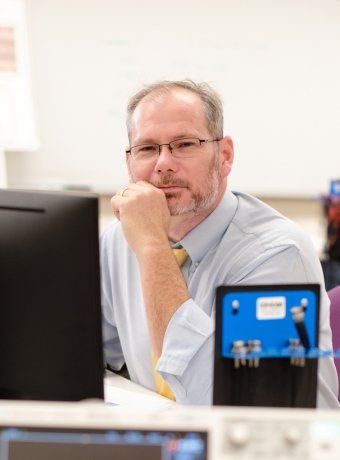
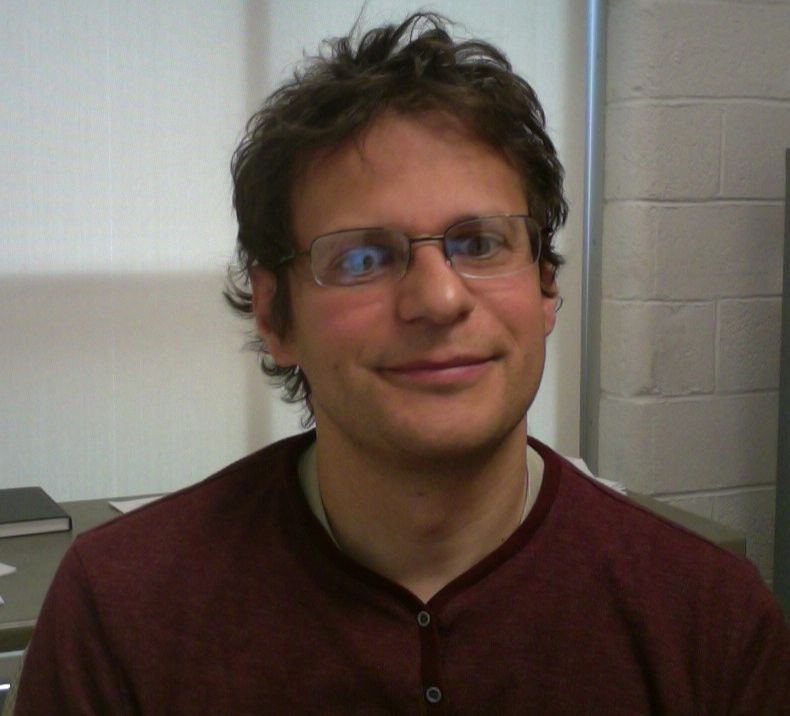
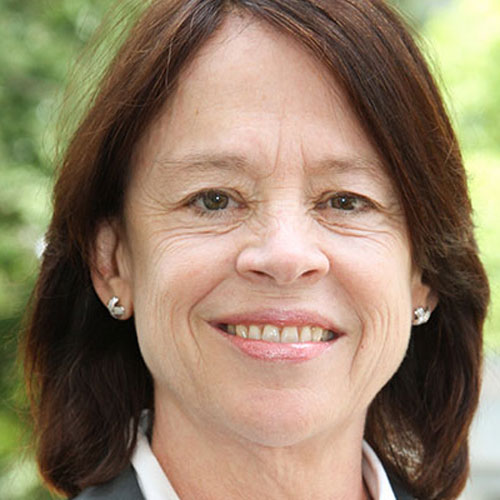
Dr Emily Hewson is a Cancer Institute NSW Early Career Fellow and member of the Sydney School of Health Sciences at the University of Sydney's Faculty of Medicine and Health. Her research focuses on advancing real-time radiation therapy techniques, particularly in managing intrafraction motion for prostate and other cancers. She leads projects involving multileaf collimator (MLC) tracking, dose optimization, and deep learning integration in radiation oncology. Research interests include adaptive radiotherapy systems, kilovoltage intrafraction monitoring (KIM), and clinical trial implementation (e.g., TROG 15.01 SPARK trial). Her work emphasizes improving treatment accuracy through real-time dose-guided approaches and multitarget tracking for tumors with complex motion patterns. Developed experimental validations for MRI-linac integration and MLC tracking systems Authored a textbook chapter on Adaptive Radiation Therapy (ART) Recipient of Cancer Institute NSW Early Career Fellowship (2023) Recent grants include an AI platform for targeted radiotherapy (2024) and national critical infrastructure funding for lung cancer applications (2023). Her lab collaborates on real-time dose calculation algorithms and clinical trial implementation across multiple institutions.
Christopher T. Middlebrook is a Professor of Electrical and Computer Engineering at Michigan Technological University (MTU), with an affiliated appointment in the Physics department. He holds a visiting faculty research engineer position at Scientific Applications International Corporation (SAIC) supporting the DoD Executive Agent for Printed Circuits and has served as visiting faculty at the Naval Surface Warfare Center Crane (2016–2020). His expertise spans integrated optical devices, electronic substrate manufacturing, and photonics. Middlebrook leads the Plexus Innovation Laboratory, a campus electronics maker space, and has pioneered PCB fabrication education through courses and media contributions. Education: PhD in Optics from the University of Central Florida, MS in Applied Optics from Rose-Hulman Institute of Technology, and BS in Electrical Engineering from MTU. His research focuses on electro-optic polymers, optoelectronic integration, and advanced manufacturing techniques. He has published 49 papers, holds two patents, and secured grants totaling over $970K, including the Michigan Economic Development Corporation-funded 'Back-End Semiconductor Curriculum' initiative (2024). Research highlights include developing UV resin printer methods for PCB prototyping, optimizing polymer waveguides, and advancing quantum communication technologies. Awards include the HKN Professor of the Year (multiple years), Michigan Tech Graduate Mentor Award, and IPC Carano Teacher Excellence Award. His work bridges academia and industry, emphasizing hands-on learning and innovation. Key Grants: Back-End Semiconductor Curriculum for Advanced Substrates: $970K (2024) Mesosphere Observation Mission (MOMBO): $38K (2022–2023) Labs/Teams: Plexus Innovation Lab, MTU's Electronics Maker Space Courses Taught: EE2230 PCB Fabrication, EE3190 Optical Sensing, EE5500 Stochastic Processes, and 15+ others emphasizing photonics and optoelectronics.
Vladimir Itskov is an Associate Professor in the Department of Mathematics at The Pennsylvania State University, affiliated with the Eberly College of Science. His research focuses on theoretical neuroscience, applied algebraic topology, and neural networks. He holds a Ph.D. in Mathematics from the University of Minnesota (2002) and a B.S. from Moscow Institute of Electronics and Mathematics (1995). His career includes roles at the University of Nebraska-Lincoln (2009–2014), Columbia University’s Center for Theoretical Neuroscience (2006–2009), and Rutgers University (2004–2006). Research interests include understanding neural coding, network dynamics, and topological methods in neuroscience. Notable work involves applying algebraic topology to analyze neural correlations and developing models for neural network behavior. He has received grants from NIH, NSF, and DARPA, focusing on projects like olfactory coding and neural network dynamics. His lab, the Mathematical Neuroscience Laboratory, develops computational tools and collaborates on interdisciplinary projects. Software packages are hosted on GitHub (nebneuron repository). Publications span journals such as PNAS, SIAM, and Neural Computation, addressing topics from clique topology to competitive network dynamics. His theoretical contributions emphasize bridging data-driven neuroscience with mathematical rigor.
Dr. Jean-Christophe Nave is an Associate Professor in the Department of Mathematics and Statistics at McGill University. He holds a PhD from the University of California, Santa Barbara (2004), under advisors Xu-Dong Liu and Sanjoy Banerjee. Prior to McGill, he served as a Lecturer and Instructor at MIT's Mathematics Department (2005-2010). His research focuses on numerical analysis, partial differential equations, fluid mechanics, and computational methods for interface problems. He has led research groups involving postdocs, PhD, and undergraduate students, collaborating on projects like the Correction Function Method for PDEs and the Characteristic Mapping Method for advection problems. Education: Ph.D. in Applied Mathematics from UCSB (2004). Affiliations include the Institut des Sciences Mathematiques Steering Committee, Centre de Recherches Mathematiques Applied Math Lab, and CNRS-UMI. Active in teaching courses like Numerical Analysis I/II and Non-Linear Dynamics at McGill, with sabbatical periods noted in recent years. Research interests span numerical methods for PDEs, fluid-structure interaction, and multi-phase flows. His work integrates computational geometry and invariant numerical techniques, addressing challenges in complex fluid dynamics and interface-driven phenomena. Over 40 peer-reviewed publications and continuous contributions to the field of computational applied mathematics. Scientific advising includes over 20 graduate and undergraduate students, with notable alumni now in academia and industry. Collaborations include projects on volcano dynamics, fiber drawing instabilities, and concentrated solar power systems. His methods have advanced numerical simulations for engineering and physical systems involving discontinuous coefficients and sharp interfaces.
Xihong Lin is a Professor of Statistics at Harvard University and a Professor of Biostatistics at the Harvard T.H. Chan School of Public Health. She is a distinguished academic, holding membership in both the National Academy of Sciences and the National Academy of Medicine. Her research focuses on scalable statistical inference for big data, statistical machine learning, causal inference, and integrative data analysis, with applications in genomics, public health, and precision medicine. Lin’s work addresses challenges in analyzing large-scale genomic and multi-ancestry data, including methods for rare variant association testing, ancestry-adjusted sample analysis, and scalable computing frameworks. Her contributions span biobank studies (e.g., UK Biobank, TOPMed) and clinical applications in lung cancer, cardiovascular health, and smoking cessation. Her scientific awards reflect her leadership in statistical genetics and public health. Key research trends include leveraging single-cell sequencing for functional genomics, developing ensemble machine learning methods for health subtyping, and enhancing polygenic risk prediction across diverse populations. Lin’s methodologies prioritize interpretability and scalability, enabling impactful analyses of complex observational and genomic datasets. Awards: Member, National Academy of Sciences; Member, National Academy of Medicine Her grants and advising efforts focus on interdisciplinary collaborations, bridging statistics, AI, and domain sciences. Lin leads initiatives to improve genomic data management and ethical use of federated data (e.g., FADI framework). She is affiliated with labs advancing statistical genetics and cloud-based workflows (e.g., STAAR workflow).
Nicola Nicolici is a Professor in the Department of Electrical and Computer Engineering at McMaster University. His research focuses on methods and algorithms for the design of digital integrated circuits and systems, with significant contributions in manufacturing test, post-silicon validation and debug. His work has expanded to include embedded systems, low-energy computing, and custom hardware-accelerated computing systems. Professor Nicolici's research interests span multiple areas of digital system design and validation. His early work focused on manufacturing test methodologies and power-aware testing strategies for integrated circuits. More recently, he has made significant contributions to post-silicon validation techniques, including constrained-random stimuli generation, trace signal selection, and bit-flip detection. His research has evolved to address emerging challenges in embedded computing systems, low-energy design, and specialized hardware acceleration for various applications including deep neural networks and signal processing. His recent publications reveal a strong trend toward hardware acceleration for specialized computing tasks. The research spans matrix multiplication algorithms (Strassen and Karatsuba), memory system optimization (DDR5 calibration), FPGA-based radar processing, and neural network acceleration. His work consistently bridges theoretical algorithm development with practical hardware implementation considerations, particularly focusing on precision analysis, fault tolerance, and energy efficiency. The research demonstrates a clear progression from traditional digital circuit testing to more complex system-level validation and acceleration techniques. Professor Nicolici has been actively involved in teaching courses related to system-on-chip design and test, digital systems, and embedded systems. His teaching portfolio includes advanced courses such as System-on-Chip (SOC) Design and Test and Digital Systems Design , reflecting his expertise in the field. While specific grant information isn't detailed in the provided text, his extensive publication record suggests ongoing research funding support. His research has contributed significantly to the fields of digital circuit testing, post-silicon validation, and hardware acceleration. The work has practical applications in semiconductor manufacturing, embedded systems design, and specialized computing architectures. His recent focus on neural network acceleration and memory system optimization reflects the evolving landscape of computer architecture research.
Junier Oliva is an Assistant Professor in the Department of Computer Science at the University of North Carolina at Chapel Hill and Lead Faculty of the Master of Applied Data Science program. His research focuses on machine learning, artificial intelligence, and nonparametric statistics, particularly in high-dimensional density estimation, sequential modeling, and learning from complex/structured data. He holds a B.S., M.S., and Ph.D. in Computer Science from Carnegie Mellon University, with prior industry experience at Yahoo! and Uber ATG. Research Interests: Machine learning, artificial intelligence, nonparametric statistics, deep learning, statistical data mining, signal processing, kernel methods, and scalability. His work bridges machine and human learning via collective approaches, emphasizing simple yet flexible models for massive datasets. Awards/Grants: $592K AIM-AHEAD/NIH Grant for Human+AI Collaboration $594K NSF Grant for Scientific Discovery $500K NSF Grant for 'Machine Detectives' Project ACM BCB Best Paper Award (2022) for transparent single-cell classification work Labs/Teams: Director of the LUPA Lab, which develops machine learning techniques for holistic data understanding across domains like healthcare, earth science, and computer vision.
F. Ömer Ilday is a distinguished physicist and Alexander von Humboldt Professor at Ruhr University Bochum since July 2023, holding a joint appointment in the Faculty of Electrical Engineering and Information Technology and Faculty of Physics and Astronomy. His pioneering work in ultrafast laser technology has transformed non-linear laser-matter interactions, with applications spanning precision manufacturing, medical surgery, and nanofabrication. Education: PhD in Physics, Cornell University (2003) Postdoctoral Research Scientist, Massachusetts Institute of Technology (2003-2005) Ilday's research centers on ultrafast laser development and materials science, focusing on GHz-repetition-rate burst-mode systems, nonlinear laser lithography, and self-organization phenomena. His interdisciplinary approach bridges photonics, plasma physics, and materials engineering to enable breakthroughs in nanostructuring, silicon processing, and laser-based manufacturing. Current work emphasizes developing high-power laser sources and exploring fundamental laser-matter interaction mechanisms for next-generation applications. His recent publications (2023-2025) reveal dominant trends in high-repetition-rate burst-mode lasers (up to 50 GHz), ablation efficiency optimization, and nonlinear laser lithography for 3D silicon structuring. These works demonstrate strong convergence between fundamental physics and industrial applications, particularly in medical surgery, nanofabrication, and materials synthesis, with increasing emphasis on self-organization principles in laser systems. Scientific awards: Turkish Academy of Sciences Outstanding Young Scientist Award (2006) Marie Curie International Reintegration Grant (2006) ERC Consolidator Grant (2014) - Turkey's first ERC Advanced Grant (2022) Election to Academia Europaea Election to Turkish Academy of Sciences Membership in Turkish and American Physical Societies Ilday has secured major competitive grants including two ERC awards and a Marie Curie fellowship, directing research teams at Bilkent University's Ultrafast Optics & Lasers Laboratory (UFOLAB) which developed technologies adopted globally. At RUB, he is establishing the Center for Complex Laser-Matter Interactions as an interdisciplinary hub fostering collaborations between photonics, plasma research, and materials science, with explicit goals for spin-off company formation and transdisciplinary innovation in manufacturing technologies. As founding director of UFOLAB at Bilkent University, Ilday developed laser systems deployed by research institutions worldwide and established Turkey's first laser company. His RUB center integrates electrical engineering and physics expertise to advance complex laser-matter interaction research, focusing on self-organizing laser systems, nanostructuring techniques, and applications in semiconductor manufacturing and medical technology through close industry partnerships.
Yoon Ji-hyun is a Professor in the Department of Food and Nutrition at Seoul National University's College of Human Ecology. Her work focuses on food service management, nutrition policy, and dietary behavior analysis, with a particular emphasis on multicultural dietary practices and sustainable development in food systems. Education: Bachelor's in Food and Nutrition (SNU), BBA (SNU), MS in Hotel, Restaurant, and Institution Management (Iowa State University), PhD in Hospitality and Tourism Management (Purdue University). Leadership Roles: Associate Dean (2019-2021), Director of Ho-Am Faculty House (2010-2012), and multiple directorships in nutrition policy centers. Her research integrates public health and consumer behavior, analyzing topics like pandemic-induced dietary changes, school lunch standards, and food safety anxiety. She has led projects on non-face-to-face food safety management, food education policies, and sodium-reduced environments, funded by South Korea's Ministry of Food and Drug Safety, Ministry of Education, and others. Professor Yoon's work also addresses urban dietary trends, including single-person households' kitchen needs and workers' meal patterns, using data from national health surveys and time-use studies. She has contributed to regional and inter-Korean comparative studies on nutritional disparities and dietary guidelines. She teaches courses on foodservice management, consumer market analysis, and graduate-level research methodologies, while serving as Vice President in several academic societies, including the Korean Society of Dietary Culture and Korean Cancer Association.
Eduardo Mercado III is a Professor in the Department of Psychology at the University at Buffalo, College of Arts and Sciences. His research focuses on bioacoustics, cognitive psychology, and marine ecology, particularly the vocal behavior of humpback whales and its implications for understanding human impact on marine ecosystems. He is also known for his work in perceptual learning, autism spectrum disorder, and comparative cognition. Scientific Awards Guggenheim Fellowship Harvard Radcliffe Institute Fellowship Research Trends His recent publications emphasize bioacoustic analysis of humpback whale songs, including their spectral entropy, cyclical variations, and adaptive adjustments to anthropogenic noise. Additional work explores perceptual learning mechanisms in autism, neural network modeling for acoustic classification, and cognitive processes in canines and rodents. Projects Mercado’s “Singers as Sentinels” project combines acoustic analysis of humpback whale songs with public awareness initiatives about ocean noise pollution. The project will produce a book, Why Whales Sing and Dolphins Don’t , and a web-based interface for public engagement.
Dr. Xiaopeng Li is the Harvey D. Spangler Professor in the Department of Civil and Environmental Engineering at the University of Wisconsin-Madison, with an affiliation in the Department of Electrical and Computer Engineering. He leads the USDOT Rural Autonomous Vehicle Program and previously directed the National Institute for Congestion Reduction. He earned his B.S. in Civil Engineering from Tsinghua University (2006), M.S. in Civil Engineering (2007), M.S. in Applied Mathematics (2010), and Ph.D. in Civil Engineering (2011) from the University of Illinois at Urbana-Champaign. His research focuses on modeling and field experiments for connected, electric, and automated vehicles (CAVs), infrastructure systems analysis, and interdependent network modeling. He has pioneered physics-enhanced machine learning frameworks for vehicle control and developed simulation tools for CAV deployment. His 2025-2024 publications highlight advancements in Connected vehicle trajectory modeling Energy consumption optimization Edge computing for autonomous operations Residual learning control systems Equity analysis in AV deployment Communication technologies for V2X Awards include: TRB Best Paper Award (2025) NSF CAREER (2015) ASCE Fellow (2024) IEEE Senior Member (2022) Multiple institution-specific fellowships He has advised 15+ graduate students, secured $35M+ in grants from NSF, USDOT, and industry partners, and chairs the IEEE ITSS Emerging Transportation Technology Testing committee. His work addresses real-world AV implementation, safety validation, and sustainable transportation systems.
Alex Shestopaloff is a Lecturer in Statistics at Queen Mary University of London (QMUL), affiliated with the School of Mathematical Sciences. Previously, he was a Research Fellow at the Alan Turing Institute (2017–2020) and a Junior Research Fellow at Campion Hall, Oxford. He holds a PhD in Statistics from the University of Toronto (2016), supervised by Radford M. Neal. His research focuses on developing efficient MCMC methods, high-dimensional time series analysis, network science, and applications in financial market microstructure. Education: PhD in Statistics, University of Toronto (2016) Supervisor: Radford M. Neal Research Interests: Bayesian online learning in non-stationary environments Limit order book modeling and trading strategies Graph clustering and network analysis Statistical methods for high-dimensional data Algorithmic trading and cryptocurrency markets His recent work spans financial engineering, machine learning, and statistical methodologies. Notable contributions include cluster-based trading strategies (ClusterLOB), generalized Bayesian filtering frameworks, and scalable graph analysis techniques. Collaborations with industry partners (e.g., Wise Plc) highlight applied research in financial systems. Advising & Alumni: Current advisees include Yichi Zhang (Oxford), Maria Fernanda Pintado (QMUL), and Dave Lui (Oxford) Alumni: Gerardo Duran-Martin (Postdoc at Oxford-Man Institute), Claudio Bellani (Citadel Securities) Labs/Teams: Leads interdisciplinary projects at QMUL and collaborates with the Alan Turing Institute on financial and network science initiatives.
Dr. Michelle Lampl is the Charles Howard Candler Professor at Emory University and Director of the Emory Center for the Study of Human Health. She holds leadership roles in the Emory-Georgia Tech Predictive Health Initiative and the Center for Health Discovery & Well Being. Her academic career spans over three decades, with a focus on human growth and development from an interdisciplinary perspective. Dr. Lampl earned her PhD (1983) and MD (1989) from the University of Pennsylvania. Her research revolutionized understanding of growth patterns through her discovery of saltatory growth (spurt-based growth cycles). Current studies investigate genetic/environmental interactions influencing growth, including hormonal, nutritional, and immunological networks. Her research portfolio includes collaborations with international institutions like the University of Southampton (UK) and NIH-funded projects through NICHD. Over 100 peer-reviewed publications highlight her contributions to developmental origins of health and disease (DOHaD), fetal programming, and pediatric growth mechanisms. Dr. Lampl pioneered the undergraduate College programs in human health and co-developed Emory’s Predictive Health strategic plan. She launched the Predictive Health & Society minor and contributes to the Molecules to Mankind graduate program. Her awards include AAAS Fellowship (2010) and Emory’s top teaching honor. Key areas of impact: Established growth chart limitations through saltation theory Linked maternal nutrition to fetal growth trajectories Advocated for interdisciplinary health education
Amir Asif is a Professor at the Lassonde School of Engineering, York University, and concurrently serves as Vice President, Research and Innovation. His academic leadership roles include Dean of the Gina Cody School of Engineering and Computer Science at Concordia University (2014-2020). He specializes in signal processing, communications, and their applications in healthcare, power grids, and distributed systems. Asif holds a PhD from Carnegie Mellon University and a Harvard certification in executive leadership. Education: PhD, Electrical and Computer Engineering, Carnegie Mellon University (1996) MS, Electrical and Computer Engineering, Carnegie Mellon University (1993) BSc, University of Engineering and Technology Lahore (1990) Harvard Certificate in Leadership for Senior Executives (2018) Research Interests: Asif’s work spans signal processing for medical imaging (e.g., ultrasound elastography), smart grid optimization, and cybersecurity in power systems. His recent publications address hydrogen energy systems, EMG-based gesture recognition, and resilient control frameworks against cyberattacks. Grants & Leadership: He leads NSERC-funded projects on federated learning and resilient algorithms. He chairs the Ontario Council of University Research and serves on TRIUMF Innovations and the Richmond Hill Board of Trade. His grants include SSHRC funding for equity initiatives and NSERC support for distributed signal processing. Teaching & Mentorship: Asif has supervised over a dozen graduate students and taught courses like Digital Communications and Statistical Signal Processing Theory. Notable advisees include Arash Mohammadi (PhD, 2014) and Nick Sajadi (PhD, 2017).
Dr. Gary Glover is a Professor of Radiology (Radiological Sciences Lab) at Stanford University , with courtesy appointments in Psychology and Electrical Engineering. His work focuses on the physics and mathematics of MRI, particularly rapid scanning methods using spiral k-space trajectories for functional brain imaging and multimodal neuroimaging (fMRI/EEG/fPET/fNIRS) combined with neuromodulation techniques like TMS and transcranial ultrasound. Academic Appointments: Radiology, Psychology, Electrical Engineering Professional Affiliations: Bio-X, Stanford Cancer Institute, Wu Tsai Neurosciences Institute Research Interests include: Development of blood oxygen level-dependent (BOLD) and viscoelastic contrast in MRI Functional MR Elastography for brain activation mapping Optimization of MR-ARFI for transcranial ultrasound guidance Automated spinal cord segmentation (EPISeg) using machine learning Scientific Awards : National Academy of Engineering (2013) Gold Medal, ISMRM (2000) Steinmetz Award, General Electric (1985) Lauterbur Lecture, ISMRM (2018) Recent Publications analyze: Fast fMRI sampling and spurious signal correction Dissociated patterns in default mode network anti-correlations Neural correlates of collaborative behavior in triadic fMRI Salience network contributions to depression pathophysiology