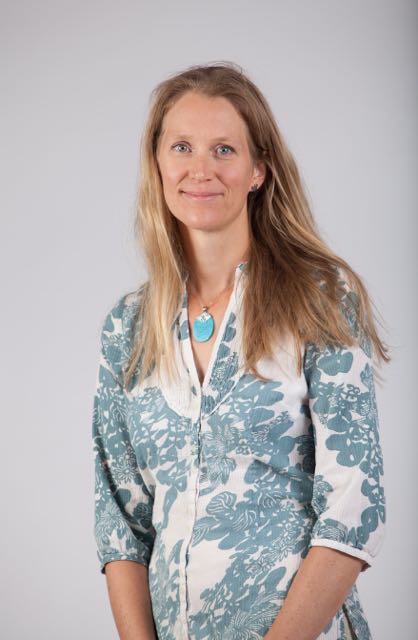
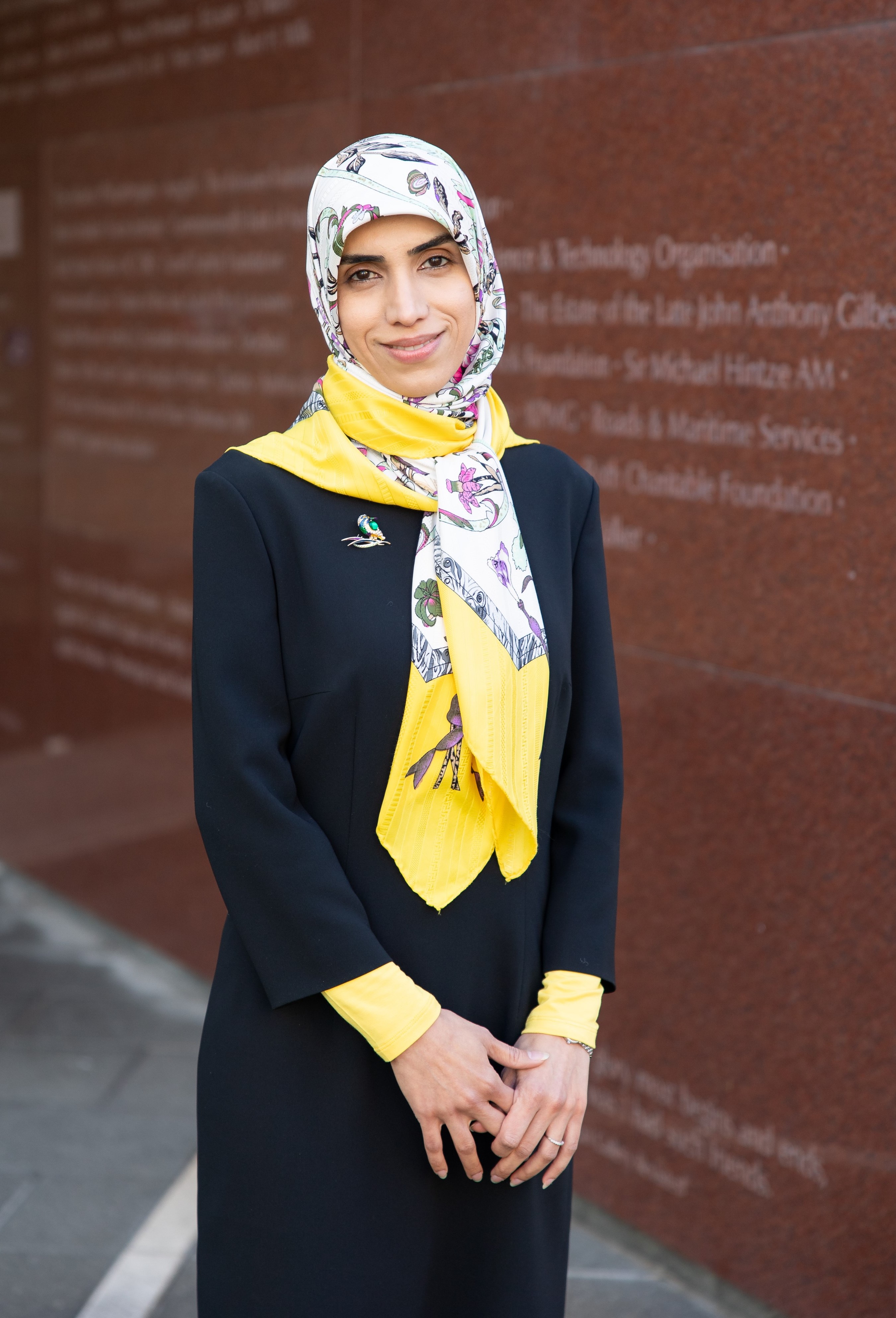
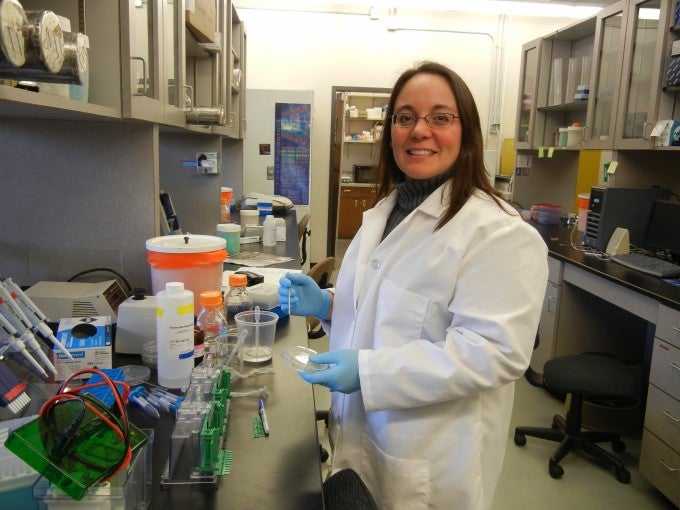
Karen Eilbeck is Professor of Biomedical Informatics and Adjunct Associate Professor of Human Genetics at the University of Utah , where she directs a bioinformatics research lab focused on precision medicine and genomic data management. Education B.S., University of Salford, United Kingdom Ph.D., University of Manchester, United Kingdom Research Interests The Eilbeck lab leverages computer science and ontology engineering to address contemporary questions in genomics and molecular biology. Central themes include: Development of ontologies such as the Sequence Ontology (SO) and Non-Coding RNA Ontology (NCRO) to standardize and structure biological data. Design of ontology-enabled software tools that enhance data sharing, variant interpretation, and precision medicine workflows. Metagenomic pathogen detection, clinical genome interpretation, and integration of multi-omics datasets to advance personalized healthcare. Publication Trends Recent publications (2023-2025) emphasize AI-driven clinical decision support, standardized genomic terminology, and large-scale infectious-disease risk modeling. Earlier works (2005-2018) established foundational ontologies and data formats (GVF, VCF) now widely adopted by the genomics community. Contact & Resources Email: keilbeck@genetics.utah.edu Lab website: available via University of Utah Department of Biomedical Informatics Full publication list: PubMed search | Google Scholar
Sharif S. Aly is a Professor of Epidemiology and Biostatistics in the Department of Population Health and Reproduction at the School of Veterinary Medicine, University of California, Davis. He has been a faculty member since May 2010, developing quantitative and epidemiological methods to advance the health, welfare and productivity of food animals. Dr. Aly is also enthusiastic about teaching epidemiology to veterinary and graduate students. As a veterinary epidemiologist, Dr. Aly specializes in dairy cattle infectious diseases and welfare. His research interests span Veterinary Medicine, Epidemiology, Infectious Diseases, Dairy Cattle Health, Antimicrobial Resistance, Data Science, Machine Learning, and Population Health. He develops innovative quantitative approaches to address complex challenges in food animal health and productivity. Dr. Aly's publication record demonstrates a strong focus on antimicrobial resistance, dairy cattle health, and diagnostic methods. His work frequently employs advanced statistical methods, machine learning approaches, and epidemiological modeling. Recent publications show increasing emphasis on the One Health approach, connecting animal health, human health, and environmental factors, particularly in relation to antimicrobial resistance and food safety. Dr. Aly serves as an Editorial Board Member for PeerJ - the Journal of Life & Environmental Sciences, reflecting his standing in the scientific community. His contributions as an author, reviewer, and editor demonstrate his commitment to advancing research in veterinary medicine and epidemiology. Dr. Aly leads the Dairy Epi Lab (Aly Lab), which focuses on effectively surveying large populations, novel scoring systems, diagnostic strategies, and risk assessment development. The lab collaborates with various research teams dedicated to improving dairy cattle health and productivity through evidence-based approaches, particularly in the areas of calf and adult cow health, foodborne pathogens, and antimicrobial resistance.
Dr. David Fox is an Associate Professor in the Department of Chemistry at the University of Warwick. His research focuses on synthetic organic and medicinal chemistry, drug discovery and development, asymmetric and catalytic reactions, and synthetic route design for lead molecules. Current projects include medicinal chemistry for enzyme inhibitors, synthetic methodology for heterocycles, and collaborations with RxCelerate Ltd. He teaches undergraduate modules CH222 Speclab, CH271, CH3E9, and CH408. Research Interests: Specializing in small molecule and asymmetric synthesis, with applications in medicinal chemistry/drug discovery and GMP process development. Key areas include drug molecule design, fast synthesis methods, and synthetic route optimization. Publications & Patents: His work spans synthetic methods for autophagy inducers, anti-inflammatory agents, ligands for GPCRs, and molecular imaging of reactive intermediates. Collaborations with IBM Zurich on NC-AFM/STM have enabled structural analysis of otherwise unisolable molecules. Education: BA and DPhil from the University of Oxford, followed by postdoctoral research at Cambridge. Students: Supervises PhD/MSc students Matthew Clayton, Matthew Taylor, and Emma Scott.
Nicole R. Sexton, PhD is an Assistant Professor at the University of Nebraska-Lincoln in the School of Biological Sciences and the Nebraska Center for Virology. Her research focuses on viral genetic adaptations that permit viruses to survive and flourish in alternating host environments, particularly RNA arboviruses that cycle between arthropod and vertebrate hosts. Education: Postdoctoral fellowship, Colorado State University Ph.D., Vanderbilt University B.S., University of California – Santa Cruz A.S., Santa Rosa Junior College Dr. Sexton's research interests center on viral genetic robustness, particularly in pathogenic viruses that cycle between arthropod and vertebrate hosts. She investigates how arboviruses like Zika, chikungunya, Dengue, Japanese encephalitis, and Rift Valley fever viruses balance high mutation rates with cyclical transmission between different host species. Her work examines viral strategies to evade distinct immune functions across host species, how viral genetic robustness affects infection in different hosts, how arboviral populations prevent disruption from deleterious mutations while maintaining diversity for selection, and the distinct pressures applied to arboviruses from their arthropod hosts. Analysis of Dr. Sexton's recent publications (2016-2023) reveals a strong focus on viral evolution, particularly in arboviruses and coronaviruses. Her work spans molecular virology, host-virus interactions, viral genetics, and epidemiology. Key themes include viral adaptation to multiple hosts, mutation rates and genetic diversity, vector competence, and SARS-CoV-2 transmission dynamics. Her research employs multi-tiered approaches including bioinformatics, computational comparisons, molecular biology, classical virology, mosquito infections, and high-throughput sequencing technologies. Dr. Sexton leads the Sexton Lab at the University of Nebraska-Lincoln, which investigates mechanisms of efficient spread by arboviruses and virus traits associated with host preferences. The lab utilizes various approaches to study host-virus interactions, with a particular focus on how viruses maintain genetic robustness while adapting to alternating host environments.
Brian T. Cunningham is a distinguished academic holding multiple professorships and leadership roles at the University of Illinois at Urbana-Champaign. He serves as the Intel Alumni Endowed Chair in Electrical and Computer Engineering (ECE), Program Leader at the Cancer Center at Illinois, and Professor in departments including Bioengineering, Micro and Nanotechnology Lab, Biomedical and Translational Sciences, Nutritional Sciences (Affiliate), Chemistry, and the Beckman Institute for Advanced Science and Technology. He also directs the Center for Genomic Diagnostics at the Carl R. Woese Institute for Genomic Biology. His research focuses on advanced biosensor technologies, photonic crystal engineering, and nanotechnology-driven diagnostics. Key areas include photonic crystal-enhanced fluorescence, label-free detection systems, and portable point-of-care devices. His work integrates photonics, plasmonics, and DNA-based nanostructures for ultrasensitive viral and molecular diagnostics. Notable honors include AAAS Fellow (2016), AIMBE Fellow (2013), and IEEE Fellow (2012). He leads interdisciplinary teams in the Micro and Nanotechnology Lab and collaborates across engineering, biomedical, and genomic fields to advance diagnostic tools for healthcare and biomedical research. Research Themes: Photonic crystals, biosensors, nanotechnology, medical diagnostics, and DNA-based nanodevices. Labs/Initiatives: Micro and Nanotechnology Lab, Center for Genomic Diagnostics, Personalized Nutrition Initiative. Technology Highlights: PRAM (Photonic Resonator Absorption Microscopy), DNA NanoGripper, and smartphone-linked diagnostic platforms.
Associate Professor Fatemeh Vafaee is a leading researcher at the University of New South Wales (UNSW) , holding appointments as Associate Professor in the School of Biotechnology and Biomolecular Sciences (BABS) and Deputy Director (Science) of the UNSW AI Institute . She previously served as Deputy Director of the UNSW Data Science Hub (uDASH) and has held academic positions at the University of Toronto and the University of Sydney. PhD in Artificial Intelligence from University of Illinois at Chicago Postdoctoral Fellowships at University of Toronto and University of Sydney Founded the AI-Enhanced Biomedicine Laboratory in 2017 Her research focuses on deploying advanced AI techniques to address biomedical challenges through: Biomarker Discovery for cancer and neurodegenerative diseases Single-Cell Multi-Omics data integration and analysis Computational Drug Repositioning and network pharmacology Multi-Omics Data Fusion and temporal network modeling Recent publications demonstrate expertise in liquid biopsy development , single-cell imaging , and AI-driven cancer diagnostics . Her methodological contributions include novel deep learning architectures for omics data analysis and graph neural networks for drug synergy prediction. Scientific accolades include: Winner, Women in AI Asia-Pacific Health Award (2023) Runner-Up, WAI-APAC Innovator of the Year (2023) Top 10 Women in AI in Asia-Pacific (2023) Australian Bioinformatics and Computational Biology Society Research Excellence Award (2023) She supervises PhD candidates across computational biomedicine and AI in healthcare , with significant grant achievements exceeding $17M in competitive funding, including schemes from ARC Discovery , NHMRC , and Medical Research Future Fund .
Juliette Tinker, Ph.D., is a Professor in the Department of Biological Sciences at Boise State University (BSU), part of the College of Arts and Sciences. She joined BSU in 2005. Her research focuses on developing mucosal vaccines using non-toxic bacterial enterotoxins as adjuvants, particularly targeting Staphylococcus aureus infections in humans and dairy cattle. Her work aims to reduce antibiotic dependency and improve health outcomes through safe, cost-effective vaccine delivery methods. Dr. Tinker holds a B.S. from Washington University (1994), a Ph.D. from the University of Iowa (2000), and completed postdoctoral training at the University of Colorado Health Sciences Center (2000–2005). She teaches courses including Introductory Microbiology, Pathogenic Microbiology, and Vaccinology. Her research group has engineered chimeric proteins combining Staphylococcus aureus antigens with cholera toxin domains to create vaccines effective against bovine mastitis, a costly condition affecting dairy cattle. This work extends to exploring Salmonella enteriditis toxins and their adjuvant potential. Dr. Tinker’s lab has produced patented vaccines, including a Staphylococcus aureus vaccine recognized with the 2012 Idaho Innovation Award. Her scientific contributions include over 15 peer-reviewed publications, spanning vaccine efficacy, bacterial pathogenesis, and protein engineering. Students mentored include Brad Morris, Connor Richmond, Neha Misra (Ph.D. candidate), and others. Awards for trainees include grants from the International Society of Vaccines (Neha Misra) and poster awards at academic conferences. Dr. Tinker’s lab fosters interdisciplinary collaboration, addressing global health challenges through innovative vaccine strategies.
Clett Erridge is a Senior Lecturer in Immunology at Anglia Ruskin University (ARU), affiliated with the Medical Technology Research Centre, School of Life Sciences, and Faculty of Science and Engineering. His research focuses on molecular mechanisms linking inflammation to lipid metabolism, particularly in coronary artery disease, and novel approaches to enhance macrophage phagocytosis of tumor cells. He holds a BSc (Molecular Biology, 1997) and PhD (Molecular Immunology, 2003) from the University of Edinburgh. Postdoctoral research at Strathclyde and Leicester Universities explored oxidised lipids' impact on innate immunity and lipid metabolism. Current work addresses innate immune signaling in metabolic disease and cancer immunotherapy. Research interests include: mechanisms connecting pattern-recognition receptors to lipid metabolism; microbiota-derived regulators of immunity; and therapeutic strategies to boost macrophage-mediated tumor cell clearance. He supervises PhD students in macrophage lipid metabolism, atherosclerosis, and cancer immunotherapy drug development. Teaching responsibilities include MSc Laboratory Techniques module leadership, and contributions to courses like Clinical Immunology and Metabolism and its Control. Major grants include a £123,000 Oncobiopharm-sponsored study (2018-19) on therapeutic antibodies targeting annexin pathways, and a £54,000 Iraq-funded PhD studentship (2013-2016) on diet's role in atherosclerosis. Over £1M in research funding secured across 12 grants since 2003. Awarded Fellow of the Higher Education Academy and serves as Associate Editor for Frontiers in Immunology . Active in professional societies including the British Atherosclerosis Society and British Society for Cardiovascular Research. Key publications from 2003-2020 explore TLR signaling in atherosclerosis, dietary endotoxins' inflammatory effects, and macrophage foam cell formation mechanisms. Media engagements include BBC Radio Cambridgeshire and Medicalresearch.com interviews.
Brian Schmidt is a Professor at the University of Michigan specializing in Hebrew Bible and Ancient Mediterranean West Asian Cultures. His research focuses on the intersection of archaeology, ancient Israelite history, and biblical studies. He is affiliated with the International Institute for Secular Humanistic Judaism and the Center for Middle Eastern & North African Studies (CMENAS). Key publications include The Quest for the Historical Israel (co-authored with Israel Finkelstein and Amihai Mazar) and Israel's Beneficent Dead , exploring ancestor cults in ancient Levantine societies. His academic work bridges textual analysis and material culture, addressing debates about early Israelite history and religious practices. Schmidt has contributed to conferences such as the Biennial Colloquium of the International Institute for Secular Humanistic Judaism. His research often involves interdisciplinary collaboration, evidenced by his participation in the NIDDK Diabetic Foot Consortium and publications on diabetic foot ulcers, though his primary focus remains on ancient Near Eastern studies. Affiliations include the LSA (College of Literature, Science, and the Arts) and the International Institute, where he participates in academic initiatives promoting global studies and regional expertise. His office is located at 202 South Thayer Street, Ann Arbor.
Dr. Kevin K. Ariën is a Professor of Virology at the University of Antwerp and Head of the Department of Biomedical Sciences at the Institute of Tropical Medicine Antwerp (ITM). He specializes in virology, with a focus on HIV, arthropod-borne viruses (e.g., Chikungunya, Dengue), and emerging pathogens like SARS-CoV-2. His research spans viral fitness, transmission mechanisms, molecular interactions, and diagnostic tool development. He leads ITM's Virology Unit and directs the WHO Collaborating Centre for HIV/AIDS Diagnostics. Education: Master's (Vrije Universiteit Brussel, 2001), PhD (University of Antwerp, 2005). Affiliations: ITM, University of Antwerp, Outbreak Research Team, Insectary Core. Research interests include virus-host-vector interactions, molecular diagnostics, and (re-)emerging viruses. His team collaborates globally on field applications of diagnostics and reservoir studies. He advises on viral diagnostics and has received the 2015 Royal Flemish Academy Science Communication Prize. Key contributions: Ebola diagnostics during West African epidemics, development of rapid diagnostic tests, and studies on mpox and SARS-CoV-2 immune responses.
Deborah Power is a Professor and Researcher at the University of Algarve's Comparative Endocrinology and Integrative Biology department, based at CCMAR in Faro. Her work focuses on marine organism physiology, environmental impacts on aquatic life, and aquaculture sustainability. She leads projects addressing microplastic pollution, fish immunology, and climate change effects on marine species. Notable contributions include studies on metamorphosis in flatfish, shell growth mechanisms in bivalves, and pollutant impacts on fish health. Awards include membership in the Real Academia de Ciencias y Artes de Barcelona. Research interests span marine biology, biomineralization, and eco-toxicology. She coordinates EU projects like SeaCLEAN and MicroWaste, advancing marine conservation through interdisciplinary approaches. Recent publications emphasize microplastic mitigation strategies, fish immune system development, and ocean acidification effects on molluscs.
Zainulabeuddin 'Zain' Syed is an Associate Professor of Public Health Entomology at the University of Kentucky's Department of Entomology within the Martin-Gatton College of Agriculture, Food and Environment. His research focuses on insect chemical ecology, sensory physiology, and olfactory behavior, particularly in disease vectors and agricultural pests. He leads the Syed Laboratory, which investigates how insects detect and respond to chemical signals in their environment, with applications in pest and vector management. Dr. Syed earned his PhD in insect chemical ecology from the University of Neuchâtel, Switzerland, and has held postdoctoral positions at the Free University of Berlin and the University of California, Davis. His work integrates molecular biology, neurophysiology, and behavior to understand olfactory mechanisms in insects like mosquitoes, ticks, and fruit flies. Key research themes include the molecular basis of odor detection, evolution of olfactory receptors in closely related species, and the development of eco-friendly repellents/attractants. His lab collaborates on projects addressing vector-borne diseases (e.g., malaria, leishmaniasis) and agricultural pests (e.g., Drosophila suzukii).
Hanu R. Pappu is a Professor and holder of the Carl F. & James J. Chuey Endowed Chair in the Department of Plant Pathology at Washington State University's College of Agriculture, Human and Natural Resource Sciences. His research focuses on plant virology, particularly viruses affecting horticultural crops, with emphasis on molecular biology, genomics, and control strategies. Dr. Pappu earned his Ph.D. from the University of Alberta, an M.Sc. from the Indian Agricultural Research Institute, and a B.Sc. (Ag) from A.P. Agricultural University. His research program encompasses both fundamental and applied aspects of plant virus biology, with particular expertise in thrips-transmitted tospoviruses, plant pararetroviruses, potyviruses, and other viral pathogens affecting vegetables, ornamentals, and legumes. His research interests span plant virology, molecular biology of plant viruses, virus-host interactions, genomics of plant pathogens, proteomics of plant viruses, and the regulatory framework for transgenic plants and GM crops. Dr. Pappu has made significant contributions to understanding the molecular mechanisms of viral pathogenesis, virus-vector interactions, and developing diagnostic tools and management strategies for viral diseases. His work bridges fundamental molecular studies with practical field applications for disease management. Dr. Pappu's scientific publications demonstrate a strong focus on the epidemiology and molecular characterization of viruses affecting economically important crops, particularly tospoviruses like Tomato spotted wilt virus and Iris yellow spot virus. His research spans basic molecular studies through to field applications for disease management, with emphasis on integrated approaches combining genetic, cultural, and biotechnological solutions. Honorary Professor, University of Queensland, Australia (2019) Alexander von Humboldt Research Award (2018) Chuey Endowed Chair (2017) Fellow, American Phytopathological Society (2015) Fellow, National Academy of Agricultural Sciences of India (2016) International Research Fellow, Japan Society for Promotion of Science (2015) Dr. Pappu has mentored numerous graduate students and postdoctoral researchers, contributing significantly to the training of the next generation of plant pathologists. His research program has been supported by multiple grants from USDA, NSF, and other funding agencies, focusing on viral diseases of horticultural crops and their management. He leads several international collaborative projects with scientists across the globe, addressing viral diseases in diverse cropping systems. Dr. Pappu directs a comprehensive research program that includes laboratory studies of virus biology, field evaluations of disease management strategies, and extension activities to disseminate knowledge to growers and stakeholders. His laboratory investigates multiple aspects of plant-virus interactions, with particular focus on molecular mechanisms of pathogenesis and resistance, and he actively contributes to educational outreach through diagnostic services and development of educational materials for the agricultural community.
Jenny Schelin is a Senior Lecturer at Lund University's Faculty of Engineering (LTH), holding dual appointments at the Division of Biotechnology and Applied Microbiology within the Department of Chemistry and the Academic Development Unit. She also serves as Programme Director for the Pharmaceutical Technology Master's program and is a Profile Area Member for LTH's Food and Bio initiative. Her research focuses on food safety and food-borne virulence, particularly examining how pathogens like Staphylococcus aureus survive and produce toxins in food matrices and production environments. With expertise in microbial cultivation, detection methods, and risk analysis, her work targets increasing food safety while reducing waste in circular food systems. Recent publications demonstrate strong interdisciplinary connections between microbiology, packaging engineering, and sustainable agriculture. Her 15 most recent publications (2016-2024) reveal consistent focus areas: food safety risk assessment (43% of fingerprint), Staphylococcus aureus research (78%), and food waste reduction (66%). The work spans from fundamental microbiology to applied engineering solutions, with growing emphasis on sustainable packaging and circular food production systems since 2020. Lecturer of the year 2021 Teacher of the year 2019 Excellent Teaching Practitioner (ETP) 2014 Pedagogic Prize from Student Union (TLTH) 2012 As Educational Developer and Programme Director, she coordinates courses in packaging materials and the Erasmus Mundus Master in Food Innovation and Product Design. She chairs Sweden's National Network for Food Microbiology and serves as secretary for 'Livsmedelskollegiet', maintaining active national collaborations with food companies and international research partnerships. Current projects include FORCE (Center for Food Resilience), Siametics (sialic acid derivatives research), and Fermented Food innovation environments.
Gaya Amarasinghe is Alumni Endowed Professor of Pathology and Immunology, Professor of Biochemistry & Molecular Biology, and Professor of Molecular Microbiology at Washington University School of Medicine in St. Louis. She is affiliated with the Division of Laboratory and Genomic Medicine and the Roy and Diana Vagelos Division of Biology & Biomedical Sciences (DBBS), where she participates in the Biochemistry, Biophysics, and Structural Biology; Immunology; and Molecular Microbiology and Microbial Pathogenesis programs. She is also associated with the Institute for Public Health and the Bursky Center for Human Immunology & Immunotherapy Programs (CHiiPs). Dr. Amarasinghe received her BS in Biochemistry from City College of New York/CUNY (1997) and her PhD in Biochemistry from the University of Maryland, Baltimore (2001). Her educational background provided the foundation for her interdisciplinary research approach spanning biochemistry, structural biology, and virology. Her research focuses on understanding the molecular mechanisms of host-pathogen interactions, particularly at the host-viral interface during viral hemorrhagic fever infections. Dr. Amarasinghe's laboratory uses a multidisciplinary approach that spans length and time scales to characterize how viruses interact with host immune systems. Her work specifically investigates how viruses like Ebola evade innate immune responses, with emphasis on viral components such as VP35 and their interactions with host factors. She has made significant contributions to understanding viral immune evasion mechanisms, particularly how viruses block interferon signaling pathways. Analysis of Dr. Amarasinghe's publication record reveals a strong focus on viral pathogenesis, structural biology of host-pathogen interactions, and development of diagnostic tools for viral hemorrhagic fevers. Her research spans virology, immunology, structural biology, and biomedical engineering, with particular emphasis on Ebola virus, other filoviruses, and emerging viral pathogens. Recent work shows increasing interest in developing diagnostic tools for viral hemorrhagic fevers and understanding host factors involved in viral entry and pathogenesis. Dr. Amarasinghe has trained numerous students and postdoctoral fellows, creating a research environment that values equity, inclusiveness, and independent scientific inquiry within a team-based setting. Her mission is to train the next generation of biochemists and biophysicists while solving challenging questions at the host-pathogen interface. Her laboratory comprises a diverse team of researchers including staff scientists, postdoctoral research associates, research technicians, MD/PhD students, PhD students, and undergraduate researchers. This collaborative environment supports her multidisciplinary research program that interrogates biological systems from physical and structural perspectives at molecular, cellular, and organismic levels.