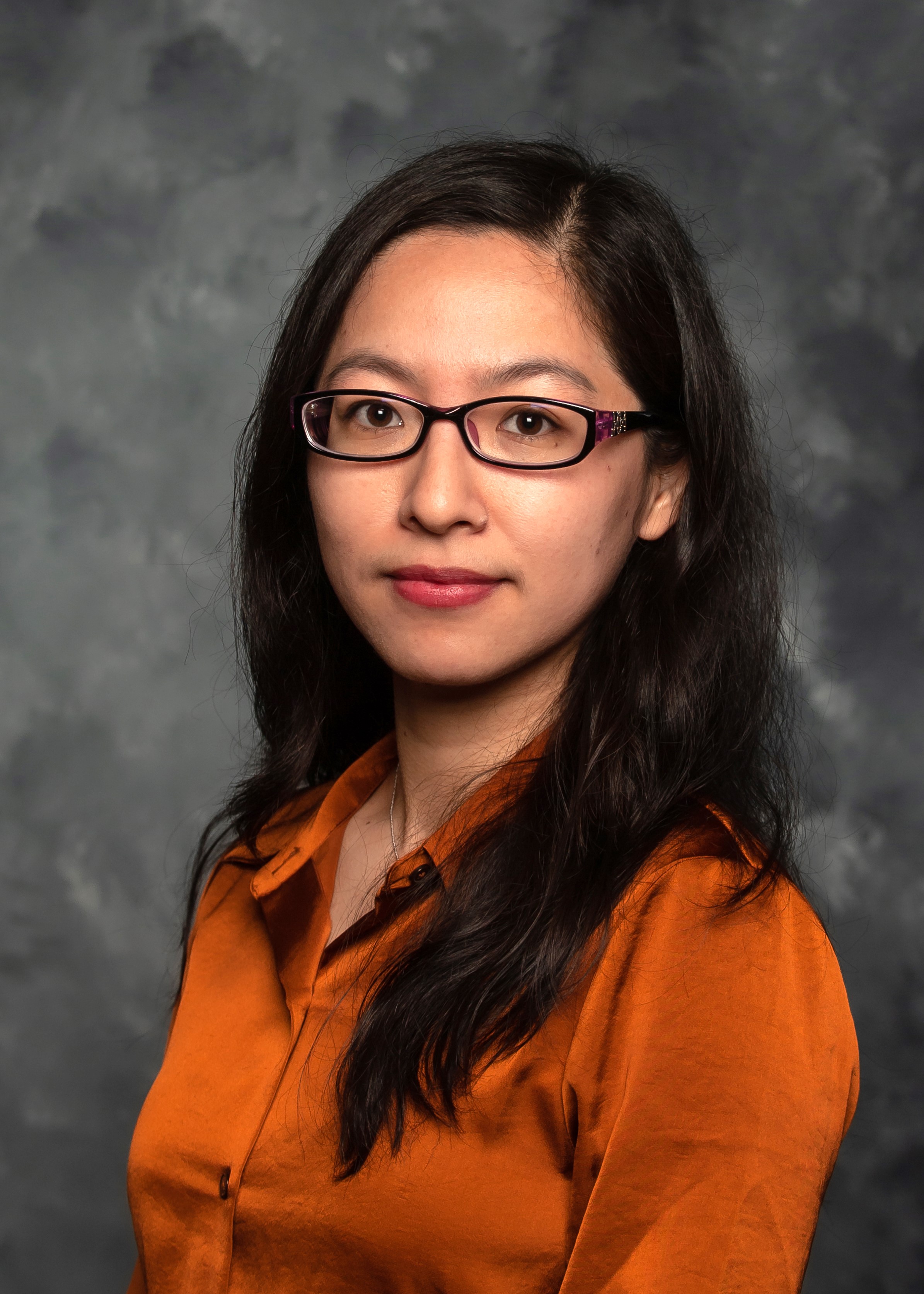
Heather K. Amato is an Assistant Professor in Global Environmental & Occupational Health at the University of Maryland. As an environmental epidemiologist, her research employs spatial and molecular epidemiology to investigate microbial pathogen transmission through a One Health framework. She evaluates interventions including water, sanitation, hygiene (WASH), and mass drug administration to combat pathogen spread and antimicrobial resistance (AMR). Her work emphasizes environmental pathogen surveillance and integrates community knowledge to identify exposure pathways among vulnerable groups such as mothers, young children, homeless populations, and farmworkers. Current collaborations span Nepal, Benin, India, and the United States. Dr. Amato is accepting PhD students for Fall 2025 admission.
Najib M. El-Sayed is a Professor at the University of Maryland, College Park, and Director of the Integrated Life Sciences Honors Program. His research focuses on host-pathogen interactions using genomic approaches, particularly in parasitism and bacterial infections. He teaches courses including Bioinformatics and Genomics (BISI620) and Programming for Biology (BISI622). His work combines molecular, computational, and phylogenetic tools to advance understanding of infection mechanisms, aiming to improve diagnostics and treatments for diseases caused by parasites and bacteria. El-Sayed holds a Ph.D. from Yale University School of Medicine (1993). His research group investigates the biology of Leishmania, Trypanosoma, and Streptococcus species, emphasizing genomic and transcriptomic analyses of host-pathogen interactions. Key areas include immune responses to infections, drug resistance mechanisms, and pathogen survival strategies. Recent work highlights molecular signatures predicting treatment outcomes in cutaneous leishmaniasis and computational tools like da_Tracker for tracking infected cells. El-Sayed’s laboratory collaborates with interdisciplinary teams to address global health challenges through genomics. His graduate affiliations include the Computational Biology, Bioinformatics & Genomics (CBBG) and Molecular & Cellular Biology (MOCB) programs at UMD. He has published extensively on topics ranging from antimonial resistance mechanisms to the role of metallothioneins in Leishmania survival.
Norberto Gonzalez-Juarbe is an Assistant Professor in the Department of Cell Biology and Molecular Genetics at the University of Maryland, College Park. His research focuses on viral infections' effects on cardiac and pulmonary systems, host-pathogen interactions, and antimicrobial resistance. He earned a B.Sc. in Microbiology from the University of Puerto Rico, a Ph.D. in Immunology and Microbiology from the University of Texas Health San Antonio, and completed postdoctoral training at the University of Alabama at Birmingham. Research Interests: Pandemic viral infections and their impact on cardiac and pulmonary injury (e.g., influenza, SARS-CoV-2) Host-pathogen interactions in bacterial colonization and infections Development of endolysin-based therapies and vaccines against Streptococcus pneumoniae Role of cell death pathways (e.g., necroptosis) in immunity and pathogenesis Environmental particle exposure and microbiome-driven asthma onset Antimicrobial resistance mechanisms and commensal-derived solutions Key Publications Trends: Recent work emphasizes SARS-CoV-2 pathogenesis, microbiome dynamics in asthma, and engineered phage therapies. Articles span virology, immunology, and synthetic biology. Awards: No specific awards listed in the provided texts. Advising & Grants: Mentors graduate students like Nakia Fallen and Cody Conrad. Lab focuses on translational research in infectious diseases and microbiome impacts. Lab/Teams: The Gonzalez-Juarbe Lab investigates oncolytic viruses, microbiome-cardiovascular links, and novel antibacterial strategies, with collaborations in synthetic genomics and clinical microbiology.
Rosa Alati is Professor and Head of Curtin School of Population Health, with an international profile in life course epidemiology of mental health and substance use. She holds a PhD from University of Queensland and leads major birth cohort studies in Australia and internationally. Her research examines intergenerational transmission of mental disorders, perinatal determinants of child development, and epidemiological patterns of substance use. Current projects leverage data linkage methods to investigate causal pathways from maternal conditions to offspring outcomes. As Senior Editor of Addiction, she shapes research in substance abuse fields. Alati maintains collaborations with Oxford, Bristol, and Bologna Universities through visiting professorships and joint studies.
Jose Bengoechea is a Professor at Queen's University Belfast's School of Medicine, Dentistry and Biomedical Sciences, based at the Wellcome Wolfson Institute for Experimental Medicine. His research focuses on host-pathogen interactions, particularly multidrug-resistant pathogens like Klebsiella pneumoniae and Yersinia enterocolitica . He employs in vitro and in vivo models to study bacterial manipulation of innate immunity, aiming to develop novel therapeutics. Research Interests: Host-pathogen cross-talk, bacterial virulence mechanisms, and immune evasion strategies. Key models include K. pneumoniae (pneumonia), Y. enterocolitica (gastroenteritis), and H. influenzae (COPD associations). His lab explores lipid A modifications, type VI secretion systems, and host cell signaling pathways. Publications: Recent work includes reviews on K. pneumoniae 's anti-immunology mechanisms (Trends in Microbiology, 2025) and in vivo single-cell analyses of pathogen interactions (PLoS Pathogens, 2024). His research bridges microbiology, immunology, and molecular biology to identify therapeutic targets. Awards: 2023 Fellow of the American Academy of Microbiology. Grants/Projects: Leads/co-leads projects on Klebsiella's T6SS nanoweaponry, host-pathogen rewiring, and NI AI-Bioscience partnerships (NILAB). Labs/Teams: Active in experimental medicine, collaborating on antimicrobial resistance and vaccine development initiatives.
Dr. James Culver is a Professor at the University of Maryland, affiliated with the Department of Plant Science & Landscape Architecture and the Institute for Bioscience & Biotechnology Research. His research focuses on plant virology, plant-microbe interactions, and nanotechnology applications. He leads the Culver Plant Virology Laboratory, exploring viral mechanisms in plants and developing bionanomaterials for biomedical and energy storage applications. Culver holds a Ph.D. in Plant Pathology from UC Riverside and has published extensively on viral pathogenesis, genome editing, and virus-based nanotechnology. Education: Ph.D. in Plant Pathology, University of California, Riverside M.S. in Plant Pathology, Oklahoma State University B.S. in Microbiology, Oklahoma State University Research Interests: Plant virus-plant host interactions Nanotechnology applications in energy storage and biosensors CRISPR-Cas12a genome editing in plants Phytohormone regulation of viral infections Bionanomaterials fabrication using viral templates Recent work highlights include developing antiviral/antibacterial textiles, optimizing CRISPR delivery in citrus cells, and studying phloem-based viral resistance mechanisms. His lab collaborates with engineers to create virus-templated supercapacitors and biosensors, bridging plant virology with materials science.
Vincent Richards is an Associate Professor in the Department of Biological Sciences at Clemson University, affiliated with the College of Science. His research focuses on microbiomes and human health, particularly the interplay between microbiomes and conditions like HIV-related childhood caries, menopause-associated urinary tract infections, and Legionnaires' Disease linked to water cooling towers. He holds a Ph.D. in Population Genetics from Nova Southeastern University (2010), with prior roles including Postdoctoral Associate at Cornell University and Adjunct Professor of Biology. Richards leads a lab equipped with advanced DNA sequencing platforms (Illumina MiSeq/NextSeq) and computational resources. His work integrates high-resolution genomic approaches to study strain-level diversity and metabolic activity in microbial ecosystems. Notable awards include the 2020 Junior Researcher of the Year (Clemson University) and 2017 Distinguished Alumni Achievement Award (Nova Southeastern University). He teaches courses in metagenomics and microbial genomics. Recent research highlights include studies on HIV's impact on oral microbiomes in Nigerian children and the role of arginine metabolism in dental biofilms. His lab actively explores probiotic interventions and environmental microbiome dynamics.
Devrim Kaya is an Assistant Professor in Environmental Health at San Diego State University's School of Public Health. His research program focuses on environmental health surveillance, particularly wastewater-based epidemiology for public health monitoring. Research emphases include: Pathogen detection in wastewater systems Environmental monitoring of SARS-CoV-2 and other pathogens Stormwater pollution control and remediation Development of molecular detection methods His recent work has pioneered multimodal surveillance approaches during the COVID-19 pandemic, with publications examining air, surface, and wastewater monitoring integration. Current projects extend surveillance methodologies to pathogens like Cryptosporidium and Monkeypox virus. Additional research explores ethical frameworks and standardization challenges in wastewater surveillance. He actively contributes to STEM faculty development through peer networking initiatives.
Dr. Faramarz Valafar is a Professor of Epidemiology and Biostatistics at San Diego State University with joint appointments in Bioinformatics and Computer Science. As Principal Investigator of the NIH-funded Laboratory for Pathogenesis of Clinical Drug Resistance and Persistence, he leads a $27M+ research program focused on TB drug resistance mechanisms. His lab develops genomic diagnostic platforms used by WHO and global health agencies. Research bridges computational biology and clinical applications, with emphasis on next-generation sequencing for detecting resistance mutations to both conventional and novel TB drugs. The LPCDRP laboratory employs multi-omics approaches including epigenomics, metabolic modeling, and phylogenomics across international clinical sites. Dr. Valafar founded SDSU's Bioinformatics and Medical Informatics Research Center and the CSU-wide Professional Science Master's Initiative. He maintains significant scientific output with 50+ publications in high-impact journals including Nature Scientific Reports, Nucleic Acids Research, and Antimicrobial Agents and Chemotherapy. His team has developed bioinformatics tools for heteroresistance detection, genome annotation, and resistance mutation analysis. International collaborations include partnerships with research centers in Moldova, South Africa, and the Republic of Georgia for TB strain analysis.
Professor Robert A Kirken holds multiple leadership roles at the University of Texas at El Paso (UTEP), including Dean of the College of Science and Director of the Border Biomedical Research Center (BBRC). Affiliated with the Hispanic Health Disparities Research Center, his research focuses on T-cell biology, cytokine signaling, and tyrosine kinase regulation in hematopoietic cancers and immune disorders. Key affiliations: UTEP College of Science , BBRC , Hispanic Health Disparities Research Center Research Themes: JAK/STAT signaling , immune disease mechanisms , drug development targeting tyrosine kinases His work spans structural analysis of kinase variants, pharmacodynamic biomarker studies, and translational research in cancer disparities affecting border populations. Recent publications examine SARS-CoV-2 variant dynamics and novel anticancer pyrazole derivatives. Awards include NIH funding, major grants, and recognition for advancing health equity research. Scientific Awards: NIH $14.4M Grant $19M Cancer Research Grant Inaugural Lithium Extraction Technology Award
Rukshan Ahamed is a Postdoctoral Research Fellow at the School of Science and Technology , University of New England , with a focus on microbiology and immunology. He holds a PhD in Microbiology and Immunology from UNE (2018-2022), an M.Phil in Virology from the University of Peradeniya, Sri Lanka, and a BSc from the University of Mysore, India. Current research: Autoimmune complications following streptococcal infections, biomarker discovery, and respiratory virus epidemiology Expertise: Animal models, infectious disease immunology, molecular diagnostics His scientific contributions include developing preclinical models for rheumatic heart disease and investigating immune responses to Q fever vaccine. Recent publications focus on: Streptococcal M protein autoimmunity RSV epidemiology in South Asia Immunotherapeutic strategies for autoimmune progression Scientific Awards : UNE International Postgraduate Research Award (IPRA), 2018 Affiliated with: Lancefield Society Australian Cardiovascular Alliance Australasian & New Zealand Society for Immunology
Robert Cope is a Lecturer in applied statistics and data science at UNE's School of Science and Technology. His research develops statistical models for biological systems including disease transmission, invasive species spread, and ecological dynamics. Cope's epidemiological modeling informed Australian COVID-19 vaccination policy, particularly regarding Delta variant transmission. His interdisciplinary approach combines Bayesian inference, computational methods, and stochastic modeling to address public health and biosecurity challenges.
Peixin Fan is an Assistant Professor affiliated with Mississippi State University's Mississippi Agricultural and Forestry Experiment Station. Their research focuses on the interplay between host genetics, environmental conditions, and the animal microbiome, with particular emphasis on mitigating animal diseases and enhancing production efficiency. Key areas include early prediction of disorders via microbiome profiling, development of next-generation probiotics, and combating antimicrobial resistance. Education: PhD in Animal Sciences (University of Florida), MSc in Animal Nutrition and Feed Science (China Agricultural University), BSc in Animal Science (China Agricultural University). Research explores microbiome-driven solutions for livestock health, including gut-brain axis interactions in equines, rumen microbial dynamics in cattle, and antibiotic resistance transmission pathways between wildlife and livestock. Recent work leverages machine learning for probiotic strain selection and employs nanotechnology for enhanced drug delivery systems. Publications span topics from parasitic resistance in meat goats to microbiome-based interventions for neonatal calf diarrhea. Ongoing projects investigate the genetic basis of microbiota-host interactions and the ecological implications of antimicrobial resistance.
Jennifer Johnson is a Professor of Pathology, Epidemiology and Public Health, and Microbiology and Immunology at the University of Maryland School of Medicine. She serves as Director of the Clinical Microbiology and Virology Laboratories at the University of Maryland Medical Center. Her expertise includes clinical microbiology diagnostics, antimicrobial resistance mechanisms, and molecular epidemiology of infectious diseases. Dr. Johnson holds a PhD in Microbiology/Immunology and completed a postdoctoral fellowship in Pathology at the University of Maryland. Education: BS in Biology, Salisbury State University (1992-1996) M(ASCP) in Clinical Microbiology, University of Maryland (1998-2000) PhD in Microbiology/Immunology, University of Maryland (1996-2002) Fellowship in Microbiology, University of Maryland (2003-2006) Research Focus: Dr. Johnson’s work centers on detection, transmission, and control of antimicrobial-resistant organisms such as MRSA and multidrug-resistant Gram-negative bacteria (e.g., KPC, ESBL-producing Enterobacteriaceae, Acinetobacter baumannii). Her research employs molecular methods like PFGE, MLST, and whole-genome sequencing to study bacterial genetics and transmission pathways. She has over 70 peer-reviewed publications and active federal/industry grants in antimicrobial resistance research. Recent Article Trends: Her recent work emphasizes rapid diagnostic technologies, molecular epidemiology of CRE and MRSA, and transmission dynamics in healthcare settings. Key projects include evaluating multiplex PCR panels for meningitis/encephalitis, genomic analysis of Acinetobacter baumannii isolates, and assessing infection control strategies like glove/gown use. Awards & Honors: Richard S. Schwalbe Award, American Society of Microbiology (2011) NIH T32 Training Program Fellow (2000-2002) Excellence in Microbiology Award (1999) Grants & Funding: Current roles include co-investigator on CDC Epicenter grants studying healthcare-associated infections and NIH-funded projects on CRE/MRSA transmission. She also collaborates on industry-funded studies of diagnostic tools like the FilmArray and Verigene systems. Labs & Teams: Oversees clinical microbiology laboratories at UMMC and collaborates with multidisciplinary teams in infectious disease epidemiology, antimicrobial stewardship, and molecular diagnostics.
Scott Roy is a Professor at San Francisco State University, specializing in Bioinformatics, Molecular Evolution, Genome Structures, and Intron-Exon Evolution. He holds a Ph.D. from Harvard University and has been with SF State since 2012. His research explores the evolution of genome structures, intron-exon architectures across species, and alternative splicing mechanisms. Research addresses fundamental questions about intron functionality, species-specific structural variations, and evolutionary origins of alternative splicing. Current projects include population genomics of intron changes, diversity in intron-exon structures, and evolution of splicing regulatory networks. Laboratory and office are located in HH 449.