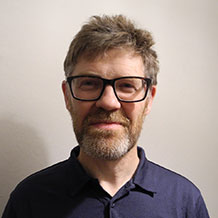
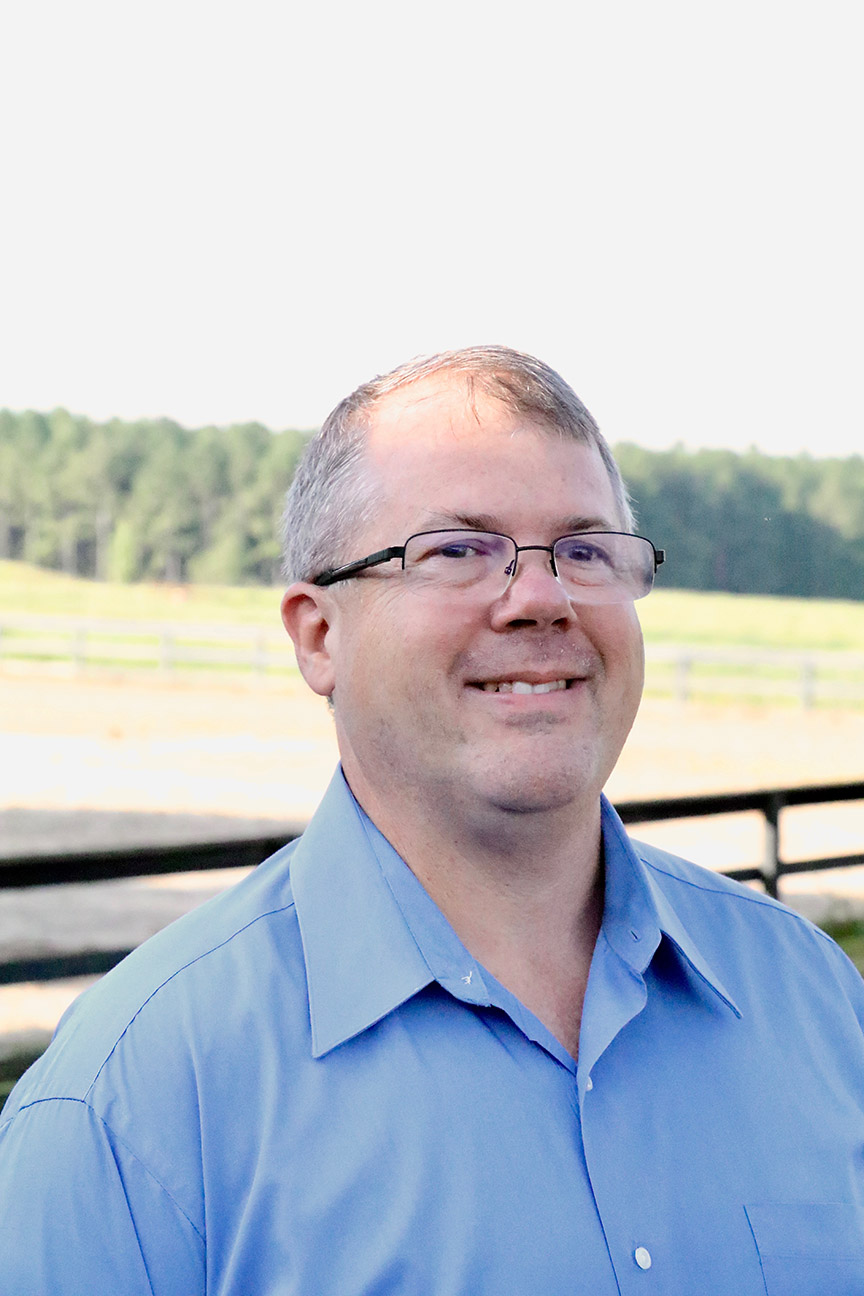
Pascal Lexmond is a researcher in the Virology department at Erasmus MC, focusing on influenza virus antigenic evolution, hemagglutinin function, and zoonotic transmission dynamics. Their work employs both animal models (including ferrets) and molecular analysis of glycan receptors to study viral adaptation. Key collaborations include Prof. Ron Fouchier and Prof. Sander Herfst Research themes span avian influenza, receptor binding thresholds, and cross-species transmission Recent publications highlight their contributions to understanding: H5N1 vaccine development and antigenic space Host-specific emergence of H7N9 in poultry Glycan receptor thresholds in H3N2 strains Pandemic H2N2 adaptation in humans Hemagglutinin's role in antigenic evolution
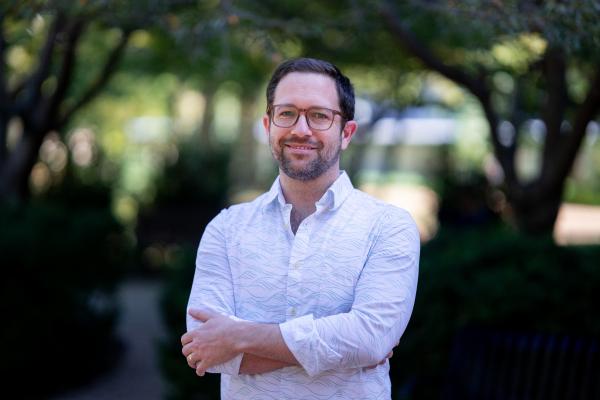
Dr. Mathilde Richard is an Associate Professor in the Department of Virology at Erasmus MC, University Medical Center Rotterdam. With over 57 research publications to her name, she is an active contributor to the field of virology, particularly focused on influenza virus research and pandemic preparedness. Education: PhD in Virology, Universite Claude Bernard Lyon 1 (awarded October 15, 2010) Master of Engineering - Biochemistry and Biotechnologies, National Institute of Applied Science - Lyon (awarded June 30, 2007) Master of Science - Microbial Ecology, Universite Claude Bernard Lyon 1 (awarded June 30, 2007) Dr. Richard's research primarily focuses on influenza viruses, with particular expertise in avian influenza, hemagglutinin structure and function, and highly pathogenic strains like H5N1. Her work investigates viral transmission mechanisms, receptor binding properties, and cross-species transmission potential. She has developed innovative models including chicken tracheal organoids for studying avian influenza virus infection. Her research has significant implications for understanding pandemic risks and developing broadly protective vaccines. The fingerprint analysis of her work shows strong concentrations in Virus Immunology and Microbiology (100%), Hemagglutinin research (63%), and Highly Pathogenic Avian Influenza Virus studies (54%). Analysis of her recent publications reveals a consistent focus on influenza virus transmission mechanisms, with particular attention to H5 strains. Her work bridges molecular virology, immunology, and epidemiology, examining how specific mutations affect viral behavior and host adaptation. Notably, she has contributed to understanding how viral shedding correlates with transmissibility and how specific mutations enable avian viruses to bind to human receptors - critical factors in pandemic risk assessment. Dr. Richard's research has gained significant attention, with her work being picked up by numerous news outlets, blogged about, and shared widely on social media platforms including X (Twitter), Bluesky, and Reddit. Her publications have been referenced in Wikipedia pages and have garnered attention from academic readers on platforms like Mendeley. As an active researcher with multiple recent publications in high-impact journals including Nature Microbiology and PNAS, Dr. Richard appears to be leading or contributing to significant research projects on influenza virus pathogenesis and transmission. Her work with the ferret model (Mustela Putorius Furo) suggests involvement in transmission studies that require specialized animal models for influenza research.
Dr. Daniel Jeffares is a Senior Lecturer in the Department of Biology at the University of York. His research focuses on Leishmania genomics, population genetics, and quantitative genetics, with an emphasis on understanding evolutionary processes and molecular biology in parasitic organisms. His work contributes to global health initiatives, including collaborations through the UK-Brazil Joint Centre Partnership in Leishmaniasis (JCPiLeish) and the PREV_PKDL project analyzing visceral leishmaniasis in East Africa. He leads the Jeffares Lab, which utilizes advanced genomic techniques to study parasite evolution and pathogenesis. Research Interests: Leishmania population genomics and drug resistance Genomic analysis of co-infections and pathogen diversity Evolutionary adaptations in trypanosomatids and extremophiles Applications of genomic methods in disease research Awards : Recipient of the Visiting Professorship (2022), recognizing his contributions to collaborative research and capacity-building in genomic methodologies. Grants & Collaborations: Principal Investigator on projects funded by MRC, Wellcome Trust, and NERC Leadership in multidisciplinary initiatives addressing visceral leishmaniasis in Sudan, Ethiopia, Uganda, and Kenya Active partnerships with institutions in Brazil and global health networks Labs/Teams: The Jeffares Lab at the University of York, part of the Biology Department’s research cluster focusing on microbial genomics and evolutionary processes.
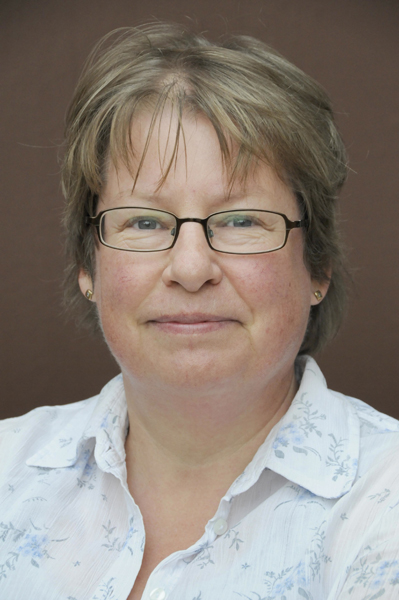
Michael Landis is Assistant Professor of Biology at Washington University in St. Louis, developing statistical models and computational tools to reconstruct evolutionary patterns. Research integrates phylogenetics, biogeography, and trait evolution to study historical biodiversity dynamics across deep timescales. Key research areas: Developing Bayesian methods for phylogenetic biogeography Modeling biome shifts and diversification patterns Creating open-source software for evolutionary analysis (RevBayes, phyddle) Reconstructing ancestral networks for pierid butterflies Recent work includes novel approaches for state-dependent diversification modeling, deep learning applications in phylogenetics, and global-scale analyses of butterfly evolution. The lab emphasizes collaborative software development and evolutionary hypothesis testing.
Jue Chen is the William E. Ford Professor at The Rockefeller University and an Investigator of the Howard Hughes Medical Institute. His research focuses on the structural and functional mechanisms of membrane transport proteins, particularly ATP-binding cassette (ABC) transporters and the cystic fibrosis transmembrane conductance regulator (CFTR). He employs structural biology techniques like X-ray crystallography and cryo-electron microscopy to study these proteins' roles in health and disease, including drug resistance, cancer, and cystic fibrosis. Education: B.Sc. in Chemistry, Ohio University (1993) Ph.D. in Biochemistry, Harvard University (1998) Research Interests: ABC transporter structure-function relationships Mechanisms of multidrug resistance in cancer CFTR dysfunction in cystic fibrosis Development of small-molecule therapeutics targeting membrane proteins Awards: Pew Biomedical Scholar (2003) Anatrace Membrane Protein Award (2018) Labs & Teams: Laboratory of Membrane Biology and Biophysics at Rockefeller University, collaborating with interdisciplinary teams in chemical biology and structural biology.
Jane Parker is an Associate Professor at the Institute for Genetics, University of Cologne. She has held prestigious positions including Max-Planck Fellow (2004-2009) and Senior Group Leader at the Max-Planck Institute for Plant Breeding Research. Her career spans institutions like the Sainsbury Laboratory and John Innes Centre, focusing on plant-microbe interactions. Education: BSc in Applied Biology (1st class hons, 1983) from University of Bradford, PhD in Botany/Microbiology (1987) from University of Wales, Swansea. Her research centers on plant innate immunity, NLR receptor signaling, and biotic stress networks. She investigates how plants reprogram transcription during pathogen attacks and studies natural variation in defense mechanisms using Arabidopsis. Jane has received significant recognition, including election to EMBO and the Leopoldina Academy. She serves on editorial boards for Science , Current Opinion in Plant Biology , and Trends in Plant Science . Her leadership roles include co-coordinating the CEPLAS Cluster of Excellence (2013-2018) and reviewing grants for major international funding bodies.
Giulia De Lorenzo is a Full Professor of Plant Physiology at Sapienza University of Rome since 2000, with prior roles as Associate Professor at Sapienza University of Rome (1994-1999) and University of Bari (1991-1994). Her research focuses on plant immunity, molecular recognition, and cell wall dynamics, particularly in plant-pathogen interactions involving damage-associated molecular patterns (DAMPs) and their role in signal transduction. Education: Laurea in Biology (1980, Sapienza University of Rome, cum laude), PhD in Evolutionary Biology (1987, Sapienza University of Rome) Her work explores the structural and functional basis of plant defense mechanisms, including the inhibition of cell wall-degrading enzymes and engineering plant resistance through chimeric receptors. Articles highlight her contributions to understanding DAMPs, PGIP proteins, and their applications in crop protection and bioconversion. Notable scientific awards include the 2011 Sapienza University of Rome Award for Excellence in Research , 1997 Giovanni Armenise-Harvard Foundation Award , and the 1983 Fondazione V.V. Landi Award from the Accademia dei Lincei. She has served on editorial boards and organized international conferences in plant science.
Matthew R. Dent is an Assistant Professor in the Department of Chemistry at Wayne State University’s College of Liberal Arts and Sciences. His research focuses on protein biochemistry, biophysical and bioinorganic techniques, and drug design. He holds a B.S. from James Madison University (2014), a Ph.D. in Chemistry from the University of Wisconsin–Madison (2019), and completed an NIH Postdoctoral Fellowship at the University of Pittsburgh (2019–2024). B.S., James Madison University, 2014 Ph.D. in Chemistry, University of Wisconsin–Madison, 2019 NIH Postdoctoral Research Fellow, University of Pittsburgh, 2019–2024 His research interests center on protein biochemistry, leveraging biophysical and bioinorganic methodologies, chemical computation, and bioinformatics. He investigates animal models of disease and drug design, particularly developing CO-sensing hemoproteins for medical applications and exploring heme-dependent signaling pathways in cellular contexts. Notable grants include NIH K99/R00 awards for optimizing hemoprotein-based CO antidotes and biosensors. His NIH postdoctoral fellowship supported studies on heme proteins and their medical applications. Additional grants focus on oxygen carrier development for hemorrhagic shock resuscitation. Though specific advisees are not listed, his research involves interdisciplinary collaborations. Grants emphasize CO poisoning treatments and oxygen delivery systems. His work bridges biochemistry, pharmacology, and medical applications. Labs or teams are not explicitly detailed in the provided information.
Dr. Zackary Falls is an Assistant Professor in the Department of Biomedical Informatics at the Jacobs School of Medicine and Biomedical Sciences, University at Buffalo, where he leads a data-centric computational laboratory focused on drug discovery and pharmacoinformatics. Education & Training PhD, Computational Chemistry, University at Buffalo, 2017 BS, Chemistry, Canisius College, 2012 NLM T15 Postdoctoral Fellowship, Jacobs School of Medicine and Biomedical Sciences, 2020 Research Interests His group integrates structural bioinformatics, chemoinformatics, and clinical informatics to develop and apply the multiscale CANDO drug-discovery platform. Current thrusts include: AI-driven design of non-addictive analgesics and overdose-rescue drugs targeting the opioid crisis. Repurposing FDA-approved drugs against COVID-19. Rational design of combination therapies for KRAS-driven non-small-cell lung cancer. Large-scale analytics on EHR and Medicaid claims to understand health disparities in addiction treatment. Scientific Awards Sinsheimer Scholar Award 2024 T15 Informatics Training Fellowship Award 2017 Marjorie Winkler Fellowship Award 2012, Gordon Harris Fellowship Award 2012, Merck Index Award 2012 Funding & Grants Since 2020, Dr. Falls has served as PI or Co-I on grants totaling ≈ $35 million from NIH (NIDA, NCATS, NLM), NIST, Empire AI, and private foundations. Key projects include: Principal Investigator, “A translational bioinformatics approach to elucidate and mitigate polypharmacy-induced adverse drug reactions,” NIDA, $1.05 M, 2022-2027. Co-Principal Investigator, CTSA SUNY Buffalo Hub, NCATS, $29.2 M, 2025-2031. Co-Investigator, “BRIGHT Short-Term Training,” NLM, $0.67 M, 2022-2027. Group & Collaborations He leads the Falls Group , currently mentoring three trainees and collaborating closely with Prof. Ram Samudrala’s team and multiple academic/industry partners. The lab is housed within UB’s Center for Computational Research and the Witebsky Center for Microbial Pathogenesis and Immunology.
Matthew D. Weitzman is a Professor of Pathology and Laboratory Medicine at the University of Pennsylvania Perelman School of Medicine and The Children's Hospital of Philadelphia (CHOP). He holds the Arthur Vincent Meigs Endowed Chair in Pediatrics at CHOP and was elected Fellow of the American Academy of Microbiology in 2024. His laboratory is located in the Colket Translational Research Building at CHOP. Dr. Weitzman received his B.Sc. (Honours degree in Genetics) from the University of Leeds, UK (1987) and his Ph.D. in Molecular Virology from Oxford Polytechnic and the Institute of Virology and Environmental Microbiology of the NERC (1991). He completed postdoctoral training as a Fogarty Fellow at NIH (1991-1993) and as a Cystic Fibrosis Foundation Fellow at the University of Pennsylvania Medical Center (1993-1994). His research focuses on the dynamic interactions between viruses and host cells when their genomes are in conflict. He pioneered the study of cellular damage sensing machinery as an intrinsic defense to virus infection, particularly examining how DNA damage responses interact with human DNA viruses. His work revealed that the MRN complex is the mammalian sensor of DNA breaks and viral genomes. His laboratory also studies APOBEC3 proteins and their dual role as antiviral factors and potential contributors to genomic instability and cancer. Analysis of his 15 most recent publications reveals a consistent focus on virus-host interactions, DNA damage responses, and the role of cellular proteins in both defense against viruses and maintenance of genome integrity. His work spans multiple virus families including Adenovirus, Herpes Simplex Virus, and Adeno-Associated Virus, with recent publications exploring biomolecular condensates, viral packaging mechanisms, and the therapeutic implications of APOBEC-mediated mutagenesis in cancer. Natural Environment Research Council (NERC) Graduate Student Scholarship (1984-1987) Young Investigator Award, American Society for Gene Therapy (2004) Foerderer Award, CHOP (2013) CHOP Faculty Mentor Award (2016) Arthur K. Asbury Outstanding Faculty Mentor Award, UPenn (2020) Arthur Vincent Meigs Endowed Chair in Pediatrics (2022-Present) Elected Fellow of the American Academy of Microbiology (2024) Dr. Weitzman has mentored numerous graduate students and postdoctoral fellows, including Amber Abbott and Nick Grams who are listed as graduate students in his laboratory. His lab maintains an interactive and collaborative environment where students and postdocs explore multiple projects including DNA damage responses during virus infection, viral manipulation of host pathways, epigenetic changes during infection, and host restriction factors. His laboratory investigates multiple viruses including Adenovirus (Ad), Herpes Simplex Virus (HSV-1), and Adeno-Associated Virus (AAV), each with different types of DNA genomes that have developed distinct ways of manipulating host defenses. The lab employs an integrated experimental approach combining biochemistry, molecular biology, genetics, and cell biology to probe the dynamic interactions that take place on viral and cellular genomes during infection.
Mathilde Gendrin is a Junior Group Leader at Institut Pasteur de la Guyane since 2017. Her research focuses on the critical role of mosquito microbiota in regulating vectorial capacity for malaria and other diseases, bridging laboratory and field-based approaches. 2019: HDR from Université de Paris 2010: PhD from Université Pierre et Marie Curie 2005: MSc from Université Pierre et Marie Curie 2004: MSc from ENS Lyon Dr. Gendrin’s research explores: Host-pathogen-microbiota tripartite interactions Sex-specific nutritional requirements in mosquitoes B vitamin synthesis by microbiota Microbiota manipulation to block malaria transmission Vector fitness trade-offs under microbiota perturbation The 15 most recent publications reveal a consistent theme of microbial regulation of mosquito physiology, with emphasis on gnotobiotic models , vitamin metabolism , and transmission-blocking strategies . Her work has appeared in Nature Communications , Cell Host & Microbe , and Frontiers in Microbiology . Notable scientific contributions include: Establishing germ-free mosquito protocols for stage-specific studies Identifying biotin toxicity thresholds in Aedes aegypti Mapping microbiota-antibody response interactions She collaborates with teams at Imperial College and EPFL , and her projects are funded by LabEx IBEID and ANR PILGRIM . Dr. Gendrin leads the Reshaping the microbiota of mosquitoes project to model wild microbiota in laboratory settings.
Federico Rey is a Professor in the Department of Bacteriology and Medical Microbiology & Immunology at the University of Wisconsin–Madison. His research focuses on the interplay between gut microbiota, diet, and host health, particularly in cardiometabolic and neurodegenerative diseases. Education: Licenciado en Bioquímica (University of Córdoba, Argentina, 1998), Ph.D. in Microbiology (University of Iowa, 2006), Postdoctoral Research at Washington University’s Center for Genome Sciences and Systems Biology. Rey’s work investigates how microbial metabolism of nutrients like choline and flavonoids influences diseases such as atherosclerosis and Alzheimer’s. His lab employs gnotobiotic mouse models, sequencing analyses, and collaborations to dissect mechanisms linking TMAO production, epigenetic changes, and vascular health. Recent studies explore dietary interventions (e.g., quercetin, tripropionin) and host genetic factors affecting microbiome composition. The lab also examines microbial contributions to metabolic syndrome, post-infarction cardiac repair, and bile acid transformations. Notable trends in his publications include the role of bacterial pathways in cardiometabolic disease, microbiome interactions with dietary components, and microbial strain specificity in therapeutic engraftment. Collaborations span neurology, immunology, and systems genetics, addressing questions from social determinants to genetic mapping of host-microbe traits.
Ruggero La Rosa is a Visiting Senior Researcher at the Novo Nordisk Foundation Center for Biosustainability within the DTU Microbes Initiative at Technical University of Denmark . His research focuses on the evolutionary adaptation of Pseudomonas aeruginosa in cystic fibrosis patients, antimicrobial resistance, and host-pathogen interactions. Research Themes : Bacterial evolution, metabolomics, pathogenicity reduction, ribosomal mutations, and clinical microbiology. Collaborations : Works with institutions like the University of Copenhagen and cystic fibrosis clinics. Recent Trends : Analyzes genomic and metabolic changes in Pseudomonas aeruginosa during chronic infections, emphasizing antimicrobial resistance mechanisms such as macrolide and aminoglycoside resistance. Advising : Supervised B. H. Pedersen in a PhD project on CF airway adaptation. Public Engagement : Regularly presents at conferences on topics like bacterial metabolic rewiring and antibiotic resistance.
Dr. Marcus Fritze is a researcher in Applied Zoology and Nature Conservation at the University of Greifswald, with a dual affiliation since 2023 at the Competence Center for Bat Conservation Saxony-Anhalt within the South Harz Karst Landscape Biosphere Reserve. His work bridges scientific research with practical conservation applications, focusing specifically on bat ecology and conservation. Dr. Fritze's research spans multiple critical areas in bat conservation. He investigates population trends and demographic parameters through BfN-funded projects 'Threatened Data for Threatened Species' and BATTREND. A major output from these initiatives is BATLAS, an online platform for analyzing bat population data across Germany. His work addresses the 'green-green dilemma' between renewable energy expansion and wildlife conservation, particularly examining wind energy impacts on bats and the ecological consequences of light pollution. His physiological research examines hibernation (winter torpor) mechanisms in bats and how their immune systems function during this energy-conserving state, with special focus on white-nose disease. Through the F.U.N. initiative ('Forschung, Umweltbildung und praktischen Naturschutz'), he integrates research, environmental education, and practical conservation to support biodiversity. Current projects include 'Bats and Biosphere' (human-wildlife interactions) and 'Bats and Ponds' (role of water bodies in ecosystems). Analysis of Dr. Fritze's publication record reveals an interdisciplinary approach addressing conservation challenges at the intersection of ecology, immunology, policy, and technology. His work demonstrates particular expertise in developing evidence-based conservation strategies that effectively bridge scientific research with practical implementation. Dr. Fritze actively supervises numerous Master's and Bachelor's students on bat conservation topics, often in collaboration with other institutions including FH Bernburg, HTW Dresden, and TU Berlin. His current supervisees are investigating ecosystem services provided by bats in fruit orchards, urban pond habitats for bats, wind turbine mitigation measures, and spring activities of bats on orchard meadows. His collaborative approach extends internationally, such as with Universidad Autónoma Metropolitana in Colombia on jaguar conservation perceptions. Through his leadership in the Competence Center for Bat Conservation Saxony-Anhalt and various research projects, Dr. Fritze has developed effective frameworks for collaboration between scientists, amateur researchers, and volunteer conservationists. His work exemplifies how rigorous scientific research can directly inform and improve practical conservation outcomes in complex human-wildlife landscapes.
Todd Riley Callaway is a Professor in the Department of Animal and Dairy Science at the University of Georgia's College of Agricultural & Environmental Sciences. He also holds courtesy faculty positions in the Department of Poultry Science and serves as Graduate Program Faculty. Dr. Callaway has extensive experience in ruminant microbiology, having previously served as National Program Leader for Food Safety for USDA-ARS and as a research microbiologist in the Food and Feed Safety Research Unit at the Southern Plains Agricultural Research Center. Dr. Callaway's educational background includes: B.S. in Animal Sciences from the University of Georgia (1993) M.S. in Animal Sciences from the University of Georgia (1996) Ph.D. in Microbiology from Cornell University (1999) Dr. Callaway's research focuses on the gastrointestinal microbiome of food animals and its impact on animal performance, health, and food safety. His work centers on understanding how the ruminal microbes can be manipulated to improve cattle nutrition and reduce foodborne pathogens. He has published over 200 refereed journal articles, 25 book chapters, and two books titled "Direct Fed Microbials" and "On-Farm Strategies to Control Foodborne Pathogens". His research has been supported by major agricultural organizations including the National Cattlemen's Beef Association, National Dairy Board, National Pork Board, and U.S. Poultry and Egg Foundation. Analysis of Dr. Callaway's recent publications reveals a consistent focus on gastrointestinal microbial ecology, particularly examining how diet and environmental factors influence microbial populations in ruminants and other food animals. His work spans diverse areas including pathogen control, feed efficiency, alternative feed sources, and the development of non-antibiotic interventions to enhance animal health and food safety. The publications demonstrate interdisciplinary collaboration across animal science, microbiology, food safety, and veterinary medicine. Dr. Callaway has received numerous prestigious awards including the American Feed Industry Association Award in Ruminant Nutrition Research (2023), multiple Research.com Animal Science and Veterinary Medicine Leader Awards (2022-2025), and the USDA/ARS Early Career Scientist of the Year Award (2007). He currently serves as Editor in Chief of Foodborne Pathogens and Disease (2022-2027) and has held leadership positions in the American Dairy Science Association. His grant portfolio demonstrates significant research funding, with current projects focused on understanding the microbiome's role in beef production efficiency, food safety, and sustainability. Recent projects include "Bridging the Feedlot Gap: Educating Young Professionals for the Future of Georgia's Beef Industry" and "Enhancing Food Safety in Georgia's Beef Cattle Sector: Understanding E. coli and Microbiome Dynamics". Dr. Callaway teaches several courses including ADSC 4250-Microbiology and Immunology in Domestic Animal Health, ADSC 4360/6360-Ruminant Nutrition, ADSC 8150-Gastrointestinal Microbial Ecology of the Ruminant, and ADSC 8885-Current literature in ruminant nutrition and microbiology.