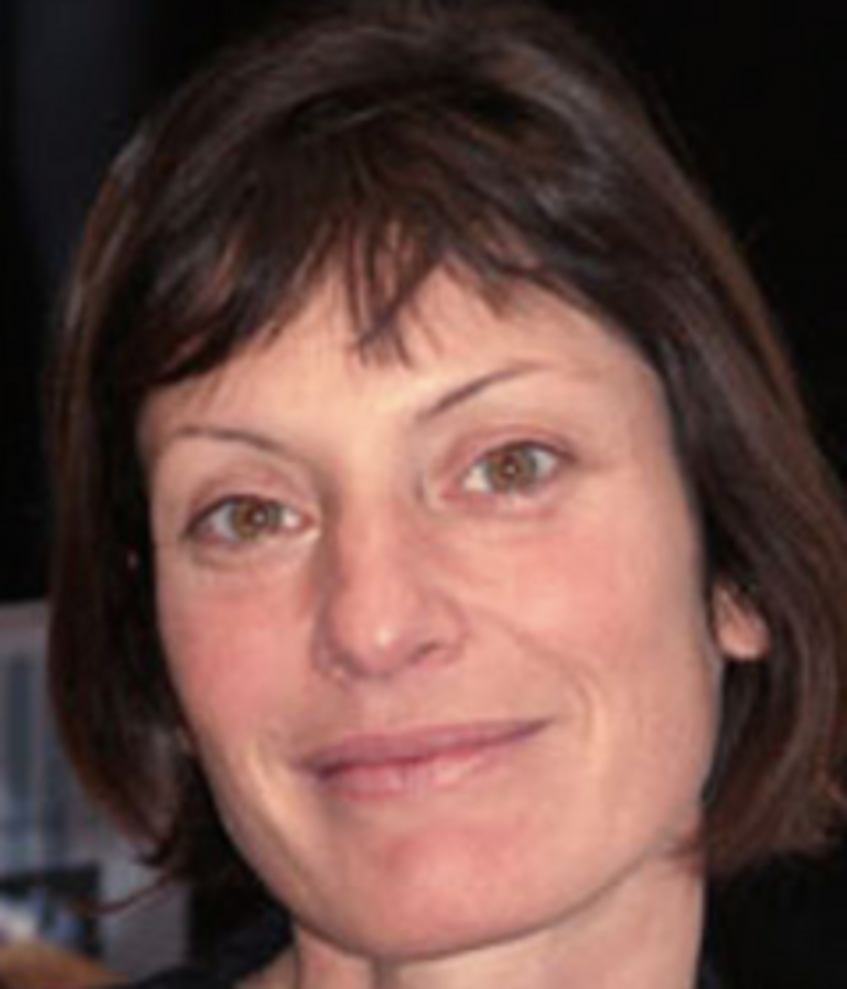
Prof. Dr. Claude Becker is a faculty member at the Faculty of Biology, Ludwig Maximilian University of Munich , specializing in plant genetics and epigenetics. His research focuses on biochemical interactions in plant communities and the role of epigenetic marks in environmental adaptation. Specializations: Epigenetic regulation, allelopathy, plant-microbe interactions, DNA methylation dynamics Key Projects: Studying heritable phenotypic variation in clonal plants, analyzing stress-responsive epigenetic hotspots, and investigating gene cluster evolution in Oryza species. Recent publications highlight his work on transposable element dynamics, microbiome feedback mechanisms, and metabolic specialization in plant interactions. His research combines molecular biology with ecological perspectives to understand plant adaptation strategies. Contact: claude.becker@biologie.uni-muenchen.de
Rob Roelfsema , apl. Professor at the Chair of Molecular Plant Physiology and Biophysics - Botany I at the University of Würzburg , investigates ion transport mechanisms in plant cells. His work focuses on guard cell signaling, stomatal regulation, and stress responses, with implications for water-use efficiency in crops. University of Würzburg Julius von Sachs Institute of Biosciences Chair of Molecular Plant Physiology and Biophysics Research Interests : Stomatal dynamics and CO2/water regulation Calcium signaling in plant stress responses Ion channel function and membrane potential Optogenetics in plant physiology Evolution of guard cell signaling pathways Publication Trends : Analysis of 15 recent articles reveals a focus on plant electrophysiology , calcium signaling , and anion channel regulation across disciplines like plant stress biology , optogenetics , and ion transport systems . Advising : Supervises doctoral students Pallegama (Krishani) Tennakoon and Namrah Ahmad , advancing research in plant signaling mechanisms. Labs & Teams : Collaborates with the Julius von Sachs Institute team, integrating expertise in plant biophysics , ion channel analysis , and stress adaptation .
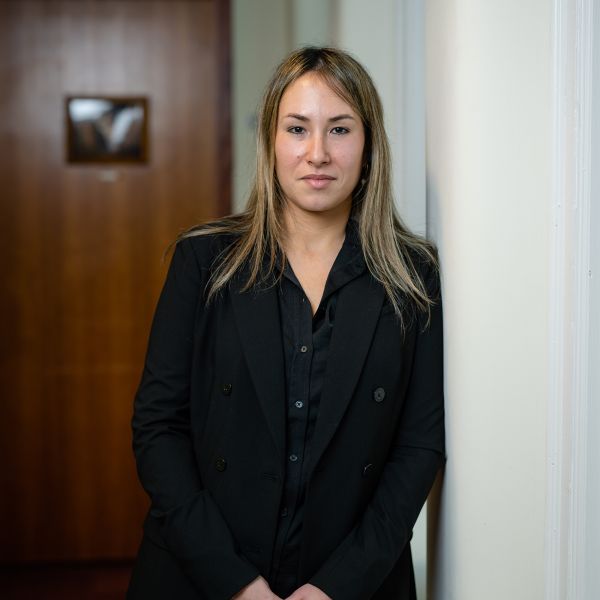
Rachel Allavena is a Professor and Deputy Head of School at the School of Veterinary Science, The University of Queensland . She specializes in veterinary pathology and comparative medicine , developing cancer immunotherapies using pet dogs with natural cancer as models for human oncology. Her work bridges veterinary and human medicine, focusing on translational research . She also leads forensic pathology investigations for Racing Queensland , Queensland Police , and RSPCA Queensland , advocating for animal cruelty prevention . PhD in Comparative Medicine (Cornell University) Postgraduate Diploma in Veterinary Anatomic Pathology (University of Guelph) Bachelor of Veterinary Biology and Honours (University of Queensland) Her research spans comparative oncology (including canine brain cancer, lymphoma, melanoma, osteosarcoma ), koala conservation (co-developer of KoalaBASE database), and envenomation studies . She has trained ACVP board-certified pathologists and developed drug safety testing protocols in the UK pharmaceutical sector. Her immunotherapy trials have achieved 20% cure rates in terminal canine cancer patients. 2015 - Faculty of Science Teaching Excellence Award 2021 - UQ Citation for Outstanding Contributions to Student Learning As a media expert , she has featured in international outlets and delivered a TEDx talk on canine cancer therapy. She actively supervises PhD/MPhil students in projects like Canine Osteosarcoma Immunotherapy and Feline GI Lymphomas . Her team explores biometallic implants and forensic pathology applications.
Christopher W. Brownlee, PhD is an Assistant Professor in the Department of Pharmacological Sciences at Stony Brook University School of Medicine . His interdisciplinary research leverages the Xenopus laevis model system to investigate fundamental cellular processes including mitotic spindle positioning , ciliogenesis , cell polarity , and organelle size scaling . These mechanisms are critical for development and implicated in cancer pathology and human diseases . Doctorate in Cellular and Molecular Medicine , University of Arizona College of Medicine Postdoctoral Research, University of California – Berkeley (American Cancer Society Fellowship) Affiliated Faculty: Molecular and Cellular Biology , Genetics , and Biophysics and Physiology at Stony Brook His lab employs microfluidics and optogenetics to dissect how cells regulate size and shape through phosphorylation-dephosphorylation pathways and importin α dynamics . Current projects include: Palmitoylation of importin α in spindle orientation TPX2 motif analysis for spindle architecture Ciliogenesis regulation during nephrogenesis Base excision repair in Xenopus eggs Epithelial-mesenchymal transition in cancer Recent trends highlight his work on organelle scaling and cell polarity mechanisms , with applications in oncology and developmental disorders . Notable awards include the MCB Postdoctoral Award (2018) , NSF Graduate Research Fellowship , and American Cancer Society Fellowship . Graduate students and postdocs in his lab have secured grants such as the NIH/NIGMS MIRA R35 and ASCB Travel Grants . The lab collaborates with Stony Brook’s Molecular and Cellular Biology and Genetics departments, utilizing human cell culture and Xenopus models . Research intersects with cancer , developmental biology , and signal transduction disciplines, providing diagnostic insights via organelle deregulation in tumorigenesis.
Eric O. Freed, Ph.D. is a Senior Investigator and Director of the HIV Dynamics and Replication Program at the National Cancer Institute's Center for Cancer Research. He also serves as Head of the Virus-Cell Interaction Section and holds adjunct professor positions at the University of Maryland and University of Delaware. Dr. Freed is recognized as a leader in the field of virus assembly with significant contributions to understanding retroviral replication at the molecular level. Dr. Freed received his Ph.D. in 1990 from the University of Wisconsin-Madison under Drs. Rex Risser and Howard Temin, followed by postdoctoral training with Dr. Temin in 1991. He joined NIAID in 1992, was appointed Tenure-Track Investigator in 1997, promoted to tenured Senior Investigator in 2002, and joined the HIV Drug Resistance Program (now HIV Dynamics and Replication Program) in 2003. He was appointed to the NCI Senior Biomedical Research Service in 2011, became Deputy Director of the HIV DRP in 2014, and Director in 2015. Dr. Freed's research focuses on HIV-1 Gag trafficking, Env incorporation, virus assembly, budding, release, maturation, and drug resistance. His work has revealed critical insights into how retroviruses interact with host cellular machinery, particularly in identifying key host factors like phosphatidylinositol-(4,5)-bisphosphate and inositol-hexakisphosphate that regulate viral assembly. His recent work has demonstrated how Env mutations can confer broad resistance to multiple classes of antiretrovirals and discovered that neutral sphingomyelinase 2 is required for HIV-1 maturation. His laboratory combines cell biology, virology, biochemistry, and imaging approaches to characterize viral and cellular determinants of HIV replication. Dr. Freed's recent publications demonstrate a continued focus on the molecular mechanisms of HIV-1 replication, with particular emphasis on viral maturation, drug resistance mechanisms, and host-virus interactions. His work spans virology, molecular biology, structural biology, and drug development, with strong translational implications for novel antiretroviral therapies targeting previously unexplored aspects of the viral life cycle. KT Jeang Retrovirology Prize (2018) Ohio State University Center for Retrovirus Research Distinguished Research Career Award (2020) Fellowship in the American Academy of Microbiology (2019) NCI Research Highlights Award (2016) Outstanding Science Alumni Award from Penn State University (2014) NCI Women Scientists Advisors Mentoring and Leadership Award (2021) NCI Mentor of Merit Award (2010) Dr. Freed has mentored numerous postdoctoral fellows, graduate students, and research technicians throughout his career. Many of his trainees have received prestigious awards including Intramural AIDS Research Fellowships (IARF) and NIH Fellows Awards for Research Excellence (FARE). He has served as founding Editor-in-Chief of Viruses journal and on editorial boards of multiple journals including Journal of Virology and Science Advances. Dr. Freed has organized numerous major scientific meetings including Cold Spring Harbor Retroviruses Meetings and Keystone Symposia, and delivered plenary lectures at major conferences including CROI 2024. His laboratory has received consistent funding from the National Cancer Institute and maintains active collaborations with researchers at multiple institutions. The Freed Lab at NCI consists of research biologists, postdoctoral fellows, graduate students, and postbaccalaureate researchers working collaboratively to advance understanding of HIV replication. The lab is part of the HIV Dynamics and Replication Program and maintains active collaborations with the Pittsburgh Center for HIV Protein Interactions (PCHPI), the Behavior of HIV in Viral Environments (B-HIVE) Center, and the Center for Structural Biology of HIV RNA (CRNA). Dr. Freed also serves as Co-Director of the University of Maryland Virology Program and participates in multiple scientific advisory boards.
Peter Kennedy is a Professor in the Department of Plant and Microbial Biology at the University of Minnesota's College of Biological Sciences, where he serves as Interim Associate Dean of Research and holds the PMB Wardle Chair of Microbial Ecology. His Kennedy Lab investigates plant-microbe interactions, with a primary focus on ectomycorrhizal fungal symbioses in forest ecosystems. The lab integrates mycology, microbiology, ecology, evolution, and molecular biology to study how biotic and abiotic factors shape ecological communities. Research employs field sampling, greenhouse experiments, and molecular techniques to examine fungal necromass decomposition, carbon sequestration mechanisms, and climate change impacts on microbial communities. Key areas include the 'Gadgil Effect' (fungal guild interactions controlling carbon cycling), protist roles in soil food webs, and biogeographic patterns of symbiotic versus saprotrophic fungi. Recent publications reveal strong trends in fungal necromass decomposition dynamics under warming and nitrogen fertilization, with emphasis on melanin's role in carbon stabilization and microbial community shifts. Work increasingly connects molecular mechanisms (e.g., gene expression in Ascomycota) to ecosystem-scale carbon cycling. Scientific recognition includes: Fulbright fellowship (2019) for Colombia-based biodiversity research PMB Wardle Chair of Microbial Ecology (2022), supporting new microbial ecology directions Mentorship spans 14+ PhD students including Lotus Lofgren (UC Riverside), Craig See (Northern Arizona University), and Chris Fernandez (Syracuse University). Major grants include NSF Dimensions of Biodiversity (oak symbiont networks), Gadgil Effect studies, and SPRUCE experiment collaborations. International partnerships with Norway (University of Oslo), China (Xishuangbanna Institute), and Colombia (Universidad Nacional) drive cross-continental research. The Kennedy Lab operates the Itasca ForestGEO plot and maintains strong ties with the Bell Museum fungal collections. Current initiatives include protist-fungal interaction studies, necromass RNASeq analyses, and expansion of FUNGuild—a community resource for fungal ecological guild classification.
Emily S. Gurley is a Professor at the Bloomberg School of Public Health , Johns Hopkins University . She holds primary affiliations with the Department of Epidemiology (Division of Infectious Disease Epidemiology) and Center for Global Health . Her work spans research, teaching, and field operations in Bangladesh , where she has led initiatives in outbreak detection and disease surveillance since 2003. Education: PhD, Johns Hopkins Bloomberg School of Public Health (2012) MPH, Emory University (2002) BA, Oglethorpe University (1996) Research Focus centers on emerging infectious diseases , particularly Nipah virus and arboviruses , using a One Health framework. She emphasizes disease surveillance , outbreak investigation , and transmission dynamics at the human-animal-environment interface. Her projects include CHAMPS (Child Health and Mortality Prevention Surveillance) in Bangladesh and collaborations with the US CDC . Notable Trends in Research include the intersection of zoonotic spillover , genomic epidemiology , and public health policy , with a focus on Bangladesh and South Asia . Her work addresses pandemic preparedness , vaccine trials , and antimicrobial resistance in low-resource settings. Scientific Awards include: Excellence in US COVID-19 Public Health Practice (Coursera, 2021) Coursera Innovation Award for Contact Tracing Course (2021) Shikani/El-Hibri Prize for Discovery (2020) Inaugural Abe Lilienfeld Student Award (2011) Advising and Collaborations highlight her mentorship of junior scientists and leadership in interdisciplinary studies. She serves on the WHO Nipah Virus Taskforce and contributes to global CHAMPS and Global Disease Detection programs.
Mandana Arbab is an Assistant Professor of Neurology at Harvard Medical School and leads the Arbab Lab at the Translational Neuroscience Center of Boston Children’s Hospital. Her research focuses on advancing genome editing platforms to study and treat neurodegenerative diseases , including spinal muscular atrophy (SMA), Huntington’s disease, and Friedreich’s ataxia. Research Interests Dr. Arbab’s work centers on developing precise CRISPR-based technologies , such as base editing and prime editing , to correct disease-causing mutations or modulate genomic activity. Her lab employs machine learning to optimize editing outcomes and explores therapeutic strategies in cellular and murine models. Publications Summary Recent studies highlight her innovations in C•G-to-G•C base editing , predictive algorithms for edit outcomes, and cloning-free CRISPR methodologies. Her work bridges genomic engineering and neurology , aiming to translate these tools into clinical applications. Labs & Collaborations The Arbab Lab, based at Boston Children’s Hospital, fosters a diverse and collaborative environment. With a team of 5-10 members, they partner with institutions to develop gene-based therapeutics and investigate cellular mechanisms of neurodegeneration . Contact: mandana.arbab@childrens.harvard.edu | arbablab.com
Dr. Joseph Colgan is an Assistant Professor and Group Leader at the Institute of Organismic and Molecular Evolution at Johannes Gutenberg-Universität Mainz, Germany. His research group focuses on ecological and evolutionary genomics of social insects, particularly bumblebees and mason bees, using integrative approaches combining behavioral, molecular, genomic, immunological, and computational techniques. Dr. Colgan's educational background includes: PhD in Zoology from University of Dublin, Trinity College (2008-2014) MSc in Immunology and Global Health from Maynooth University (2007-2008) BSc in Zoology from University College Dublin (2003-2007) Postgraduate Certificate in Teaching & Learning in Higher Education from University College Cork (2018-2019) His research program centers on three interconnected themes. His work on phenotypic plasticity examines how single genotypes produce multiple phenotypes in social insects, particularly focusing on the genomic architecture underlying caste differentiation. In ecological and evolutionary genomics, he investigates how pollinators respond to environmental challenges including habitat loss, pesticide exposure, and climate change, with recent work applying population genomics to assess genetic diversity in wild bee populations. His immunogenomics research explores host-parasite interactions, examining molecular mechanisms of immune responses to pathogens and environmental stressors, with particular focus on how mating, diapause, and nematode infections alter immune gene expression in bumblebees. Analysis of Dr. Colgan's publication record reveals a consistent focus on insect genomics with increasing specialization in social insect systems. His early work included salmonid genomics, but his research has increasingly concentrated on bumblebees and other pollinators, with a growing emphasis on pesticide impacts, immune system evolution, and evolutionary adaptations. His recent publications demonstrate sophisticated integration of genomic, transcriptomic, and proteomic approaches to address fundamental questions in evolutionary biology and pressing concerns in pollinator conservation. Dr. Colgan supervises a diverse research team including six PhD students (Jannik Möllmann, Max Bolder, Hongfei Xu, Safira Moog, Dean Hodapp, and Eva Baumgarten), four Master's students, and multiple Bachelor's students. His group actively pursues projects in population and comparative genomics of wild bees, evolution of dormant phenotypes, signatures of sexual antagonism, queen specialization in social insects, insect immune system evolution, and genomic approaches to bee conservation. The research group maintains strong international collaborations, particularly with institutions in Ireland and the UK where Dr. Colgan previously conducted postdoctoral research.
Univ.-Prof. Ard Nijhof, PhD is a Professor and Head of the Tropical Veterinary Medicine Working Group at the Institute of Parasitology and Tropical Veterinary Medicine within the Department of Veterinary Medicine at Freie Universität Berlin. His office is located at Robert-von-Ostertag-Str. 7, Room 012, 14163 Berlin, Germany. Dr. Nijhof's research focuses on parasitology and tropical veterinary medicine with particular emphasis on tick-host-pathogen interactions, vector-borne diseases, and zoonotic infections. His work spans molecular investigations of vector competence, field epidemiology of tick-borne diseases, and development of novel control strategies including anti-tick vaccines. His research integrates laboratory, field, and molecular approaches to understand transmission dynamics of pathogens like Borrelia , Rickettsia , and Theileria species. Dr. Nijhof has published extensively on tick-borne diseases, with recent work examining decontamination protocols for tick microbiota, Rift Valley fever epidemiology in Uganda, and genetic aspects of arthropod vectors. His publications show consistent output with 6 publications in 2024 and 6 in 2025 (including preprints), demonstrating active ongoing research. His research has practical applications in disease control and prevention, particularly through projects like ANTIDotE (anti-tick vaccines to prevent tick-borne diseases in Europe). He collaborates internationally with researchers across Europe, Africa, and Asia on vector-borne disease research. Dr. Nijhof serves as a key member of the Center for Infectious Diseases at Freie Universität Berlin and contributes to scholarly initiatives such as hosting Sudanese veterinarian Khalid Mohammedsalih from Nyala University as a Scholar Rescue Fund fellow.
Silvia Bulgheresi is an Associate Professor at the University of Vienna , leading the Environmental Cell Biology Group within the Department of Functional and Evolutionary Ecology. Her research focuses on the cell biology and physiology of animal-attached bacteria , particularly marine nematode-bacterium symbioses and oral cavity symbionts, with an emphasis on host immune responses and bacterial division mechanisms. Fields of Interest: Symbiosis, Microbial Ecology, Bacterial Cell Biology, Host-Microbe Interactions, Chemosynthetic Symbionts, Chromosome Biology Scientific Contributions: Her recent publications highlight innovations in bacterial division patterns, chromosome stability, and environmental adaptation. Current projects explore the role of the SMC complex in symbiont chromosome folding and the Genome Instability PhD program. She has supervised numerous PhD and Master students, including Niels Heindl and Nikolaus Leisch. Key Awards: EMBO Member (2014) European Molecular Biology Organization (EMBO) Member (2024) Labs & Collaborations: As part of the Archaea Biology and Ecogenomics Unit, her work intersects with research groups such as the Schleper Lab and Rittmann Lab, addressing microbial nitrogen cycling, marine symbioses, and bacterial genome plasticity.
Katherine (Trina) McMahon is the Vilas Distinguished Achievement Professor in the Department of Bacteriology at the University of Wisconsin-Madison, affiliated with the College of Agricultural and Life Sciences. Her research focuses on microbial ecology, environmental genomics, and biogeochemical cycling in freshwater ecosystems. She leads the McMahon Lab (http://mcmahonlab.wisc.edu/), which investigates microbial community dynamics over long timescales, including viral interactions, nitrogen fixation, and mercury methylation. BS, University of Illinois at Urbana-Champaign MS, University of Illinois at Urbana-Champagne PhD, University of California at Berkeley McMahon's recent work explores evolutionary trade-offs in nitrogen fixation, sulfate-driven methylmercury formation, and viral ecology in lakes like Trout Bog and Mendota. Her lab employs metagenomics and time-series analysis to unravel microbial and viral adaptations to environmental stressors. Despite no explicit awards listed, her leadership in microbial observatories (e.g., Lake Mendota Microbial Observatory) underscores her impact.
Professor Fred Asiegbu is a distinguished researcher and educator in forest pathology at the University of Helsinki. He holds the position of Professor of Forest Pathology in the Department of Forest Sciences, with additional affiliations at the Institute of Sustainability Science (HELSUS) and Viikki Plant Science Centre (ViPS). Professor Asiegbu also serves as an invited Professor at Nanjing Forestry University in China and supervises doctoral students across three Doctoral Programmes: Integrative Life Science, Plant Sciences, and Sustainable Use of Renewable Natural Resources. Professor Asiegbu's educational foundation includes: PhD in Biotechnology (1988-1991, awarded 1992) MSc in Applied Microbiology & Plant Pathology (1984-1985, awarded 1986) BSc in Botany (1979-1983, awarded 1983) His research program addresses critical challenges in sustainable forest management through innovative biotechnology approaches. Professor Asiegbu leads investigations into molecular tree-microbe interactions, tree microbiomes, fungal genomics, and biological control of forest pathogens. His work focuses on understanding the molecular and biochemical pathways required by fungal pathogens to infect trees and the mechanisms by which forest trees resist infection. A central research question explores why certain fungi are pathogenic while others form beneficial associations like mycorrhizae. His team applies metabolomics and genomics approaches to screen conifer genotypes for resistance against pathogens like Heterobasidion spp., with the goal of developing novel disease control strategies and informing resistance breeding programs. Analysis of Professor Asiegbu's recent publications reveals a strong interdisciplinary focus spanning molecular biology, genomics, metabolomics, and ecological studies of tree-pathogen interactions. His work predominantly investigates the Heterobasidion pathosystem in coniferous trees, particularly Norway spruce, while also exploring the protective roles of beneficial microbes in enhancing tree resistance. The research integrates fundamental biological insights with practical applications for forest health management in the context of climate change threats to forest ecosystems. Professor Asiegbu has supervised multiple doctoral students on topics related to conifer resistance mechanisms, Heterobasidion pathogenesis, and co-infection dynamics. He leads significant research projects including 'Heterobasidion barrträd patosystem' (2024-2028), 'Bright' (2023-2025), and participates in the Viikki Plant Science Centre and NaPPI infrastructure initiatives, with funding primarily from the Academy of Finland. As director of the Forest Pathology Research Lab, Professor Asiegbu oversees a research program that applies modern biotechnology tools to understand tree-microbe interactions across natural forests, plantations, and urban environments. His work serves public and environmental interests by developing scientific approaches to prevent and control tree diseases, addressing both biotic factors (particularly fungal diseases) and abiotic factors (such as climate change impacts) affecting forest health.
Noam Auslander, Ph.D. is an Assistant Professor in the Molecular and Cellular Oncogenesis Program at The Wistar Institute's Ellen and Ronald Caplan Cancer Center. She joined The Wistar Institute in 2021 after completing postdoctoral training at the National Center of Biotechnology Information (NCBI). Dr. Auslander holds a B.S. in computer science and biology from Tel Aviv University and earned her Ph.D. in computer science from the University of Maryland with a combined fellowship at the National Cancer Institute. Dr. Auslander's research focuses on developing advanced machine and deep learning methods to identify factors that drive cancer development and predict patient prognoses. Her work specifically targets the development of deep learning methods to identify new infectious agents in cancer and biologically interpretable machine learning strategies that improve outcome prediction. Her laboratory has several key research directions: Characterization of the Tumor Microbiome with Machine Learning, Quantification of Gut Microbial Genes and Development of Fecal Biomarkers, New Virus Characterization and Detection of Pathogenic Viral Sequences, and Biologically Informed Classifiers of Cancer Treatment Responses. Her publication record demonstrates a strong trajectory in computational cancer biology, with recent high-impact publications in Nature Communications, Nature Medicine, and other top-tier journals. Her work bridges the gap between complex computational methods and biological insights, with particular emphasis on making machine learning models biologically interpretable for clinical translation. V Foundation Grant for Cancer Research ($600,000) Women Scientists Innovation Award for Cancer Research Dr. Auslander leads a research team including a postdoctoral fellow (Abdurrahman Elbasir), graduate students (Anastasia Lucas, Andrew Patterson, Julia C Malnak), and research staff (McKenna Reale, Bryant Duong). Her lab received significant funding for a project aimed at improving immunotherapy responses in cancer patients by identifying reliable biomarkers that predict patient responses to immunotherapy treatments.
Søren Rosendahl is a Professor in Ecology and Evolution at the Department of Biology, Faculty of Science, University of Copenhagen. He holds a PhD and has been recognized as a Knight (Ridder af Dannebrog) for his contributions to science. His academic career spans over three decades at the University of Copenhagen, where he served as Assistant Professor (1991), Associate Professor (1994), and Professor (2000) in the Department of Mycology, which later became part of the Department of Biology. From 2010-2019, he served as Deputy Head of the Department of Biology. Education: 1984: Master of Science (Cand.scient.) in biology, University of Copenhagen 1985: Practical and theoretical training as high school teacher in biology 1989: Ph.D. (Lic.scient) at Institut for Sporeplanter Professor Rosendahl specializes in molecular ecology, population genetics, and evolution of fungi, with particular emphasis on biotrophic symbionts and parasites. His research encompasses Fusarium, Penicillium, Oomycota (Peronosporamycota), arbuscular mycorrhizal fungi (AMF) in Glomales, and fungi associated with insects. He employs advanced genomic techniques including rad-sequencing, microsatellites, SNPs, and DNA sequencing to study fungal diversity and distribution patterns. His BioMark project applies population genomics to predict emerging epidemics of Phytophthora infestans (Potato late blight). He also investigates molecular diversity of AMF fungi in agricultural and natural environments using evolutionary and demographic models based on coalescence and MCMC Bayesian statistics. Analysis of Professor Rosendahl's recent publications reveals a strong interdisciplinary focus spanning fungal ecology, medical microbiology, and agricultural science. His work demonstrates consistent application of molecular genetic approaches to understanding fungal community dynamics across diverse ecosystems - from soil microbial communities to human gut microbiomes. The trend shows increasing integration of computational approaches including hierarchical joint species modeling and co-occurrence networks for microbial community data analysis. His research bridges fundamental fungal biology with practical applications in agriculture, medicine, and environmental science. Scientific Recognition: Knight (Ridder af Dannebrog) Throughout his career, Professor Rosendahl has held numerous leadership and advisory positions. He served as Head of the Department of Mycology (1998-2001), Coordinator for the Bachelor degree in Industrial Science (2002-2005), and Head of the Study Board for Biology (2005-2007). He has represented Danish higher education on the Biology/Biotechnology board in the Ministry of Education since 2010 and has consulted for international organizations including the EC Commission, Norwegian Ministry for Education, and European Baccalaureate Unit. His external collaborations include significant work with Novozymes Biologicals and Thomsen BioScience A/S. Professor Rosendahl maintains active research collaborations through his membership in the European culture collection (BEG - Bank of European Glomales) and has served as Danish representative in multiple COST actions. His research group appears to focus on fungal population genetics with applications spanning agricultural systems, natural ecosystems, and medical contexts.