معرفی
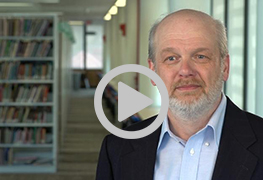
Professor Fred Asiegbu is a distinguished researcher and educator in forest pathology at the University of Helsinki. He holds the position of Professor of Forest Pathology in the Department of Forest Sciences, with additional affiliations at the Institute of Sustainability Science (HELSUS) and Viikki Plant Science Centre (ViPS). Professor Asiegbu also serves as an invited Professor at Nanjing Forestry University in China and supervises doctoral students across three Doctoral Programmes: Integrative Life Science, Plant Sciences, and Sustainable Use of Renewable Natural Resources.
Professor Asiegbu's educational foundation includes:
- PhD in Biotechnology (1988-1991, awarded 1992)
- MSc in Applied Microbiology & Plant Pathology (1984-1985, awarded 1986)
- BSc in Botany (1979-1983, awarded 1983)
His research program addresses critical challenges in sustainable forest management through innovative biotechnology approaches. Professor Asiegbu leads investigations into molecular tree-microbe interactions, tree microbiomes, fungal genomics, and biological control of forest pathogens. His work focuses on understanding the molecular and biochemical pathways required by fungal pathogens to infect trees and the mechanisms by which forest trees resist infection. A central research question explores why certain fungi are pathogenic while others form beneficial associations like mycorrhizae. His team applies metabolomics and genomics approaches to screen conifer genotypes for resistance against pathogens like Heterobasidion spp., with the goal of developing novel disease control strategies and informing resistance breeding programs.
Analysis of Professor Asiegbu's recent publications reveals a strong interdisciplinary focus spanning molecular biology, genomics, metabolomics, and ecological studies of tree-pathogen interactions. His work predominantly investigates the Heterobasidion pathosystem in coniferous trees, particularly Norway spruce, while also exploring the protective roles of beneficial microbes in enhancing tree resistance. The research integrates fundamental biological insights with practical applications for forest health management in the context of climate change threats to forest ecosystems.
Professor Asiegbu has supervised multiple doctoral students on topics related to conifer resistance mechanisms, Heterobasidion pathogenesis, and co-infection dynamics. He leads significant research projects including 'Heterobasidion barrträd patosystem' (2024-2028), 'Bright' (2023-2025), and participates in the Viikki Plant Science Centre and NaPPI infrastructure initiatives, with funding primarily from the Academy of Finland.
As director of the Forest Pathology Research Lab, Professor Asiegbu oversees a research program that applies modern biotechnology tools to understand tree-microbe interactions across natural forests, plantations, and urban environments. His work serves public and environmental interests by developing scientific approaches to prevent and control tree diseases, addressing both biotic factors (particularly fungal diseases) and abiotic factors (such as climate change impacts) affecting forest health.