معرفی
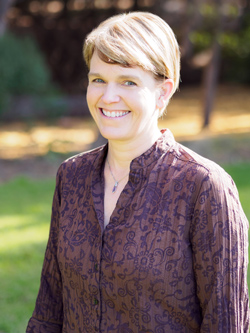
Christopher W. Brownlee, PhD is an Assistant Professor in the Department of Pharmacological Sciences at Stony Brook University School of Medicine. His interdisciplinary research leverages the Xenopus laevis model system to investigate fundamental cellular processes including mitotic spindle positioning, ciliogenesis, cell polarity, and organelle size scaling. These mechanisms are critical for development and implicated in cancer pathology and human diseases.
- Doctorate in Cellular and Molecular Medicine, University of Arizona College of Medicine
- Postdoctoral Research, University of California – Berkeley (American Cancer Society Fellowship)
- Affiliated Faculty: Molecular and Cellular Biology, Genetics, and Biophysics and Physiology at Stony Brook
His lab employs microfluidics and optogenetics to dissect how cells regulate size and shape through phosphorylation-dephosphorylation pathways and importin α dynamics. Current projects include:
- Palmitoylation of importin α in spindle orientation
- TPX2 motif analysis for spindle architecture
- Ciliogenesis regulation during nephrogenesis
- Base excision repair in Xenopus eggs
- Epithelial-mesenchymal transition in cancer
Recent trends highlight his work on organelle scaling and cell polarity mechanisms, with applications in oncology and developmental disorders. Notable awards include the MCB Postdoctoral Award (2018), NSF Graduate Research Fellowship, and American Cancer Society Fellowship. Graduate students and postdocs in his lab have secured grants such as the NIH/NIGMS MIRA R35 and ASCB Travel Grants.
The lab collaborates with Stony Brook’s Molecular and Cellular Biology and Genetics departments, utilizing human cell culture and Xenopus models. Research intersects with cancer, developmental biology, and signal transduction disciplines, providing diagnostic insights via organelle deregulation in tumorigenesis.