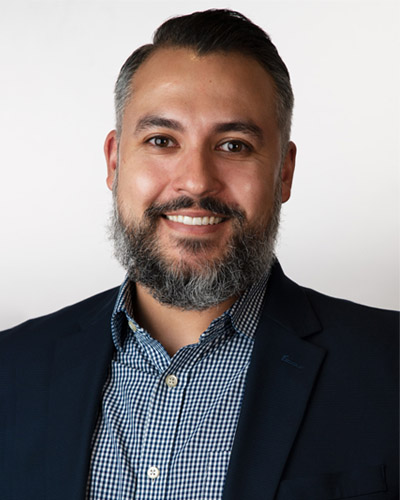
Shirley Graham is a Research Fellow at the University of St Andrews School of Biology, focusing on CRISPR-Cas bacterial immune systems. Her work examines molecular mechanisms of type III CRISPR effectors, antiviral signaling pathways, and nuclease regulation. Key research areas include: Cyclic nucleotide signaling in antiviral defense Structural enzymology of CRISPR-associated nucleases CRISPR system regulation and inactivation mechanisms Bacterial-phage coevolution Recent publications characterize novel CRISPR ancillary effectors, antiviral signaling via ATP-SAM conjugation, and structural foundations of type III CRISPR complexes. Work increasingly explores therapeutic applications for antibacterial strategies and phage resistance engineering. Methodological strengths include structural biology (cryo-EM), bioinformatic discovery of defense systems, and biochemical analysis of enzyme kinetics. Research contributes to the National Center for Smart Growth and integrates computational predictions with experimental validation of immune mechanisms.
Louis Lambrechts is a Researcher and Head of the Insect Infection & Immunity Group at the Institut Pasteur in Paris, France, within the Department of Virology. His research focuses on the ecology, evolution, and genetics of mosquito-virus interactions, particularly involving Aedes aegypti and arboviruses such as dengue and Zika. He leads a dynamic research team and multiple national and international projects funded by agencies including ANR and EU consortia. His research interests include arbovirus transmission dynamics, vectorial capacity, mosquito genetics, evolutionary ecology, host-pathogen interactions, and the role of microbiota in vector competence. He employs genomics, quantitative genetics, and experimental evolution to understand the mechanisms underlying variation in mosquito susceptibility to viral infection. His work has important implications for predicting and controlling arboviral disease outbreaks. Lambrecht’s recent publications reveal key insights into the genetic and environmental factors influencing arbovirus transmission, including the role of mosquito population variation in Zika transmission in Africa, the impact of endogenous viral elements, and the discovery of antiviral roles for cytochrome P450 enzymes. His research integrates molecular biology, field studies, and computational modelling, contributing to a comprehensive understanding of vector-borne disease systems. He has mentored numerous PhD students, postdoctoral researchers, and visiting scientists, fostering a collaborative and interdisciplinary research environment. His lab collaborates widely with institutions across Europe, Africa, and the Americas. Lambrecht’s work is supported by multiple ongoing projects such as CAZIKANO, INTRANZIGEANT, ANR PILGRIM, and LIPOARBO-IVI, focusing on Zika virus transmission, genetic drivers of vectorial capacity, and mosquito-virus specificity. His lab is also involved in broader initiatives like the LabEx IBEID and the Emerging Infectious Diseases program at Institut Pasteur.
Professor Mattias Jakobsson is a faculty member at Uppsala University's Department of Organismal Biology (Human Evolution), holding a PhD and Docent title. His research focuses on population genetics, human evolution, and genomic analysis of modern and ancient human populations. Jakobsson leads a lab using computational methods to study genomic variation, migration patterns, and adaptation in Stone Age Eurasia and sub-Saharan Africa. Key projects include investigations into hunter-gatherer populations, plague infections in Neolithic farmers, and genetic continuity in Scandinavia. Education: PhD (exact field unspecified), Docent Lab: Jakobsson Lab (website: jakobssonlab.iob.uu.se ) Research interests emphasize applying genomic data to understand human migration, admixture, and adaptation. Recent work highlights studies on HLA diversity in Thai hunter-gatherers, ancient European genetic shifts, and plague dynamics in Neolithic communities. Collaborations span global archaeological and genomic projects.
David J. Sullivan is a Professor at the Johns Hopkins Bloomberg School of Public Health, specializing in molecular microbiology and immunology. He holds affiliations with the Johns Hopkins Malaria Research Institute and the Center for Global Health. Sullivan earned his MD from the University of Alabama at Birmingham (1988) and BS from the University of Virginia (1983). His research focuses on malaria drug development, heme metabolism, and SARS-CoV-2 convalescent plasma therapies. He pioneered clinical trials demonstrating convalescent plasma efficacy in preventing COVID-19 hospitalizations and led high-impact studies on antimalarial drug resistance mechanisms. Key Research Projects: Anti-malarial drug action and resistance mechanisms Convalescent plasma for immunocompromised patients Babesia microti drug development Research interests emphasize malaria diagnosis, drug discovery, and repurposing existing drugs for new treatments. Sullivan’s work integrates bench-to-bedside approaches, with field studies in Bangladesh and Africa. His awards include the 2024 American Academy of Microbiology Fellowship and recognition for top clinical research in 2022. Notable achievements include the 2022 NEJM publication on outpatient convalescent plasma therapy and leadership in global malaria research networks. His lab focuses on iron metabolism in malaria parasites and antiviral strategies against emerging pathogens.
Søren Krogh Jensen is a Professor at the Department of Animal and Veterinary Sciences (ANIVET) within the Monogastric Nutrition (MONU) unit at Aarhus University. His research focuses on sustainable feed production, nutrient metabolism, and circular bioeconomy strategies in animal agriculture. He leads initiatives in biorefining green plant resources and serves on the steering committee of the Center for Circular Bioeconomy. Education & Research Expertise: Over 35 years of research on feed processing impacts on animal nutrition Specialization in vitamin/fatty acid metabolism, biohydrogenation, and excretion dynamics Expertise in analytical methods and laboratory facilities for nutritional studies Research Themes: Optimizing nutrient utilization across species (ruminants/monogastrics) Developing sustainable feed sources from agricultural byproducts Integrating circular economy principles into livestock systems Evaluating environmental impacts of protein crop expansion Current Projects (2020-2025): GrassProtein (grass-based biorefining) SeaSus-Protein (seaweed protein utilization) UVIBA (UV sterilization in livestock environments) GO-GRASS (grass-based circular business models) Labs & Collaborations: Directs the ANIVET bioeconomy initiative and collaborates with industry on biorefining technologies and feed innovation.
Jane A. McKeating is a Professor of Molecular Virology at the University of Oxford's Nuffield Department of Medicine. She holds the Hans Fischer Senior Fellowship at the Technical University of Munich's Institute for Advanced Study (TUM-IAS) since 2015. Her research focuses on viral infections, particularly hepatitis B (HBV) and C (HCV), exploring how hypoxia and circadian rhythms regulate viral replication and pathogenesis. She has held roles at institutions including the University of Birmingham (2005–2017) and Rockefeller University (2000–2005). Education: BSc in Biological Sciences, University of Warwick (1982) PhD in Virology, Royal Free Hospital School of Medicine, University College London (1987) Research Interests: Her work investigates how low oxygen (hypoxia) and circadian signaling pathways influence viral replication and tropism, particularly in liver and immune cells. Recent studies include SARS-CoV-2 regulation by hypoxia-inducible factors (HIFs) and circadian clock components like BMAL1. She also examines therapies targeting these pathways to combat viral infections. Publications: Her recent work spans hepatitis virus biology, antiviral screening tools, and circadian regulation of viral infections. Key themes include viral entry mechanisms, immune evasion, and drug development. Awards: 2015 Founders Award, University of Birmingham 2006 Royal Society Wolfson Merit Award 1995 Fleming Award, Society of General Microbiology Lab & Collaborations: Her research group at Oxford focuses on viral-host interactions, with collaborations on spatial transcriptomics of HBV/HDV/HIV co-infections and antiviral drug screening platforms.
Jukka Alinikula is an Adjunct Professor at the University of Turku's Institute of Biomedicine, specifically within the Unit of Infection and Immunity. He also serves as a University Lecturer in immunology and drug development, and as the Education Director of the Immudocs program. His research focuses on somatic hypermutation mechanisms in B lymphocytes, exploring how antibody diversity is generated while avoiding oncogenic mutations. Alinikula completed his PhD at the University of Turku (Lassila Lab), followed by a postdoc at Yale University (Schatz Lab). Research Interests: Alinikula’s work investigates the targeting of somatic hypermutation to immunoglobulin genes versus proto-oncogenes. His lab uses modern techniques like reporter assays, CRISPR-based screens, and single-cell transcriptomics to dissect mutation enhancer functions. Key topics include genome stability, lymphoma etiology, and the interplay between antibody diversification and cancer risk. Teaching: He teaches immunology and immunopharmacology across bachelor’s, master’s, medical, and doctoral programs, emphasizing case-based learning and practical laboratory training. Supervised students include PhD candidates in immunology and drug development. Labs/Teams: Leads his own research group at the Institute of Biomedicine, collaborating extensively with international teams (e.g., Yale, Czech Academy of Sciences). Active in the InFLAMES Flagship initiative for immune system research.
Jeffrey P. Kahn is the Robert Henry Levi and Ryda Hecht Levi Professor at Johns Hopkins University, with a primary appointment in the Department of Health Policy and Management at the Johns Hopkins Bloomberg School of Public Health. He is a core faculty member at the Johns Hopkins Berman Institute of Bioethics, where he leads research on the ethical, legal, and social implications of emerging biomedical technologies. PhD, Georgetown University, 1989 MPH, Johns Hopkins Bloomberg School of Public Health, 1988 Dr. Kahn’s research focuses on bioethics and public health, with particular expertise in ethics and genomics, research ethics, science policy, and the governance of digital health technologies. His work addresses critical questions about informed consent, equity in access to genomic medicine, public trust in biobanking, and the ethical use of data in public health surveillance. He has led major initiatives such as the Genomic Uses in Infectious Diseases and Epidemics (GUIDE) project and research on digital contact tracing governance. His recent publications reveal a strong trend toward interdisciplinary scholarship, integrating insights from law, policy, history, and social sciences to address complex challenges at the intersection of genetics, infectious diseases, and public health. Themes include anticipatory governance of genome editing, regulatory innovation for rare diseases, and ethical frameworks for decentralized biobanking and digital health applications. Member, Delta Omega Honorary Society in Public Health, Alpha Chapter (Johns Hopkins Bloomberg School of Public Health), 2014 Robert Henry Levi and Ryda Hecht Levi Professor of Bioethics and Public Policy, 2011–present Dr. Kahn has mentored numerous scholars and contributed to national and international policy discussions on bioethics. He has received continuous research funding for projects exploring the ethical dimensions of biobanking, genomic surveillance, and public engagement in science. His leadership extends to collaborative networks such as the BRIDGES Collaboratory, which advances ethical, legal, and social studies at the nexus of infectious and genetic diseases. He is actively involved in research centers including the Johns Hopkins Berman Institute of Bioethics and leads projects that integrate ethics into public health practice and policy development.
Fernando Gonzalez Candelas is a Professor in the Department of Genetics at the Faculty of Biological Sciences, Universitat de València, Spain. He leads the EVOSALUD research group (Evolution and Health: Experimental evolution and epidemiology), hosted within the Institute for Biological Systems Integration (I2SYSBIO). His work bridges evolutionary biology, genomics, and public health, focusing on microbial pathogens and their transmission dynamics. His research interests lie at the intersection of evolutionary genetics , genomic epidemiology , and infectious disease dynamics . He investigates the genetic basis of virulence, antimicrobial resistance, and host adaptation in pathogens such as SARS-CoV-2, Treponema pallidum , Klebsiella pneumoniae , and Candida auris . His group applies high-throughput sequencing, phylogenetics, and bioinformatics to understand short- and long-term pathogen evolution. The recent publications highlight a strong focus on real-time genomic surveillance of emerging pathogens, particularly during the COVID-19 pandemic. His work spans from technical improvements in sequencing and analysis (e.g., deletion repair, genotyping discrepancies) to large-scale epidemiological inference (e.g., transmission patterns, recombination, resistance evolution). A recurring theme is the use of both modern and ancient genomes to reconstruct the evolutionary history of pathogens. His scientific contributions are recognized through active participation in national and international research consortia such as RELECOV and SeqCOVID-Spain. He has contributed significantly to understanding the first wave of the pandemic in Spain and the evolution of SARS-CoV-2 variants. He earned his PhD from the Universitat de València in 1988 with a thesis on larval competition in Drosophila , indicating a long-standing interest in evolutionary processes. While no formal awards are listed in the provided text, his leadership in high-impact research and sustained publication record suggest significant recognition in his field. Fernando Gonzalez Candelas advises students and leads a research team focused on pathogen genomics. His lab, EVOSALUD, is actively involved in projects related to wastewater monitoring, nosocomial outbreaks, and the development of tools like VIPERA for viral intra-patient evolution analysis. The group’s work has direct implications for public health policy and clinical microbiology.
Johannes R. Kratz, MD, is an Associate Professor in the Department of Surgery at the University of California, San Francisco (UCSF), School of Medicine. He holds the Van Auken Endowed Chair in Thoracic Oncology and serves as Interim Chief of the Division of Thoracic Surgery. Kratz is also the Program Director of the Thoracic Surgery Residency Program, Director of Minimally Invasive and Robotic Thoracic Surgery, and Medical Director of Robotic Surgery at UCSF Health, highlighting his dual leadership in both academic and clinical domains. He earned his M.D. magna cum laude from Harvard Medical School, a Master of Arts in Philosophy from Stanford University, and completed his clinical training including a residency in General Surgery at Massachusetts General Hospital and a fellowship in Cardiothoracic Surgery at UCSF. His academic credentials are further strengthened by additional training in Diversity, Equity, and Inclusion from UCSF. Kratz’s research is centered on improving outcomes for patients with early-stage thoracic malignancies. His work focuses on developing and validating molecular prognostic assays, particularly a 14-gene signature for lung cancer, understanding tumor immunology, and advancing precision medicine through multi-omics and organoid models. He leads the Kratz Lab, which investigates the genetic and immunological drivers of lung, esophageal, and thymic cancers to discover novel therapeutic targets. His most recent publications, spanning 2023–2025, reveal a strong emphasis on neoadjuvant targeted therapies (especially osimertinib), immune microenvironment profiling using spatial and single-cell techniques, molecular risk stratification, and surgical outcomes research. His work bridges clinical trials, translational science, and surgical innovation, with a growing interest in the impact of the pandemic on surgical care and biomarker development for precision oncology. Scientific Awards and Honors: Van Auken Endowed Chair in Thoracic Oncology (2018) Michael DeBakey Research Scholarship, American Association for Thoracic Surgery (2019) Hellman Family Clinical-Translational Research Development Award (2019) UCSF Health Exceptional Physician Award (2017) Haile T. Debas Academy of Medical Educators Excellence in Teaching Award (2019, 2023) Cardiothoracic Surgery Faculty Teaching Award (2021) Soma Weiss Scholar, Harvard Medical School (2005) Howard Hughes Research Training Fellowship (2004) Kratz has been a Principal Investigator on multiple grants from the American Association of Thoracic Surgery, Bakar ImmunoX Foundation, Helen Diller Family Comprehensive Cancer Center, and UCSF. He actively mentors surgical trainees and contributes to medical education, reflected in his residency program leadership and teaching awards. He is also involved in clinical trials related to minimally invasive surgery and perioperative care. His lab, launched in 2018, is a hub for innovative research in early-stage lung cancer therapeutics.
Patricia Loftus is an Associate Professor in the Rhinology & Skull Base Surgery division at the University of California, San Francisco (UCSF) , specializing in nasal and sinus disorders. She obtained her medical degree from Jefferson Medical College and completed residency/fellowship training at Montefiore Medical Center and Emory University Hospital. Medical School: Jefferson Medical College of the Thomas Jefferson University Hospital Internship & Residency: Albert Einstein College of Medicine-Montefiore Medical Center Fellowship: Emory University Hospital - Rhinology & Endoscopic Skull Base Surgery Dr. Loftus focuses on Eustachian tube dysfunction in allergic contexts, fungal sinusitis , and hereditary hemorrhagic telangiectasia (HHT) . Her clinical expertise spans nasal and sinus surgery , endoscopic skull base surgery , and management of cerebrospinal fluid leaks . Recent research highlights include studies on in-office diagnostic techniques for eosinophilic rhinosinusitis, transcutaneous antifungal delivery for orbital fungal sinusitis, and long-term outcomes of posterior nasal nerve ablation for rhinitis. She has contributed to international consensus guidelines on allergic rhinitis. Professional memberships include the American Academy of Otolaryngology - Head and Neck Surgery , American Rhinologic Society , and North American Skull Base Society .
Mohamed S. Donia is an Associate Professor in the Department of Molecular Biology at Princeton University, where he leads the Donia Lab. His research focuses on small-molecule-mediated interactions within complex microbial communities and between microbes and their hosts, spanning human microbiome and marine symbiosis systems. B.Sc., Pharmacy, Suez Canal University, Egypt Ph.D., Medicinal Chemistry, University of Utah Postdoctoral Training, University of California, San Francisco Dr. Donia’s research lies at the intersection of microbiology, molecular biology, biochemistry, and computational biology. His lab investigates how small molecules mediate microbe-microbe and microbe-host interactions, particularly in the human gut and marine invertebrates. A key focus is on the role of the microbiome in drug metabolism and the discovery of novel bioactive compounds from uncultivable microbes using metagenomics and multi-omics approaches. The recent publications of the Donia Lab reveal a strong trend in microbiome-derived small molecule discovery, host-microbe interactions, and drug metabolism. The work spans human microbiome drug interactions , marine symbiotic chemistry , computational mining of biosynthetic gene clusters , and ecological modeling of microbial systems . These studies frequently appear in top-tier journals such as Cell , Science , and Nature , reflecting the high impact of the research. Scientific honors include: NIH Director’s New Innovator Award Kenneth Rainin Foundation Breakthrough Award Kenneth Rainin Foundation Innovation Award Pew Biomedical Scholar Dr. Donia actively mentors a diverse group of postdoctoral researchers, graduate students (including MD/PhD candidates), and undergraduates. His lab has received research funding from NIH and other agencies, enabling high-throughput, interdisciplinary studies. He is also a member of the Scientific Advisory Board for Deepbiome Therapeutics, indicating translational applications of his work. The Donia Lab operates as an interdisciplinary research team integrating experimental and computational methods. It maintains strong collaborations and develops tools like MetaBGC for metagenomic analysis of biosynthetic gene clusters. The lab culture emphasizes diversity, innovation, and scientific rigor, as reflected in its outreach and team composition.
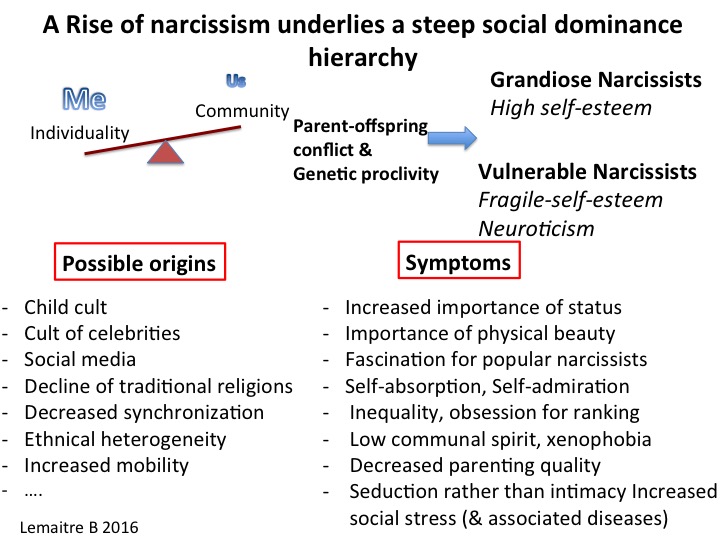
Bruno Lemaitre is a Full Professor at École Polytechnique Fédérale de Lausanne (EPFL), affiliated with the School of Life Sciences and the Global Health Institute (UPLEM). He also contributes to teaching in the Doctoral Program in Molecular and Cellular Life Sciences (EDMS), the School of Humanities (SHS), and the School of Basic Sciences (SV-SSV). He leads the Lemaitre Lab, focusing on immunology and host-pathogen interactions. Full Professor, EPFL – Global Health Institute (UPLEM) Full Professor, EPFL – School of Life Sciences (SV-SSV) Full Professor, EPFL – Doctoral Program (EDMS) Full Professor, EPFL – School of Humanities (SHS) Member, EPFL Committee of Academic Evaluation (CEAE) His research spans immunology, evolutionary psychology, and the sociology of science. Key areas include innate immunity, Toll-like receptors, Drosophila host defense, and the influence of narcissism on scientific success. He has published extensively on how personality traits shape research culture and ethics. The most recent 15 articles reflect a strong interdisciplinary trend, combining molecular immunology with psychological and sociological themes. While early works focus on TLRs and Drosophila immunity, recent publications explore narcissism, obesity, scientific discovery myths, and the cultural impact of personality. This indicates a broadening research scope from molecular biology to the human dimensions of science. Scientific awards and recognitions include: EMBO Member (2007) Bruno Lemaitre supervises a dynamic group of PhD students, both current and past, and is involved in significant educational initiatives, including MOOCs on immunology and authored textbooks. He has also contributed to public discourse through interviews and media appearances. His laboratory, the Lemaitre Lab, is a hub for research on infection and immunity, and he plays a role in academic governance through committee memberships.
Dr. Endre J Szili is an Adjunct Senior Research Fellow at the Future Industries Institute, University of South Australia. His work bridges plasma physics, biomedical engineering, and cancer therapy through the development of cold plasma technologies for medical applications. Research focus on reactive oxygen and nitrogen species (RONS) in cancer treatment, wound healing, and biomaterials modification. Collaborates with institutions including the University of Adelaide, Osaka Metropolitan University, and University of Sheffield. Research interests center on cold atmospheric pressure plasma for biomedical solutions, with key contributions to plasma-activated media (PAM) as a novel therapeutic strategy for ovarian cancer and chronic wound infections. His studies explore RONS generation, tissue penetration mechanisms, and plasma jet optimization for controlled delivery of reactive species. Recent work highlights plasma medicine trends, including applications in antimicrobial therapy via plasma-activated hydrogel (PAHT) and computational modeling of plasma streamers for medical device innovation. Articles emphasize oxidative stress pathways, biofilm disruption, and tailored plasma protocols for clinical translation. Grants include Australian Research Council Future Fellowship FT190100263 and NHMRC Grant 2002510, supporting advancements in plasma technology for oncology and infection control. His interdisciplinary collaborations span physics, engineering, and clinical medicine.
Jesús A. Romo is an Assistant Professor in the Department of Molecular Microbiology and Immunology at The University of Texas at San Antonio (UTSA), part of the College of Sciences. He conducts research at the South Texas Center for Emerging Infectious Diseases (STCEID), focusing on complex microbial interactions in the gastrointestinal tract. His research interests include: Host-fungal-bacterial interactions Trans-kingdom microbial dynamics Clostridioides difficile infections Gut microbiome modulation Medical mycology and fungal colonization Microbial biofilm formation Dr. Romo's work integrates molecular microbiology and immunology to understand how fungal and bacterial communities interact with each other and the host during infection. His lab investigates the role of fungal colonizers in modulating bacterial pathogenesis, particularly in gastrointestinal disease contexts. No recent publications were listed in the provided text, so article trends cannot be assessed at this time. There are no scientific awards mentioned in the available information. Dr. Romo advises students through his research lab at UTSA, though specific names of advisees are not provided. There is no mention of external grants or funding sources in the provided materials. He maintains an active research presence through his lab website and MyNCBI profile, contributing to the broader mission of the College of Sciences at UTSA, which emphasizes cutting-edge research and scientific impact. The Romo Lab is integrated within the South Texas Center for Emerging Infectious Diseases, a research hub focused on understanding and combating emerging pathogens through interdisciplinary collaboration and advanced molecular techniques.