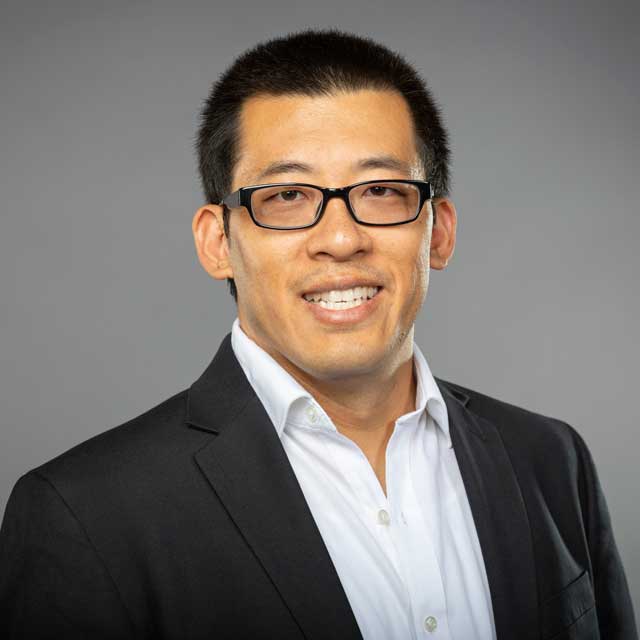
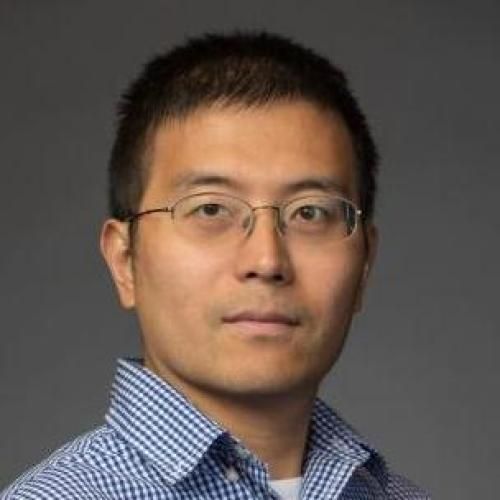
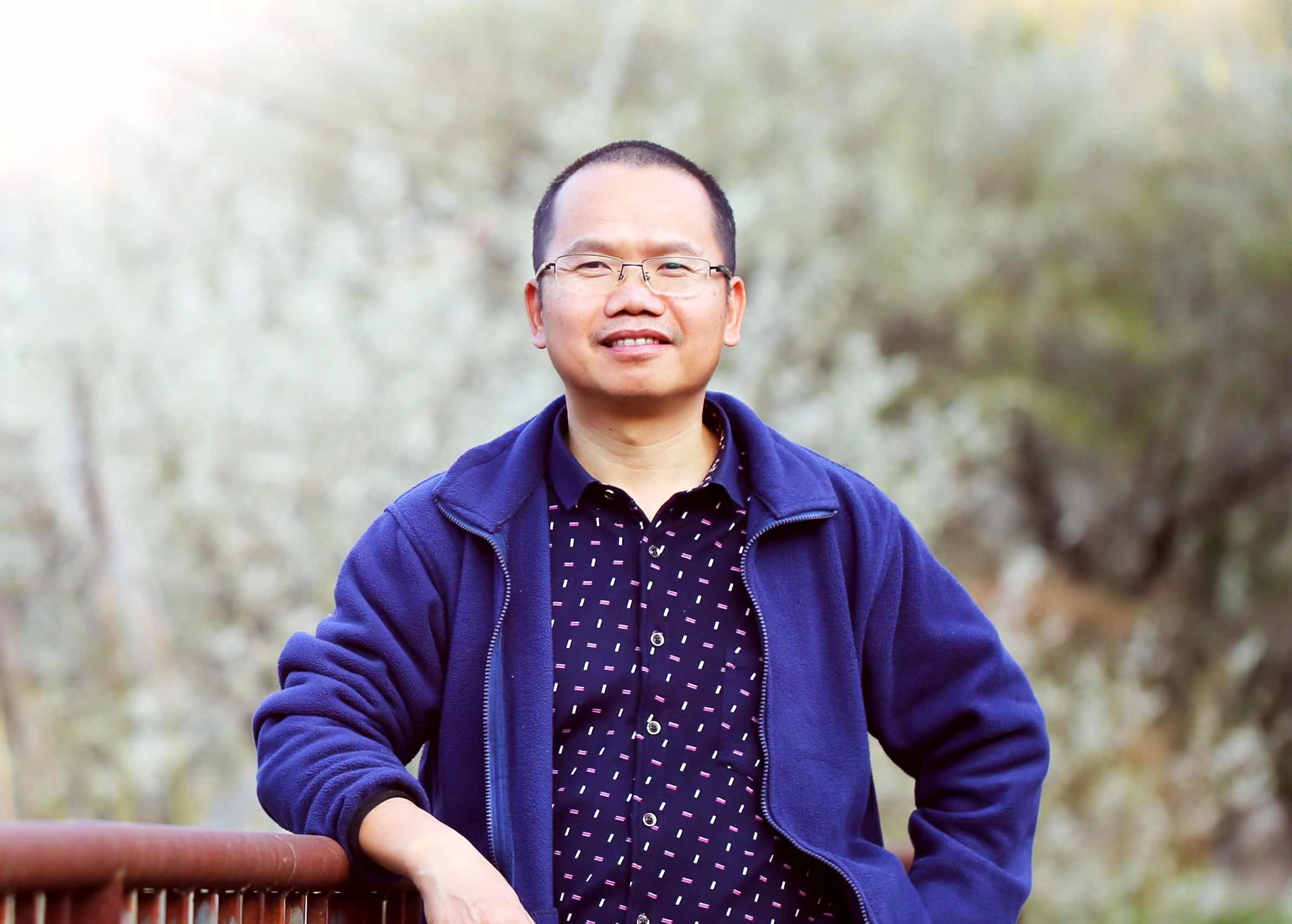
Gregory Lane is a Professor at the Department of Nuclear Physics & Accelerator Applications, affiliated with the Research School of Physics & Engineering at the Australian National University (ANU). He holds a PhD from ANU (1996) and has conducted postdoctoral research at SUNY Stony Brook and Lawrence Berkeley National Laboratory. His research focuses on exotic nuclei, nuclear structure via gamma-ray spectroscopy, and dark matter detection technologies. Key roles include ARC Research Fellow (2003-2008) and ARC Future Fellow (2011-2014). Research interests include metastable nuclear states, collective excitations, and detector development for projects like SABRE and CYGνS. Over 120 peer-reviewed articles and active collaborations across international labs highlight his contributions. Current projects involve directional dark matter detection, nuclear astrophysics, and advanced detector arrays. His work spans experimental nuclear physics, with recent emphasis on exotic nuclei far from stability and applications in low-background experiments. Major facilities include ANU's Heavy Ion Accelerator and collaborations at GSI (Germany) and other international sites.
Dr. Yifei Jin is an Assistant Professor at the University of Nevada, Reno (UNR), leading the UNR 3D Printing Lab within the College of Engineering's Department of Mechanical Engineering. His research focuses on advanced 3D printing techniques, particularly in bioprinting, yield-stress fluids, and biomedical applications. Key projects include developing biodegradable vascular stents, hydrophobic functional materials, and stimuli-responsive materials for 4D printing. He actively mentors graduate students and welcomes visiting scholars, offering research opportunities in polymer processing, additive manufacturing, and material science. Affiliations: UNR 3D Printing Lab, College of Engineering (Mechanical Engineering) Research Themes: 3D Bioprinting, Yield-Stress Fluids, Metal 3D Printing, Medical Device Design His work integrates material science with fabrication methodologies to address challenges in tissue engineering and medical device development. Recent studies emphasize embedded ink writing, fluid-bath assisted printing, and high-speed organ construct fabrication. The lab collaborates on projects ranging from pediatric surgical solutions to aerospace-inspired actuators. Dr. Jin’s lab has pioneered techniques like nanoclay suspension-enabled bioprinting and fluid-bath-assisted microfluidic chip manufacturing. He emphasizes translational research, bridging fundamental material studies with clinical applications such as personalized surgical solutions and wearable sensors.
Professor Yongjun Peng is a Professor at the School of Chemical Engineering, University of Queensland. He holds a PhD from the University of South Australia (2002) and has expertise in froth flotation, mineral processing chemistry, and electrochemistry. His research focuses on optimizing low-quality mineral processing using saline water and addressing challenges in particle interactions, slime coating, and froth destabilization. Key appointments: COREM Research Centre (Canada, 2002–2006), BHP Billiton Perth Technology Centre (2006–2009) Technologies commercialized: GoldRecover (Kinetic Group), de-aerating froth products (DADI Engineering), rapid coal oxidation measurement (Interchem) His research interests include galvanic interactions in grinding, sulfidization processes for oxidized ores, and green flotation chemistry using biopolymers. Peng has developed patented technologies to improve flotation recovery rates and reduce reagent consumption. He leads projects funded by ARC, ACARP, and industry partners like Newmont and Newcrest. Major awards include the ACARP Research Excellence Award (2022) and NSERC Industry Fellowship. He actively supervises PhD and Master’s students focusing on froth dynamics, reagent interactions, and particle behavior in flotation systems.
Professor Anh Nguyen is a faculty member at the School of Chemical Engineering, University of Queensland, holding the former BMA Chair (2007–2017). He has held academic positions at the University of Newcastle (Australia), University of Utah (USA), and Technical University of Kosice (Czechoslovakia). His research focuses on colloid and interfacial science, mineral processing, saline water applications, and gas hydrates. He leads the Mineral Processing and Interfacial Processes group and has published over 350 journal articles, including a research book on flotation colloidal science. Research interests include bubble-particle interactions, surfactant adsorption, and applications in coal/mineral processing, foliar fertilizers, and environmental technologies. His funding comes from industry partners (BHP Billiton, Rio Tinto) and agencies (ARC, ACARP). Teaching focuses on colloid chemistry, flotation, and process modeling. Awards include the ARC Queen Elizabeth II Fellowship and Alexander von Humboldt Fellowship. Recent articles emphasize flotation mechanisms, nanobubble effects, and gas hydrate formation. He supervises numerous PhD students and has led over 50 funded projects. His work bridges fundamental science and industrial applications, addressing global resource efficiency and sustainability challenges.
Aurelien Fraisse is a Research Scholar and Lecturer at Princeton University's Department of Physics, contributing to cosmology and astrophysics research. His work focuses on cosmic microwave background (CMB) observations using balloon-borne instruments like SPIDER and SuperBIT, gravitational lensing studies, and instrumental developments for high-altitude platforms. Office: Jadwin Hall 221 Email: afraisse@princeton.edu Key research interests include CMB polarimetry, weak gravitational lensing, galactic dust composition, and the design of stratospheric observatories. Fraisse has led contributions to the SPIDER and CMB-S4 projects, advancing instrumentation for detecting primordial gravitational waves and characterizing cosmic foregrounds. His recent work emphasizes improving data retrieval from high-altitude balloons and optimizing observational strategies for suborbital telescopes. Publications span technical advancements (e.g., TES arrays, in-flight monitoring) and cosmological analyses using Planck and SPIDER datasets. Research collaborations include the SuperBIT telescope (commissioned in 2019), enabling diffraction-limited visible-to-near-UV imaging from stratospheric balloons, and refining CMB power spectrum estimation methods for future surveys.
Xu Chen is an Adjunct Assistant Professor in the Pratt School of Engineering at Duke University. Their research focuses on metamaterials, acoustofluidics, and machine learning-driven engineering innovations. They hold a B.S. from Shanghai Jiao Tong University (2006) and a Ph.D. from the University of Illinois (2010). Key research areas include designing bioinspired materials, acoustofluidic devices for biomedical applications, and energy-harvesting systems. Their work bridges mechanical engineering, materials science, and computational methods, with notable contributions to metamaterial wave control and smart packaging systems. Recent publications highlight advancements in acoustofluidic tweezers, self-powered sensors, and machine learning-aided metamaterial design. Courses taught include AIPI 590: Advanced Topics in AI for Product Innovation. Lab/Team: Xu Chen's work is part of Duke’s Pratt School engineering initiatives, focusing on interdisciplinary projects in smart materials and fluidic systems.
Professor Youjin Deng holds concurrent roles as a physics professor at the University of Science and Technology of China (USTC) since 2009, and an adjunct professor at the University of Massachusetts Amherst (UMass Amherst) since 2016. He has extensive academic experience including a von Humboldt Research Fellowship at Heidelberg University (2007-2008) and postdoctoral roles at New York University and Delft University of Technology. Education : B.Sc. in Physics, Beijing Normal University (1997) M.Sc. in Physics, Beijing Normal University (2000) Ph.D. in Applied Science, Delft University of Technology (2004) Research Interests : Dedicated to advancing computational and theoretical studies in statistical mechanics, including quantum Monte Carlo methods, phase transitions, and quantum simulations. His work bridges classical and quantum systems, with notable contributions to percolation theory, critical phenomena, and ultracold atom dynamics. Recent projects explore machine learning applications in percolation and topological band structures in spin-orbit coupled systems. Awards : 2016 National Science Fund for Outstanding Young Scholars 2008 China Ministry of Education 'New Century Excellent Talent' 2005 Chinese Government Award for Outstanding Overseas Self-Financed Students Advising & Collaboration : Has guided over 30 graduate students and postdocs, many of whom pursue academic roles globally. Active in international collaborations, including work with the Hefei National Laboratory for Physical Sciences and institutions in the U.S., Australia, and Europe. Research outputs span top journals like Physical Review Letters , Nature , and Science . Labs & Teams : Leads theoretical physics research groups at USTC, focusing on computational methods and quantum many-body systems. Collaborates with experimentalists on cold atoms, optical lattices, and quantum simulations.
Alireza Heidarian is a Research Fellow in the Department of Mechanical & Aerospace Engineering at Monash University, affiliated with the Laboratory for Turbulence Research in Aerospace and Combustion (LTRAC). He holds a PhD in Mechanical and Manufacturing Engineering from RMIT University and is actively engaged in experimental and numerical research in fluid dynamics and energy systems. Research Interests: Dr. Heidarian's research focuses on experimental fluid dynamics , hydrogen energy systems , and applied microfluidics . His work spans high-speed flow diagnostics, multiphase flows, and advanced energy storage technologies. He applies fundamental fluid mechanics to solve real-world challenges in clean energy, biomedical devices, and industrial systems. Key areas include turbulent boundary layers, slurry electrodes for flowable batteries, and microfluidic platforms for hydrogen storage and drug delivery. Publication Trends: His recent publications (2017–2025) reflect a consistent focus on hydrogen storage in slurry electrodes , microfluidic reactor design , and aerodynamic analysis . The work combines experimental techniques like PIV with numerical modeling, emphasizing scalability and industrial application. Topics such as microbubble generation, current collector optimization, and ground effect aerodynamics demonstrate interdisciplinary reach. Scientific Contributions: Active contributor to UN Sustainable Development Goals, particularly in clean energy and sustainable infrastructure. Secured research funding from national and international agencies for multidisciplinary projects. Open-access publications with peer-reviewed impact in journals like Journal of Power Sources , Energy , and Physics of Fluids . Advising and Grants: Dr. Heidarian is currently accepting PhD students and has supervised research in experimental fluid mechanics and energy systems. He has led projects on hydrogen storage, compressed air energy systems, and biomedical microdevices, supported by competitive grants. His collaborations span institutions and industries focused on sustainable technology development. Laboratory Affiliation: He is a key member of the Laboratory for Turbulence Research in Aerospace and Combustion (LTRAC), where he conducts advanced flow diagnostics and develops next-generation energy solutions using state-of-the-art experimental setups.
Professor Loo Say Chye Joachim is a distinguished academic at Nanyang Technological University (NTU), Singapore, holding multiple appointments as Professor in the School of Materials Science & Engineering (MSE), Singapore Centre for Environmental Life Sciences Engineering (SCELSE), and Lee Kong Chian School of Medicine (LKCMed). He currently serves as Associate Dean (Students) in the College of Engineering, overseeing student outreach, admissions, and student life. His research spans multiple disciplines with a focus on designing encapsulation systems for controlled and targeted delivery applications across agri-food, biomedical, environmental, and pharmaceutical fields. His work integrates principles from Biomedical Engineering, Nutrition Science, Circular Economy, Food Technology, Polymer Science, Neuroscience, and Neurotechnology. Prof. Loo's publication record includes over 220 journal papers (h-index: 69), three book chapters, and more than 20 patents (three licensed). His research demonstrates consistent innovation in drug delivery systems, with recent publications showing expertise in nanocellulose for fat absorption inhibition, Janus particles for dual-drug delivery, programmable lipid-polymer nanoparticles for biofilm treatment, and osmogen-mediated hollow microparticles for bioactive molecule delivery. His research trends indicate a strong focus on translating fundamental materials science into practical applications for health and environmental challenges. Nanyang Education Award (School) in 2011 and 2016 Nanyang Education Award (College) in 2020 Enterprise Singapore & Singapore Standards Council Commendation Award in 2021 Singapore Food Agency (SFA) Science Excellence Award in 2022 Prof. Loo has successfully mentored numerous PhD and Master's students, with several receiving awards for their research. His educational impact extends beyond direct mentorship through his role as Associate Dean and his leadership in curriculum development. He has received the Bill and Melinda Gates Foundation grant to develop delivery systems for nutraceuticals and has spun off two companies: LiberaTx for extended-release oral drug delivery systems and Dietrics for valorizing cellulose for fat absorption as a food ingredient. He leads the Delivery and Controlled Release Technologies (DCRT) Laboratory, which focuses on developing innovative particulate systems including multi-layered particles, floatable microcapsules, and hydrophilic-hydrophobic core-shell particles for drug delivery applications. His research group collaborates with scientists and companies globally to translate cutting-edge technologies into commercial applications.
Monika Colombo is a tenure-track Assistant Professor in the Department of Mechanical and Production Engineering at Aarhus University, where she leads the CAReENG research group (CARdiovascular ENGineering and Biofluids Applications). She collaborates with clinicians and scientists to develop predictive computational and experimental models for cardiovascular diseases, with affiliations including the European Society of Biomechanics (ESB) and the MPE Diversity and Inclusion Committee. Her work bridges engineering and medical applications through advanced fluid dynamics analysis. Her research interests prioritize cardiovascular engineering and biomechanics, extending to fluid mechanics, biofluid dynamics, biomedical engineering, image analysis, additive manufacturing, and statistical analysis. She focuses on hemodynamic alterations in vascular diseases, multiscale modeling linking cellular activity to blood flow, and engineering solutions for thromboembolic conditions, coronary microvascular dysfunction, and femoral artery restenosis. Her group employs 3D printing, microfluidics, and computational simulations to study disease mechanisms. Analysis of her 2022-2025 publications reveals concentrated work on aortic annuloplasty digital twins, stent-induced restenosis, and biofluid interactions with medical devices. Key trends include porcine-specific hemodynamic validation (2025), smartphone-based diagnostic tools (2023), and multiscale models coupling gene expression to fluid forces (2022). Her research consistently integrates computational fluid dynamics with experimental microfluidics and clinical collaboration. Scientific awards and honors: No specific awards, fellowships, or medals were documented in the provided materials. Monika Colombo mentors students through her CAReENG research group while teaching Fluid Mechanics at the Bachelor of Science level and Biofluid Dynamics at the Master of Science level. She utilizes departmental laboratories and workshops for experimental work but no grant details or formal advisee names were disclosed. Her leadership extends to the MPE Diversity and Inclusion Committee, promoting equitable practices in academic engineering. Her CAReENG group operates within Aarhus University's engineering infrastructure, specializing in biofluid dynamics experiments using microfluidic channels, 3D-printed vascular phantoms, and image analysis systems. Current projects involve smartphone-based diagnostic workflows and magnetite nanoflowers for thromboembolic disease modeling, leveraging the department's microfluidics and additive manufacturing facilities for translational medical research.
Jonathan A. Brant is a Professor in the Department of Civil & Architectural Engineering at the University of Wyoming, within the College of Engineering and Physical Sciences. He serves as the Director and Research Lead of the Center for Excellence in Produced Water Management (CEPWM), where he leads innovative research in water treatment, nanotechnology, and resource recovery from industrial wastewaters, particularly oil and gas produced waters. Dr. Brant earned his B.S. in Civil Engineering from the Virginia Military Institute (1998), followed by an M.S. (2000) and Ph.D. (2003) in Environmental Engineering from the University of Nevada, Reno. His professional affiliations include the American Society of Civil Engineers (ASCE), Environmental and Water Resources Institute (EWRI), American Water Works Association (AWWA), North American Membrane Society (NAMS), Water Environment Federation (WEF), and the Association of Environmental Engineering and Science Professors (AEESP). His research is centered on advanced water treatment technologies, with a focus on membrane processes, nanomaterials, and the fate and transport of engineered nanoparticles in aquatic systems. He investigates both fundamental mechanisms—such as membrane fouling and nanoparticle stability—and applied solutions like nanocomposite membranes, resource recovery from brines, and desalination systems driven by soil-water potentials. His work bridges environmental sustainability with industrial applicability, particularly in the energy sector. The recent publications (2018–2021) reflect a strong trend in utilizing nanotechnology for water treatment, including magnetic nanoparticle applications, bio-inspired membranes, and imogolite-based nanocomposites. These works span disciplines such as environmental engineering, materials science, and physical chemistry, demonstrating interdisciplinary innovation aimed at solving complex water challenges. Dr. Brant has contributed to the field through numerous invited book chapters and technical reports funded by organizations like the American Water Works Association Research Foundation and the U.S. Bureau of Reclamation. His leadership in CEPWM involves managing projects related to membrane technology, rare earth element recovery, and techno-economic assessments of water reuse. He advises graduate students and teaches core courses including CE 3400 (Introduction to Environmental Engineering), CE 4400 (Water Treatment Design), CE 4410 (Wastewater Treatment Design), and advanced graduate courses in water reuse and physicochemical treatment. His lab and research team are actively engaged in developing next-generation solutions for sustainable water resource recovery.
Peter Jonas is a Professor and the Magdalena Walz Professor for Life Sciences at the Institute of Science and Technology Austria (ISTA). His research focuses on synaptic physiology, cellular neuroscience, and neural circuit dynamics, particularly in the hippocampus and cortex. He leads the Jonas Group, which investigates how synaptic properties shape higher network functions through advanced techniques like patch-clamp recording, two-photon imaging, optogenetics, and electron microscopy. MD, University of Giessen, Germany (1987) His research interests include synaptic transmission, plasticity, biophysics of ion channels, neural coding, and network modeling. The lab combines experimental and computational approaches to understand how synaptic mechanisms support memory and cognition. Recent work emphasizes nanoscale synaptic architecture, presynaptic function, and multiscale brain imaging. Recent publications highlight innovations in synaptic physiology, including mechanisms of vesicle release, synaptic nanotopography, and functional connectivity in memory networks. Trends include the integration of molecular, cellular, and systems-level analyses, with a strong emphasis on quantitative and interdisciplinary neuroscience. Magdalena Walz Professor for Life Sciences Peter Seeburg Integrative Neuroscience Prize of the Society of Neuroscience (100,000 $) Member, EMBO Erwin Schrödinger Prize, Austrian Academy of Sciences (ÖAW) FWF Wittgenstein Award ERC Advanced Grant GIANTSYN Elected Member Editorial Board, Neuron Member, Academia Europaea ERC Advanced Grant NANOPHYS Adolf Fick Award, Physical-Medical Society, Würzburg, Germany Member, Academy of Sciences, Heidelberg, Germany Member of the Board of Reviewing Editors, Science Tsungming Tu Award, National Science Council Taiwan DFG Gottfried Wilhelm Leibniz Award Member, German Academy of Sciences Leopoldina Max Planck Research Award Medinfar European Prize in Physiology, President of Portugal BMBF Heinz Maier Leibnitz Award DFG Heisenberg Fellowship Peter Jonas has advised several PhD students, including Silvia Jamrichova, Peipeng Lin, Rebecca Morse Mora, and Priyansha Verma. His research has been supported by major grants, including two ERC Advanced Grants (NANOPHYS and GIANTSYN), reflecting sustained excellence and innovation in fundamental neuroscience research. The Jonas Group is an active interdisciplinary team comprising postdocs, PhD students, research technicians, and software developers, working on synaptic mechanisms, neural coding, and brain-wide imaging technologies.
Jennifer Gilbert is a Researcher at Lund University 's Department of Physical Chemistry within the Faculty of Engineering . She is affiliated with NanoLund: Centre for Nanoscience and contributes to research in Nanoscience , Lipid Biochemistry , and Molecular Dynamics . Research interests include: Structure and interfacial properties of lipid-based nanoparticles Self-assembly behavior of modified biopolymers Surface interactions of nanomaterials In situ structural analysis of colloidal systems Acoustic trapping calibration standards Biointerface dynamics Her publications focus on Lipid nanoparticle characterization , myoglobin interactions , and acoustic trapping technologies . She has no recorded scientific awards or student advisement activities.
Lei Wang is an Assistant Professor of Bioengineering (College of Engineering) and Biology (College of Science) at Northeastern University since January 2024. Her research focuses on mammalian synthetic biology, microfluidics, and organ-on-a-chip technology for biomedical applications. Ph.D. in microfluidics and biosensors Postdoctoral training in genetically programming hiPSCs at MIT Biological Engineering Department Her research interests include: Designing genetically encoded microRNA sensors for live cell-state monitoring Bioengineering cell fate transitions for regenerative medicine and cancer therapy Developing organ-on-a-chip models with patient-specific hiPSCs Creating ultra-sensitive biosensors for pathogen detection Integrating synthetic biology with microfluidics Advancing automated, logic-driven cellular differentiation Her recent publications show a strong trend in synthetic biology tools for cell fate engineering, with applications in cancer therapy, infectious disease diagnostics, and tissue modeling. Notable work includes programmable microRNA sensors for cell state transitions and microfluidic systems for dynamic hypoxia studies. Scientific Awards: NIH Trailblazer Award (2024): $673,600 for programmable RNA sensors in targeted therapies Additional Contributions: Co-inventor on patents for multi-input miRNA sensing and capacitive pathogen detection Developed tumor-on-chip models and ultra-sensitive biosensors Research supported by collaborations with MIT and Northeastern labs Lei Wang Lab focuses on humanized disease models and cell fate engineering
Tejinder Virdee, Professor of Physics at Imperial College London and a key figure in the discovery of the Higgs boson, is renowned for his leadership in the Compact Muon Solenoid (CMS) experiment at CERN's Large Hadron Collider (LHC). As a Fellow of the Royal Society and recipient of prestigious awards like the Special Breakthrough Prize in Fundamental Physics and Blaise Pascal Medal , his career spans major contributions to detector technology and global scientific collaboration. Education: Ph.D. from Imperial College London (1979) Affiliations: Imperial College London (1983–present); CERN (1979–present) His research focuses on High Energy Physics , particularly Calorimetry , Detector Design , and Higgs Boson Studies . Innovations include the use of Lead Tungstate Crystals and Silicon Avalanche Photodiodes in CMS calorimeters, enabling precise measurements in high-luminosity environments. Recent publications highlight his expertise in Higgs Boson Couplings , Supersymmetry Searches , and Jet Quenching Analysis . These works reflect advancements in TeV-scale Physics and Detector Technology for colliders. Key Awards: Knight Bachelor (2014) Blaise Pascal Medal (2020) Panofsky Prize (2017) Special Breakthrough Prize (2012) IOP Chadwick Medal (2009) Virdee championed the Global Virdee Grants for science education in Africa and India and led major detector upgrades like the High Granularity Calorimeter (HGCAL) for the High-Luminosity LHC. His leadership in ATLAS and CMS construction (1991–2006) and Technical Design Reports solidified his legacy in experimental particle physics.