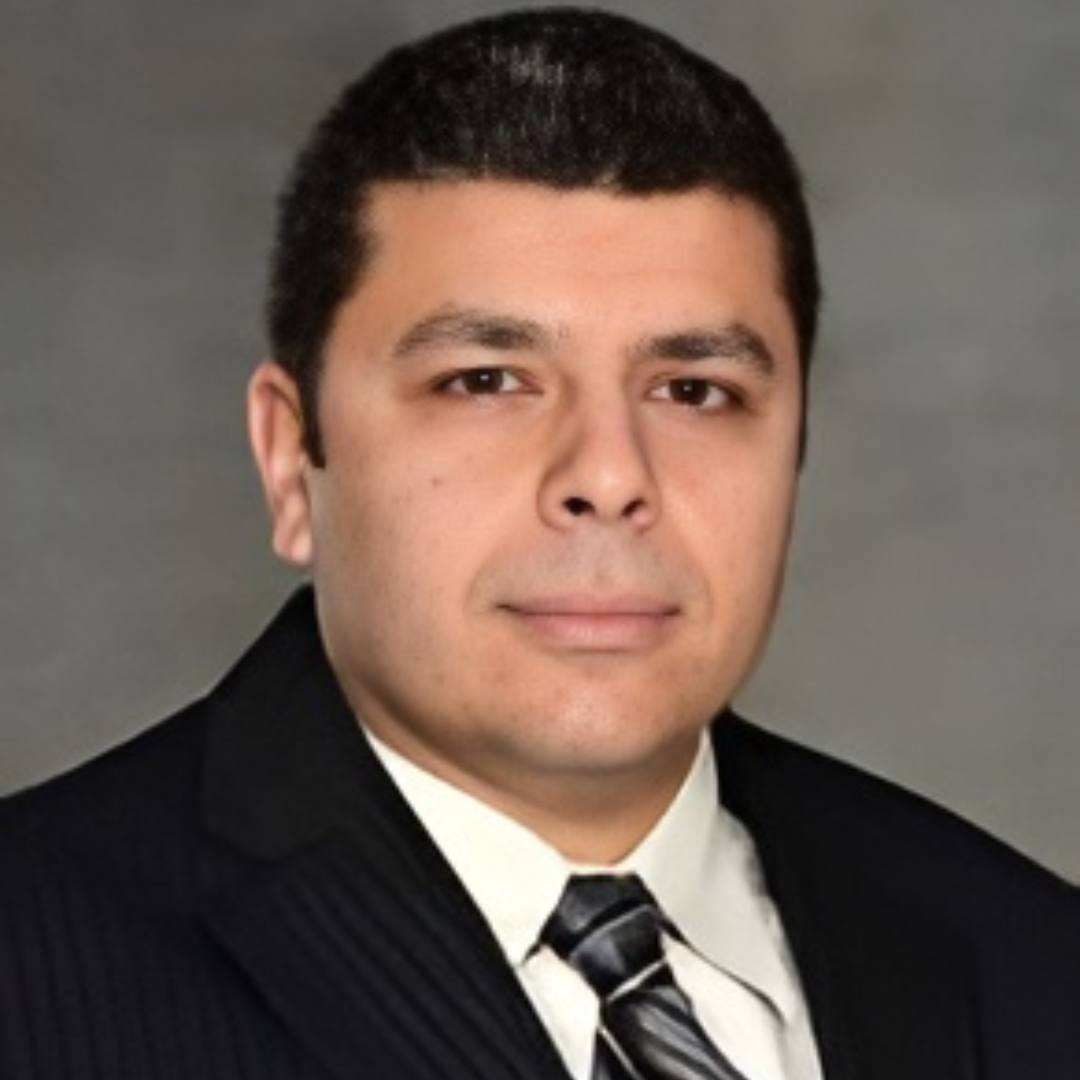
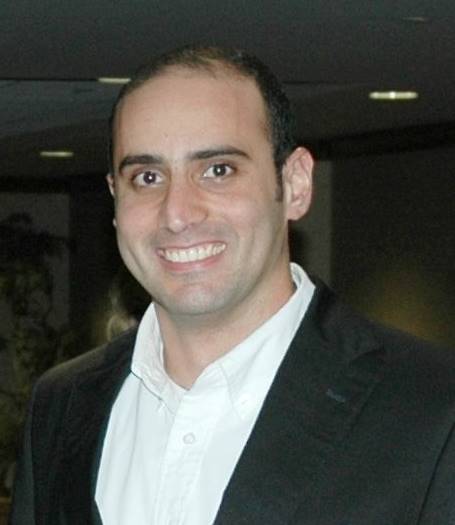
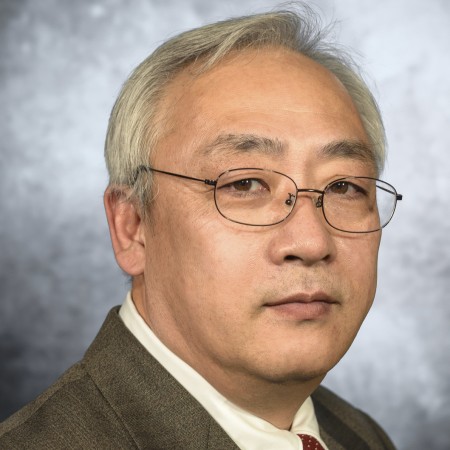
Mahmoud Karimi is a Senior Lecturer at the School of Mechanical and Mechatronic Engineering , University of Technology Sydney (UTS), leading the Vibroacoustics Research Group within the Centre for Audio, Acoustics and Vibration. He holds a PhD in Mechanical Engineering from UNSW with specialization in vibration and acoustics, and has conducted visiting research at University of Cambridge, Technical University of Munich, and INSA Lyon. His research focuses on computational hydroacoustics, vibroacoustics, and uncertainty quantification in noise/vibration problems. Academic Leadership : Editor-in-Chief of Acoustics Australia since 2025 Research Income : Attracted $6M in competitive grants ($2M as Chief Investigator) since 2017 Technical Expertise : Specializes in acoustic black hole structures, flow-induced vibration modeling, and leak detection in buried pipelines Scientific Awards : Recipient of ARC DECRA Fellowship (DE190101412) 2019-2022 Research Trends : His 91+ publications demonstrate expertise in hybrid acoustic modeling techniques, sustainable hempcrete development, and vibration energy harvesting solutions with applications in mining, rail systems, and water infrastructure. International Collaborations: University of Cambridge (UK), Technical University of Munich (Germany), INSA Lyon (France) Teaching Portfolio: Advanced numerical methods, dynamics & control, and computational modeling at UTS
Dr. Walid Morsi Ibrahim is a Professor in the Department of Electrical, Computer and Software Engineering at Ontario Tech University, Faculty of Engineering and Applied Science. His expertise includes Smart Grid design, power systems analysis, and signal processing. He holds a PhD from Dalhousie University (2009), with prior academic positions including Adjunct Professor at the University of Waterloo and Assistant Professor roles at Ontario Tech University and the University of New Brunswick. Education: PhD (2009, Dalhousie), MSc (2002, Suez Canal University), BSc (1998, Suez Canal University) His research focuses on Smart Grid technologies, including signal processing for power systems, automation, and distributed energy resources. Notable contributions include work on electric vehicle integration, transformer aging analysis, and nonintrusive load monitoring using wavelet transforms and machine learning. He has authored over 50 publications in top-tier IEEE conferences and journals. Recent articles highlight his work on electric vehicle load forecasting during the pandemic, fault detection in photovoltaic systems, and transactive energy frameworks for prosumers. Awards include the IEEE PEDG 2010 Best Paper Award and multiple poster awards at Ontario Tech University. Dr. Ibrahim teaches courses on smart grid fundamentals, power systems operation, and information technology for engineers. He has secured grants for research on smart grid monitoring systems and holds patents related to energy management solutions. His work bridges theoretical advancements with practical grid applications, emphasizing resilience and sustainability.
Dr Alexandru Cernat is a Senior Lecturer in Social Statistics at The University of Manchester, affiliated with the Cathie Marsh Institute. His research focuses on data collection methodologies, longitudinal data analysis, and measurement error reduction. He specializes in latent variable models, mixed mode surveys, and integrating digital trace data with traditional datasets. Key projects include improving crime data accuracy through statistical modeling and analyzing socioeconomic health disparities using biomarker data. He has received the UKHLS Methods Fellowship and holds leadership roles in statistical societies. Research Interests: Survey Methodology Latent Variable Modeling Data Quality Enhancement Mixed Mode Design Digital Trace Data Integration Awards: UKHLS Methods Fellowship (2019) Vice Chair, Royal Statistical Society Social Statistics Committee (2019) Grants & Collaborations: Leads projects on crime data accuracy, longitudinal measurement equivalence, and biosocial survey methods. Collaborates with institutions like the London School of Economics and University College London on health inequality studies. Labs/Teams: Core member of the Cathie Marsh Institute's survey methodology team and leads the Longitudinal Data Analysis research group.
Konstantinos Gryllias is a Professor in the Department of Mechanical Engineering at KU Leuven's Faculty of Engineering Sciences. He leads research in the Mechatronic System Dynamics (LMSD) unit at the Arenberg campus. His academic affiliations extend across multiple KU Leuven institutes including Leuven.AI, Leuven.AM (Additive Manufacturing), and the Gravitation Institute. He serves on important governance bodies as a member of the Faculty Council of Engineering Sciences, Faculty Doctoral Committee of Engineering Sciences, and Departmental Council of Mechanical Engineering. Dr. Gryllias specializes in signal processing, fault detection and diagnosis of rotating machinery, condition monitoring, and machine learning applications in structural health monitoring. His research spans linear and nonlinear vibrations, anomaly detection, rotordynamics, and pattern recognition. His work bridges theoretical signal processing with practical engineering applications in wind turbines, marine propulsion systems, and industrial machinery. His recent publications demonstrate strong focus on deep learning approaches for wind turbine anomaly detection, bearing diagnostics, stern bearing lubrication optimization, and structural health monitoring using advanced signal processing techniques. The research shows increasing integration of explainable AI methods with traditional vibration analysis. Dr. Gryllias teaches advanced courses including Monitoring & Prognostics, Structural Dynamics, Smart Sensing Technologies, and Applied AI perspectives. His teaching portfolio reflects the interdisciplinary nature of his research, connecting mechanical engineering fundamentals with cutting-edge AI methodologies. He currently leads multiple research projects through 2025-2029, primarily as Promotor, focusing on fault detection in gears using fiber optic sensors, multi-sensor monitoring of drivelines, physics-inspired machine learning for condition monitoring, and digital twin applications for wind turbine efficiency improvement.
Dr. Najib Ayas is an Associate Professor in the Division of Critical Care Medicine, Department of Medicine, Faculty of Medicine at the University of British Columbia. He graduated with distinction from the University of Alberta in 1992, completed Internal Medicine residency at the Mayo Clinic in 1996, and postgraduate training in Respiratory, Critical Care, and Sleep Medicine at Brigham and Women's Hospital/Harvard Medical School in 2000. He joined the Sleep Disorders Program at UBC in September 2002 and has maintained an active academic career since. Dr. Ayas received his undergraduate education at the University of Alberta (General Science, 1986-1988), followed by his MD (1988-1992). He completed a Rotating Internship at St Thomas Medical Center in Akron, Ohio (1992-1993), Internal Medicine Residency at Mayo Graduate School of Medicine in Rochester, MN (1993-1996), Pulmonary & Critical Care Fellowship at Harvard (1996-2000), and a Master of Public Health from Harvard School of Public Health (2000-2002). Dr. Ayas's primary research focus centers on the public health and safety consequences of sleep apnea and sleep deprivation. His work spans multiple domains including cardiovascular consequences of sleep disorders, epidemiology of obstructive sleep apnea, development of diagnostic tools, and cost-effectiveness of treatments. He has made significant contributions to understanding how sleep disorders affect occupational safety, cardiovascular health, and overall quality of life. His research often involves interdisciplinary collaborations across sleep medicine, critical care, public health, and epidemiology. Analysis of Dr. Ayas's recent publications reveals a strong focus on obstructive sleep apnea (OSA), particularly its cardiovascular consequences, diagnostic approaches, and treatment effectiveness. His work spans basic science investigating mechanisms like intermittent hypoxia effects on endothelial function, to clinical trials examining CPAP therapy, to large epidemiological studies on OSA prevalence and impact. A notable trend is his increasing focus on special populations including patients with spinal cord injuries, pregnant women, and those with comorbid conditions like COPD. His research maintains a strong translational emphasis, bridging laboratory findings to clinical applications. BC Lung Association Career Development Award (2002) New Investigator Salary Award, CIHR/BC Lung Association Award (2002-2007) Scholar Award, Michael Smith Foundation (2004-2009) Established Clinician Scholar Award, VCHRI (2009-2012) Award for Clinical Teaching Excellence, Division of Critical Care Medicine UBC (2013) Martin Hoffman Award Excellence in Research As an educator, Dr. Ayas has supervised numerous graduate students including Masters candidates, Doctoral students, and Post-doctoral fellows. His students have pursued research in areas including sleep apnea pathophysiology, cardiovascular consequences of sleep disorders, and clinical applications of sleep medicine. Dr. Ayas has served on multiple grant review panels for organizations including CIHR, Canadian Lung Association, and Michael Smith Foundation, contributing to the evaluation and funding of critical research in respiratory and sleep medicine. He has directed the Respiratory Physiology course (MED560/Path518) at UBC since 2006 and has been instrumental in developing clinical guidelines including the Canadian Thoracic Society and Canadian Sleep Society position paper on obstructive sleep apnea and driving.
Xiaohui Xu is a Professor in the Department of Epidemiology & Biostatistics at Texas A&M University, specializing in environmental epidemiology. Her research focuses on the health impacts of air pollution, maternal and child health, genetic susceptibility, and spatial epidemiology. She collaborates extensively with institutions in China and the United States on population health studies. Education: PhD in Epidemiology, University of Pittsburgh (2007) MA in Environmental Health, Fudan University (2002) MD in Preventive Medicine, Zhejiang University (1999) Xu’s work explores how environmental exposures interact with genetic and pre-existing health conditions to affect outcomes in vulnerable populations. Her studies span respiratory health, cardiovascular effects of pollution, heavy metal toxicity in HIV patients, and adverse birth outcomes linked to air quality. She employs advanced exposure assessment techniques and spatial modeling. Recent publications highlight her focus on prenatal particulate matter exposure, gestational diabetes, ozone health effects, and pollution mitigation strategies. Collaborative trials include air purifier efficacy studies and community-based interventions for asthma management. Her research bridges environmental science, public health, and clinical epidemiology. Xu holds appointments in environmental health policy and contributes to understanding pollution’s role in chronic disease progression. Her work informs regulatory frameworks and health interventions in high-risk populations, including agricultural communities and urban asthma sufferers.
Melissa Sayer is an Adjunct Assistant Professor of Leadership at Trinity Business School, Trinity College Dublin, and Managing Partner/Co-founder of 6 Team Conditions Global. She specializes in organizational development through team effectiveness frameworks, working with senior leadership teams across property, finance, pharma, technology, and healthcare sectors. Her academic role focuses on executive education, where she has taught over 1500 Trinity Executive MBAs globally. Education: MBA (Trinity College Dublin) Her research explores leadership development , team effectiveness , and sustainability in business education . Recent publications examine MBA pedagogy for Grand Challenges, team coaching methodologies, and organizational resilience. Her work emphasizes practical applications through the 6 Conditions of Team Effectiveness framework. Her peer-reviewed articles (2019-2025) span topics like team coaching rigor, SDG integration in education, and leadership during crises. These publications reflect interdisciplinary interests combining management education , organizational behavior , and sustainable business practices . Scientific Award: MED Best Paper Award (2021) Melissa pioneered executive coaching integration at Trinity Business School and established a qualified coaching panel for MBA programs. She has collaborated with institutions globally while maintaining her consultancy work with high-profile clients like Santander Bank and British Land Plc.
Professor Amanda Lee is a Chair in Medical Statistics at the University of Aberdeen, affiliated with the School of Medicine, Medical Sciences and Nutrition. She holds the title of Professor since 2006 and has served as Director of the Institute of Applied Health Sciences (IAHS) from 2018 to 2023. Her research focuses on applied medical statistics, epidemiology of vascular diseases, and healthcare equity. She has led the University Medical Statistics Team since 2005 and currently heads the Biostatistics and Health Data Science group. Lee is active in Equality, Diversity, and Inclusion (EDI), co-founding the Women's Development Network in 2020 and serving as IAHS EDI Lead since 2024. Education: MSc in Medical Statistics from Newcastle University (1987), PhD (details unspecified), and extensive postdoctoral experience at the University of Dundee and University of Edinburgh. Her career includes roles as a senior research fellow, Reader, and academic leadership positions. Research Interests: Her work spans biostatistics, vascular disease epidemiology, and health services research. She has contributed to studies on COPD management, surgical training equity, and quality of life in chronic conditions. Notable projects include the BICS RCT on bisoprolol for COPD and analyses of differential attainment in medical examinations. Publications and Grants: Over 250 publications, with recent work on COPD, medical education equity, and surgical training. She has secured £12 million in grants across 84 projects. Teaching includes online courses in research methods and statistics for health professionals. Leadership and Service: Member of numerous university committees, including EDI networks, promotions panels, and policy groups. External roles include statistical editorships, data monitoring committees, and grant review panels.
Dr. Adel Abdelnaby is an Associate Professor in the Department of Civil, Construction, and Environmental Engineering at The University of Memphis College of Engineering. He holds a Ph.D. from the University of Illinois at Urbana-Champaign (2012) and has been on the faculty since fall 2012. Dr. Abdelnaby is a licensed Professional Engineer (P.E.) in multiple states and a licensed Structural Engineer (S.E.) in Illinois. His research interests span structural dynamics, earthquake engineering, structural health monitoring, life-cycle analysis of structures, application of innovative materials, and nonlinear finite element methods. He specializes in analyzing structures subjected to multiple hazards and developing methods for structural assessment and improvement. Dr. Abdelnaby's publications reveal a strong focus on earthquake engineering, particularly the effects of multiple earthquakes on reinforced concrete structures. His work includes fragility analysis, hybrid simulation techniques, and vulnerability assessment of bridges and buildings. He has established the Multi-Axial Testing and Simulation (MAT-SIM) Facility at the University of Memphis for advanced structural testing. Engaged Learning Fellowship for redesigning undergraduate steel design courses American Institute of Steel Construction Educator Workshop participant Dr. Abdelnaby has advised numerous graduate students on topics including semi-rigid steel connections, multiple earthquake effects, fragility analysis, and structural health monitoring. He directs the MAT-SIM facility, which includes sophisticated equipment for structural testing under complex loading conditions. His professional affiliations include ASCE, AISC, ACI, EERI, and ASEE, and he serves as a reviewer for several structural engineering journals.
Peter Behrensdorff Poulsen serves as Solar Photovoltaic Systems Group Leader at the Department of Electrical and Photonics Engineering, Technical University of Denmark (DTU). His work spans photovoltaic research, solar-powered lighting systems, and drone-based inspection technologies within DTU's College of Engineering. His research focuses on Solar Cell Engineering , Photovoltaic Modules , and Drone Applications for renewable energy systems. Key areas include bifacial photovoltaics, electroluminescence imaging diagnostics, building-integrated photovoltaics, and ultra-efficient solar-powered lighting solutions. His work significantly contributes to UN Sustainable Development Goals related to affordable clean energy and sustainable cities. Recent publications reveal strong trends in AI-driven PV diagnostics , bifacial module performance in northern climates, and dark-sky compatible lighting systems . His research bridges fundamental photovoltaic science with practical applications in urban infrastructure and environmental sustainability. Best Poster Award at 44th IEEE Photovoltaic Specialists Conference Best Poster Award at 48th IEEE Photovoltaic Specialists Conference Characterizing the Performance of Daylight Filters for Electroluminescence Imaging Poster Award at 35th European Photovoltaic Solar Energy Conference Poster Prize at Sustain 2017 Poulsen leads multiple research grants including the Ultra-efficient Dark Sky-compatible Solar-powered Outdoor Lighting project (2024-2026) and previously managed the DronEL project (2017-2019) for drone-based PV inspection. His work connects photovoltaic engineering with practical lighting applications through the Lighting Color and Radiation Laboratory. He actively collaborates with industry partners on building-integrated photovoltaics and solar-powered infrastructure solutions, with notable projects including the Plateau Sun Hub public charging stations and Black Si BIPV panel development.
Giovanni Forchini is a Professor at the Umeå School of Business, Economics and Statistics (USBE), Umeå University, Sweden. His research focuses on econometrics, panel data analysis, and their applications in health economics and epidemiological modeling. He holds the title of Docent, a Swedish academic qualification reflecting advanced expertise. His work bridges theoretical econometrics with practical policy analysis, particularly in pandemic preparedness and healthcare optimization. Research Themes: Econometric methodologies for panel data and structural equation models Quantifying pandemic impacts on healthcare systems and economies Optimization of resource allocation during public health crises Key Contributions: Developed the DAEDALUS model for integrated economic-epidemiological policy simulations Analyzed SARS-CoV-2 transmission dynamics and vaccine impact in multiple countries Pioneered statistical methods for handling multifactor structures in panel data Awards & Grants: USBSE Pedagogical Prize 2020 Funding from Forte (Swedish Research Council for Health, Working Life and Welfare) and Handelsbanken Teaching & Mentorship: Coordinates Master’s theses in Economics at USBSE Teaches advanced courses like Econometrics 1 & 2 and Analysis of Financial Data
Dr. Donggyu Sul is the John F. Kain Professor of Economics at the University of Texas at Dallas (UT Dallas), within the School of Economic, Political and Policy Sciences. His research focuses on panel data econometrics, empirical growth, and international finance. He earned his Ph.D. in Economics from The Ohio State University (1992) and a B.S. in Economics from Korea University (1988). His career includes roles at the University of Auckland and research economist positions in Korea. Key research interests include panel data methodologies, economic growth analysis, and financial econometrics. He has contributed to advancements in factor models, convergence testing, and dynamic panel estimation. Notable publications include work on X-differencing, terrorism drivers, and common factor identification in exchange rates. Professional Preparation: Ph.D., Economics, The Ohio State University, 1992 B.S., Economics, Korea University, 1988 Awards: 2019 Maekyung-KAEA Economist Award for contributions to economic research Professional Activities: General Secretary of Korea-American Economic Association Co-editor of International Economic Journal Past associate editor of New Zealand Economic Papers Grants & Collaborations: Extensive collaboration with Peter C.B. Phillips on econometric theory and panel data methods. Labs/Teams: Active in organizing the Korean Econometric Camp and New Zealand Econometric Study Group. His work bridges theoretical econometrics and applied research, emphasizing robust estimation techniques and policy-relevant insights, particularly in growth disparities and financial markets.
Brett Abarbanel serves as Associate Professor and Executive Director of the International Gaming Institute at the University of Nevada, Las Vegas (UNLV), within the William F. Harrah College of Hotel Administration. She maintains a research affiliate appointment at the University of Sydney School of Psychology’s Gambling Treatment and Research Clinic, demonstrating transnational academic engagement. Her educational foundation includes dual bachelor's degrees in Statistics and Architectural Studies from Brown University, where she received the Hartshorn Hypatia Award for mathematical excellence. She earned her MS and PhD at UNLV, receiving Best Thesis and Best Dissertation awards for research on sports book patronage and online gambling user experiences respectively. Dr. Abarbanel's research program critically examines gambling's intersection with esports, video games, and traditional sports through multiple lenses: technological (gaming operations infrastructure), sociocultural (community relations and spectatorship), and historical (evolution of gambling practices). Her work uniquely bridges academic rigor with industry applicability, particularly in developing evidence-based responsible gambling frameworks for emerging digital gambling environments. Analysis of her recent publications reveals three dominant trajectories: (1) esports-gambling convergence integrity, (2) data-driven responsible gambling interventions using transaction analytics, and (3) historical/media studies of gambling culture. These span gambling studies, behavioral psychology, data science, and media theory, with increasing emphasis on real-world implementation of research findings. Her distinguished recognition includes: 2015 Emerging Leader Award (The Innovation Group) 2016 Global Gaming Business 40 Under 40 Hartshorn Hypatia Award for mathematical excellence UNLV Best Thesis and Dissertation awards Dr. Abarbanel actively shapes industry standards through editorial leadership as Executive Editor of the UNLV Gaming Research & Review Journal and board membership at International Gambling Studies. Her policy impact is evidenced by service on Singapore's National Council on Problem Gambling International Advisory Panel and co-founding the Nevada Esports Alliance. As a charter member of Nevada's Esports Technical Advisory Committee, she directly influences regulatory frameworks for esports betting integrity. She directs UNLV's International Gaming Institute while co-leading the Nevada Esports Alliance, establishing dual institutional pathways for translating research into industry best practices. Her committee work with the Nevada Gaming Control Board creates formal mechanisms for academic input into regulatory decision-making, particularly regarding esports betting integrity standards.
Professor Jeremy Bagg is Professor of Clinical Microbiology and Head of Glasgow Dental School at the University of Glasgow since January 2005. He also serves as Deputy Head of the School of Medicine, Dentistry & Nursing. With a distinguished career spanning over four decades, Professor Bagg has made significant contributions to oral microbiology, infection control, and public health dentistry. Professor Bagg qualified BDS (Hons) from the University of Edinburgh in 1979 and was awarded a PhD in 1982 for research on bacterial adhesion mechanisms. He served as Lecturer in Oral Medicine & Oral Pathology at Cardiff Dental School from 1983-1991, gaining the FDS diploma and MRCPath in oral microbiology in 1987. Joining the University of Glasgow in 1991 as Lecturer in Oral Microbiology, he was awarded a Personal Professorship in Clinical Microbiology in 1999. His research focuses on the role of oral micro-organisms in systemic disease, oral infections in medically compromised patients, infection control in dental surgery, and public health microbiology. As a member of the Infection & Immunity Research Group, Professor Bagg has co-authored two textbooks and published over 160 papers. His work spans dental microbiology, infection control practices, oral-systemic health connections, and global oral health policy development, with particular expertise in denture microbiology, blood-borne virus management, and the oral health of medically compromised patients. Professor Bagg holds significant leadership positions including Chairman of the National Dental Advisory Committee at the Scottish Government Health Department and Chair of the Steering Group of the Scottish Dental Clinical Effectiveness Programme. He is also a member of the UK Advisory Panel for Health Care Workers Infected with Blood-borne Viruses. In 2004, he was awarded the Fellowship of the Faculty of Public Health for his contribution to public health microbiology. His recent work demonstrates continued excellence across multiple domains including dental infection control, global oral health policy, dental education innovation, and the microbiology of oral diseases. Professor Bagg's research has particular relevance to denture care, blood-borne virus management in dental settings, and the connection between oral health and systemic conditions. Professor Bagg has contributed to major initiatives including the Scottish Oral Health Research Strategy and serves as one of two Scottish representatives on the Oral & Dental Specialty Group of the UK Clinical Research Network. His work has influenced dental practice guidelines and public health policy in Scotland and beyond.
Dr. Mohammad Naraghi is a Professor in the Department of Mechanical Engineering at Manhattan University, specializing in thermal analysis of rocket engines, sustainable building systems, and radiative heat transfer. His research focuses on rocket thermal evaluation (RTE), solar energy optimization, and crystal growth processes. He holds a PhD from the University of Akron, MS from the University of Wales, and BS from the University of Tehran. Research areas include: Thermal modeling of regeneratively cooled rocket engines Radiative heat transfer in enclosures and aerospace systems Solar energy systems optimization (panel orientation, photovoltaic plants) Energy dynamics of green buildings and data centers CFD analysis of fluid flow and heat transfer in propulsion systems His 30+ years of publications span advanced thermal modeling techniques, including RTE software development and stochastic methods. Key contributions include NASA-recognized rocket engine thermal models and a patented seasonally selective building façade. Grants include NASA-funded rocket thermal research and ARPA/AFOSR crystal growth projects. Awards include ASME Fellow, AIAA Associate Fellow, and multiple NASA/ASEE fellowships. Teaching includes courses on solar energy systems, fluid mechanics, and green building energy dynamics. Advises graduate students in mechanical engineering and contributes to industry partnerships through applied thermal research.