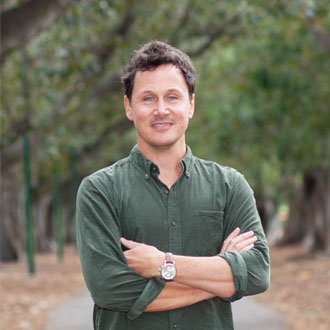
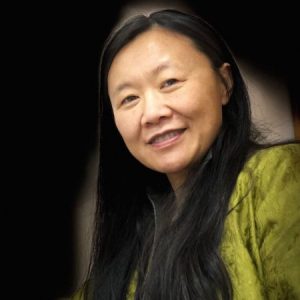
Hande GÜÇLÜ is a Professor in the Department of Ophthalmology at Trakya University's Faculty of Medicine. Her academic qualifications include a Bachelor's degree (2007) and Post-Doctoral studies (2012). Her research focuses on ophthalmology, with emphasis on retinal diseases (e.g., age-related macular degeneration, diabetic retinopathy), glaucoma therapeutics, corneal pathology, ocular inflammation, and advanced imaging techniques like optical coherence tomography (OCT). She extensively investigates pharmacological interventions, oxidative stress mechanisms, and molecular pathways in ocular tissues. Her publications (2018–2024) predominantly explore clinical and experimental ophthalmology, including intravitreal drug efficacy, retinal barrier integrity, corneal alterations from medications, and molecular targets for neuroprotection. Research often integrates imaging biomarkers and in vitro disease modeling.
Dr. Carrie L Lucas is an Associate Professor of Immunobiology at Yale School of Medicine with multiple affiliations across Yale's research ecosystem, including the Yale Cancer Center, Colton Center for Autoimmunity, Human and Translational Immunology Program, and several specialized research centers focused on genomics and immuno-oncology. Her research focuses on discovering single-gene defects underlying severe immune disorders in humans and dissecting the new biology revealed by these mutations. Dr. Lucas employs human genomics, in vitro studies with primary patient cells, and in vivo mouse modeling approaches to uncover fundamental immunological principles with translational relevance. Analysis of her recent publications (2021-2025) reveals a strong focus on PI3K signaling pathways, transcriptional regulation in immune responses, and the genetic basis of autoinflammatory and immunodeficiency disorders. Her work frequently bridges basic immunology with clinical applications, particularly in understanding how rare genetic mutations illuminate broader immune mechanisms. Scientific Awards: Enders Faculty Fellow (2023) Christina Fleischmann Award to Young Women Investigators (2020) CRI CLIP Award (2019) Bohmfalk Scholar, Yale School of Medicine (2018) Charles Hood Foundation: Child Health Research Award (2017) Dr. Lucas actively supervises research through the Lucas Lab, which started in July 2016 and has established itself as a center for innovative immunological research. Her lab has received funding for various projects including the Pediatric Genomics Discovery Program, and she collaborates extensively with researchers across Yale and other institutions, as evidenced by her numerous co-authored publications. The Lucas Lab operates as part of Yale's Department of Immunobiology, contributing to the university's strong reputation in immunological research. The lab's culture, described as 'Lucas-ite' on their website, emphasizes interdisciplinary collaboration and translational research approaches.
Dr. Mandar Deepak Muzumdar is an Associate Professor of Genetics and of Internal Medicine (Medical Oncology) at Yale School of Medicine. He serves as a Member of the Yale Cancer Biology Institute, Scientific Director of the Center for Gastrointestinal Cancers at Smilow Cancer Hospital and Yale Cancer Center, and Co-Director of both the Pancreas Program and the Training Program in Genetics. Dr. Muzumdar's educational background includes: AB in Biochemical Sciences from Harvard College (2003) MD from Stanford University School of Medicine (2008) Internship and Residency in Internal Medicine at Brigham and Women's Hospital (2009-2010) Fellowship in Medical Oncology at Dana-Farber Cancer Institute and Massachusetts General Hospital (2014) Postdoctoral Research Fellowship at the Koch Institute for Integrative Cancer Research at MIT (2017) His research focuses on understanding the mechanisms by which genetic, environmental, and host factors contribute to cancer initiation, progression, and maintenance. Dr. Muzumdar's laboratory leverages sophisticated genetically-engineered cell and animal models to define the molecular basis for tumor cell and host adaptations that drive tumorigenesis. His work centers on three major projects: targeting KRAS in pancreatic cancer, deciphering the mechanistic link between obesity and pancreatic cancer, and tracing tumor progression in KRAS-driven cancers. The ultimate goal of his research is to identify novel approaches for cancer prevention and treatment. Dr. Muzumdar's publication record shows a strong focus on pancreatic cancer biology, with significant contributions to understanding KRAS signaling, obesity-cancer connections, and tumor progression mechanisms. His most notable publication appeared in Cell (2020) describing an endocrine-exocrine signaling axis that drives obesity-associated pancreatic cancer. His scientific achievements have been recognized with several prestigious awards: Damon Runyon-Rachleff Innovation Award (2021) New Innovator Award (DP2) from NIH Director's Common Fund (2019) AACR NextGen Grant for Transformative Cancer Research (2019) Early Career Award from Cancer Research (2019) Mentored Clinical Scientist Research Career Development Award (K08) from NCI (2016) As an educator and mentor, Dr. Muzumdar advises multiple graduate students, MD/PhD students, and postdoctoral fellows in his lab. He is committed to training the next generation of scientists and clinicians, integrating research, education, and clinical care to make a greater impact on cancer patient care. His lab provides opportunities for trainees to work with cutting-edge models of pancreatic and lung cancers, with emphasis on translational applications. Dr. Muzumdar directs the Muzumdar Lab, which opened in late 2017 and focuses on pancreatic cancer research using genetically-engineered mouse models that closely recapitulate human disease. The lab investigates how gene mutations interact with environmental factors like obesity to drive cancer progression, with the goal of identifying new strategies for cancer prevention and therapy.
Dr. Chandrakanth Are is a surgical oncologist at the Fred & Pamela Buffett Cancer Center, University of Nebraska Medical Center, specializing in gastrointestinal malignancies. His clinical expertise encompasses liver, pancreatic, colorectal, gallbladder, and stomach cancer surgery, including advanced techniques like fluorescence-guided resection. Educational background includes: MBBS: Osmania Medical College (1988) Internship: Osmania General Hospital (1989) Fellowship in General Surgery: Our Lady's Hospital/Beaumont Hospital (1996) Residency in General Surgery: Johns Hopkins Hospital (2003) Fellowship in Gastroenterology: Johns Hopkins Hospital (2004) Fellowship in Surgical Oncology: Memorial Sloan-Kettering Cancer Center (2006) His research focuses on refining surgical approaches for hepatobiliary and gastrointestinal cancers, developing clinical guidelines through NCCN, and investigating molecular pathways like PI3K/Akt/mTOR for targeted therapies. Dr. Are maintains active contributions to oncological literature with 196+ publications emphasizing evidence-based surgical management and emerging treatment paradigms. Dr. Are has contributed to establishing standardized care protocols through his work on national guidelines for biliary tract and hepatobiliary cancers. His recent publications demonstrate sustained academic productivity with articles addressing evolving strategies in metastatic colorectal cancer management and intraoperative technologies.
Professor David Greening is Head of Molecular Proteomics at Baker Heart and Diabetes Institute and leads the Baker Department of Cardiovascular Research, Translation and Implementation at La Trobe University. He holds affiliate positions at Monash University and University of Melbourne, and serves as Director of the Proteomics and Metabolomics Platform at La Trobe University. His educational background includes a BSc(Hons) and PhD from the University of Melbourne, followed by postdoctoral training at Ludwig Institute for Cancer Research, La Trobe University, and Institute for Systems Biology in Seattle. He completed Biomedical Research Management certification at the University of Melbourne in 2014. Professor Greening's research focuses on extracellular vesicle (EV) biology and their therapeutic applications in cardiovascular disease. His laboratory employs advanced proteomics, mass spectrometry, and nanobiotechnology to understand EV mechanisms and develop next-generation cell-free therapies. Key research areas include engineering EVs for cardiovascular therapeutics, developing EV-based diagnostics, understanding cardiac remodeling using human cardiac organoids, and repairing cardiac tissue through exosome-mediated regeneration. His publication record includes 148 papers with over 24,500 career citations and an h-index of 52, with work published in top journals including Nature Methods, Circulation Research, and Journal of Extracellular Vesicles. His research demonstrates strong trends toward therapeutic applications of EVs, particularly for cardiac repair, and the development of proteomic technologies to understand complex biological systems. Helen Amelia Hains Fellow and Baker Fellow Australian Field Leader (outright) – Proteins, Proteomics Chair, International Society of Extracellular Vesicles Congress (2024) Highly Cited Researchers 2020 (top 1%) by Stanford University International Protein Society Hans Neurath Outstanding Promise Award ROYAN International Research Award on Stem Cell Biomedicine Professor Greening has established significant industry collaborations with Tithon Biotech, Takeda Pharma, and Thermo Fisher Scientific. He has successfully mentored numerous students and researchers, with his lab comprising molecular biologists, cell biologists, proteomics specialists, and clinical scientists working collaboratively. His research has advanced to pre-clinical and clinical utility with several commercialization outcomes. The Molecular Proteomics laboratory operates as a multidisciplinary team focused on understanding EV function and developing innovative proteomic technologies. They collaborate extensively with national and international partners in biotechnology, proteomics, and regenerative medicine fields, maintaining strong industry networks that facilitate translation of basic research findings into clinical applications.
Dr. Erin Howden serves as an Adjunct Senior Research Fellow at the Baker Department of Cardiovascular Research, Translation and Implementation, affiliated with La Trobe University. Her research program bridges cardiovascular physiology, exercise science, and clinical medicine, with particular emphasis on understanding cardiac adaptation mechanisms in diverse populations including those with obesity, cancer, and Long COVID. Dr. Howden's research interests focus on cardiovascular responses to exercise , examining how the heart adapts to various stressors including obesity, cancer treatments, and viral infections. Her work employs advanced methodologies such as cardiopulmonary exercise testing, echocardiography, and molecular analysis to investigate cardiac remodeling, exercise intolerance mechanisms, and potential therapeutic interventions. A significant portion of her recent work explores cardio-oncology , investigating how exercise can mitigate cardiovascular complications from cancer treatments. Analysis of Dr. Howden's publication record reveals a strong trajectory in translational cardiovascular research, with recent work spanning obesity-related cardiac adaptation, Long COVID cardiovascular sequelae, exercise interventions in cancer survivors, and molecular mechanisms of exercise benefits in genetic cardiomyopathies. Her research demonstrates consistent collaboration across cardiology, oncology, and exercise physiology domains, often addressing clinically relevant questions with immediate implications for patient care. Dr. Howden maintains active research collaborations across multiple institutions, frequently working with interdisciplinary teams to address complex cardiovascular questions. Her current work suggests ongoing commitment to understanding exercise as medicine across diverse patient populations, with particular focus on vulnerable groups including cancer survivors and those with post-viral syndromes.
Bangyan L. Stiles, PhD, is the Boyd P. and Elsie D. Welin Professor of Pharmaceutical Sciences in the Department of Pharmacology and Pharmaceutical Sciences at the University of Southern California (USC) School of Pharmacy. She joined USC Mann in December 2005, was promoted to associate professor with tenure in 2012, and became a full professor in 2016. Her research program focuses on understanding the molecular mechanisms of chronic disease pathogenesis with particular emphasis on lipid metabolism in cancer development, specifically targeting the phosphatidylinositol-3 kinase (PI3K) and related signaling pathways. Dr. Stiles' research interests span multiple interconnected areas of biomedical science. Her work primarily investigates how metabolic changes drive cancer development, with a special focus on liver cancer where fatty liver disease is a common co-morbidity. She has made significant contributions to understanding the relationship between non-alcoholic fatty liver disease (NAFLD), non-alcoholic steatohepatitis (NASH), fibrosis, and hepatocellular carcinoma. Her laboratory discovered that steatosis is a critical step for liver cancer development and identified Wnt produced from macrophages as niche factors that promote tumor development due to steatosis. Additionally, her research on pancreatic beta-cells has contributed to understanding how aged beta-cells lose their response to growth/regeneration signals and how this relates to diabetes onset. The research trends in Dr. Stiles' publications show a strong focus on the intersection of metabolism and cancer, particularly examining how PTEN/AKT signaling regulates liver and pancreatic pathophysiology. Her work spans from basic molecular mechanisms to translational applications, with significant emphasis on tumor initiating cells, macrophage-tumor cell interactions, and the inflammatory microenvironment in cancer development. The publications demonstrate increasing sophistication in understanding the crosstalk between metabolic pathways and cancer signaling, with recent work focusing on specific AKT isoforms, chemokine signaling in the tumor microenvironment, and transcriptional regulation in metabolic liver disease. Dr. Stiles has received substantial research funding as Principal Investigator on multiple NIH grants, including R01DK131492 (The Role of ERRa in liver lipid dysfunction and pathology), R01CA154986 (The role of PTEN and AKT2 in the malignant transformation of liver progenitor cells), and R01DK084241 (The mechanism of beta-cell regeneration). Her laboratory has trained numerous researchers who have contributed to her extensive publication record of over 100 papers with more than 13,000 reads and 5,913 citations on ResearchGate. Her laboratory focuses on the molecular mechanisms linking metabolic disease to cancer development, with particular expertise in PTEN/AKT signaling, liver pathophysiology, and pancreatic beta-cell regeneration. The lab employs a range of techniques including mouse models of liver disease and cancer, molecular biology approaches, and translational studies aimed at developing therapeutic interventions for metabolic liver disease and associated cancers.
Philip J. S. Stork, M.D., is a Senior Scientist at the Vollum Institute with a joint appointment in the Department of Cell, Developmental and Cancer Biology at Oregon Health & Science University's School of Medicine. He earned his B.S. from Harvard University (1977), M.S. from Stanford University (1978), and M.D. from Columbia University (1984). His training includes a residency in Pathology at Harvard Medical School and a fellowship at Tufts-New England Medical Center. Dr. Stork began his academic career as an Assistant Professor at Tufts University (1988) before joining the Vollum Institute in 1990, where he progressed to Scientist (1997) and Senior Scientist (2005). His research employs molecular and biochemical approaches to investigate signal transduction mechanisms, focusing on how hormones and growth factors regulate cellular responses through pathways involving: Small G proteins (Ras/Rap1) MAP kinase cascades (ERK/B-Raf) cAMP-dependent protein kinase signaling Membrane domain organization Oncogene-induced senescence Dr. Stork's publications demonstrate consistent focus on kinase signaling dynamics, membrane protein trafficking, and metabolic regulation in cancer and neuronal contexts. His laboratory develops innovative techniques including fluorescent biosensors and high-throughput single-particle tracking to study real-time cellular processes. He served on the Editorial Board of Molecular Cell Biology (2008-2020). The Stork Laboratory maintains active investigations into fundamental signal transduction principles, particularly the spatiotemporal regulation of signaling cascades and their pathological disruptions.