Carrie L Lucas
دانشیار · Immunology
Max Planck Institute of Molecular Cell Biology and Geneticsمعرفی
Dr. Carrie L Lucas is an Associate Professor of Immunobiology at Yale School of Medicine with multiple affiliations across Yale's research ecosystem, including the Yale Cancer Center, Colton Center for Autoimmunity, Human and Translational Immunology Program, and several specialized research centers focused on genomics and immuno-oncology.
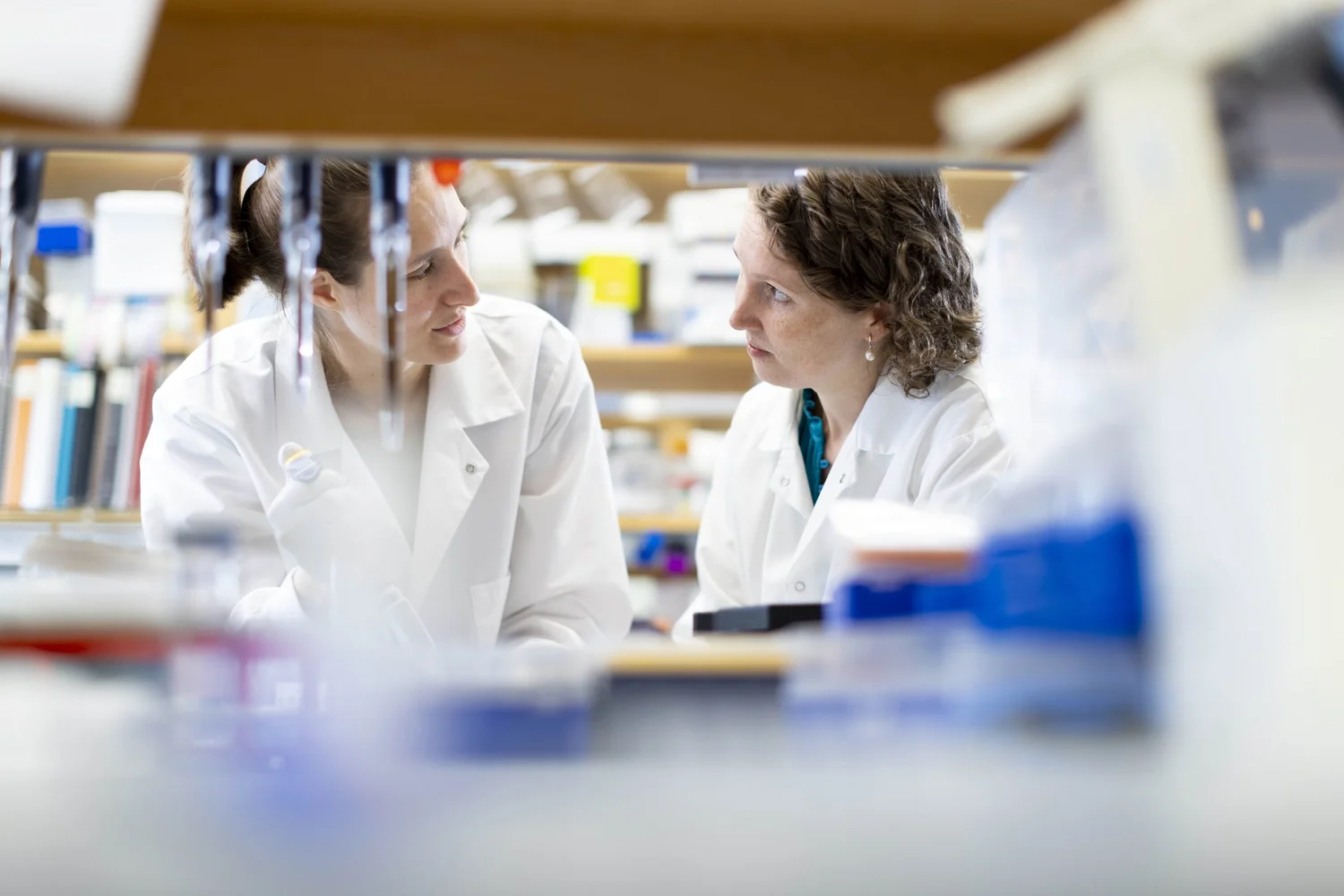
Her research focuses on discovering single-gene defects underlying severe immune disorders in humans and dissecting the new biology revealed by these mutations. Dr. Lucas employs human genomics, in vitro studies with primary patient cells, and in vivo mouse modeling approaches to uncover fundamental immunological principles with translational relevance.
Analysis of her recent publications (2021-2025) reveals a strong focus on PI3K signaling pathways, transcriptional regulation in immune responses, and the genetic basis of autoinflammatory and immunodeficiency disorders. Her work frequently bridges basic immunology with clinical applications, particularly in understanding how rare genetic mutations illuminate broader immune mechanisms.
Scientific Awards:
- Enders Faculty Fellow (2023)
- Christina Fleischmann Award to Young Women Investigators (2020)
- CRI CLIP Award (2019)
- Bohmfalk Scholar, Yale School of Medicine (2018)
- Charles Hood Foundation: Child Health Research Award (2017)
Dr. Lucas actively supervises research through the Lucas Lab, which started in July 2016 and has established itself as a center for innovative immunological research. Her lab has received funding for various projects including the Pediatric Genomics Discovery Program, and she collaborates extensively with researchers across Yale and other institutions, as evidenced by her numerous co-authored publications.
The Lucas Lab operates as part of Yale's Department of Immunobiology, contributing to the university's strong reputation in immunological research. The lab's culture, described as 'Lucas-ite' on their website, emphasizes interdisciplinary collaboration and translational research approaches.