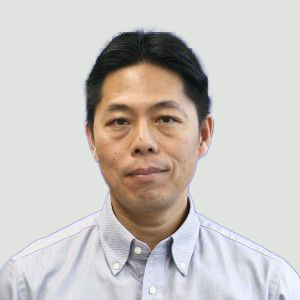
Prof. Dr. Dennis Säring is a faculty member at the University of Applied Sciences Wedel , specifically affiliated with the School of Engineering. His academic and research activities focus on Deep Learning , Medical Image Analysis , and applications of Artificial Intelligence in healthcare and biomedical imaging. He has led seminars on Deep Learning topics and supervised student projects in Autonomous Driving at Audi's AADC 2018 competition. Research Highlights : Cardiovascular imaging, forensic age estimation via MRI, neural network-based bone segmentation, and cerebrovascular aneurysm analysis. Technical Expertise : Cardiac MRI, 3D/4D image processing, parametric mapping, and spatiotemporal data fusion. His recent publications (2018-2023) emphasize 3D MR segmentation for age assessment, CMR strain analysis in athletes, and T1/T2 mapping for myocarditis. Key collaborations include institutions like the University Medical Center Hamburg-Eppendorf and Wedler Hochschulbund, with funding for autonomous vehicle research. While no explicit scientific awards are listed, his work spans clinical cardiology, forensic radiology, and AI-driven medical diagnostics.
Paul Lu is a Professor in the Department of Computing Science at the University of Alberta, Faculty of Science. His research focuses on high-performance computing, parallel and distributed systems, cloud computing, and bioinformatics. He holds a B.Sc. (1991), M.Sc. (1993) in Computing Science from the University of Alberta, and a Ph.D. in Computer Science from the University of Toronto (2000). His research explores software systems, including operating systems, virtual machines, and parallel programming. Recent work emphasizes high-performance data transfers and IaaS cloud computing. He teaches courses such as MINT 706: Internet Application and Programming, covering internet protocols and client-server programming. Publications highlight contributions to network optimization, machine learning-driven protocol selection, and distributed systems. His work bridges theoretical advancements with practical applications in cloud infrastructure and wide-area networks.
Sophie Sanchez is an Associate Professor at Uppsala University's Department of Organismal Biology, specializing in Evolution and Development. Her research focuses on vertebrate evolution, using advanced imaging techniques like synchrotron microtomography to study fossilized anatomy and developmental processes. She has contributed significantly to understanding sensory organ evolution in jawed vertebrates, early tetrapod development, and the structural adaptations of ancient fish. Key work includes studies on placoderms, osteostracans, and the molecular bases of evolutionary innovations. Her findings bridge paleontology with developmental biology, employing cutting-edge microscopy to reveal hidden biological details in fossils. Publications highlight her expertise in fossil musculature, bone histology, and genomic evolution, with high-impact contributions to journals like Nature and Science . Collaborative projects involve global teams analyzing Devonian and Permian vertebrates, emphasizing interdisciplinary approaches to evolutionary questions.
Foteini Mourkioti is an Associate Professor at the University of Pennsylvania's Perelman School of Medicine , with a joint appointment in the Graduate Groups of Cell and Molecular Biology and Bioengineering . She co-directs the Musculoskeletal Regeneration Program at the Penn Institute of Regenerative Medicine and leads the McKay Orthopaedic Research Laboratory . Research Interests : Muscle Stem Cell Biology Mechanobiology Muscle Regeneration Telomere Biology in Muscular Diseases Fibrodysplasia Ossificans Progressiva (FOP) Cardiomyopathy and Aging Key Research Contributions : Developed the Pax7EGFP mouse model for real-time muscle stem cell tracking Discovered telomere shortening as a critical factor in Duchenne Muscular Dystrophy Elucidated the role of NF-κB in muscle stem cell dysfunction Identified Piezo1's role in stem cell morphological states Characterized fibro-adipogenic progenitor dynamics in FOP Scientific Awards : NIH/NHLBI R01 grant recipient (2019) NASA grant awardee (2020, 2017) American Heart Association grant (2017) Muscular Dystrophy Association grant (2019) University Research Foundation grant (2018) Publications & Collaborations : Over 25 publications in high-impact journals like Science Advances , Nature Protocols , and Cell Reports . Collaborates with Penn Cardiovascular Institute and Pennsylvania Muscle Institute.
Ben Seiyon Lee is an Assistant Professor in the Department of Statistics at George Mason University's College of Science. His work bridges computational statistics, climate modeling, and environmental risk assessment. Education: PhD in Statistics, Pennsylvania State University (2020) Lee specializes in computational methods for high-dimensional spatiotemporal data and uncertainty quantification in climate models. His research explores climate change impacts on extreme hydrological events, wildfire emissions, and medical decision-making. Recent publications focus on Bayesian spatiotemporal frameworks for extreme precipitation analysis, zero-inflated spatial models, and multisector uncertainty quantification. His work addresses challenges in flood risk assessment, agricultural yield projections, and healthcare compliance metrics.
Dr. Timur Alexander Yorgan is a prominent researcher at the Department of Osteology and Biomechanics at University Medical Center Hamburg-Eppendorf (UKE). Holding a Dr. rer. nat. degree, he has established himself as a leading figure in bone biology with over 60 publications spanning from 2013 to 2025. His research is deeply integrated with key institutional research areas including the Hamburg Center of Neuroscience and immunology research networks at UKE. Dr. Yorgan's research focuses on skeletal development, bone remodeling, and genetic bone disorders, with particular emphasis on Wnt signaling pathways and their role in bone homeostasis. His work spans multiple approaches from molecular genetics to translational studies, investigating osteoblast and osteocyte biology, genetic mechanisms underlying disorders like osteogenesis imperfecta, and the effects of various mutations on skeletal integrity. Recent research has expanded into the gut-bone axis, mechanobiology of bone cells, and neuro-immune interactions affecting bone metabolism. Analysis of Dr. Yorgan's publication record reveals a consistent trajectory of high-impact research in bone biology. His work increasingly explores interdisciplinary connections between bone metabolism and other physiological systems, with growing emphasis on translational approaches for therapeutic interventions. The research demonstrates sophisticated use of mouse models and molecular techniques to unravel complex bone disorders and identify potential treatment targets. Dr. Yorgan appears to be actively involved in collaborative research across multiple institutions, as evidenced by his extensive publication record with numerous co-authors from various departments and institutions. His work is frequently published in high-impact journals including Journal of Bone and Mineral Research, Nature Communications, and Bone Research. The Department of Osteology and Biomechanics at UKE, where Dr. Yorgan is based, is part of a vibrant research ecosystem that includes the Hamburg Center of Neuroscience and other key research networks focusing on immunology, oncology, and cardiovascular research. This collaborative environment enables interdisciplinary approaches to understanding skeletal disorders and developing novel therapeutic strategies.
Amjad Javed is a Professor and Associate Dean at the University of Alabama at Birmingham , with primary appointments in the School of Dentistry - Oral & Maxillofacial Surgery and joint affiliations in Cell, Developmental and Integrative Biology , Otolaryngology , and Biomedical Engineering . His research spans bone biology, cartilage development, and myeloma bone disease. PhD in Physiology (University of the Punjab, 2003) MS in Zoology/Animal Biology (University of the Punjab, 1992) Research Interests focus on transcriptional regulation via RUNX2 and Sp7 in skeletogenesis, vascular calcification mechanisms, epigenetic control of bone formation, and tumor-bone microenvironment interactions in multiple myeloma. Key subfields include endochondral ossification, osteoclast differentiation, and nanomatrix-based tissue engineering. Scientific Contributions include discoveries about RUNX2's role in postnatal bone resorption, λ5 protein's impact on skeletal aging, and heparanase's promotion of myeloma metastasis. His work demonstrates RUNX2's dual function in chondrocyte apoptosis and cartilage degradation. Teaching & Mentorship involves graduate committee service for over 15 students and instruction in courses like Connective Tissue and Bone , Oral & Skeletal Biology , and Journal Clubs . Collaborations span Comprehensive Arthritis, Musculoskeletal, Bone and Autoimmunity Center , Integrative Center for Aging Research , and Biomatrix Eng Regen Med Center .
Eileen M. Shore, Ph.D. is the Cali and Weldon Research Professor in FOP at the University of Pennsylvania's Perelman School of Medicine. She serves as Co-Director of the Center for Research in FOP and Related Disorders and Director of the Developmental Grants Program within the Department of Orthopaedic Surgery. Dr. Shore holds multiple prestigious affiliations including Full Member of the Institute for Human Gene Therapy, Member of the Institute for Translational Medicine and Therapeutics, Member of the Penn Center for Musculoskeletal Disorders, Full Member of the Institute for Regenerative Medicine, and Member of the Penn Medicine Center for Orphan Disease Research and Therapy. Dr. Shore received her B.S. in Biology from the University of Notre Dame (1976), her M.A. in Biology from Indiana University (1978), and her Ph.D. in Cell and Molecular Biology from the University of Pennsylvania (1987). Her research program centers on the genetic regulation of cell differentiation and tissue development through investigations of rare human genetic diseases of extra-skeletal bone formation. She has made groundbreaking contributions to understanding fibrodysplasia ossificans progressiva (FOP) and progressive osseous heteroplasia (POH), identifying the genetic causes and exploring the cellular and molecular basis of dysregulated stem cell fates. Her work develops in vitro and in vivo models to understand mutation consequences and develop therapeutic strategies for these debilitating conditions. Analysis of Dr. Shore's publication record reveals a consistent focus on heterotopic ossification mechanisms spanning over two decades. Her research has evolved from initial genetic discovery (identifying ACVR1 mutations in FOP and GNAS mutations in POH) to detailed mechanistic studies of how these mutations alter BMP and G-protein signaling pathways. Recent work increasingly examines biomechanical signaling interactions with genetic pathways and immune cell involvement in heterotopic ossification processes, reflecting a sophisticated multi-disciplinary approach to these rare disorders. Dr. Shore maintains an active laboratory environment with numerous students, postdocs, and research specialists. Her lab personnel as of Spring 2019 included students from the Cell and Molecular Biology program, post-doctoral researchers, and research specialists. She collaborates extensively with clinicians and scientists including Frederick Kaplan MD, Rob Mauck PhD, Foteini Mourkioti PhD, Mary Mullins PhD, and Maurizio Pacifici PhD, demonstrating the translational nature of her research bridging basic science and clinical application. Her laboratory focuses on understanding how genetic mutations lead to ectopic bone formation, with particular emphasis on the cellular and molecular regulation of chondrogenesis and osteogenesis in heterotopic ossification. Current projects investigate immune cell roles in supporting heterotopic ossification, biomechanical signaling pathway interactions with ACVR1 signaling, and the regulatory cell fate 'switch' that leads to increased osteogenesis in POH.
Dr. Ernestina Schipani is the William Wikoff Smith Professor of Orthopedic Surgery at the University of Pennsylvania's Perelman School of Medicine, where she leads a productive research laboratory focused on skeletal development and disease mechanisms. Her groundbreaking work has established fundamental principles in hypoxia biology and G-protein coupled receptor signaling as they relate to skeletal formation and disease processes. Dr. Schipani's educational journey includes: M.D. and Ph.D. from St. Anna School of Advanced Studies-University of Pisa, Italy Her research has transformed our understanding of skeletal development, beginning with her seminal discovery that gain-of-function mutations of PTHR1 cause Jansen disease. She pioneered the concept that hypoxia-driven pathways control skeletal development, revealing how oxygen gradients serve as regulatory signals in tissue morphogenesis. Her laboratory employs genetically modified mouse models and cutting-edge techniques including single-cell RNA sequencing and metabolomics to investigate how hypoxia, mitochondrial metabolism, and metabolic reprogramming influence skeletal development and disease. Analysis of her recent publications shows a dominant focus on hypoxia-inducible factors (particularly HIF-1 and HIF-2) in bone development, metabolism, and disease. Her work spans molecular mechanisms of skeletal formation, therapeutic approaches for bone disorders, and the intersection of mitochondrial function with skeletal health, demonstrating sustained research excellence with continuous NIH funding since 1997. Dr. Schipani's significant contributions to bone research have been recognized through: ASBMR Paula Stern Achievement Award (2019) Continuous ASBMR membership since 1992 ASCI membership since 2005 She actively mentors the next generation of bone researchers, with her laboratory members regularly presenting at major scientific conferences including the Gordon Bone & Teeth Conference and ASBMR meetings. Her NIH-funded research program includes four major focus areas: HIF-1 in endochondral bone development and somitogenesis, HIF-2 in bone mass regulation, and HIFs in soft tissue tumors and cartilage regeneration. The laboratory recently secured an NIH R01 grant to study mitochondrial respiration and growth plate biology. The Schipani Laboratory at McKay Laboratories-University of Pennsylvania maintains an active research program investigating the fundamental biological processes of skeletal development, with particular emphasis on hypoxia signaling and metabolic regulation. Current projects examine how hypoxia-inducible factors regulate bone formation and disease processes, with significant translational potential for developing new therapies for skeletal disorders including osteoporosis and skeletal dysplasias.
Dr. Martin Brazeau is an Associate Professor of Vertebrate Evolution at Imperial College London's Department of Life Sciences (Silwood Park), part of the Faculty of Natural Sciences. He leads the Brazeau Lab, which focuses on the deep evolutionary history of vertebrates through fossil records and computational methods. His research explores the origins of vertebrate anatomical features like skulls, jaws, and hard tissues, using Paleozoic-era fossils and phylogenetic tools. Education: PhD in Evolutionary Biology from Uppsala University (2004–2009), BSc (First-class Honours) in Zoology from McGill University (2001–2004). He is affiliated with the Georgina Mace Centre for the Living Planet and the Silwood Park Campus. His work combines field expeditions, collections-based paleontology, and software development (e.g., Morphy for phylogenetic analysis). Research Interests: Evolutionary biology, vertebrate morphology, paleontology, and phylogenetics. His studies address how new traits emerge and their impacts on biodiversity. Key areas include placoderms, chondrichthyans, and early gnathostome evolution. Publications highlight advancements in understanding vertebrate jaw evolution, endoskeletal structures, and computational methods for analyzing fossil data. His lab's projects emphasize functional morphology and the integration of modern imaging techniques like X-ray computed tomography. Advising and Grants: No explicit details provided. Lab activities focus on collaborative projects and mentorship through PhD opportunities, such as the current opening on vertebrate reproductive modes. Labs/Teams: Brazeau Lab at Imperial College London, specializing in vertebrate evolution and morphological phylogenetics.
Dr. Andreia Marina Ionescu serves as Associate Professor of Biology and Principal Investigator at Northeastern University since July 2020, leading research in skeletal development and regenerative medicine. Education: PhD, University of Rochester (NY) Postdoctoral Fellowship, Harvard Medical School Research Interests: Her lab pioneers investigations into growth plate stem cell hierarchies, FoxA2+ long-term skeletal stem cells (LTSSCs), and osteoarthritis mechanisms. Key focuses include: Transcriptional regulation of chondrocyte differentiation Cartilage regeneration via stem cell populations Nanoparticle-based gene delivery for OA treatment PTHrP signaling in skeletal growth Publication Trends: Recent work (2022-2024) demonstrates integration of single-cell transcriptomics with functional studies to map skeletal stem cell lineages, revealing FoxA2+ LTSSCs as critical regeneration mediators. Parallel efforts develop charge-reversed exosomes for targeted cartilage therapy, bridging developmental biology and translational orthopedics. Scientific Awards: NSF CAREER Award (2024) Advising and Grants: Mentors four graduate students, twelve undergraduate researchers, and two senior scientists. Lab operations are supported by NSF CAREER funding and institutional resources for skeletal biology research. Lab and Team: The Ionescu lab integrates wet-lab biologists (Dr. Muruganandan Shanmugam, Dr. Yu Zhou) with computational expertise (bioinformatician Dr. Yu Zhou) to address skeletal regeneration challenges through molecular, cellular, and tissue-level approaches.
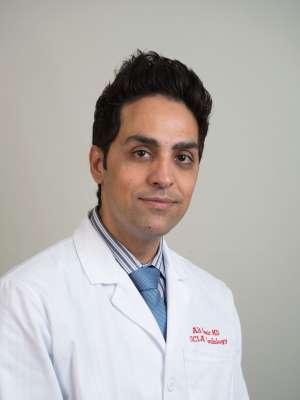
Ali Nsair, MD, is a Clinical Professor at the David Geffen School of Medicine, University of California, Los Angeles (UCLA). He serves as the Director of the Heart Transplantation and Mechanical Circulatory Support Program at UCLA and is a key member of the Interventional and Structural Cardiology program. Nsair received his MD from the University of Alberta Faculty of Medicine in 2002, followed by Internal Medicine residency and Cardiology fellowship at the University of Alberta Hospital, with advanced training in Advanced Heart Failure and Interventional Cardiology at UCLA Medical Center and post-doctoral fellowship in regenerative therapies. His clinical focus spans heart transplantation, mechanical circulatory support, interventional cardiology, and sports cardiology.
Ryan M. Pearson is an Associate Professor in the Department of Pharmaceutical Sciences at the University of Maryland School of Pharmacy, where he also serves as Director of the Bio- and Nano-Technology Center. He holds an adjunct appointment in the Department of Molecular Microbiology & Immunology at the University of Maryland School of Medicine. PhD in Biopharmaceutical Sciences, University of Illinois at Chicago Postdoctoral Research, Biomedical Engineering, University of Michigan Dr. Pearson's research lies at the intersection of nanotechnology and immune engineering, focusing on developing nanoparticle-based strategies to treat dysregulated immune responses in conditions such as sepsis, cancer, autoimmunity, and allergy. His lab investigates three primary areas: (1) metabolite-based polymers and nanoparticles for inflammation modulation, (2) protein- and mRNA-delivery systems for antigen-specific immunomodulation, and (3) the role of disease-specific biomolecular coronas in immune responses. His recent publications reveal a strong trend in designing tunable nanoparticles that precisely control immune cell behavior—particularly macrophages, dendritic cells, and B cells—using physicochemical properties and corona engineering. These innovations aim to shift immune responses from pro-inflammatory to tolerogenic states, offering promising translational pathways for chronic inflammatory diseases. American Association of Colleges of Pharmacy New Investigator Award National Institute for Pharmaceutical Technology and Education Rising Star Award Shock Society Faculty Research Award NIGMS Maximizing Investigators’ Research Award (R35 MIRA) Dr. Pearson actively mentors PhD, MS, and postdoctoral researchers and has secured major NIH funding, including an R01 from NIAID for sepsis immunotherapy. He serves on the editorial boards of Pharmaceutical Research and Drug Delivery & Translational Research , and has advised student chapters of AAPS. His lab, the Pearson Lab for Immunomodulatory Biomaterials, fosters a multidisciplinary team integrating immunology, polymer chemistry, and nanobioengineering.
Masakazu Yamamoto is an Assistant Research Professor in the Department of Molecular and Cell Biology at the University of Connecticut, where he has been affiliated with the Center for Regenerative Biology since 2003. His academic career spans institutions in both Japan and the United States, reflecting his deep expertise in developmental and molecular biology. Education 1998 – Ph.D. in Molecular Biology, Nagoya University (Thesis: “Coordinated expression of Hoxa-11 and Hoxa-13 during limb muscle patterning”) 1991–1996 – Graduate studies at Nagoya University and Tohoku University 1991 – M.Sc. in Biology, Tohoku University 1987–1991 – B.Sc. in Biology, Tohoku University Research Interests Yamamoto’s research focuses on the molecular mechanisms underlying limb muscle development and patterning. He investigates how Hox genes, particularly Hoxa-11 and Hoxa-13 , coordinate spatial and temporal gene expression during embryogenesis. His work also delves into the role of transcription factors and signaling pathways in muscle precursor cell fate determination, with implications for regenerative medicine and skeletal muscle biology. Publication Trends His publications from 1992 to 2011 reflect a consistent trajectory in developmental biology, with a strong emphasis on limb development, Hox gene regulation, and muscle patterning. Recent studies include the use of genetically modified mouse models for lineage tracing and the identification of progenitor cells involved in heterotopic bone formation, bridging basic developmental science and translational regenerative biology. Contact & Affiliation Office: Biology/Physics Building G26 Email: masakazu.yamamoto@uconn.edu Phone: 860-486-8717 Address: 91 North Eagleville Road, Unit 3125, Storrs, CT 06269-3125
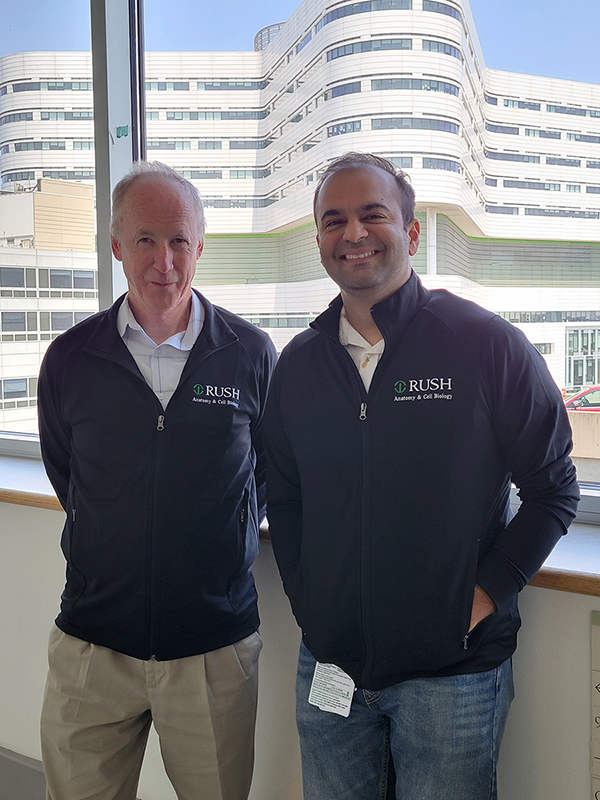
D. Rick Sumner, PhD, serves as Professor and Chair of the Department of Anatomy & Cell Biology at Rush Medical College, Rush University, and directs the Rush MicroCT and Histology Core. With over 30 years of continuous research funding from major institutions including NIH, DoD, NASA, and industry partners, his work has established him as a leading researcher in bone biology and orthopedic biomechanics. His laboratory maintains active collaborations with research groups both within Rush and internationally. Dr. Sumner's research focuses on fundamental aspects of bone biology with direct clinical applications. His primary areas of investigation include bone regeneration mechanisms, orthopedic implant fixation, and the role of bone in osteoarthritis pathogenesis. Specific projects examine the genetics of bone regeneration, effects of premature birth on postnatal bone development, early detection of particle-induced peri-implant osteolysis, and cartilage-bone interactions in osteoarthritis. His lab employs advanced imaging techniques including micro-computed tomography, backscatter scanning electron microscopy, and Fourier transform infrared spectroscopy, complemented by histology, mechanical testing, and biomarker analysis. Analysis of Dr. Sumner's recent publications reveals a strong interdisciplinary approach spanning bone biology, immunology, microbiome research, and circadian rhythms. His work demonstrates how bone health intersects with systemic conditions including inflammatory bowel disease, circadian disruption, and premature birth. The research consistently applies sophisticated imaging and analytical techniques to understand bone-implant interfaces and develop improved diagnostic and therapeutic approaches for orthopedic conditions. Dr. Sumner serves as Principal Investigator or Multiple Principal Investigator on multiple NIH grants including R01AR080118 (bisphosphonates and bone matrix), R01AR079179 (systems genetics of bone regeneration), R21HD102026 (bone health in formerly premature individuals), and P30AR079206 (Chicago Center on Musculoskeletal Pain). He has mentored numerous postdoctoral fellows including Frank Ko, PhD, and Brittany M. Wilson, PhD, who continue research in bone regeneration and implant osteolysis. Dr. Sumner's laboratory operates as the Laboratory of D. Rick Sumner within the Department of Anatomy & Cell Biology at Rush University Medical Center. The lab maintains the Rush MicroCT and Histology Core, providing advanced imaging capabilities for bone and implant research. His team includes bioinformaticians, postdoctoral researchers, and technical staff working collaboratively on multiple projects related to bone regeneration, implant fixation, and osteoarthritis mechanisms.