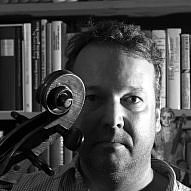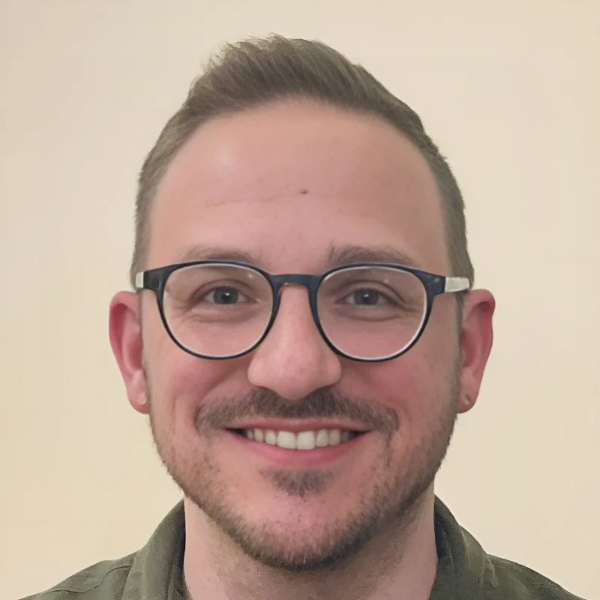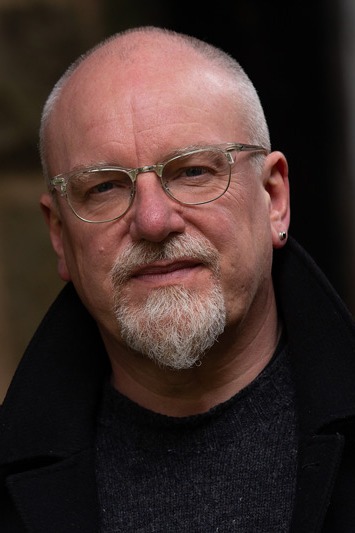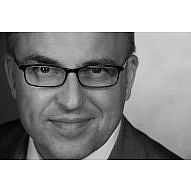
Prof. Dr. Magnus Gaul serves as Professor and Chair of Music Education and Music Didactics at the University of Regensburg within the Faculty of Philosophy, Arts, History and Social Sciences. He has held this position since 2013 following his appointment to the W3-Professorship, after previously serving as Professor for Music Didactics at the Hochschule für Musik und Theater Rostock from 2008-2013. His academic leadership extends to coordinating teacher education programs for primary, middle, and high schools, serving as ERASMUS coordinator for music education, and administering music aptitude tests for teaching positions. Gaul's educational trajectory features international breadth with studies completed at the University of Regensburg, Goethe-Universität Frankfurt/Main, and the Conservatory in Cremona, Italy. Key academic milestones include: 2001: Doctorate in Musicology at University of Regensburg with thesis "Music Theater in Regensburg in the first half of the 19th century" 2003-2006: Additional studies in Germanistics and Music Education at Goethe-Universität Frankfurt/Main 2007: Habilitation in Music Education at Goethe-Universität Frankfurt/Main with empirical study "Music Lessons from a Student's Perspective" 2009: Qualification as professor in music education His research program demonstrates remarkable thematic coherence while evolving toward increasingly applied educational contexts. Core research interests include music education methodology, language acquisition through music (notably the SPRING program - "SPRache lernen durch sINGen"), time perception processes in musical learning contexts, and inclusive educational approaches for diverse student populations. His methodological approach combines qualitative data collection techniques including interviews, classroom observations, group discussions, and video technology analysis. Recent publications reveal growing emphasis on digital learning environments and time management aspects in contemporary music education. Gaul has developed distinctive expertise in applying qualitative-hermeneutic and quantitative-analytical approaches to classroom research, particularly regarding student perspectives on music instruction. Analysis of Gaul's publication record reveals a clear scholarly trajectory from historical music theater research toward increasingly applied educational studies with practical classroom implications. His work consistently bridges theoretical foundations with practical teaching applications, with notable thematic clusters including music-mediated language acquisition (SPRING program), time perception in musical learning, inclusive education approaches, and interdisciplinary connections between music education and other academic domains. The publications demonstrate methodological diversity, combining qualitative hermeneutic approaches with quantitative analytical techniques, reflecting his commitment to comprehensive understanding of music education phenomena. Gaul has supervised numerous academic advisees across various teacher education programs and secured funding for multiple research initiatives including the SPRING language acquisition project and studies on time perception in musical learning. His collaborative work extends to partnerships with cultural institutions including the Norddeutsche Philharmonie Rostock and Volkstheater Rostock during his tenure in Rostock, and more recently with various schools in Regensburg focusing on inclusive education processes, migration contexts, and SPRING implementation. He has coordinated multiple continuing education programs for music teachers across German federal states including Bavaria, Hesse, and Mecklenburg-Western Pomerania. Active research teams under Gaul's direction include the SPRING research group examining music-mediated language acquisition, projects investigating time perception in musical learning contexts (notably his 2022 publication "Vom Umgang mit der Zeit bei Kindern"), and interdisciplinary collaborations exploring connections between music education and special educational needs. His international research network includes collaborations with institutions in England, France, Italy, Lebanon, Austria, Spain, and the Czech Republic through ERASMUS programs and international workshops. Current projects focus on digital time management in music education (2024 publication) and creating spatial opportunities for musical education (2021 publication).