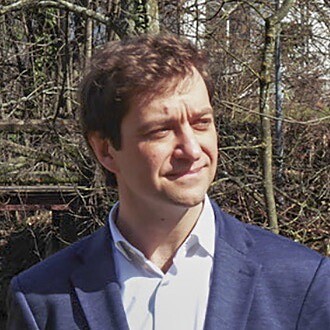
Lisandro Abadie is a Lecturer in historical performance practice for singing at the Schola Cantorum Basiliensis, where he has been employed since fall 2022. He also teaches in the Master of Advanced Studies (AVES) program and leads vocal coaching sessions. A bass-baritone performer, he collaborates with renowned ensembles like Les Arts Florissants and has worked with conductors such as William Christie and Václav Luks. His research focuses on linguistic foundations of singing, vocal pedagogy, and historical performance practices, including translations of key texts like Giulio Caccini’s writings. He is a recipient of the 2006 Edwin Fischer Memorial Prize. Education: Graduated from the Schola Cantorum Basiliensis and the Lucerne University of Music. Research & Awards: Ongoing book project on historical vibrato practices Translations and editions of early music treatises Recipient of the Edwin Fischer Memorial Prize (2006) Teaching & Masterclasses: Vocal coaching at Schola Cantorum Basiliensis Masterclasses in Thiré, Paris, Fontainebleau, Venice, and Urbino
Peter Edwards is Professor at the Department of Musicology, University of Oslo, where he has served as Head of Research (since 2022) and Head of Department (2017-2020). With affiliations in the Faculty of Humanities, he leads significant academic projects including the Democracy of Silence and holds leadership roles in the National Council of Music. His academic journey includes a PhD and MA from University of Oslo and a BMus from London College of Music. Edwards' research explores music philosophy, aesthetics, and analysis of twentieth/twenty-first century music. His work integrates interdisciplinary approaches to understanding musical expression, cultural contexts, and theoretical frameworks that shape contemporary musicology. His recent publications focus on music analysis and aesthetics, particularly exploring themes of mortality, cultural identity, and artistic innovation. Trends include interdisciplinary studies combining music theory with cultural anthropology and philosophy. Awards: Erasmus+ staff mobility stipend (2024) Edwards has supervised 16 graduate students (13 Master's and 3 PhD candidates) focusing on diverse musicological topics. His leadership includes the Oslo Death Network research group.
Vovka Ashkenazy is a distinguished classical pianist and lecturer, currently teaching at Kalaidos Musikhochschule (Zurich), the Conservatory of Italian Switzerland (CSI) in Lugano, the Accademia di Imola Foundation, and the Tiziano Rossetti Academy. He holds a Master of Arts from Belford University and advanced pedagogical certification from France. His academic roles are centered on classical piano performance and interpretation. Education: Master of Arts, Summa Cum Laude, Belford University (2008) Certificat d'Aptitude - Professor d'Enseignement Artistique, France (2002) GRNCM Upper Division, Royal Northern College of Music (BA, 1983) Vovka Ashkenazy's research and artistic interests focus on classical and romantic piano repertoire, with a special emphasis on Russian music, two-piano performance, and chamber music. His pedagogical philosophy emphasizes musical understanding before technical execution, advocating for clarity of sound and emotional expression. He has made significant contributions through performances and arrangements of works by Rachmaninoff, Borodin, Mussorgsky, and Scriabin. His recent artistic output, spanning from 2009 to 2014, reveals a strong focus on collaborative piano performance, particularly in two-piano and piano-and-winds genres. He frequently performs with his father, Vladimir Ashkenazy, and his brother, Dimitri Ashkenazy, exploring Russian romanticism, orchestral transcriptions, and chamber repertoire. His work bridges performance and education, with recordings on DECCA, Chandos, and Cryston labels reflecting both technical mastery and interpretive depth. Scientific and Artistic Awards: Honorary Artistic Adviser, Guangzhou Opera House (2010) Artistic Director, Rina Sala Gallo International Piano Competition, Monza, Italy (2014) Vovka Ashkenazy is actively engaged in mentoring through masterclasses across Asia, Europe, and the Americas. While no formal grant information is available, his leadership roles in international competitions and recordings indicate sustained artistic funding and institutional support. He has contributed to charitable causes such as Action for Children, Cystic Fibrosis Trust, and the Bridges Peace Foundation. He runs a private teaching studio in Pura, Switzerland, offering structured and intensive piano study programs. Laboratories and Performance Ensembles: Private Piano Studio at Casa Camelia, Pura, Switzerland Collaborative Duo with Vladimir Ashkenazy (father) Chamber Ensemble with Dimitri Ashkenazy (brother) Reykjavík Wind Quintet (long-term collaborator) Regular performer at international festivals (Marlboro, Edinburgh, Spoleto)
Esther González Martínez is Full Professor of Sociology at the University of Fribourg (Switzerland) in the Faculty of Letters and Human Sciences, Department of Social Sciences. She earned her PhD in sociology and social sciences from the University of Lausanne and EHESS (2003), followed by postdoctoral research at Boston University, Cornell University, University of Wisconsin-Madison, and UCLA. Her research specializes in institutional interactions using conversation analysis and ethnomethodology, with current focus areas including: Healthcare communication practices (nurse coordination, corridor interactions) Legal settings (interrogation techniques, judicial procedures) Workplace mobility and multimodal interaction Request formulation in institutional contexts She leads the Interaction and Social Practices Research Group (GRIPS) and directs FNS-funded projects on hospital communication dynamics. Her recent publications (2015-2025) predominantly analyze healthcare interactions, demonstrating consistent focus on conversation patterns in mobile workplace settings, particularly nurse-doctor coordination and institutional request sequences. Notable research projects include: Requesting in hospital nurses' unscheduled interprofessional interactions (FNS 2019-2024) Mobile and Contingent Work Interactions in Hospital Care (FNS 2011-2015) Interactional competences in institutional practices (IC-You project 2012-2015) She maintains active collaboration networks internationally, including partnerships with University of York.
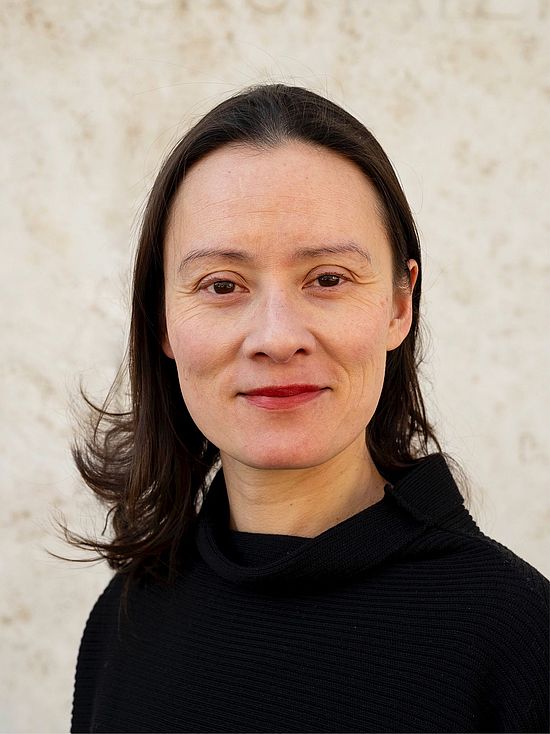
Anne-May Krüger is a Lecturer at the Department of Musicology within the Faculty of Humanities at the University of Basel, teaching at the Musicological Seminar located at Petersgraben 27, Basel. She also holds a lectureship at the University of Music (HSM) FHNW in Basel. Dr. Krüger studied singing and musicology at the Leipzig and Karlsruhe Music Conservatories, completing her doctorate in 2020 through a cooperation between the University of Basel and HSM. Her Swiss National Science Foundation-funded dissertation examined vocal performers of the 1950s and 60s, later published as Music about Voices (Wolke Verlag, 2022), which was featured as Book of the Month at opernwelt.de. Her research centers on contemporary music performance practice, particularly the intersection of musical practice and academic research. From 2011-2021, she supervised the research focus 'Performance Practice of Contemporary Music' at HSM FHNW, and since 2021 has directed the development of two new master's programs. As a performer, she specializes in contemporary music with appearances at MaerzMusik (Berlin), Wien Modern, Darmstadt Summer Course, Lucerne Festival, and major opera houses including Stuttgart State Opera and Theater Basel. Dr. Krüger has published in Dissonance, Neue Zeitschrift für Musik, PFAU, Wißner, BrepolsPublishers, and Laaber-Verlag. Her scholarly work reflects the Department of Musicology's century-long tradition of exploring music from historical through contemporary perspectives. She has been teaching at the University of Basel since fall 2020, contributing to both bachelor's and master's programs that emphasize the connection between theoretical knowledge and practical musical experience.
Bastian Hodapp is a Lecturer at the Lucerne University of Applied Sciences and Arts (Lucerne School of Music), affiliated with the Institute of Music Pedagogy and the Music Education Research Center (MER). He holds a PhD in Educational Sciences/Pedagogy (summa cum laude) and an M.Sc. in Psychology (with distinction), alongside advanced training in vocal pedagogy. His roles include teaching music education, conducting research on singing pedagogy and music psychology, and leading senior choir initiatives. Hodapp’s work bridges practice and theory, focusing on topics such as vocal health, psychological well-being of performers, and intergenerational music education. Education: PhD in Educational Sciences/Pedagogy (summa cum laude) M.Sc. Psychology (with distinction) M.A. Music Education Certified Rabine Method vocal pedagogy (CRT) Research Interests: Instrumental and vocal pedagogy Music psychology and emotion Adult and senior music education Practice methods and recovery strategies Research methodologies in music education His work explores how listening skills influence vocal training, psychological stress in professional singers, and the role of music in aging populations. He has led projects like 'Sound Bubbles' (inclusive instrumental education) and 'Music Learning Switzerland', a nationwide study on extracurricular music education. Recent publications analyze singing’s impact on burnout prevention, cultural participation through music, and meta-analyses of spirituality’s mental health effects. Hodapp actively participates in international conferences and serves on editorial boards for music pedagogy journals. Achievements & Roles: Senior Research Associate at MER Conductor of multiple choirs (e.g., Evangelischer Singkreis Iggelheim) Member of Swiss and German music education associations (SMPV, AMPF, DGM) External reviewer for educational quality initiatives (e.g., Hesse further education) Labs/Teams: Leads the CC Music Education Research group and collaborates with the Lucerne School of Music’s Institute for New Music, Composition, and Theory. His work integrates interdisciplinary approaches to music’s societal and psychological roles.
Judith Schmid is a Swiss mezzo-soprano and Professor of Vocal Performance at the Lucerne School of Music (since 2017). With over 20 years as a sought-after soloist at prestigious venues like the Zurich Opera House and Nuremberg State Theatre, she specializes in roles such as Suzuki (Madama Butterfly), Mescalina (Le Grand Macabre), and Wagnerian mezzo-soprano parts (Erda, Waltraute). Teaches vocal technique and stagecraft to next-generation musicians Key research interests: Classical voice, Lied interpretation, opera staging Her career bridges performance and education, with a focus on: Vocal pedagogy Historical performance practices Acting-integrated vocal training Academic Affiliations: Lucerne University of Applied Sciences and Arts (current) Hochschule der Künste Bern (alumni) Guildhall School of Music and Drama (alumni) Scientific Awards: Best CDs of 2008 by Schweizer Radio SRF 2 Kultur for 'Rosenblätter' (collaboration with Oliver Schnyder) Her performance history demonstrates deep engagement with: Operatic repertoire (Mozart, Verdi, Wagner, Ligeti) Concert works (Brahms, Mahler, Bach) Chamber music (Mahler, Ravel, Hefti)
Hubert Michael Saladin is a Lecturer for solo singing at the Zurich Music School and Conservatory (MKZ), and a main lecturer at the Kalaidos University of Applied Sciences . As a certified AFA® breath and body therapist , he combines vocal pedagogy with respiratory therapy in private practice in Zurich, Basel, and Bern. His work bridges classical singing , process-oriented voice training , and therapeutic applications of breath for physical and mental well-being. Education: Teaching diploma from Zurich University of Music (ZHdK), postgraduate training with Margreet Honig (Amsterdam) and Peter Elkus (New York) His research interests focus on the intersection of vocal individuation , breath physiology , and meditative singing practices , particularly through initiatives like the 'Silence and Voice' monthly meditation concerts at Grossmünster Cathedral. He leads singing circles in extended tonality and collaborates with Michaela Susanne Saladin in integrative respiratory therapy programs . His career spans over 30 years of solo concert activity, specializing in sacred music and Baroque opera , with a recent focus on vocal improvisation and neuroplasticity through breath in collaboration with scientific frameworks like Matrix-Rhythmus-Therapie .
Simone Durrer-Stock serves as a Professor of Classical Singing at the Lucerne University of Applied Sciences and Arts (HSLU), School of Music, affiliated with the Institute for Classical and Church Music since the fall semester of 2019/20. Prior to her academic appointment, she maintained an active performance career as an ensemble member at the Lucerne Theater, specializing in lyric soprano roles across German opera houses. Her educational foundation includes: Singing studies with Prof. Brigitte Dürrler at the Robert Schumann Academy of Music in Düsseldorf Lied interpretation training with Irwin Gage and Esther de Bros at the Zurich University of the Arts Master classes under Helmuth Rilling at the Stuttgart Bach Academy, alongside mentorship from Dietrich Fischer-Dieskau, Klesie Kelly-Moog, Ingrid Figur, and Brigitte Fassbaender Professor Durrer-Stock's artistic expertise spans opera, sacred music, and art song repertoire, with extensive concert experience at major venues including Festspielhaus Baden-Baden, Liederhalle Stuttgart, Tonhalle Zurich, and KKL Lucerne. Her performance philosophy emphasizes textual nuance in lieder and dramatic authenticity in oratorio works, reflecting deep engagement with Baroque through contemporary vocal literature. No specific student advising details or grant activities are documented in the source material, though her professorial role inherently involves pedagogical mentorship in vocal technique and performance practice.
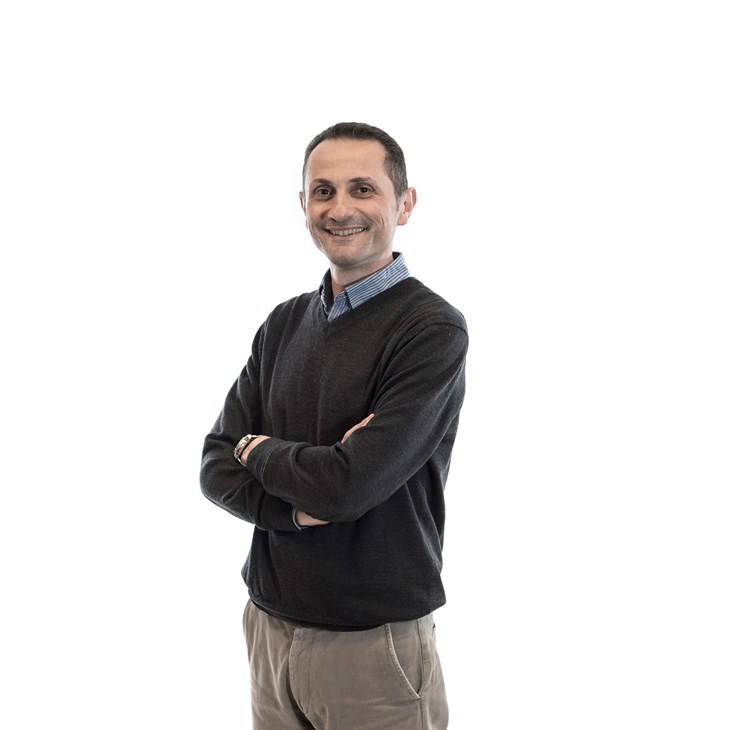
Massimo Zicari, Associate Professor of Research in Music Pedagogy at Conservatorio della Svizzera italiana (Lugano), serves as Deputy Head of Research and teaches Music History since 2005. His work bridges Italian opera reception , historically informed performance practices , and music pedagogy , with a focus on 19th-20th Century opera reception in London Bel canto vocal techniques via discographic analysis Acoustic studies of brass instruments Innovative music education frameworks His funded projects include research on Expressive tempo in early recordings (2015-2018) Trumpet mouthpiece acoustics (2011, SNSF) Peer learning between composers and performers (2018) Pandemic resilience in Swiss music institutions (2021) . Collaborations span institutions like the University of London, Royal College of Music, and Università della Svizzera Italiana. Publications highlight his expertise in Verdi’s London reception , bel canto analysis , and applied music research , with over 15 articles since 2002. He actively contributes to empirical studies in musicology and pedagogy.
Helen Jennifer Gebhart is a PhD candidate and research assistant at the University of Basel's Department of Arts, Media, and Philosophy, specifically within the Musicology department under Prof. Hanna Walsdorf's chair. She conducts research as part of the SNSF-funded project The Night Side of Music. Towards a New Historiography of Musicking in Europe, 1500–1800 , examining musical practices during nighttime in early modern Europe. Her educational background includes a master's degree in Musicology and Anglophone Literature from the University of Basel and studies at the University of Vienna. Before pursuing her doctorate, she gained substantial professional experience in the music field through various positions including managing director for the Swiss Musicological Society, journal manager for the Swiss Journal of Musicology, and roles at the Paul Sacher Foundation and Gstaad Menuhin Festival. Helen's research focuses on nocturnal music of the early modern era , music during and between the world wars , and music criticism . Her scholarly work connects historical music practices with contemporary social issues, particularly regarding discrimination in classical music performance and reception. Her master's thesis examined Viktor Ullmann's engagement with Nazi Germany's condemnation of 'degenerate music,' demonstrating her interest in music under political oppression. As a practicing musician, Helen is a member of the vocal ensemble Les Voix Basel and plays the violin. She contributes to the broader music community through her work as a music critic for publications including bz Basel , Schweizer Musikzeitung , Mizmorim Chamber Music Festival , and Kammerorchester Basel . Her recent publication Eine Zauberflöte ohne Diskriminierung addresses representation issues in classical music performance.
Hans-Jürg Rickenbacher is a Professor at the Lucerne School of Music (HSLU), leading professional classes in solo singing since 2010. He holds roles as Programme Coordinator for the Bachelor of Arts in Music (Classic Vocal Specialisation) and Study Coordinator for the MA Programme in Performance and Pre-College Classical Music. His career includes extensive international opera and concert performances across Europe, the Americas, and the Middle East. Education: Voice, Guitar, and Music Teaching from Musik-Akademie Basel Key Experience: Swiss Opera Studio, jungle school project in Ecuador's Amazon basin Research focuses on acoustic solutions for music rehearsal spaces and vocal pedagogy innovation. He co-authored Vox Humana journal articles and pioneered vocal e-learning methods demonstrated at the 2017 ICVT conference in Stockholm. Leadership roles include President of EVTA.CH (European Voice Teachers Association Switzerland) and founder of Eurovox 2026. He also leads HSLU's StageLab and served on the Mitwirkungskommission and Wirtschaft FH Schweiz advisory board.
Edward Rushton is a Lecturer in Lied Accompaniment at the Institute of Classical and Church Music, Hochschule Luzern (Lucerne School of Music). He holds a distinguished career spanning performance, composition, and pedagogy. His primary affiliations include roles as piano accompanist and chamber musician across Europe, collaborating with renowned artists such as Juliane Banse, Simon Wallfisch, and Valentin Johannes Gloor. Education: Bachelor's studies: Chetham's School of Music (Manchester) University of Cambridge Royal Scottish Academy of Music and Drama Advanced studies under Irwin Gage at Zurich Artistic Work: Rushton specializes in art-song interpretation, particularly Swiss Romantic repertoire (e.g., Walter Courvoisier) and British composers like Geoffrey Bush. His recordings for Guild Music and MGB CDs include landmark albums such as MGB CD 6262 and 6280. As a composer, his operas—often librettos by Dagny Gioulami—have been performed in prestigious venues across Europe and the US. Ensembles: Regular collaborations with the Harry White Trio (saxophone/cello/piano) and multiple European chamber groups.
Gabriele Bucchi is a Lecturer and Researcher at the Italian Section of the Faculty of Arts, University of Lausanne (UNIL), a position he has held since 2012. He has been affiliated with UNIL since 2002, initially serving as an assistant and assistant professor. His educational background includes a Bachelor of Arts from the Cattolica University of Milan (2000). He was awarded a scholarship from the Swiss National Science Foundation (SNSF) in 2007 for research at the University of Pisa. His research centers on Italian literature of the early modern period (16th–18th centuries), with a focus on literary translation, chivalric and epic poetry, and the relationship between poetry and music, particularly metrics and opera librettos. He actively collaborates with French-speaking and Italian musical institutions, bridging literary scholarship with musical performance. While no recent publications are listed in the provided text, his scholarly work demonstrates a strong interdisciplinary orientation, combining philology, literary history, and musicology. Collegium Romanicum Prize – awarded for his thesis on the 16th-century translation of Ovid's 'Metamorphoses' in Italy. Bucchi has supervised no named students in the available data. He has participated in academic and cultural collaborations, especially with musical organizations, though specific grants or funding projects are not detailed. His career reflects a sustained engagement with textual scholarship and cultural transfer in early modern Europe. He is affiliated with the Italian Section within the Faculty of Arts at UNIL, contributing to both teaching and research in Italian studies. No laboratory or formal research team is mentioned in the source material.
Aline Du Pasquier is a Swiss-French singer and vocal pedagogue who serves as a Lecturer for Classical Singing Major and Classical Piano Minor at the Kalaidos University of Applied Sciences since 2015. She also teaches piano and solo singing at the Arlesheim Music School since 1998 and conducts 'Body and Sound' courses as part of the Talent Promotion Baselland program. Her educational background includes: 1989: Teaching diploma MH Basel with Jürg Wyttenbach and 1 year concert diploma with Lazlo Gyimesi 1995: Teaching diploma solo singing in Fribourg with Tiny Westendorp 1998: Scola Cantorum Basiliensis, opera class and lessons with Evelyn Tubb Master classes with renowned artists including Jordi Savall, Montserrat Figueras, Burga Schwarzbach, Laura Sarti, and Hugues Cuénod 2012-2021: Training Cantienica®-Body in Evolution Platinum Level Du Pasquier specializes in classical singing and piano with expertise in the Cantienica® method for vocal development. Her research interests focus on the intersection of vocal technique, body mechanics, and musical expression, particularly in early music and classical repertoire. She has developed specialized approaches connecting body awareness with sound production through her 'Body and Sound' courses. An active performer, Du Pasquier regularly appears as a soloist across Europe with ensembles including the Basler Kammersolisten, Ensemble Cantatio Geneva, Ensemble Baroque du Léman, Freitagsakademie, Capriccio Basel, Camerata Basel, A Musicall Banquet, Symphonieorchester Trirhenum, and Musique Simili. Her professional development includes: Since 2014: Conducting workshops for Cantienica® and singing Since 2015: Lecturing at Kalaidos University of Applied Sciences Ongoing: Performing career across European festivals and concert venues