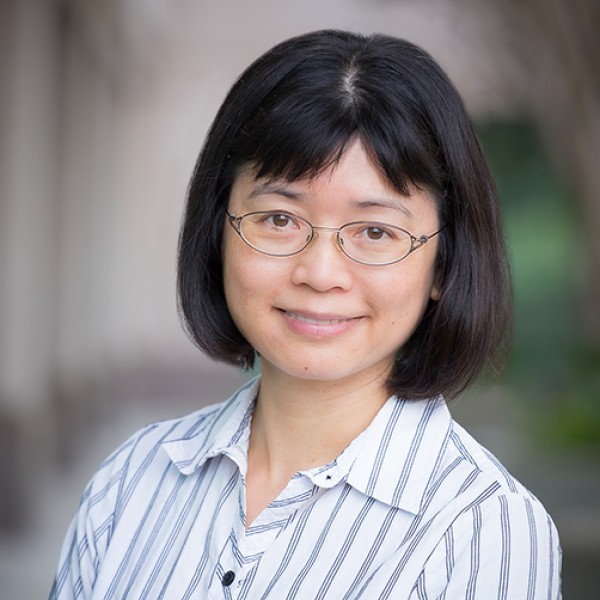
Jinhong Meng is a Senior Research Fellow at the Department of Genetics & Genomic Medicine, University College London (UCL), focusing on neuromuscular disorders and gene therapy. He earned his PhD and Bachelor’s degrees from the Fourth Military Medical University. Education: Doctor of Philosophy, Fourth Military Medical University (2000) Bachelor, Fourth Military Medical University (1995) Research Interests: Jinhong Meng’s work centers on Duchenne Muscular Dystrophy (DMD), Spinal Muscular Atrophy (SMA), and gene therapy techniques including CRISPR, lentiviral vectors, and antisense oligonucleotides. His studies explore immune responses to dystrophin, vascular defects in SMA, and dystrophin correction via viral and non-viral delivery systems. Publication Trends: Over the past eight years, Jinhong Meng has published extensively on DMD and SMA, with a focus on gene editing, dystrophin restoration, and cellular therapies. His collaborative work spans lentiviral vectors, foamy virus transduction, and necroptosis mechanisms in muscle degeneration. Labs & Collaborations: He works within UCL’s Genetics & Genomic Medicine Department, collaborating on projects involving dystrophic muscle engraftment, circadian signaling, and RNA editing for genetic mutations.
Professor Reinhold J. Medina serves as Chair Professor of Vision and Vascular Science and Head of the Department of Eye and Vision Science at the University of Liverpool's Institute of Life Course and Medical Sciences, leading research in vascular biology with emphasis on vascular ageing, diabetes complications, and regenerative mechanisms. Educational milestones include an MD from San Agustin University-Arequipa (2000) and a PhD in Stem Cell Biology from Okayama University Medical School (2006), followed by clinical training in Peru and postdoctoral work in Japan before joining Queen's University Belfast. His research program integrates cell and molecular biology to investigate endothelial progenitor cell function in diabetic retinopathy, vascular repair mechanisms, and ageing-related pathologies, with international recognition for advancing understanding of vascular dysfunction in ocular diseases. Current work focuses on metabolic regulation in endothelial cells and senescence pathways in age-related macular degeneration. Recent publications demonstrate strong interdisciplinary convergence across ophthalmology, vascular biology, and gerontology, with recurring themes in metabolic dysregulation (glycolysis), oxidative stress (NOX4), cellular senescence, and translational applications for diabetic complications and retinal diseases. Key scientific awards include: Juvenile Diabetes Research Foundation International Postdoctoral Fellowship (2008) Fight for Sight Postdoctoral Fellowship (2010) Active research grants drive innovation in dry AMD treatment through choriocapillaris senescence targeting (Macular Disease Society), RNA sensing in endothelial ageing (Leverhulme Trust), and stem cell-microengineering approaches for perfused organoids (BBSRC), reflecting strategic collaborations across vascular science, engineering, and clinical ophthalmology. He directs a multidisciplinary research team advancing vascular repair strategies through stem cell biology and molecular pathway analysis, with particular focus on translating basic discoveries into therapeutic interventions for diabetic vascular complications and age-related eye diseases.
Jamie Spangler, PhD, is an Associate Professor at Johns Hopkins University, holding joint appointments in Biomedical Engineering, Chemical & Biomolecular Engineering, Oncology, Ophthalmology, and Molecular Microbiology & Immunology. She leads the Spangler Lab, focused on engineering proteins to advance therapies for cancer, autoimmune disorders, and infectious diseases. Her work integrates structural biophysics, biomolecular engineering, and translational immunology to develop innovative protein-based treatments. Education : PhD in Biological Engineering, MIT (2011) BS in Biomedical Engineering, Johns Hopkins University (2006) Research Interests : Her lab engineers antibodies and cytokines to manipulate immune responses. Key areas include: Designing IL-2/IL-15 mimetics for T cell modulation Bispecific antibodies targeting VEGF pathways for ocular diseases Orally bioavailable Th17 antagonists Protein degradation platforms using endocytosis-inducing proteins Nanoparticle delivery systems for regulatory T cell expansion Awards : William R. Brody Faculty Scholar Award (Johns Hopkins) Melanoma Research Alliance Pilot Award (2024) Early Career Contributions Recognition (2025) Advancing Therapeutics : Dr. Spangler's lab collaborates with industry and clinical partners to translate engineered proteins into therapies. Recent work includes: CD25-biased IL-2 immunocytokines for cancer immunotherapy Anti-AML CAR-NK cell affinity optimization VEGF-A/C bispecific decoys for neovascular eye diseases Labs & Affiliations : Affiliated with the Translational Tissue Engineering Center and multiple interdisciplinary initiatives at Johns Hopkins. Her lab emphasizes cross-disciplinary approaches bridging engineering, immunology, and clinical medicine.
Ting Du, M.D., Ph.D., is an Assistant Professor in the Department of Neurology at the University of Rochester Medical Center's School of Medicine and Dentistry. She leads the Du Lab, focusing on brain fluid homeostasis and its role in neurological diseases. Faculty: Assistant Professor, Department of Neurology Institution: University of Rochester Medical Center Lab: Du Lab Collaborations: Nedergaard Lab, Center for Translational Neuromedicine Research Interests: The Du Lab investigates cerebrospinal fluid (CSF) dynamics, glymphatic system function, and cervical lymphatic vessels in Alzheimer's disease, hydrocephalus, and traumatic brain injury. Key projects include: Restoring cervical lymphatic function to improve CSF drainage in aging Characterizing the subarachnoid lymphatic-like membrane (SLYM) in trauma Probing choroid plexus regulation in hydrocephalus Publication Trends: Recent work spans Neuroscience , Neurodegeneration , and Biophysics , with emphasis on: Glymphatic dysfunction in Alzheimer's Arterial pulsation-driven CSF flow Aquaporin-4's role in interstitial fluid Machine learning-based flow quantification Lab Affiliations: The Du Lab is part of the Neuroscience Ph.D. Program and Pathology - Cell Biology of Disease program, collaborating with experts in neuroimaging , fluid dynamics , and neurotherapeutics .
Professor Helen Byrne is a Professor of Applied Mathematics at the University of Oxford’s Mathematical Institute and a Tutorial Fellow at Keble College. She specializes in mathematical modeling of biomedical systems, with a focus on tumor growth, wound healing, and tissue engineering. Her research bridges applied mathematics, statistics, and data science to address fundamental biomedical questions. She has held roles including Associate Head of Department (Planning & Equality), Senior Mathematics Tutor at Keble College, and Director of Equality and Diversity in the Mathematical, Physical and Life Sciences Division. Her work has been recognized through prestigious awards such as the 2021 Australian Laureate Fellowship and the 2019 Leah Edelstein-Keshet Prize. Her publications emphasize interdisciplinary applications of mathematical biology, including tumor-immune interactions, vascular dynamics, and epigenetic landscapes. Key contributions include modeling tumor-induced angiogenesis, liver assembloids, and atherosclerotic plaques. Current projects aim to develop novel mathematical frameworks for interpreting complex biomedical data. Research Grants: $3,021,288 ARC Australian Laureate Fellowship (2021) for 'New Approaches to Understand How Form and Function Shape Complex Systems.' Awards: 2021 Australian Laureate Fellowship (ARC) 2019 Leah Edelstein-Keshet Prize (Senior Award) 2020 Fellow of the Society for Mathematical Biology Labs/Teams: Part of the Mathematical Biology research group at Oxford, contributing to collaborative projects in tumor modeling and biomedical systems.
Travis W. Hein, PhD, is a Professor in the Department of Medical Physiology at Texas A&M University's School of Medicine. His research focuses on microvascular dysfunction in diabetes, particularly in retinal and coronary microvessels, and its implications for vision loss and heart failure. He also investigates spaceflight-associated neuro-ocular syndrome (SANS) mechanisms in astronauts. Hein holds significant teaching awards, including the 2023 R. Kelly Hester Distinguished Teaching Award and membership in the Academy of Distinguished Medical Educators. Education: BA in Biology from St. Olaf College (1992), PhD in Medical Physiology from Texas A&M Health Science Center (1997). Research interests emphasize molecular mechanisms of vasomotor regulation, diabetes-induced vascular damage, and space health challenges. His work identifies therapeutic targets for microvascular diseases and explores ocular blood flow dynamics in space environments. Key publications highlight breakthroughs in retinal degeneration therapies (e.g., stanniocalcin-1), diabetic microvascular complications, and cardiovascular dysfunction mechanisms. His articles span 20+ years, demonstrating sustained contributions to vascular biology and translational medicine. Scientific awards: 2023 R. Kelly Hester Distinguished Teaching Award 2021 Elected to Academy of Distinguished Medical Educators 2017 Texas A&M Distinguished Teaching Award Grants and mentoring: Extensive NIH-funded research programs and training of graduate students/postdocs in cardiovascular and ocular physiology. Collaborates on space health initiatives through NASA partnerships. Labs/Teams: Directs Texas A&M's Microvascular Physiology Lab, focusing on translational research in diabetes and space health. Active in multidisciplinary teams addressing ocular vascular dysfunction and cardiac microcirculation.
Barry Doyle is an Adjunct Associate Professor in the School of Engineering at the University of Western Australia and the Lab Head of the Vascular Engineering Laboratory (VascLab) at the Harry Perkins Institute of Medical Research. He holds a BEng and PhD in Biomedical Engineering from the University of Limerick. His research focuses on cardiovascular health and disease, leveraging cutting-edge engineering techniques, including 3D bioprinting, biomaterials, and computational fluid dynamics. He has secured over $11 million in research funding and co-developed the Biomedical Engineering program at UWA. Notable awards include the Western Australian Innovator of the Year (2021) and three Mimics Innovation Awards (2009, 2017, 2018). Education: BEng (2005), PhD (2009), both in Biomedical Engineering, University of Limerick. Affiliations: Honorary Fellow at the British Heart Foundation Centre, University of Edinburgh; CTO at FloMatrix. His research interests span cardiovascular biomechanics, soft tissue modeling, and medical device development. He has authored over 140 publications and edited several textbooks, including Cardiovascular Biomechanics (Springer, 2017). His work addresses diseases like aortic aneurysms, coronary artery disease, and placental vascular dysfunction. His lab, VascLab, focuses on translating engineering innovations into clinical applications, such as novel heart valves and vascular implants. He has led projects funded by NHMRC, ARC, and industry partners. Awards: Western Australian Innovator of the Year 2021 UHU Seed Funding Grant 2019 Three Mimics Innovation Awards Grants & Funding: Over $11M as lead/co-lead in projects like the ARC Training Centre for Personalised Therapeutics Technologies. Doyle is an active editor for journals such as Medical Engineering & Physics and European Journal of Vascular and Endovascular Surgery , and a reviewer for national/international funding bodies.
Prof. Konstantin Kotliar is a Professor at Aachen University of Applied Sciences, specializing in Biomedical Engineering and Medical Statistics. He teaches courses in Mathematics, Advanced Medical Statistics, and Space Physiology. His research focuses on retinal vessel analysis to study microvascular dysfunction in diseases such as Fabry disease, diabetes, and Alzheimer’s. Kotliar’s work bridges ophthalmology, neuroscience, and cardiovascular science, with a particular interest in developing non-invasive diagnostic tools for early disease detection. His studies often involve collaborations with global health initiatives and clinical trials, such as the EndoAfrica-NWU Study. He has contributed to understanding neurovascular coupling mechanisms and their implications for neurological disorders. Research interests include retinal vessel dynamics, cardiovascular risk stratification, and the application of statistical methods in medical diagnostics. Kotliar’s methodologies span from biomechanical modeling to machine learning-driven image analysis, emphasizing translational research with clinical relevance. His work has implications for improving therapies and preventive measures in chronic diseases.
Sanjoy K. Bhattacharya is a tenured Professor of Ophthalmology at the Bascom Palmer Eye Institute, University of Miami, with secondary appointments in Biochemistry and Molecular Biology and Neuroscience. His research focuses on intraocular pressure homeostasis, optic nerve regeneration, and neurodegenerative diseases. He leads the Miami Integrative Metabolomics Research Center and serves as the graduate program director for translational programs. Dr. Bhattacharya holds a PhD from IIT-Delhi and postdoctoral training at McGill University and Cleveland Clinic. Education: PhD in Bioengineering, Indian Institute of Technology-Delhi (1997) Master's in Biotechnology and Bioengineering, Banaras Hindu University (1992, 1990) Postdoctoral Fellowships: Pharmacology (McGill University), Structural Biology (Cleveland Clinic) Research Interests: Combines multi-omics approaches with advanced mass spectrometry and NMR to study ocular neurodegenerative diseases, lipid signaling, and optic nerve regeneration. Key areas include glaucoma mechanisms, axon remyelination, and translational therapies. Awards: ARVO Silver Fellow Chancellor’s Distinguished Award (LSU) ISER Mentor of the Month Japan Predoctoral Fellowship Teaching: Integrates experimental methods with didactic teaching, emphasizing biochemistry fundamentals and entrepreneurship. Uses creative pedagogical tools like seed germination statistics and turmeric growth experiments to teach scientific principles. Labs/Teams: Director of Miami Integrative Metabolomics Research Center, leading multidisciplinary teams in lipidomics and systems biology. Active in translational research partnerships with industry.
Fatih Albayrak is an Assistant Professor at Gaziantep University Faculty of Medicine, Department of Internal Medicine, specializing in Rheumatology. He earned his medical degree from Marmara University Faculty of Medicine (English Program) between 2000-2007, completed his Internal Medicine specialization at Fırat University Faculty of Medicine (2010-2014), and further specialized in Rheumatology at Kahramanmaraş Sütçü İmam University (2018-2021). His research primarily focuses on Rheumatology within Internal Medicine, with particular expertise in inflammatory arthritis, autoimmune diseases, and connective tissue disorders. Dr. Albayrak's work examines the clinical manifestations, diagnostic challenges, and treatment approaches for conditions including rheumatoid arthritis, spondyloarthritis, Behçet's disease, systemic sclerosis, and osteomalacia. Analysis of his recent publications reveals a strong emphasis on biologic therapies and their safety profiles, particularly regarding secukinumab use in patients with malignancy history and inflammatory bowel disease risk. He also investigates ocular manifestations in rheumatoid arthritis, paraneoplastic arthritis, and the relationship between body mass index and disease markers in systemic sclerosis. Active researcher with 22 peer-reviewed articles in international journals Author of 11 book chapters on rheumatological topics Presented 50 conference papers at national and international meetings Board Member of Academic Rheumatology Association (since 2023) Member of Turkish Rheumatology Research and Education Association (since 2021) Dr. Albayrak has participated in numerous educational activities including ultrasound courses, capillaroscopy training, and various rheumatology symposia. His clinical work bridges internal medicine and rheumatology, with a particular focus on complex diagnostic cases and the intersection of rheumatic diseases with other medical specialties including oncology, ophthalmology, and gastroenterology.
Sevim Ayça Seyyar is an Assistant Professor at the Department of Ophthalmology, Faculty of Medicine, Gaziantep University . She specializes in vitreoretinal surgery, choroidal imaging, and diabetic eye complications. Education: Medical specialization, Gaziantep University (2014-2018); Medical degree, Kocaeli University (2007-2013) Research Interests: Diabetic retinopathy, macular hole surgery, OCT angiography, familial mediterranean fever ocular effects, and retinal vascular density assessment Her recent publications focus on vitamin D implications in meibomian gland dysfunction, choroidal vascularity in autoimmune disorders, and novel intraocular surgical techniques . She has pioneered methods reducing postoperative positioning requirements. Scientific Contributions : Co-authored book chapter: Current Approaches to Vitreoretinal Interface Diseases (2024) Published 46 national/international articles, including in Graefe's Archive and Retina journals Participated in 22 international/national research initiatives, including the RBS-AMD-III study She has taught 51 undergraduate courses at Gaziantep University, including systemic diseases and ocular manifestations , pediatric ophthalmology , and uveitis , while advising multiple postgraduate theses.
Dr. Ira Kurtz is a Professor of Medicine at the University of California, Los Angeles (UCLA), and Chief of Nephrology. He is also a Member of the Brain Research Institute. His research focuses on renal physiology, acid-base homeostasis, and molecular transport mechanisms, particularly within the SLC4 transporter family. His work spans structural biology, molecular dynamics, and clinical nephrology. His scientific contributions include structural characterization of SLC4 transporters using cryo-EM and molecular dynamics simulations, revealing key insights into ion translocation pathways and conformational dynamics. He has extensively studied the molecular basis of proximal renal tubular acidosis and electrolyte disorders, with particular emphasis on NBCe1 transporter function and regulation. Dr. Kurtz's publications demonstrate expertise in renal acid-base physiology, membrane transporter characterization, and clinical applications. His work connects fundamental molecular mechanisms with human diseases, including corneal endothelial dystrophies, thrombotic microangiopathy from anti-VEGF treatments, and genetic disorders affecting ion transport. His research methodology integrates computational biology, structural biology, and translational medicine approaches. He has developed novel quantitative models for acid-base analysis and electrolyte disorders, challenging established paradigms like the Stewart approach through critical evaluation of bicarbonate-centered models.
Jesse B. Schallek is Associate Professor of Ophthalmology at the University of Rochester's Flaum Eye Institute, with joint appointments in the Department of Neuroscience and as a member of the Center for Visual Science. He also serves as Director of the Advanced Retinal Imaging Alliance (ARIA). His research focuses on developing and applying adaptive optics imaging technology to study blood flow and immune cell dynamics in the living retina. Bachelor's in Bioengineering from Syracuse University (2003) PhD in Neuroscience from SUNY Upstate Medical University (2010) Postdoctoral training in Adaptive Optics Imaging with David Williams at University of Rochester (2010-2015) Dr. Schallek's research centers on the neural-vascular system in the retina, which is critical for understanding the leading causes of blindness in the developed world. His lab develops specialized cameras called Adaptive Optics Scanning Light Ophthalmoscopes (AOSLO) that correct for imperfections in the eye's optics, enabling imaging of capillaries ten times thinner than a human hair. This technology allows for visualization of single blood cells flowing through retinal vessels, providing insights into blood flow dysfunction in retinal diseases. His work spans multiple projects including Blood Cell Imaging, Blood Flow analysis, Immune Cell Imaging, Laser Lesion Models, and Retinal Vascular Structure studies. Analysis of Dr. Schallek's recent publications reveals a strong focus on adaptive optics technology development and its application to retinal imaging. His work increasingly examines immune cell dynamics in the retina, particularly microglial and neutrophil responses to injury and disease. There's a clear progression from technical development to biological application, with recent studies utilizing primate models and exploring connections between retinal health and systemic conditions. His research bridges engineering, neuroscience, and clinical ophthalmology. Career Advancement Award (2022-2024) David Mahoney Neuroimaging Award (2017-2019) Research to Prevent Blindness Career Development Award (2016-2020) Ruth Kirschstein National Research Service Award (2013-2015) Edmund Optics Higher Education Grant Program Finalist (2013) Dr. Schallek mentors multiple graduate students and postdoctoral researchers, with several of his trainees receiving recognition for their work. His research is supported by five national competitive research grants, including an R01 award to study immune cell behaviors in the living eye. The Schallek Lab collaborates extensively across departments including Biomedical Engineering, Microbiology and Immunology, and with external institutions like Genentech and UCL. Current projects focus on blood cell imaging, immune cell dynamics, and developing 3D quantitative phase imaging techniques for single retinal cells. The Schallek Lab is part of the Advanced Retinal Imaging Alliance (ARIA), which brings together researchers from the Flaum Eye Institute, Center for Visual Science, and The Institute of Optics. The lab maintains active collaborations with researchers including Krishnan Padmanabhan (Neuroscience), Cristina Canavesi (LighTopTech), Justin Elstrott (Genentech), and Colin Chu (UCL and Moorfields Eye Hospital). They utilize state-of-the-art imaging facilities and have developed multiple patented adaptive optics technologies.
Weilan Ye is a Principal Fellow in Molecular Oncology and Research Biology at Genentech, Inc., where she has worked for 30 years since 1995. Her research focuses on vascular biology and its role in diseases such as age-related macular degeneration, diabetic retinopathy, hereditary vascular disorders, and cancer. Ph.D. in Molecular, Cellular, Developmental Biology from the University of Pittsburgh (1995) B.S. in Biophysics from the University of Science and Technology of China (1988) Her work investigates how vascular alterations contribute to pathological conditions, particularly by manipulating molecular mechanisms that control vascular permeability and barrier function. She aims to develop therapies that modulate leukocyte trafficking and drug distribution in diseased tissues. Recent publications highlight her work on: Targeting MAP4K4 to enhance CD8 T cell immunity in tumors and viral infections Using EGFL7 antibodies to improve anti-VEGF efficacy and endothelial cell death in tumors Studying integrin α5β1 and LRP5 for anti-angiogenesis therapy in cancers and retinopathy Exploring Rap1-Rasip1 signaling in vascular junction stability and remodeling Weilan Ye also emphasizes postdoctoral mentorship as a critical component of her work at Genentech, fostering a collaborative environment that integrates dynamic thinking and innovative research.
Aaron Nagiel, MD, PhD is an Assistant Professor of Ophthalmology at the Keck School of Medicine, University of Southern California . He leads the Nagiel Laboratory at Children’s Hospital Los Angeles , focusing on retinal development and disease mechanisms using human stem cell-derived retinal organoids. His work integrates live imaging, electrophysiology, and gene editing to study synaptogenesis and evaluate therapies like gene augmentation and small-molecule Hippo inhibition. Academic Affiliation : USC Department of Ophthalmology Lab : Nagiel Laboratory at Children's Hospital LA Research Collaborations : David Cobrinik, Thomas Lee, Jennifer Aparicio, Ksenia Gnedeva Research Themes : Human retinal synaptogenesis Gene therapy for inherited retinal diseases Hippo pathway inhibition for retinal regeneration Pediatric ocular disease mechanisms Retinal organoid modeling Scientific Awards : RPB Career Development Award (2021-2023) Baxter Foundation Fellowship (2019-2020) Allergan FIRST Fellowship (2016-2019) Michels Foundation Fellowship (2016-2017) Heed Foundation Fellowship (2015-2016) Jules Stein Pepose-Saltzman Award (2014-2015) Publications demonstrate expertise in: Retinal disease genetics (RPE65, MPDZ, ALMS1) Gene editing applications Retinal imaging biomarkers Pediatric gene therapy delivery Retinal degeneration mechanisms