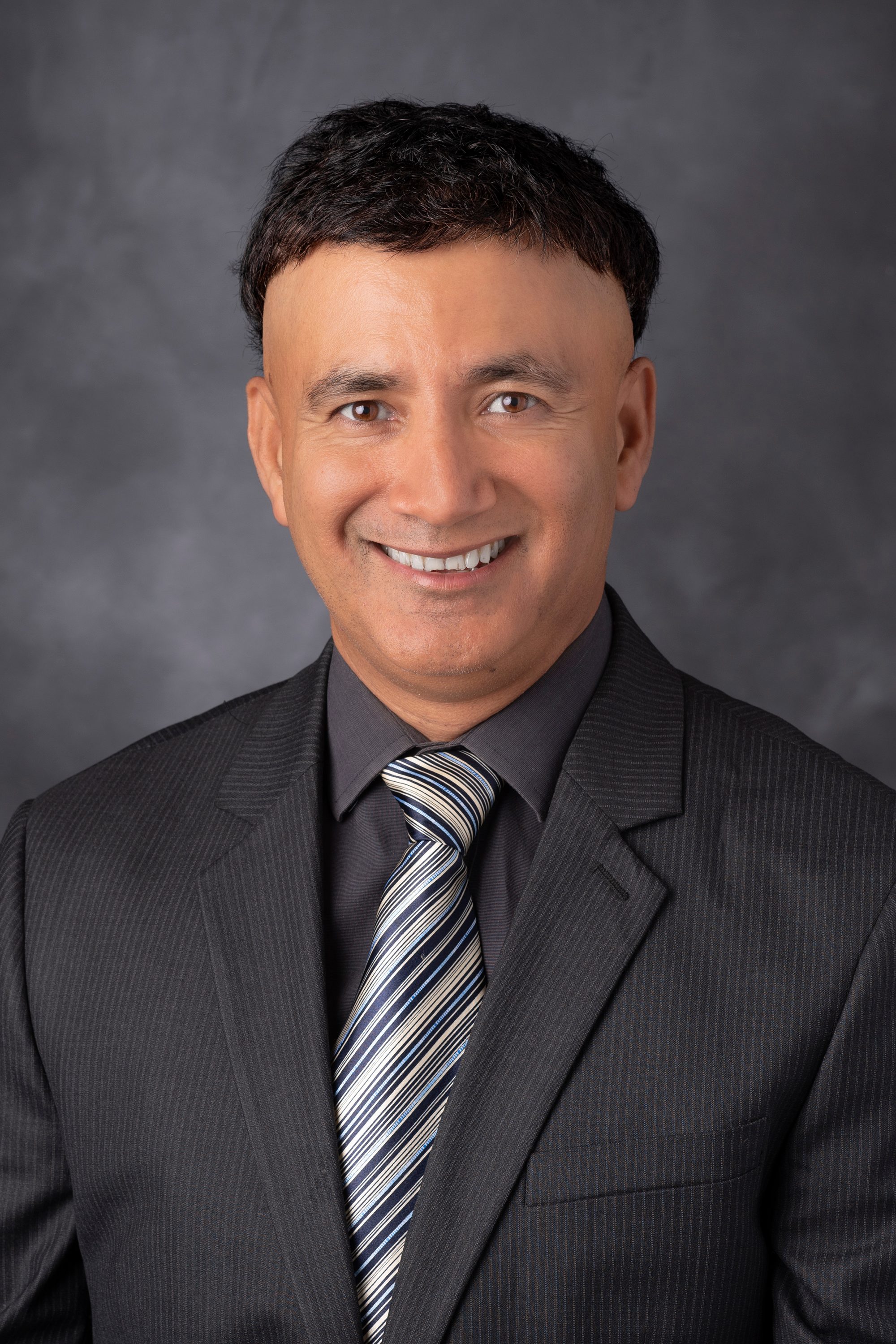
Prof. Waldemar Kolanus leads the Molecular Immunology and Cell Biology department at the University of Bonn's Life & Medical Sciences Institute (LIMES) . His research bridges immunoregulation , stem cell dynamics , and metabolic stress responses in immune cells. Unit 2 member at LIMES Principal investigator in SFB 704 and ImmunoSensation Cluster Leads a multidisciplinary lab with postdocs, PhD students, and technical staff His work focuses on intracellular signaling pathways connecting immune activation to tissue homeostasis, particularly through: Cytohesin proteins in integrin-mediated adhesion and migration TRIM71 in stem cell regulation and congenital hydrocephalus High-salt environments affecting macrophage function Publication trends show expertise in immune cell migration , genetic models , and chemical inhibition , with frequent use of mice and zebrafish for in vivo studies. Key articles explore: TRIM71's dual role in auditory development and germ cell maintenance Cytohesin family's Golgi regulation and insulin signaling Ruxolitinib's off-target migration inhibition of dendritic cells Contact details: Address: LIMES Institute, Carl-Troll-Straße 31, Bonn Email: kolanus.sekretariat@uni-bonn.de Phone: +49 228 73-62788
Pim de Vink is a doctoral researcher at Eindhoven University of Technology , affiliated with the Biomedical Engineering department and Chemical Biology group. Supervised by dr. L.-G. Milroy and prof. L. Brunsveld , his work bridges supramolecular chemistry and chemical biology , focusing on host/guest chemistry for protein complex modulation. Education: B.Sc. in Chemistry (2014) from University of Amsterdam M.Sc. in Biomedical Engineering (2016) from TU/e Internship at Max Planck Institute for Molecular Physiology (2016) on gold-catalyzed synthesis Research Themes: His research develops switchable cucurbituril-based systems for light-controlled enzyme activation and artificial signaling networks. Key areas include protein-protein interaction stabilization , thermodynamic modeling , and allosteric nuclear receptor modulation . Publication Trends: Across JACS , Chemical Science , and RSC Chemical Biology , his work from 2017–2023 emphasizes supramolecular tools for biochemical applications. Notable contributions include 100-fold affinity enhancement of 14-3-3 ligands and UV-responsive cucurbituril release mechanisms . Grants: Funded by Netherlands Organization for Scientific Research (NWO) through Gravity program 024.001.035 and VICI grant 016.150.366.
Laura Solt, Ph.D. is an Associate Professor in the Department of Immunology and Microbiology at the Herbert Wertheim UF Scripps Institute for Biomedical Innovation & Technology in Jupiter, Florida. She also serves as Associate Dean of the Skaggs Graduate School of Chemical and Biological Sciences. Dr. Solt began her independent research career at Scripps Florida in 2013 and has established herself as a leading researcher in nuclear receptor biology within the immune system. Her research focuses on understanding the biologically relevant roles of nuclear receptors, particularly RORα and REV-ERBs, in the immune system with emphasis on TH17 cell development and autoimmune disease. Her lab employs a multidisciplinary approach combining molecular biology, genetic techniques, and chemical biology coupled with mouse models of autoimmunity and chronic inflammation. Dr. Solt's laboratory has made significant contributions to understanding how nuclear receptors regulate immune cell function, particularly in TH17-mediated inflammation. Her work has demonstrated roles for RORα and REV-ERBs in TH17 cell development and has developed synthetic ligands to these receptors for potential therapeutic applications in autoimmune diseases. Her extensive publication record shows a clear trajectory of research focused on nuclear receptor signaling in immunity, with recent work expanding into applications for cancer immunotherapy, neuroimmunology, and metabolic aspects of immune cell function. Her articles demonstrate expertise in both basic nuclear receptor mechanisms and translational applications. Ruth L. Kirschstein National Research Service Awards (2010-2013) Dr. Solt actively mentors graduate students including Adrianna Wilson (recipient of NIDDK F31 and Scheller Graduate Student Fellowship) and Sarah Mosure (recipient of NIH NRSA F31 award and Wendy Havran award). Her laboratory receives substantial funding from multiple NIH institutes (NIDDK, NCI, NIAID, NIGMS) as well as the Crohn's & Colitis Foundation. Current research directions include investigating the roles of NR2F6 in TH17 cells, exploring RORα function in CD8 T cells, and developing novel nuclear receptor modulators for therapeutic applications.
Montserrat Anguera, Ph.D. is an Associate Professor in the Department of Biomedical Sciences at the University of Pennsylvania's School of Veterinary Medicine. Her research focuses on epigenetic mechanisms of gene regulation underlying sex differences in development and disease, with particular emphasis on X-chromosome inactivation (XCI) and its implications for female-biased autoimmune disorders. Dr. Anguera investigates how gene expression from the X-chromosome is regulated to ensure dosage compensation between males and females, and how these mechanisms become altered in diseases exhibiting sex-bias. Her laboratory has established novel epigenetic pathways involving the X-chromosome that impact human development, immune responses, and lymphocyte function. She employs advanced techniques including RNA/DNA fluorescence in situ hybridization, immunofluorescence, and allele-specific RNA sequencing to achieve single-cell resolution of epigenetic characteristics of the inactive X chromosome. Her research reveals a consistent focus on the intersection of X-chromosome biology and immunology, particularly regarding sex-biased autoimmune diseases like systemic lupus erythematosus. Key findings include the discovery that lymphocytes maintain X-chromosome inactivation differently than other somatic cells, with the inactive X exhibiting euchromatic features in female lymphocytes that may underlie female bias in autoimmune disorders. She coined the term 'dynamic XCI maintenance' to describe how T and B cells relocalize Xist RNA and heterochromatic marks to the inactive X chromosome following antigen-mediated stimulation. Dr. Anguera's laboratory includes postdocs Katherine Forsyth and Nikhil Jiwrajka, research specialist Zowie Searcy, graduate students Isabel Sierra and Natalie Toothacre, postdoctoral researcher Nuriban Valero-Pacheco, and PhD student Emma Welter. Together, they investigate epigenetic regulation of X-linked genes in development and disease contexts. She is an active member of multiple prestigious research institutes at Penn, including the Epigenetics Institute, Institute for Immunology, Center for Research on Reproduction & Women's Health, and Institute for Regenerative Medicine. Her work bridges epigenetics, immunology, and developmental biology, providing novel insights into mechanisms underlying female-biased autoimmune disorders.
James Shorter is a Professor of Biochemistry and Biophysics at the Perelman School of Medicine, University of Pennsylvania. He is affiliated with multiple prestigious institutes, including the Institute on Aging (IOA), the Institute for Translational Medicine and Therapeutics (ITMAT), the Penn Center for AIDS Research (CFAR), the Chemistry-Biology Interface (CBI), and the Penn Institute for RNA Innovation. He mentors several training programs such as the Penn Summer Undergraduate Internship Program (SUIP), PennPREP, and the Translational Research Immersion Program (TRIP), and serves as a Primary Trainer at the Center for Neurodegenerative Research (CNDR). Ph.D. in Cell Biology, University of London, 2000 M.A. in Biology, University of Oxford, 1995 Dr. Shorter’s research focuses on protein homeostasis, particularly the mechanisms of protein disaggregation and the role of prion-like domains in neurodegenerative diseases such as ALS, Alzheimer’s, Parkinson’s, and frontotemporal lobar degeneration. His lab investigates the Hsp104 disaggregase from yeast and has engineered variants to combat human proteinopathies. They also identified the mammalian disaggregase system (Hsp110/Hsp70/Hsp40) and explore how small molecules and nuclear import receptors can reverse pathological phase transitions of RNA-binding proteins like TDP-43 and FUS. His work bridges structural biology, genetics, and translational neuroscience. His recent publications highlight trends in targeting TDP-43 and FUS proteinopathies, engineering Hsp104 for selective detoxification, understanding mitochondrial disaggregases like Skd3, and modulating phase transitions with nuclear import receptors. His research spans from fundamental mechanisms of protein folding to therapeutic development for neurodegenerative diseases. Faculty Member, Institute on Aging (IOA) Faculty Member, Institute for Translational Medicine and Therapeutics (ITMAT) Mentor, Penn Summer Undergraduate Internship Program (SUIP) Primary Trainer, Center for Neurodegenerative Research (CNDR) Faculty Member, Penn Center for AIDS Research (CFAR) Member, Penn Institute for RNA Innovation Mentor, Translational Research Immersion Program (TRIP) Dr. Shorter advises numerous graduate students and postdoctoral researchers through the Biochemistry and Molecular Biophysics, Pharmacology, Neuroscience, and Cell and Molecular Biology graduate groups. His lab receives funding from NIH and other sources to support research on protein disaggregation, phase separation, and neurodegenerative disease mechanisms. He has trained many scientists now active in academia and biotech. His lab, located in Stellar-Chance Laboratories, operates at the intersection of biochemistry, cell biology, and translational medicine, with active projects on Hsp104 engineering, mitochondrial proteostasis, and the role of RNA-binding proteins in disease. The lab collaborates widely across Penn and with international partners to advance understanding and treatment of protein misfolding disorders.
Ying Ge is a Professor at the University of Wisconsin–Madison, jointly appointed in the Department of Cell and Regenerative Biology and the Department of Chemistry. Her research integrates chemistry, biology, and medicine, focusing on advanced mass spectrometry-based proteomic and metabolomic technologies to address cardiovascular diseases. Education: B.S., Peking University (1997) Ph.D., Cornell University (2002) Ying Ge's work centers on developing ultra high-resolution mass spectrometry platforms for top-down proteomics and metabolomics, applied to systems biology studies of heart failure and regenerative medicine. Key projects include myofilament protein modification mapping, stem cell therapy evaluation, and biomarker discovery for cardiac conditions. The 15 most recent articles highlight her lab's methodological innovations (e.g., photocleavable surfactants, native mass spectrometry) and biological discoveries in AMPK structural heterogeneity, RBM20-mediated cardiotoxicity, and sarcomere-metabolism cross-talk during regeneration. These publications span proteomics, metabolomics, structural biology, and clinical applications.
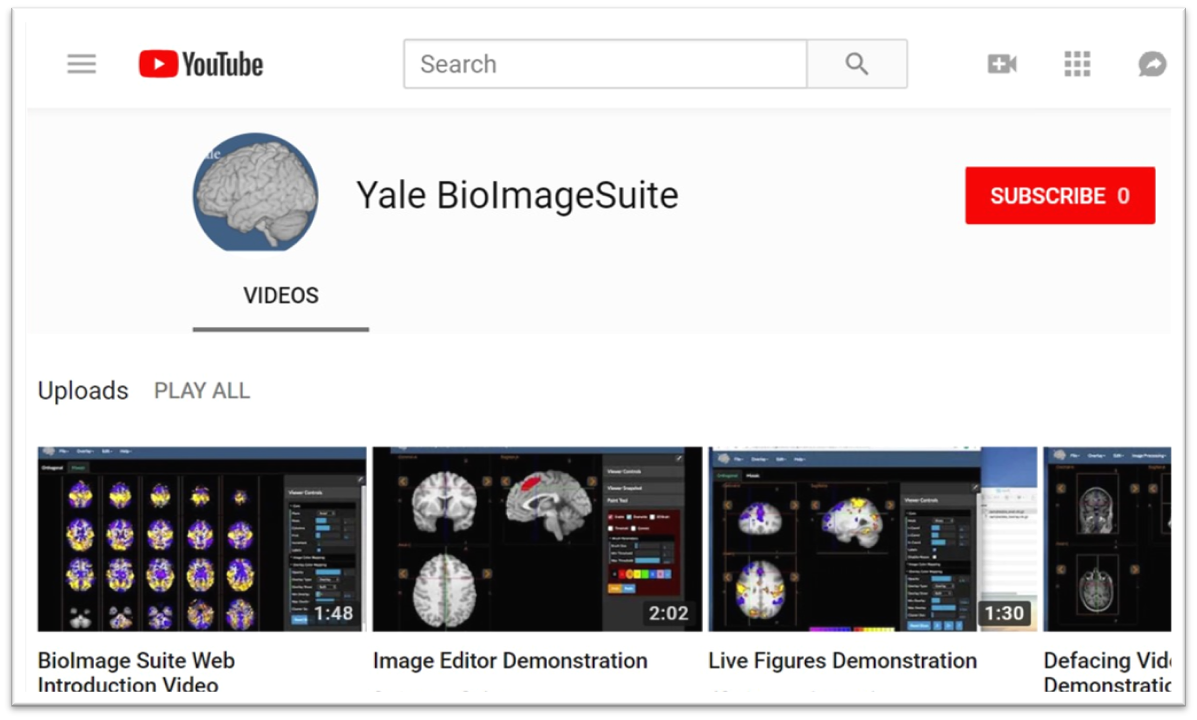
Xenophon Papademetris is a Professor of Biomedical Informatics & Data Science and Radiology & Biomedical Imaging at Yale School of Medicine. He serves as Associate Director of Biomedical Imaging Data Sciences at Yale Biomedical Imaging Institute and directs the Medical Software and Medical Artificial Intelligence Certificate Program. PhD in Electrical and Information Sciences from Yale University (2000) BA from Cambridge University (1994) Postdoctoral Fellowship at Yale University (2002) His research focuses on medical image analysis, machine learning, and biomedical software development. He has developed tools like BioImage Suite Web and contributed to standards committees at the Association for the Advancement of Medical Instrumentation (AAMI). His work spans modalities including MRI, CT, PET, and optical imaging. Recent publications emphasize neuroimaging analysis, explainable AI in healthcare, and multimodal data integration across species. He leads NIH-funded research under the BRAIN Initiative (R24 MH114805) and has authored a textbook on Medical Software published by Cambridge University Press. IEEE Senior Member Yale Brown-Coxe Postdoctoral Fellowship Harding Bliss Prize for Excellence in Engineering He directs the BioImage Suite Project, creating web-based image analysis tools using JavaScript and WebAssembly. His teaching includes both academic courses and a Coursera program on Medical Software with over 14,000 enrollments.
Nicolas Thomä is a Full Professor and head of the Thomä Lab at the École Polytechnique Fédérale de Lausanne (EPFL), where he holds the Paternot Chair in Cancer Research. He is affiliated with the School of Life Sciences (SV) and the Institute of Chemical and Biological Technology (ISREC), leading the UPTHOMAE research unit. His work bridges structural biology, chemical biology, and cancer research, with a focus on transcriptional regulation and targeted protein degradation. His research interests center on chromatin biology and the molecular mechanisms by which transcription factors access gene promoters within chromatin. He investigates how multi-protein complexes regulate gene expression, particularly focusing on the role of E3 ubiquitin ligases and molecular glues in targeted protein degradation. His lab combines structural techniques (including cryo-EM), biochemical assays, and functional genomics to unravel how small molecules can rewire protein interactions and induce degradation of disease-relevant proteins, especially transcription factors involved in cancer. The recent publications of his lab demonstrate a strong trajectory in understanding the structural basis of transcription factor binding to nucleosomes (e.g., OCT4-SOX2, MYC-MAX, CLOCK-BMAL1) and the mechanism of action of molecular glues like thalidomide. These studies highlight a shift toward therapeutic innovation through chemical biology, aiming to develop novel strategies for targeting 'undruggable' proteins in human diseases. Scientific Awards No specific awards listed in the provided text. Advising and Grants Thomä actively supervises a team of PhD students and postdoctoral researchers, including David Domjan, Laurin Tim Kanis, Alessandro Minafra, and Pierre Alexander Miranda Herrera. His lab is supported by institutional funding from EPFL and likely external grants related to cancer research, structural biology, and chemical biology, though specific grants are not mentioned. The lab’s interdisciplinary approach suggests collaboration with pharmaceutical and biotech partners. Labs and Teams The Thomä Lab, based at EPFL’s SV building, includes a multidisciplinary team of scientists, technical specialists, and administrative support. Key members include Fiona Bello (Technical Specialist), Regina Baur, Alexandra Bendel, Manuel Carminati, and others. The lab is structured around two main research pillars: Transcription Factors in Chromatin Biology and Ubiquitin Biology and Molecular Glues, reflecting its dual focus on fundamental mechanisms and therapeutic applications.
Ueli Grossniklaus is an Ordinary Professor at the University of Zurich within the Faculty of Mathematical and Natural Sciences , affiliated with the Department of Plant and Microbiology . His work focuses on plant developmental biology, particularly epigenetic and genetic mechanisms governing reproduction and adaptation. Key Courses: Epigenetics, Plant Biology Workshop, Group Seminars on Current Research Laboratory Techniques: Advanced methods in plant cell mechanics, transcriptomics, and genome editing Research Interests span plant epigenetics, reproductive biology, and the interplay between environmental stress and genetic regulation. He investigates: Mechanistic control of gametogenesis and fertilization Epigenetic contributions to plant adaptation Evolutionary implications of asexual reproduction Biophysical forces in plant cell growth Publication Trends (2025–2018) reveal expertise in: Arabidopsis and fern model systems Epigenetic regulation (DNA methylation, histone dynamics) Apomixis and hybrid seed failure mechanisms Biomechanics of pollen tubes and carnivorous plants Genome editing tools (CRISPR) and long-read sequencing Scientific Collaborations include interdisciplinary projects on: Microfluidic devices for plant cell analysis Gene drive ecology and ethics 3D imaging of plant reproductive structures Advising and Grants focus on mentoring through research internships in developmental biology, genetics, and systems biology. His lab engages in: Epigenetic response to environmental stress Cell wall mechanics in reproduction Computational modeling of plant growth Laboratory Teams integrate plant biologists, bioengineers, and computational scientists to study: Mechanistic gene regulation Evolutionary developmental biology Microrobotics for cellular force measurement
Dr. Richard Y. Zhao is a tenured Professor in the Department of Pathology and Microbiology-Immunology at the University of Maryland School of Medicine. His research combines molecular biology, fission yeast genetics, mammalian biology, and virology to study virus-host interactions, particularly for HIV and Zika virus. He previously held academic positions at Northwestern University and Columbia University and has contributed to over 120 peer-reviewed articles. B.S., China Oceanography University (1981) M.S., Oregon State University (1995) Ph.D., Oregon State University (1991) Postdoctoral Training, Columbia University (1991-1992) Dr. Zhao's research focuses on: Virus-host interactions and pathogenicity High-throughput drug screening for antivirals Role of viral proteins in neuroinflammation and cancer Translational genomics in precision medicine His recent publications highlight SARS-CoV-2 ORF3a, Zika envelope proteins, and HIV protease inhibitors, emphasizing host-pathogen mechanisms across species. He has served on NIH panels and editorial boards for journals like Cell Research and Retrovirology . Scientific awards include: Fellow, American Academy of Microbiology (2019) Bernard L Mirkin Endowed Chair (2001-2004) Honorary Director, Shandong Gallo Institute (2009) Distinguished Service from SCBA (2015) Outstanding Service from CBA-USA (2016) Dr. Zhao also contributes to clinical diagnostics and personalized medicine through molecular testing and pharmacogenetics programs.
Professor Sebastian Hiller is a Full Professor at the Biozentrum of the University of Basel, Switzerland, where he leads a research group focused on structural biology and biophysics. His laboratory specializes in using nuclear magnetic resonance (NMR) spectroscopy to elucidate the structures and functions of proteins and their interactions at the atomic level. His research spans several key areas including molecular chaperones and protein folding mechanisms, outer membrane protein biogenesis in bacteria, and kinase signaling pathways. Notably, his group has made significant contributions to understanding how chaperones like trigger factor function, the mechanisms of outer membrane protein assembly through the Bam complex, and dynamic kinase interactions. Their work has direct implications for neurodegenerative diseases and antibiotic development. The Hiller lab's recent publications demonstrate a strong focus on NMR methodology development, protein folding dynamics, and structural mechanisms of antibiotic action. Their research on darobactin's mechanism of action against Gram-negative bacteria represents a significant advance in antibiotic discovery. The group frequently publishes in high-impact journals including Nature, Science, and Nature Communications. ICMRBS Founder's Medal (2018) EMBO Young Investigator (2014) ERC starting grant (2011) SNSF professorship (2010) SNSF scholarship for young researchers (2008) Professor Hiller supervises numerous PhD students and postdoctoral researchers, with many alumni having secured prestigious positions in academia and industry. His laboratory maintains strong collaborations across multiple institutions and has received significant funding through ERC grants and other competitive mechanisms. The Hiller group also operates advanced NMR facilities that serve the broader research community at the University of Basel.
Prof. Dr. Roderick Lim is an Associate Professor at the Biozentrum, University of Basel , where he leads a research group since 2014. His work bridges biophysics, nanotechnology, and molecular biology , focusing on the nuclear pore complex (NPC) and mechanobiology of cells . He develops biomimetic systems for selective molecular transport and ARTIDIS , a nanomechanical tissue diagnostic platform commercialized for breast cancer prognosis . Education : BSc (UNC Chapel Hill), PhD (NUS/IMRE Singapore), Postdoc (Swiss Nanoscience Institute) Positions : Argovia Professor (2014–present), Tenure Track Asst. Prof. (2009–2013), Postdoc (2004–2008) His research on NPC transport selectivity reveals how karyopherins modulate the FG Nup barrier via multivalent interactions, with implications for viral entry and Alzheimer’s disease . His ARTIDIS platform uses atomic force microscopy to detect cancer via tissue softness, linking hypoxia to metastasis . Recent 2025 publications explore bacterial nanoharpoon defense mechanisms and DNA origami-based NPC mimics . Scientific Awards : Pierre-Gilles de Gennes Prize (2008), A*STAR Fellowship (2004) Collaborations : NCCR Molecular Systems Engineering, NanoTera, KTI He mentors PhD students in institutions across Switzerland, Singapore, Sweden, and the UK , with alumni working on polymersome delivery, mechanotransduction, and pathogen transport . His lab pioneered high-speed atomic force microscopy for real-time NPC dynamics and plasmonic nanopores for synthetic biology applications.
Kathryn E. Dickerson, M.D., M.S.C.S., is an Assistant Professor in the Department of Pediatrics at UT Southwestern Medical Center, specializing in the Division of Hematology and Oncology. She holds dual appointments as a 2015 Translational Research Scholar in the UTSW Center for Translational Medicine and as an NIH KL2 scholar. Her clinical focus is pediatric hematology, emphasizing bone marrow failure disorders, cancer predisposition syndromes, and thalassemia/dyserythropoietic anemias. Her research investigates epigenetic regulation of myeloid malignancies, clonal hematopoiesis in childhood cancer survivors, and molecular mechanisms underlying acute myeloid leukemia (AML), myelodysplastic syndromes (MDS), and myeloproliferative disorders (MPD). Education: Bachelor's in Biochemistry (Indiana University), minor in Spanish Medical degree (Indiana University School of Medicine) Masters of Science in Clinical Sciences (UT Southwestern Center for Translational Medicine) Training: Pediatric residency with research pathway (Ohio State University/Nationwide Children’s Hospital) Pediatric hematology-oncology fellowship (UT Southwestern) Dr. Dickerson’s research bridges basic science and clinical practice, leveraging CRISPR-based epigenetic editing, genomic analysis, and translational studies to understand disease mechanisms. Key projects include interrogating enhancer dysregulation in leukemia, studying metabolic reprogramming in cancers, and evaluating clonal hematopoiesis in survivors of childhood cancers. Her work has advanced understanding of EZH2’s role in AML and identified therapeutic vulnerabilities in myeloid malignancies. Awards: 2015 Translational Research Scholar (UTSW Center for Translational Medicine) NIH KL2 Career Development Award Grants/Initiatives: NIH-funded investigator-initiated study on clonal hematopoiesis Industry/consortia-sponsored trials for bone marrow failure and rare blood disorders She collaborates with the Children’s Research Institute and North American Pediatric Aplastic Anemia Consortium, contributing to clinical trials and translational initiatives. Her lab focuses on developing biomarkers for disease severity (e.g., immature platelet fraction in pediatric COVID-19) and therapeutic strategies targeting epigenetic dependencies in leukemia.
Dukka KC is an Adjunct Professor in the Department of Computer Science at Michigan Technological University and a member of the Institute of Computing and Cybersystems (ICC). His research focuses on computational data science with applications in bioinformatics, computational biology, and health informatics, particularly leveraging machine learning and high-performance computing to develop predictive tools for protein and nucleic acid modifications. Ph.D., Informatics, Kyoto University, 2006 M.Inf., Informatics, Kyoto University, 2003 B.Eng., Computer Science, Kyoto University, 2001 Research interests include: Developing GPU-accelerated bioinformatics tools (e.g., GPU-I-TASSER) Predicting post-translational modification sites using deep learning (e.g., DeepNGlyPred, DeepRMethylSite) Machine learning approaches for malonylation, succinylation, and sulfenylation site prediction High-throughput analysis of next-generation sequencing data Interdisciplinary projects in biometrics, cybersecurity, and disaster prediction Recent publications highlight a strong trend in applying deep learning to protein structure and function prediction, GPU-parallelization for computational efficiency, and machine learning for both biological and cybersecurity applications. The lab also emphasizes cross-domain collaborations and the development of scalable bioinformatics workflows. Grants and funding include projects like the President's Convergence Science Initiative (PI, $300K), NSF III grants for protein function prediction ($111K), and multi-institutional collaborations on biometric test-beds and synthetic biology research. The KC Lab at Michigan Tech specializes in integrating computational data science with molecular biology, focusing on protein/RNA/DNA modification site prediction and contributing to large-scale proteome analysis through machine learning-driven pipelines.
Pratip K. Bhattacharya, Ph.D. , is an Associate Professor in the Department of Cancer Systems Imaging and the Department of Imaging Physics at The University of Texas MD Anderson Cancer Center, with a joint appointment in the Graduate School of Biomedical Sciences at The University of Texas Health Science Center. He is a principal investigator leading the Bhattacharya Laboratory, dedicated to advancing magnetic resonance imaging (MRI) through hyperpolarization techniques for applications in cancer and cardiovascular diseases. His research focuses on developing real-time metabolic and molecular imaging methods using hyperpolarized 13 C and 15 N-labeled compounds and silicon nanoparticles. These innovative probes significantly enhance MRI sensitivity, enabling non-invasive assessment of tissue metabolism and targeted imaging. His lab's work spans three primary areas: real-time metabolic MR imaging, targeted molecular MR imaging with functionalized silicon nanoparticles, and high-resolution MR metabolomics. These efforts are aimed at improving disease diagnosis and therapy monitoring. Analysis of his recent publications reveals a strong and consistent focus on hyperpolarized MRI, particularly using silicon particles and metabolic tracers like succinate, to visualize cancer metabolism and cardiovascular conditions in vivo. His research integrates physics, chemistry, and biomedical engineering to create novel imaging tools with direct clinical translational potential. PHIP Hyperpolarization Dynamic Nuclear Polarization (DNP) Hyperpolarized Silicon Nanoparticles Real-Time Metabolic Imaging Cancer and Cardiovascular Imaging Theranostic Applications Dr. Bhattacharya actively mentors graduate students and postdoctoral fellows, including Saleh Ramezani, Jose Enriquez, Dontrey Bourgeois, and Kang-Lin Hsieh. He collaborates closely with physician-scientists, radiologists, and oncologists to ensure his imaging science innovations address critical clinical needs. His laboratory is supported by grant funding, facilitating the development of cutting-edge imaging technologies. The Bhattacharya Laboratory is a key component of the Division of Diagnostic Imaging at MD Anderson, fostering a collaborative environment for interdisciplinary research. The lab focuses on translating fundamental discoveries in hyperpolarization physics into practical tools for improving cancer care.