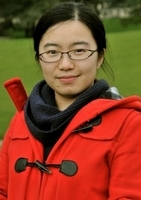
Dr. Xin Zhou is an Oxford-Bristol Myers Squibb Fellow at the Department of Computer Science, University of Oxford. Her research integrates computational modeling, clinical data, and experimental findings to investigate cardiac disease mechanisms and develop human-based simulations for drug evaluation. BSc and MSc in Life Sciences, Beijing Normal University DPhil in Computational Biology, University of Oxford Her work focuses on multi-scale cardiac modeling , particularly in ischemic heart disease and heart failure, exploring ionic currents, tissue conduction, and organ-level dynamics. She develops electromechanical simulations to study cardiac alternans and arrhythmic risks, translating these into clinical applications for patient stratification and pharmaceutical testing. Recent publications emphasize in silico clinical trials , sex-specific cardiometabolic analysis, and Purkinje network modeling. Collaborative efforts with clinicians and pharmaceutical partners highlight her translational approach to regulatory science. Model of the Year 2024, BioModels EPSRC Impact Acceleration Account Microsoft Research Project Award Recognition Award, University of Oxford She supervises PhD and MSc students in computational cardiology, while serving on the editorial board of Frontiers in Physiology . Her current projects involve digital twinning and predictive cardiac safety models to reduce animal testing reliance.
Professor Ananya Choudhury serves as Chair and Honorary Consultant in Clinical Oncology at the University of Manchester, where she is also Co-Group Leader of the Translational Radiobiology Group within the Division of Cancer Sciences. She joined The Christie NHS Foundation Trust in 2008, specializing in urology and sarcoma, and has since focused on radiotherapy-related research in prostate and bladder cancers. Professor Choudhury is clinical lead for advanced radiotherapy, including the groundbreaking MRLinac project, and plays a key role in national radiotherapy research initiatives. Professor Choudhury earned her BA (Hons) in 1993, MB. BChir (Cantab) in 1995, and MA (Cantab) in 1997 from Trinity College, Cambridge. She completed her Clinical Oncology training at the Yorkshire Deanery from 2000-2008, during which she earned her MRCP in 2000 and F.R.C.R in 2004. She completed her PhD in 2008 through the University of Leeds and Princess Margaret Hospital in Toronto, Canada, where she studied the molecular epidemiology of DNA double strand break repair in bladder cancer. Professor Choudhury's research program focuses on optimizing and personalizing radiotherapy using advanced imaging technology to deliver high doses while minimizing side effects. Her work centers on prostate and bladder cancers, with particular interest in predictive biomarkers, hypoxia, and the integration of magnetic resonance imaging to improve treatment precision. She has pioneered research in radiotherapy dose optimization, biomarker development, and the identification of patients who would benefit most from different treatment approaches. Her extensive publication record demonstrates a strong focus on radiation therapy, particularly in genitourinary cancers. Recent work explores MRI-guided radiotherapy, hypoxia biomarkers, and personalized treatment approaches across multiple cancer types. She has made significant contributions to understanding how imaging technology can improve radiotherapy precision and effectiveness while reducing side effects, with several publications appearing in top journals through 2025. Professor Choudhury has received multiple prestigious awards recognizing her contributions to the field: Cancer Research-UK/Royal College of Radiologists Clinical Training Fellowship (2005) Fellowship for the 10th ECCO-AACR-ASCO Workshop on Methods in Clinical Cancer Research (2007) Outstanding Contribution, Greater Manchester Clinical Research Awards (2017) RCR Research Fellowship (2005) Research Fellowship, Princess Margaret Hospital, Toronto (2004) Professor Choudhury has supervised numerous doctoral and master's students across multiple cancer types, with current students expected to complete through 2024. She is Principal Investigator on multiple research grants, including 'Measuring tumour radioresistance to improve radiotherapy outcomes' and the 'MAESTRO Programme' as part of CRUK RadNet. Her research program is supported by significant funding from NIHR Manchester Biomedical Research Centre and other major funding bodies. As Co-Group Leader of the Translational Radiobiology Group, Professor Choudhury collaborates extensively with leading researchers including Peter Hoskin, Catharine West, Corinne Faivre-Finn, and Marcel van Herk. Her team is at the forefront of integrating advanced imaging with radiotherapy to improve cancer treatment outcomes, with active projects spanning from basic radiobiology to clinical implementation of novel radiotherapy techniques.
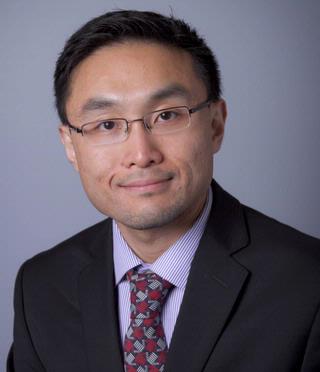
Haoming Qiu, M.D. serves as an Associate Professor in the Department of Radiation Oncology at the University of Rochester School of Medicine and Dentistry. He practices clinically at both Wilmot Cancer Center in Rochester and Sands Cancer Center in Canandaigua, providing radiation oncology services for gastrointestinal, lung, and prostate cancers. Board-certified by the American Board of Radiology, Dr. Qiu specializes in advanced radiotherapy techniques including external beam radiation and radiopharmaceutical therapies. Education: MD, Johns Hopkins University (2011) Residency in Radiation Oncology, University of Rochester Medical Center (2013-2016) Residency in Radiation Oncology, Loyola University Medical Center (2012-2013) Internship in Internal Medicine, Sinai Hospital of Baltimore (2011-2012) Research Focus: Dr. Qiu's work centers on optimizing radiation therapy for gastrointestinal malignancies, prostate cancer, and neuroendocrine tumors. His investigations into theranostics explore novel applications of Lutathera for neuroendocrine tumors, Pluvicto for prostate cancer, and Therasphere for liver cancers. Current research emphasizes combining stereotactic body radiotherapy with immunotherapeutic agents to overcome treatment resistance in pancreatic and rectal cancers. Publication Trends: Recent publications (2023-2025) reveal a strategic shift toward adaptive radiotherapy techniques for pelvic malignancies and immunoradiotherapy combinations. His work demonstrates growing emphasis on modulating tumor immune microenvironments through radiation, particularly in pancreatic and rectal cancers. The integration of mRNA nanotechnology with SBRT represents a cutting-edge frontier in his research portfolio. Scientific Recognition: Roentgen Resident/Fellow Research Award (2015) Excellence in Medical Student Research (2011) Clinical Leadership: Dr. Qiu directs multiple clinical trials at the University of Rochester focusing on radiopharmaceutical applications and adaptive radiotherapy protocols. His patient-centered approach is reflected in consistently high patient satisfaction scores (4.9/5 stars) across communication, empathy, and treatment explanation metrics. Care Coordination: As part of the Wilmot Cancer Center and Sands Cancer Center teams, Dr. Qiu collaborates with multidisciplinary groups including medical oncologists, surgeons, and radiologists to deliver integrated cancer care through Accountable Health Partners network.
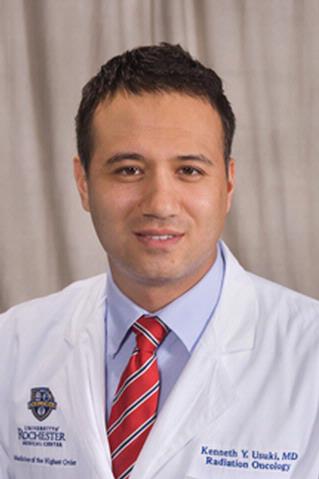
Dr. Kenneth Y. Usuki serves as an Associate Professor in the Department of Radiation Oncology at the University of Rochester School of Medicine and Dentistry. He is a board-certified Radiation Oncologist actively practicing at the Wilmot Cancer Center and Strong Memorial Hospital, specializing in neuro-oncology, radiosurgery, and gastrointestinal cancers. His clinical leadership includes roles as Co-Director of the Spinal Radiosurgery Program, Associate Radiation Oncology Residency Director, and Medical Student Clerkship Director. Dr. Usuki earned his MD from Jefferson Medical College (2004), completed a Transitional Year Internship at Penn Presbyterian Medical Center (2004-2005), and underwent Radiation Oncology Residency at the University of Rochester Medical Center (2005-2009), where he served as chief resident. His research focuses on optimizing radiation techniques for brain/spine tumors, skin cancers, and gastrointestinal malignancies. His research demonstrates consistent innovation in stereotactic radiosurgery, with recent publications (2023-2024) emphasizing brain metastasis management, cognitive preservation during whole-brain radiation, and advanced dosimetry techniques. Key trends include hippocampal avoidance protocols, multi-target radiosurgery planning, and systemic disease interactions with CNS control – reflecting his dual focus on technical precision and patient-centered outcomes. His work frequently appears in high-impact journals like International Journal of Radiation Oncology, Biology, Physics and Advances in Radiation Oncology . Dr. Usuki actively mentors residents and medical students through formal educational leadership roles. His departmental responsibilities include residency program oversight, medical student clerkship direction, and serving as Wellness Representative for the Department of Radiation Oncology. He contributes to major collaborative trials including NRG Oncology CC001. As Co-Director of the University of Rochester Spinal Radiosurgery Program, he leads a specialized team applying cutting-edge techniques like Brain Lab Cranial Elements SRS, VMAT, and Image-Guided Radiation Therapy to complex spinal pathologies. The program emphasizes multidisciplinary collaboration between radiation oncology, neurosurgery, and medical oncology teams.
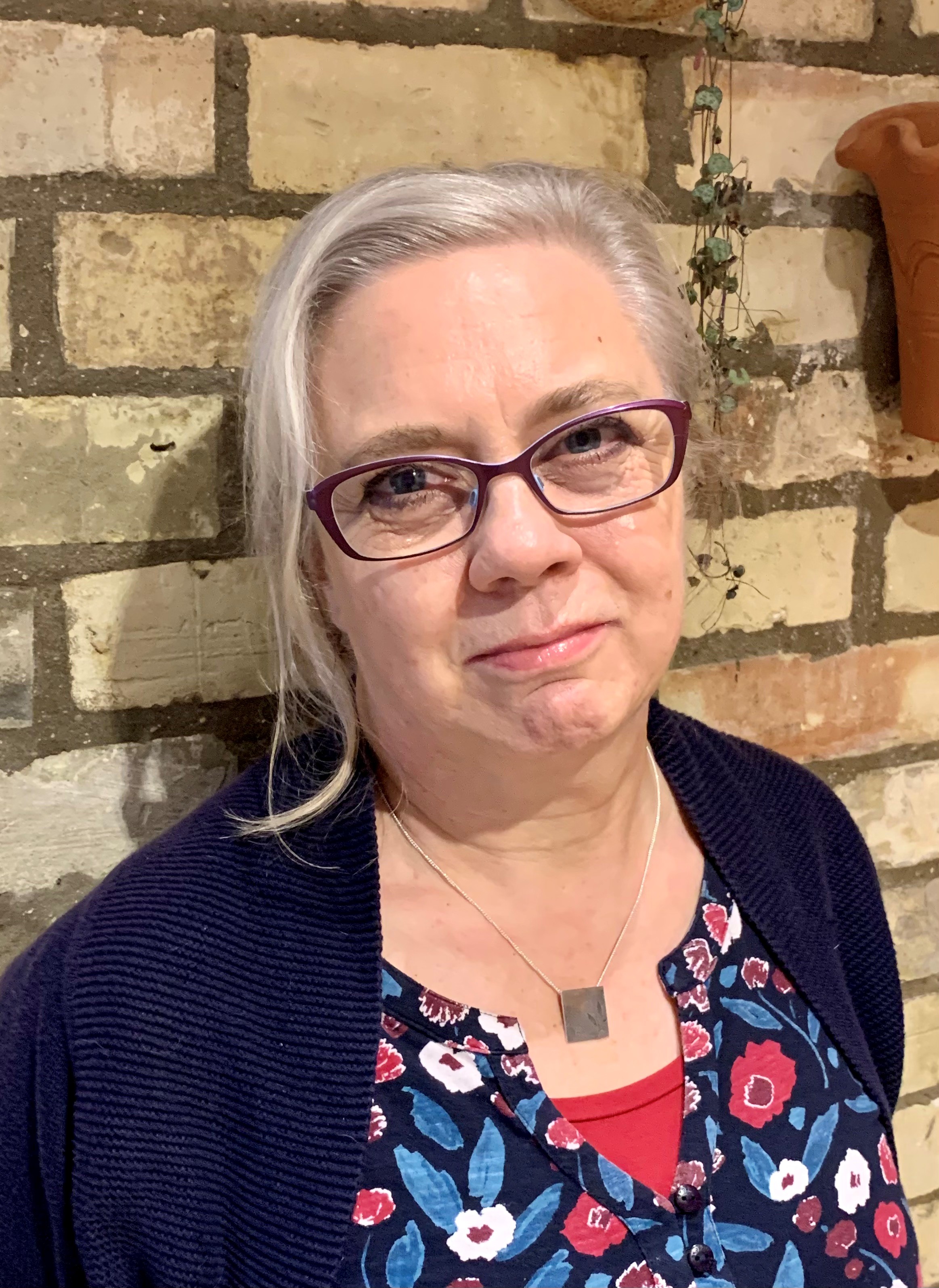
Professor Alison Dunning serves as Professor of Cancer Genetic & Applied Epidemiology at the University of Cambridge's Centre For Cancer Genetic Epidemiology (CCGE), where she leads wet-lab operations and contributes to major international consortia including BCAC and CIMBA. Appointed to her professorship in 2022 after becoming Reader in 2016, she concurrently acts as University Disability and Wellbeing Champion and Co-Chair of the Disabled Staff Network. Her research focuses on cancer genetic epidemiology , particularly fine-scale mapping of breast cancer risk loci, genetic modifiers of BRCA-related cancer risks, and radiotherapy toxicity mechanisms. She directs high-throughput genotyping for consortia studying polygenic risk scores across diverse populations, mammographic density genetics, and radiation-induced normal tissue complications. Her work bridges wet-lab sample management with statistical genetics to translate findings into clinical risk prediction. Analysis of her 2023-2025 publications reveals dominant themes in cross-ancestry polygenic risk score development and genetic determinants of radiotherapy toxicity , with significant contributions to prostate cancer dose-response modeling and BRCA variant classification. These studies frequently employ large-scale GWAS and international cohort collaborations to address clinical implementation challenges. As Director of Graduate Studies for the Oncology Department (2019-2024) and current formal supervisor for CRUK Cambridge Cancer Centre MRes students, she mentors early-career researchers while teaching on the University's Certificate in Genetics program until 2022. Her advocacy focuses on disability inclusion and combating workplace bullying through epidemiological frameworks that promote belonging in academia. Dunning manages the CCGE's wet-lab team responsible for biological sample curation and genotyping across consortia including Confluence, BRIDGES, and EMBED. Her leadership extends to patient engagement in the Early Detection program, where she supports patient representatives while overseeing sample collection for ctDNA analysis and related studies.
Prof. Dr. Verena Jendrossek is a full Professor and Chair of Cell Biology at the Institute of Cell Biology (Tumor Research), Faculty of Medicine, University of Duisburg-Essen. She also serves as Deputy Managing Director and leads research in molecular and experimental radiooncology. Her group is deeply integrated into the ZMB (Center for Medical Biotechnology) and participates in DFG Research Training Group 1739. Institution: University of Duisburg-Essen School: Faculty of Medicine Department: Institute of Cell Biology (Tumor Research) Leadership: Chair of Cell Biology, Deputy Managing Director Her research focuses on the molecular mechanisms of therapy-induced cell death, tumor resistance, radiation-induced immune changes, and normal tissue toxicity. Her work spans molecular cell biology, radiation biology, and experimental radiooncology , with emphasis on identifying biomarkers and developing novel therapeutic strategies. She investigates the PI3K pathway and microenvironmental influences on treatment response. The recent publications highlight a strong trend in radiation biology, cancer metabolism, autophagy regulation, and immunomodulation post-radiotherapy. Her team explores radiosensitization strategies , metabolic rewiring , and fibrosis mechanisms , often using preclinical models including in vitro , in ovo , and in vivo systems. Collaborative clinical studies in lung cancer are also prominent. Scientific awards are not listed in the provided text. Prof. Jendrossek supervises a large team of doctoral students across medical and scientific disciplines. She leads junior research groups and collaborates with clinical research teams for translational validation of therapeutic approaches. No specific grant information is mentioned, but her involvement in DFG Research Training Group 1739 indicates active funding. She supports a collaborative research environment with structured mentoring. The research group operates within the ZMB and includes junior group leaders such as Dr. Florian Wirsdörfer, PD Dr. Justine Rudner, Dr. Silvia Vega Rubin de Celis, PD Dr. Johann Matschke, and Dr. Farnoush Farahpour. The lab also hosts the Laboratory for Vascular Remodeling led by apl. Prof. Dr. Diana Klein. The team comprises multiple postdocs, doctoral students, and technical staff, indicating a highly active and multidisciplinary research environment.
Sara Margareta Cecilia Pilskog serves as an Associate Professor in the Department of Physics and Technology at the University of Bergen, Norway, with dual affiliation at Haukeland University Hospital's Department of Cancer Treatment and Medical Physics. Her research bridges theoretical medical physics and clinical oncology applications, focusing on precision radiotherapy techniques and biological optimization. Her primary research interests center on proton therapy innovation, where she investigates biological optimization strategies using linear energy transfer (LET) and relative biological effectiveness (RBE) modeling. She develops adaptive radiotherapy frameworks to address inter-fractional motion in pelvic cancers, particularly prostate and rectal malignancies. Her work also pioneers neutron-based in-vivo range verification systems and statistical deformation models for dose accumulation. Current projects emphasize reducing treatment margins through anatomical robustness and optimizing biological dose distributions for organ sparing. Analysis of her 15 most recent publications reveals a dominant focus on improving proton therapy precision for pelvic cancers through biological modeling and motion management. Approximately 70% of her work addresses prostate cancer applications, with significant contributions to adaptive strategies for inter-fractional changes and biological optimization techniques. Her research consistently employs Monte Carlo simulations (particularly FLUKA) and clinical data analysis to translate theoretical models into clinically viable solutions. No scientific awards were documented in the provided materials. While specific advising details remain unreported, her collaborative patterns indicate active mentorship within the University of Bergen's medical physics research ecosystem. Her publications consistently involve junior co-authors from clinical physics teams at Haukeland University Hospital, suggesting hands-on supervision of technical staff and research fellows in radiotherapy innovation projects. Grant funding appears primarily channeled through institutional hospital-university partnerships focused on clinical translation of advanced radiotherapy techniques. Dr. Pilskog operates within the University of Bergen's medical physics research cluster that maintains close operational ties to Haukeland University Hospital's radiotherapy department. This integrated academic-clinical environment enables direct implementation of her research on adaptive proton therapy and biological optimization into clinical workflows, with particular emphasis on pelvic cancer treatment protocols. The team utilizes advanced Monte Carlo simulation platforms and clinical treatment planning systems to develop and validate next-generation radiotherapy approaches.
Scott Richard Floyd is the Gary Hock and Lyn Proctor Associate Professor of Radiation Oncology at Duke University School of Medicine, with secondary appointments as Associate Professor of Radiation Oncology and Assistant Research Professor in Pharmacology and Cancer Biology. He is also a Member of the Duke Cancer Institute and serves as Associate Radiation Director of the Duke Center for Brain and Spine Metastasis and Associate Program Director of the Duke Radiation Oncology Residency Program. Dr. Floyd received his M.D. and Ph.D. from Yale University in 2002. His professional training includes: Internship in Internal Medicine at Hospital of Saint Raphael (2002-2003) Residency in Radiation Oncology at Harvard Medical School, Harvard Radiation Oncology Program (2003-2007) Clinical Investigator position at MIT Koch Institute for Integrative Cancer Research (2012-) Dr. Floyd's research focuses on DNA damage signaling and repair in brain tumor cells, particularly investigating how chromatin changes mediated by epigenetic modifiers affect the DNA damage response (DDR). His lab develops small animal irradiation techniques and mouse models of glioblastoma to test the effects of epigenetic writers and readers on DDR in clinically relevant model systems. He aims to identify strategies to enhance tumor cell killing while protecting normal brain tissues from radiation damage. His work on brain slice models provides a platform for studying stroke, Alzheimer's disease, Huntington's disease, and brain tumors while reducing animal use. Analysis of Dr. Floyd's recent publications reveals a strong focus on brain metastases, radiation necrosis, and the application of artificial intelligence in radiation oncology. His work increasingly integrates radiogenomics, machine learning, and novel radiation techniques to improve outcomes for patients with brain tumors. There's a clear trend toward interdisciplinary collaboration, particularly in combining radiation therapy with immunotherapy and targeted agents, as evidenced by his leadership in the Consortium for Intracranial Metastasis Academic Research (CIMARa). Dr. Floyd has secured significant research funding, including: NEUROD1 function in SCLC fate and plasticity (NIH, 2024-2029) Synthetic lethality with BET bromodomain inhibition (American Cancer Society, 2025-2026) ASPET SURF Institutional Award (2018-2028) Multiple NIH R01 grants supporting his research on DNA damage response and brain tumor biology Dr. Floyd leads the Floyd Lab, which focuses on studying mechanisms of DNA damage signaling and repair in brain tumor and other mammalian cells. His lab utilizes advanced techniques including small animal irradiation, mouse models of glioblastoma, and organotypic brain slice culture platforms. He is also involved in Project Brainslice, which develops experimental model systems using brain slices to research new treatments for brain diseases. His clinical expertise centers on the treatment of benign, primary, and metastatic tumors of the brain and spine, making him a key figure in Duke's brain and spine metastasis program.
Gerry Crossan is a programme leader at the MRC Laboratory of Molecular Biology (LMB), University of Cambridge, and concurrently serves as a Governing-Body Fellow and Research-Fellowships Secretary (STEM) at a Cambridge college, placing him at the intersection of cutting-edge research and academic governance. His research seeks to understand how genetic information is transmitted faithfully across generations, with a particular emphasis on the mechanisms that protect germ-line cells from DNA damage. Trained in DNA-interstrand-crosslink repair, he pioneered studies revealing how endogenous aldehydes—common by-products of metabolism and alcohol—create genotoxic stress, damage chromosomes and fuel stem-cell mutation. His work delineated the Fanconi anaemia DNA-repair pathway as a critical guardian against such damage, demonstrated that maternal aldehyde detoxification during pregnancy safeguards the fetal genome, and identified SLX4 as a key tumour-suppressor/nuclease regulator whose loss phenocopies Fanconi anaemia. More recently his programme has expanded to primordial-germ-cell biology, demonstrating that translesion DNA synthesis is essential for genome-wide demethylation and normal germ-cell development, and uncovering protective roles of Fanconi proteins against retrotransposon activity. Across more than two dozen high-impact publications (Nature, Nature Genetics, Molecular Cell, Blood) a clear trend emerges: integration of biochemical, genetic and whole-animal approaches to expose how everyday metabolites threaten genome integrity, how defined repair pathways counteract these threats, and how failure of such defences precipitates developmental abnormality, bone-marrow failure and cancer. These insights are already informing therapeutic strategies, exemplified by his proposal to repurpose metformin to mitigate aldehyde stress in Fanconi anaemia patients. Within Cambridge he contributes to collegiate governance and to the selection and mentoring of incoming research fellows, underlining his commitment to nurturing the next generation of scientists.
Louis S. Constine, M.D. is a Professor and Philip Rubin Professor of Radiation Oncology at the University of Rochester Medical Center's School of Medicine and Dentistry. He is a radiation oncologist with clinical and scientific expertise in lymphomas, sarcomas, all pediatric malignancies, and cancer survivorship, particularly focusing on the acute and chronic effects of chemotherapy and radiation therapy on normal tissues. Dr. Constine is actively involved in multiple national and international cancer research groups and is currently accepting new patients at the Wilmot Cancer Center in Rochester, NY. MD from Johns Hopkins University School of Medicine (1973) Residency in Radiation Oncology, Stanford University Medical Center (1978-1981) Fellowship in Pediatric Hematology-Oncology, Seattle Children's Hospital (1976-1978) Residency in Pediatrics, Stanford University Medical Center (1975-1976) Residency in Pediatric Genetics, UCSF Medical Center Moffitt-Long Hospitals (1973-1975) Dr. Constine's research primarily focuses on the long-term effects of radiation therapy in pediatric cancer survivors, with special emphasis on normal tissue complications. His work spans radiation dosimetry, late effects management, and survivorship guidelines development. He has been instrumental in establishing international standards for monitoring and preventing radiation-induced complications in childhood cancer survivors through his leadership in the Pediatric Normal Tissue Effects in the Clinic (PENTEC) initiative. His research has significantly contributed to understanding the dose-volume relationships for various normal tissues in children receiving radiation therapy. His recent publications (2024-2025) demonstrate a strong focus on comprehensive reviews of late effects in childhood cancer survivors through the PENTEC initiative, covering multiple organ systems including thyroid, kidney, metabolic syndrome, neurocognitive effects, and more. His work also includes clinical trials for pediatric Hodgkin lymphoma, innovative approaches to radiation therapy delivery (such as audiovisual immersion techniques), and international collaborations developing standardized surveillance guidelines for cancer survivors. The breadth of his publications shows his leadership in translating research findings into practical clinical guidelines for long-term follow-up care. Dr. Constine has received numerous prestigious awards throughout his career, reflecting his contributions to both clinical care and research: Educator of the Year (2018, 2011) America's Most Honored Professionals--Top 1% (2017) Albert Nelson Marquis Lifetime Achievement Award (2017-2018) Philip Rubin Professor of Radiation Oncology and Pediatrics (2013) Patient- and Family-Centered ICARE High Performance Award (2012-2013) Multiple teaching awards including the Philip Rubin-Mayer Mitchell Teaching Award (2005, 2001, 1997) America's Top Doctors for Cancer (2007-2017) Dr. Constine serves as the Radiation Chair of the Lymphoma Committee in the Southwest Oncology Group and holds leadership positions in multiple national and international organizations focused on childhood cancer survivorship. He chairs the Pediatric Quantitative Analysis of Normal Tissue Effects in the Clinic ASTRO/AAPM initiative and serves on the Children's Oncology Group Late Effects Steering Committee. His grant funding includes an ROI evaluating long-term cardiac toxicities in Hodgkin lymphoma survivors and membership on the steering committee for the NCI-supported Childhood Cancer Survivorship Study. His international work includes participation in United Nations task forces on radiation effects in children and International Atomic Energy Agency initiatives for pediatric radiation oncology in low-income countries. Dr. Constine leads the Pediatric Normal Tissue Effects in the Clinic (PENTEC) initiative, an international collaboration that has produced numerous comprehensive reviews on radiation dose-volume-response relationships for children with cancer. Through this work, he has established himself as a world leader in understanding and mitigating the late effects of radiation therapy in pediatric cancer survivors. His collaborative efforts span multiple institutions and countries, focusing on developing evidence-based guidelines for long-term follow-up care of childhood cancer survivors.
Devika Chithrani is Professor in the Department of Physics and Astronomy at the University of Victoria's Faculty of Science, leading pioneering research in cancer nanomedicine using gold nanoparticles to enhance radiotherapy and chemotherapy while reducing normal tissue toxicity. Education: PhD, University of Toronto, Canada MSc, University of Toronto, Canada BSc (Hons), University of Colombo, Sri Lanka NSERC Postdoctoral Fellow, University of Toronto, Canada Her research focuses on nanoparticle synthesis/characterization, radiosensitizer development, and multimodal imaging systems. She investigates how nanoparticle size, shape, and surface properties dictate intracellular fate in vitro and in vivo, engineering 3D tissue-like models to optimize therapeutic platforms. Her work bridges fundamental bio-nano interface studies with clinical translation for improved cancer diagnostics and treatment. Publication trends from 2006-2022 reveal progression from foundational nanoparticle-cell interaction studies to advanced tumor microenvironment applications and combination therapies (e.g., gold nanoparticles with pyronaridine/bleomycin), demonstrating translational momentum toward clinical implementation in radiation oncology. Scientific awards: NSERC Postdoctoral Fellow She mentors 5 current graduate students (including NSERC-funded PhD candidates Nolan Jackson and Daniel Cecchi) and has supervised 10+ previous students who received prestigious awards like NSERC CGS D and UVic Fellowships. Her research is funded by CIHR, NSERC, Mitacs Accelerate, CFI, BCKDF, and the Government of Canada's NCE Program. She directs the Nanoscience and Technology Laboratory, a multidisciplinary team integrating physics, chemistry, biology, and computer science to develop nanomaterials (gold/lipid nanoparticles) that enhance radiotherapy/chemotherapy efficacy through precise tumor targeting and reduced systemic toxicity.
Somayeh Gholami is an Assistant Professor at the University of Utah School of of Medicine and a Medical Physicist in the Department of Radiation Oncology at Huntsman Cancer Hospital. With a PhD in Medical Physics from Tehran University of Medical Sciences and a MSc in Radiation Medicine Engineering from Shahid Beheshti University, she specializes in Monte Carlo simulations for radiotherapy, brachytherapy, grid therapy, and radiobiological modeling. Her work focuses on radiation dose optimization, nanoparticle-enhanced treatments, and advanced dosimetry techniques. Primary affiliation: University of Utah School of Medicine Medical physicist role: Huntsman Cancer Hospital Education: PhD (TUMS), MSc (Shahid Beheshti), BS (Tarbiat Moallem) Residency: University of Arkansas for Medical Sciences (2024) Postdoctoral fellowship: Virginia Commonwealth University Dr. Gholami's research centers on improving radiation therapy through computational modeling (Monte Carlo simulations) and innovative applicator designs. She has developed novel surface brachytherapy molds and direction-modulated brachytherapy tandem applicators, with a particular emphasis on dose distribution optimization and radiobiological modeling. Her work also explores the impact of magnetic fields on radiation parameters and the use of nanoparticles for enhanced treatment efficacy. Recent publications demonstrate trends in Monte Carlo simulations for brachytherapy applications (2025), AI-driven dose distribution prediction (2024-2025), and comparative studies on radiation sources (2023-2024). These works span subfields including medical device design, radiation dosimetry, and computational modeling of biological responses to radiation. U.S. Patent No. 104322 (Surface Mould for Skin Brachytherapy, 2021) U.S. Patent No. 102889 (Respiratory Control Belt, 2020) U.S. Patent No. 103470 (Dynamic Thorax Phantom, 2020) U.S. Patent No. 73752 (Brachytherapy Phantom, 2012) Her clinical research group develops advanced phantoms and dosimetry tools for radiation therapy validation, including 4D XCAT digital phantoms for gated radiotherapy studies and customized 3D printed vaginal templates for adaptive brachytherapy. The team also investigates FLASH radiotherapy efficacy and normal tissue complication probability models for various radiation techniques.
Moyed Miften is a Professor and Director of the Medical Physics Division in the Department of Radiation Oncology at the University of Colorado Anschutz Medical Campus School of Medicine. With extensive expertise in radiation oncology physics, he has made significant contributions to the field of medical physics and radiation therapy. Dr. Miften earned his MSc from the University of Michigan in 1990 and his PhD from the same institution in 1994. He completed a fellowship in Radiation Oncology at the University of Michigan Program in 1996, establishing a strong foundation for his academic and research career in medical physics. Dr. Miften's research focuses on several key areas within radiation oncology physics. His primary interests include medical physics, radiation therapy, image-guided radiation therapy (IGRT), stereotactic body radiation therapy (SBRT), functional lung avoidance radiation therapy, radiation dosimetry, and radiation treatment planning. His work has particularly emphasized the development and clinical implementation of 4DCT-ventilation functional avoidance techniques in radiation therapy, which aims to spare functional lung regions during treatment to minimize toxicity while maintaining tumor control. He has also made significant contributions to the field of CBCT (cone-beam computed tomography) imaging, particularly in developing 2D antiscatter grid technologies and scatter correction methods to improve image quality and enable more accurate dose calculations during radiation therapy delivery. Analysis of Dr. Miften's recent publications reveals a strong focus on advancing precision radiation therapy through innovative imaging techniques and functional avoidance approaches. His research spans multiple clinical applications including lung cancer, liver cancer, and head and neck cancer treatments. A significant portion of his recent work involves the development and validation of functional avoidance radiation therapy techniques, particularly using 4DCT ventilation imaging to guide treatment planning. He has also been actively researching advanced imaging techniques such as coded aperture scatter imaging, computer vision-assisted surface guidance, and novel CBCT methods with antiscatter grids to improve treatment accuracy and enable real-time adaptation. Fellow, American Society of Radiation Oncology (2023) Radiotherapy Technical Expert, IAEA (2016) Volunteer Service Award, American Board of Radiology (2014) Chancellor, Board of Chancellors, American College of Medical Physics (2011) Fellow, American Association of Physicists in Medicine (AAPM) (2011) Dr. Miften has been actively involved in numerous clinical trials and collaborative research projects, particularly focusing on functional avoidance radiation therapy. He has served as a principal investigator and co-investigator on multiple studies evaluating the clinical implementation of 4DCT-ventilation techniques in lung cancer treatment. His research has received support from various funding sources that enable the advancement of precision radiation therapy techniques. While the specific details of his current grant portfolio are not provided in the text, his extensive publication record suggests ongoing research funding supporting his work in medical physics and radiation oncology. As Director of the Medical Physics Division, Dr. Miften leads a team of medical physicists and researchers focused on advancing radiation therapy techniques. His division likely collaborates closely with radiation oncologists, dosimetrists, and therapists to implement cutting-edge treatment approaches in clinical practice. The research output suggests active collaborations with institutions involved in the PENTEC (Pediatric Normal Tissue Effects in the Clinic) initiative and other multi-institutional clinical trials focused on reducing radiation-induced toxicities.
Claus E. Andersen is a Senior Researcher in the Department of Health Technology, specializing in Medical Dosimetry at the Technical University of Denmark (DTU). His work focuses on radiation dosimetry, radiotherapy techniques, and advanced applications such as FLASH therapy and proton beam treatments. Key areas of research include the biological effects of radiation, dosimetry in magnetic resonance-linear accelerators (MR-Linacs), and standardization of radiation measurements through collaborations with organizations like the IAEA. Andersen’s contributions span experimental validation of treatment modalities, optimization of dosimetry systems, and reducing normal tissue toxicity in cancer therapies. His research interests are centered on improving radiation therapy precision, particularly through innovations in dosimetry for complex treatment environments such as MR-guided systems and proton therapy. He has published extensively on topics like FLASH radiotherapy, scintillator-based dosimetry, and the impact of magnetic fields on radiation measurements. Andersen’s work often involves interdisciplinary collaboration, addressing challenges in clinical implementation of cutting-edge radiation techniques. His projects frequently involve preclinical models to evaluate treatment efficacy and safety, with a focus on translating laboratory findings into clinical practice.
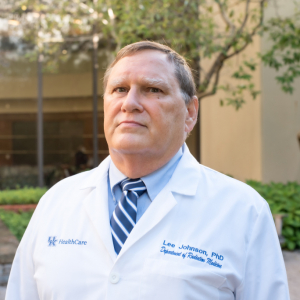
Lee Johnson is a Professor and Director of Graduate Studies for Radiation Science College at the University of Kentucky, affiliated with the Radiation Medicine department. His work bridges nuclear physics and clinical applications, focusing on advancing radiation therapy techniques and medical imaging methodologies for cancer treatment. His academic foundation includes: B.S. in Chemical Engineering from the University of Kentucky (1979) B.A. in Science Education from the University of Kentucky (1981) Ph.D. in Nuclear Chemistry from the University of Kentucky (1993) Postdoctoral Training at Duke University Medical Center (1993-1995) Dr. Johnson's research spans medical physics, radiation oncology, and nuclear chemistry with significant contributions in SPECT imaging reconstruction, dosimetry for targeted radiotherapy, and grid therapy development. His early nuclear physics work on dysprosium isotopes evolved into clinical applications including real-time monitoring of blood flow during radiation therapy and carbon fiber couch optimization. His expertise in therapeutic radiological physics is evidenced by board certification from the American Board of Radiology. Analysis of his publication history reveals a strategic shift from fundamental nuclear research to applied medical physics. His most impactful work focuses on improving radiation delivery precision through innovations in grid block technology, IMRT protocols, and SPECT imaging techniques. The recurring themes across his career include quantification of radiopharmaceuticals, mitigation of treatment complications, and translation of physics principles into clinical oncology practice. His professional recognition includes: American Board of Radiology Certification in Therapeutic Radiological Physics (1999) As Director of Graduate Studies, Dr. Johnson shapes the Medical Physics Graduate Program curriculum and oversees resident training. His collaborative research with institutions like Duke University and the University of Kentucky's Chandler Medical Center demonstrates sustained engagement in funded projects addressing critical challenges in radiation oncology, though specific grant details aren't documented in the source material. He actively contributes to the Radiation Medicine department's tripartite mission through clinical research on surface dose mitigation, basic science investigations in radioisotope quantification, and translational work on real-time physiological monitoring during treatment. His leadership supports the department's equipment-intensive research environment including SPECT imaging systems and linear accelerator technology.