معرفی
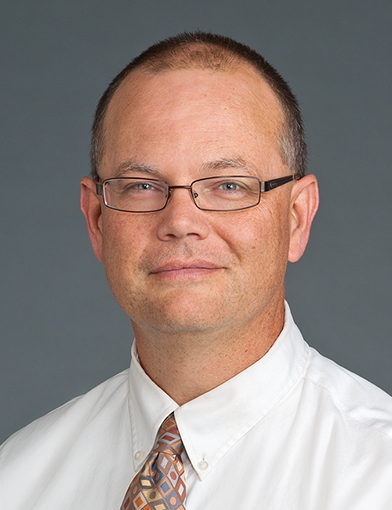
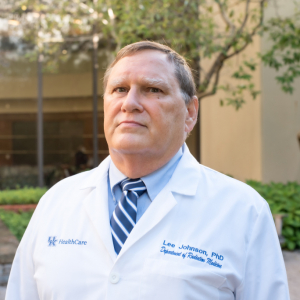
Lee Johnson is a Professor and Director of Graduate Studies for Radiation Science College at the University of Kentucky, affiliated with the Radiation Medicine department. His work bridges nuclear physics and clinical applications, focusing on advancing radiation therapy techniques and medical imaging methodologies for cancer treatment.
His academic foundation includes:
- B.S. in Chemical Engineering from the University of Kentucky (1979)
- B.A. in Science Education from the University of Kentucky (1981)
- Ph.D. in Nuclear Chemistry from the University of Kentucky (1993)
- Postdoctoral Training at Duke University Medical Center (1993-1995)
Dr. Johnson's research spans medical physics, radiation oncology, and nuclear chemistry with significant contributions in SPECT imaging reconstruction, dosimetry for targeted radiotherapy, and grid therapy development. His early nuclear physics work on dysprosium isotopes evolved into clinical applications including real-time monitoring of blood flow during radiation therapy and carbon fiber couch optimization. His expertise in therapeutic radiological physics is evidenced by board certification from the American Board of Radiology.
Analysis of his publication history reveals a strategic shift from fundamental nuclear research to applied medical physics. His most impactful work focuses on improving radiation delivery precision through innovations in grid block technology, IMRT protocols, and SPECT imaging techniques. The recurring themes across his career include quantification of radiopharmaceuticals, mitigation of treatment complications, and translation of physics principles into clinical oncology practice.
His professional recognition includes:
- American Board of Radiology Certification in Therapeutic Radiological Physics (1999)
As Director of Graduate Studies, Dr. Johnson shapes the Medical Physics Graduate Program curriculum and oversees resident training. His collaborative research with institutions like Duke University and the University of Kentucky's Chandler Medical Center demonstrates sustained engagement in funded projects addressing critical challenges in radiation oncology, though specific grant details aren't documented in the source material.
He actively contributes to the Radiation Medicine department's tripartite mission through clinical research on surface dose mitigation, basic science investigations in radioisotope quantification, and translational work on real-time physiological monitoring during treatment. His leadership supports the department's equipment-intensive research environment including SPECT imaging systems and linear accelerator technology.