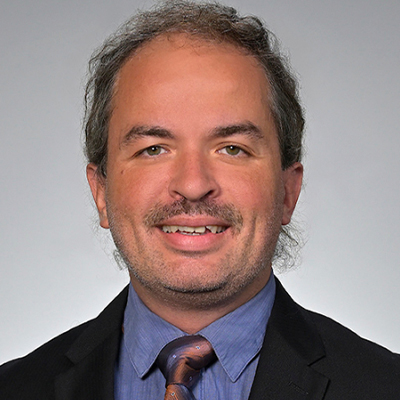
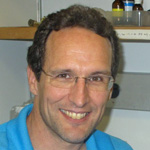
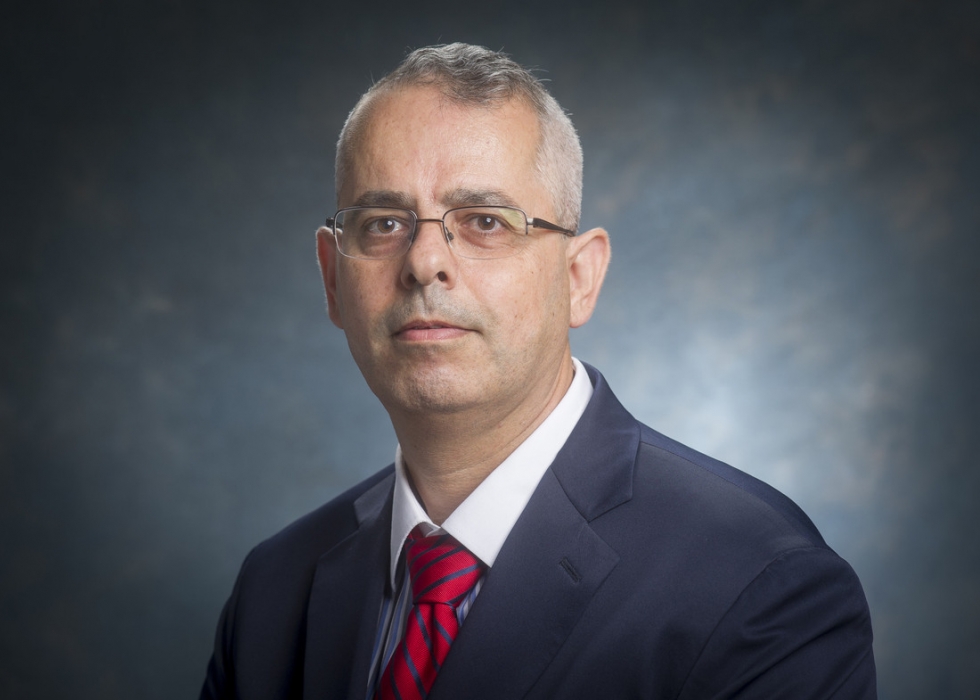
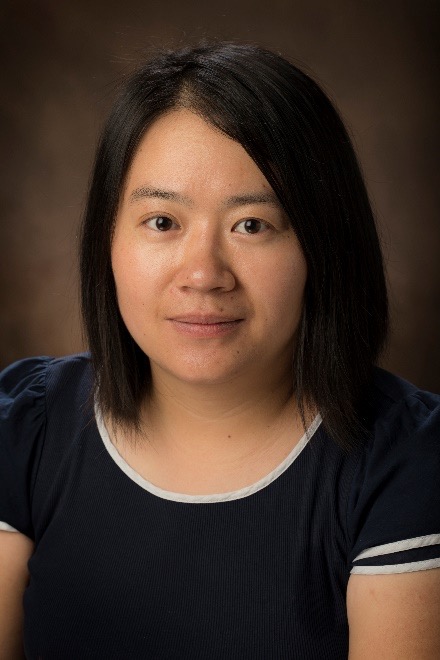
Gary M. Shaw is the Rosemarie Hess Professor and Professor (Research) at Stanford University , with courtesy appointments in the Department of Epidemiology and Population Health and Department of Obstetrics & Gynecology - Maternal Fetal Medicine . He serves as Co-PI of the March of Dimes Prematurity Research Center at Stanford and PI of the California Center for Finding Causes and Preventives of Birth Defects . His research focuses on the Epidemiology of birth defects Gene-environment interactions in perinatal outcomes Nutritional factors in reproductive health . He has developed machine learning approaches for precision parenteral nutrition and predictive models for preterm birth, while investigating persistent metabolomic signatures following hypertensive pregnancy disorders. Shaw's recent work explores Climate change impacts on reproductive health Maternal-fetal immune interactions Epigenetic mechanisms in perinatal disease with applications of multiomics to neonatal intensive care units. As a member of Bio-X and the Maternal & Child Health Research Institute , he contributes to translational research networks while serving as Associate Editor for Birth Defects Research and American Journal of Medical Genetics . He supervises Med Scholar Project student Richard Liang Doctoral co-advisor for Saskia Comess and Richard Liang Master's advisor for Lenae Joe while leading the Division of Neonatology as Associate Chair for Clinical Research (2012-2025). His laboratory work integrates Metabolomic profiling Proteomic analysis Computational modeling Machine learning for biomedical data to advance neonatal care through precision medicine approaches.
Pavel P. Kuksa is a Research Assistant Professor in the Department of Pathology and Laboratory Medicine, specializing in bioinformatics, computer science, and functional genomics. His work focuses on high-throughput sequencing analysis, chromatin interaction data, and developing scalable software platforms for genomics research.
Kathryn E. Dickerson, M.D., M.S.C.S., is an Assistant Professor in the Department of Pediatrics at UT Southwestern Medical Center, specializing in the Division of Hematology and Oncology. She holds dual appointments as a 2015 Translational Research Scholar in the UTSW Center for Translational Medicine and as an NIH KL2 scholar. Her clinical focus is pediatric hematology, emphasizing bone marrow failure disorders, cancer predisposition syndromes, and thalassemia/dyserythropoietic anemias. Her research investigates epigenetic regulation of myeloid malignancies, clonal hematopoiesis in childhood cancer survivors, and molecular mechanisms underlying acute myeloid leukemia (AML), myelodysplastic syndromes (MDS), and myeloproliferative disorders (MPD). Education: Bachelor's in Biochemistry (Indiana University), minor in Spanish Medical degree (Indiana University School of Medicine) Masters of Science in Clinical Sciences (UT Southwestern Center for Translational Medicine) Training: Pediatric residency with research pathway (Ohio State University/Nationwide Children’s Hospital) Pediatric hematology-oncology fellowship (UT Southwestern) Dr. Dickerson’s research bridges basic science and clinical practice, leveraging CRISPR-based epigenetic editing, genomic analysis, and translational studies to understand disease mechanisms. Key projects include interrogating enhancer dysregulation in leukemia, studying metabolic reprogramming in cancers, and evaluating clonal hematopoiesis in survivors of childhood cancers. Her work has advanced understanding of EZH2’s role in AML and identified therapeutic vulnerabilities in myeloid malignancies. Awards: 2015 Translational Research Scholar (UTSW Center for Translational Medicine) NIH KL2 Career Development Award Grants/Initiatives: NIH-funded investigator-initiated study on clonal hematopoiesis Industry/consortia-sponsored trials for bone marrow failure and rare blood disorders She collaborates with the Children’s Research Institute and North American Pediatric Aplastic Anemia Consortium, contributing to clinical trials and translational initiatives. Her lab focuses on developing biomarkers for disease severity (e.g., immature platelet fraction in pediatric COVID-19) and therapeutic strategies targeting epigenetic dependencies in leukemia.
Dr. Hilary Martin is a Group Leader in Human Genetics at the Wellcome Sanger Institute and a College Research Associate at St John's College, Cambridge. Her research focuses on medical and population genomics, analyzing high-throughput sequence and genotype data from large cohorts to address various medical and population genetic questions. She leads the Martin Group which studies the genetic architecture of rare and common disorders in diverse populations, with particular emphasis on populations with high levels of parental relatedness. BSc (Human Genetics) from the University of Queensland, Australia PhD from the Wellcome Trust Centre for Human Genetics in Oxford Postdoctoral research at Sanger Institute with Jeff Barrett Group Leader at Sanger Institute since September 2018 Dr. Martin's research program spans several key areas in human genetics. Her group analyzes large-scale genetic and electronic health record data to explore fine-scale population structure, its impact on disease risk, and the genetic architecture of both rare and complex diseases. A particular focus is on populations with high levels of parental relatedness (consanguinity), where her team investigates how autozygosity affects disease risk across the phenotypic spectrum. Her work on developmental disorders examines the role of rare recessive variants and polygenic risk, while her research with South Asian populations explores the genetic basis of cardiometabolic diseases. Analyzing her recent publications reveals a strong trend toward multi-ancestry studies, particularly focusing on British Pakistani and Bangladeshi populations through the Genes & Health project. Her research increasingly integrates rare variant analysis with polygenic risk scores to understand the full genetic architecture of complex traits. There's also a growing emphasis on understanding how population structure, consanguinity, and founder effects influence disease risk across diverse populations. Her work bridges fundamental population genetics with clinical applications, particularly in neurodevelopmental disorders and cardiometabolic diseases. Extensive publication record in top journals including Nature, Cell, and Nature Genetics Leadership in major collaborative projects like Deciphering Developmental Disorders (DDD) Key contributions to understanding the role of consanguinity in disease architecture Development of methods for analyzing recessive variants in diverse populations Dr. Martin leads a dynamic research group comprising PhD students, postdoctoral fellows, and staff scientists. Her group works closely with multiple large-scale studies including the Avon Longitudinal Study of Parents and Children (ALSPAC), Millennium Cohort Study, Born in Bradford, Deciphering Developmental Disorders study, Genomics England, and Genes & Health. She maintains strong collaborations with clinical and research teams across the UK and internationally, particularly with groups studying South Asian populations. Her research has secured significant funding through institutional support and collaborative grants that enable large-scale genomic analyses. The Martin Group operates within the Human Genetics Programme at the Wellcome Sanger Institute, maintaining close ties with the Hurles Group and other related teams. They collaborate extensively with the East London Genes and Health project, which is one of the world's largest community-based genetics studies focusing on people of Pakistani and Bangladeshi heritage. The group maintains strict data security and confidentiality procedures while working closely with the communities they study through community engagement and dissemination of scientific findings.
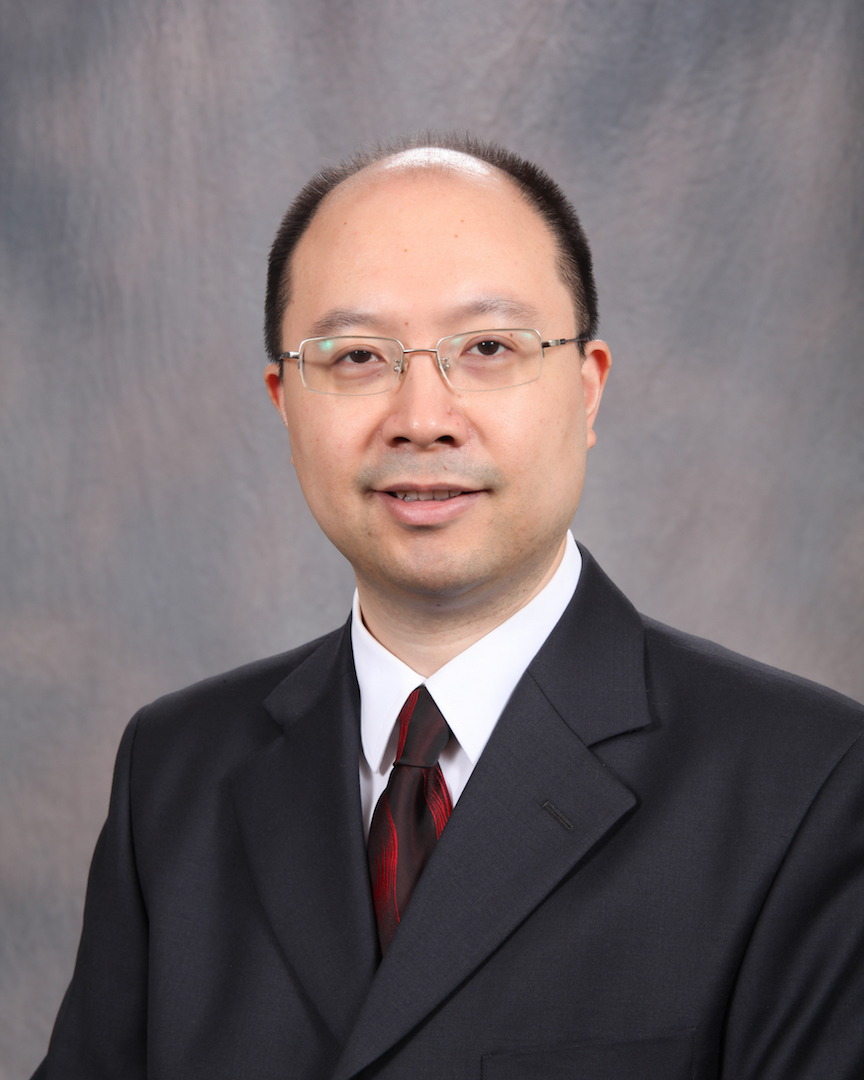
Yang Shen is an Associate Professor in the Department of Electrical and Computer Engineering at Texas A&M University, affiliated with the Department of Computer Science and Engineering and the Institute of Biosciences and Technology. He holds a B.E. in Automation from the University of Science and Technology of China (2002) and a Ph.D. in Systems Engineering from Boston University (2008). His research focuses on algorithms for modeling biological molecules, systems, and data, with applications in protein docking, drug design, systems biology, and omics. He has received prestigious awards such as the NSF CAREER Award (2020) and MIRA Award (2017). His work integrates machine learning, optimization, and graph theory to address challenges in computational biology. Notable contributions include generative AI for protein design, interpretable models for compound-protein affinity prediction, and Bayesian active learning for protein docking. Shen has advised numerous students, including Yuning You, Mostafa Karimi, and Arghamitra Talukder, who have received awards like the Chevron Scholarship and NSF Graduate Fellowships. His lab actively collaborates on projects in drug discovery, synthetic biology, and precision medicine. Shen has led funded projects totaling over $3.5 million from NIH and NSF, exploring topics like molecular mechanisms of cancer mutations and AI-driven drug design. He serves on editorial boards for journals like the Journal of Biological Systems and has organized workshops such as the International Workshop on Biomedical Informatics with Optimization and Machine Learning (BOOM). His research bridges computational methods and biological systems, advancing both theory and practical applications in healthcare and biotechnology.
Dr. Jing Zhang is an Assistant Professor in the Department of Computer Science at the University of California, Irvine (UCI), affiliated with the Donald Bren School of Information and Computer Sciences. She holds a Ph.D. in Electrical Engineering and Molecular/Computational Biology from the University of Southern California (2012) and completed postdoctoral training in Computational Biology at Yale University. Her research focuses on developing computational methods to unravel gene regulation mechanisms and link genetic variations to diseases, particularly in noncoding regions of the genome. She has contributed extensively to the ENCODE project, co-authoring pivotal studies in Nature and producing over 5,900 experimental datasets. Dr. Zhang’s work bridges engineering, mathematics, and biology, with applications in precision medicine for cancers and psychiatric disorders. She emphasizes the importance of noncoding DNA in disease causation and has pioneered tools like EN-TEx and scENCORE to analyze epigenomes and regulatory elements. Her lab actively seeks to recruit Ph.D. students, postdocs, and interns to advance genomic technologies. Key research areas include single-cell and spatial transcriptomics, gene regulatory networks, and computational methods for multi-omics data integration. Despite pandemic-related challenges, she maintains strong collaborations and teaches courses in bioinformatics. Her future goals include expanding lab interactions and applying computational models to predict disease susceptibility and treatment responses.
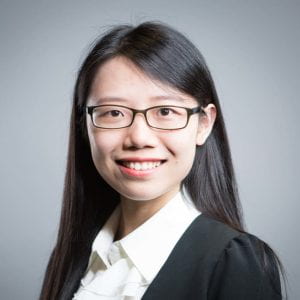
Xu Shi is an Associate Professor in the Department of Biostatistics at the University of Michigan. Previously, they held a postdoctoral fellowship at Harvard’s Data Science Initiative (2017) under Tianxi Cai and Eric Tchetgen Tchetgen. Their research focuses on statistical methods for administrative healthcare data, electronic health records (EHR), and causal inference. Key projects include developing scalable pipelines for EHR curation, causal inference methods for comparative effectiveness studies, and co-leading the FDA’s Sentinel Initiative Innovation Center’s Causal Inference Core. Education: Ph.D. in Biostatistics from University of Washington (201?), B.S. in Mathematics & Applied Mathematics from Zhejiang University, China. Research emphasizes harmonizing distributed EHR data, addressing unmeasured confounding in air pollution studies, and rare adverse event analysis through flexible propensity score methods. They also explore medical knowledge extraction from ICD code patterns and natural indirect effect estimation robust to measurement errors. Awards: None explicitly listed. Grants & Advising: No specific grants or students listed, but their work involves collaborative initiatives like the FDA Sentinel Program. Labs/Teams: Active in the Causal Inference Core and distributed healthcare data partnerships with institutions like Henry Ford Health System and Kaiser Permanente.
Kirk W. Deitsch is a Professor of Microbiology and Immunology at Weill Cornell Medicine , where he leads research on Plasmodium falciparum pathogenesis. His work focuses on gene regulation and antigenic variation through the var gene family, which enables immune evasion by malaria parasites. Department of Microbiology and Immunology, Weill Cornell Medicine Research spans molecular mechanisms of var gene switching and immune avoidance Investigates genome plasticity via DNA repair and telomere dynamics His laboratory explores how chromatin structure and DNA double-strand break repair contribute to antigenic diversity. Recent studies highlight the role of transcriptional plasticity and epigenetic memory in malaria pathogenesis. Key findings include insights into mitotic recombination and environmental sensing for immune evasion. Notable article trends include: 2025 work on scRNA-seq for var gene plasticity 2024 analysis of var gene evolutionary importance 2023 studies on sexual differentiation epigenetics and environmental response 2022 reviews of antigenic variation mechanisms 2021 investigations into telomere dynamics His research team has secured multiple National Institute of Allergy & Infectious Diseases grants to study transcriptional switching networks and genome diversification. The lab also examines Plasmodium -host interactions and applications of CRISPR-Cas9 in malaria genetics.
Dr. Saima Riazuddin is a Professor at the University of Maryland School of Medicine, with joint appointments in Otorhinolaryngology-Head & Neck Surgery and Biochemistry & Molecular Biology. Her research focuses on the molecular genetics of inherited disorders, particularly hearing loss, vestibular dysfunction, intellectual disability, and Usher syndrome, utilizing human genetics, mouse models, and zebrafish models to identify disease-causing genes and elucidate their functional mechanisms. PhD in Molecular Genetics (University of Punjab, Pakistan) MPH in Leadership Management & Policy (University of Cincinnati) MBA in Business Administration (University of Cincinnati) Her lab investigates the genetic factors determining hearing sensitivity, pathogenic mutations affecting ear/eye structure, and molecular mechanisms of auditory/vision functions. Publications in Nature Genetics , Cell , and Molecular Psychiatry highlight discoveries in genes like TRIOBP , CIB2 , and ELMOD3 linked to deafness syndromes. Scientific accolades include the Medal of Honor from Pakistan's President. Research spans linkage analysis, functional gene characterization, and therapeutic design for genetic hearing/visual impairments.
Dr. Rafet Al-Tobasei serves as an Associate Professor in the Department of Computer Science at Middle Tennessee State University (MTSU), where he applies computational methodologies to solve complex biological problems in aquaculture species. His research bridges computer science and genomics to address critical challenges in fisheries science and genetic improvement programs. His academic credentials include: Ph.D. in Computer Science, Middle Tennessee State University (2017) M.A. in Computer Science, Middle Tennessee State University (2011) M.S. in Computer Science, Middle Tennessee State University (2011) B.S. in Computer Science, Tennessee State University (2007) Dr. Al-Tobasei's research program focuses on developing and implementing bioinformatics tools for aquaculture genomics, with particular emphasis on rainbow trout and Nile tilapia. His expertise spans RNA sequencing analysis, Genome-Wide Association Studies (GWAS), Single Nucleotide Polymorphism (SNP) discovery, Long non-coding RNA (lncRNA) characterization, DNA methylation profiling, and Chromatin Immunoprecipitation Sequencing (ChIP-Seq) data interpretation. He investigates molecular mechanisms underlying economically important traits including muscle growth, fillet quality, disease resistance, and stress response. Analysis of his publication record reveals consistent thematic progression in aquaculture genomics: early work established foundational genomic resources for rainbow trout, followed by sophisticated GWAS applications for trait mapping, and recent integration of multi-omics approaches (transcriptomics, epigenomics, and lipidomics). His research increasingly emphasizes practical breeding applications, with significant contributions to genomic selection methodologies using reduced-density SNP panels and advanced statistical models. While specific awards and grants aren't documented in the source material, his extensive publication record in high-impact journals like BMC Genomics and Scientific Reports demonstrates substantial scholarly impact. His collaborative network spans multiple institutions and includes frequent co-authorship with leading aquaculture geneticists, indicating active participation in the research community and likely involvement in mentoring graduate students through research projects.
Matthieu Defrance is an Associate Professor in the Computer Science Department at Université Libre de Bruxelles (ULB), Belgium, a position he has held since October 2016. Prior to this, he worked as a PostDoc at ULB's Laboratory of Cancer Epigenetics from May 2010 to September 2016. Dr. Defrance's research bridges computer science with biological sciences, focusing on computational methods for analyzing complex biological data. His work spans epigenetics, genomics, and algorithm development for biological applications. His primary research interests include: Gene Regulation and Chromatin Biology Epigenetics and Epigenomics DNA Methylation analysis Computational Statistics for biological data Algorithm Development for genomic applications Next Generation Sequencing data analysis Dr. Defrance's publication record demonstrates a strong interdisciplinary approach, with recent work focusing on improving DNA methylation analysis techniques, developing novel bioinformatics tools like RedRibbon for gene expression signature comparison, and applying these methods to understand diseases like diabetes and cancer. His research shows consistent innovation in computational biology, with publications spanning from method development to biological applications across diverse fields including diabetes genetics, cancer epigenetics, and evolutionary adaptations in desert ants. With 61 publications and nearly 5,000 citations, Dr. Defrance has established himself as a significant contributor to computational biology and epigenetics research.
Scott V. Edwards is a Professor of Organismic and Evolutionary Biology and Alexander Agassiz Professor of Zoology at Harvard University, holding dual affiliations with the Department of Organismic and Evolutionary Biology and the Museum of Comparative Zoology (MCZ). He serves as Chair of the Department of Organismic and Evolutionary Biology and leads the Edwards Lab, which integrates fieldwork, museum specimens, and genomic approaches to study avian diversity, evolution, and behavior. His research emphasizes population genetics, systematics, and natural history, focusing on speciation, genome evolution, and ecological adaptation. Education: Not explicitly listed in provided texts. Research interests include avian genomics, convergent evolution, conservation genetics, and the evolutionary basis of morphological and behavioral traits. Edwards advocates for natural history collections as critical resources for modern science and conservation. His lab explores topics like flightlessness in birds, plastic pollution impacts, and genomic underpinnings of adaptation. He teaches courses such as Molecular Ecology and Evolution and Biology and Diversity of Birds. Edwards collaborates globally on projects like the Avian Phylogenomics Project and contributes to initiatives like the Earth BioGenome Project. His work bridges evolutionary theory with applied conservation, emphasizing the synergy between genomic data and ecological insights.
Rafael Pinilla-Redondo is an Assistant Professor in the Department of Biology at the University of Copenhagen's Faculty of Science, where he leads the Bacterial Immunity research group within the Section of Microbiology. His laboratory, located at Universitetsparken 15 in Copenhagen, focuses on the molecular mechanisms of bacterial defense systems against phages. His research interests center on bacterial immunity, particularly how CRISPR-Cas and other bacterial immune systems evolve and function. He investigates the molecular mechanisms driving these complex systems to answer fundamental biological questions and develop novel biotechnologies. His work spans phage biology, molecular evolution, molecular biology, and genetics, with a specific emphasis on bacterial defense mechanisms against viral threats. Dr. Pinilla-Redondo's recent publications demonstrate significant contributions to understanding bacterial immune systems, particularly CRISPR-Cas variants, retrons, and other defense mechanisms. His research shows strong trends in structural biology approaches to understanding immune system function, with increasing focus on the supramolecular organization of defense complexes and their evolutionary implications. Villum Young Investigator grant (2023) His laboratory maintains active collaborations across multiple institutions, as evidenced by the international authorship on his publications. The lab has developed specialized software tools including CRISPR-Cas Typer for automated identification of CRISPR-Cas loci, Plasmid Network for exploring the global plasmidome, and Hoodini (coming soon) for genome neighborhood visualization. His work has received significant attention, with multiple papers picked up by news outlets, blogged about, and widely shared on social media platforms. The Pinilla-Redondo Lab is part of the vibrant microbiology research community at the University of Copenhagen, focusing on the evolutionary arms race between bacteria and their viral predators.
Dr. Meixia Zhao is an Assistant Professor in the Department of Microbiology & Cell Science at the University of Florida. Previously, she held positions at Miami University (2018–2022) and was a postdoctoral researcher at Purdue University (2013–2017). She earned her PhD in Biochemistry and Molecular Biology from the Chinese Academy of Agricultural Sciences, with a visiting PhD in Plant Genetics at Purdue University. Her research focuses on using computational and functional genomic approaches to study genome evolution, epigenetic regulation of meiotic recombination, and plant-microorganism interactions in maize and soybean. Key areas include transposable element function, epigenetic silencing mechanisms, and disease resistance pathways. Her lab investigates mechanisms underlying maize and soybean immunity to pathogens like Phytophthora sansomeana , leveraging comparative genomics, epigenomics, and transcriptomics. Recent studies explore the role of DNA methylation, small RNAs, and histone modifications in regulating plant defense responses. She also examines sex-specific differences in meiotic recombination and the evolutionary consequences of polyploidization. Dr. Zhao has mentored over 20 graduate and undergraduate students, including those in the Plant Molecular and Cellular Biology (PMCB) program. Her work has been published in high-impact journals, focusing on topics like transposable element silencing, epigenetic variation, and crop disease resistance. The Zhao Lab collaborates with other groups to advance understanding of plant-microbe interactions and translational applications in agriculture.
Dr. John Shaffer is an Assistant Professor at the University of Pittsburgh School of Dental Medicine, specializing in genetic research. His work focuses on applying statistical and bioinformatics methods to understand genetic contributors to complex diseases like orofacial clefts, dental caries, and craniofacial phenotypes. He explores epigenetic mechanisms, gene-environment interactions, and 3D morphological analysis. Education: PhD in Human Genetics, University of Pittsburgh (2008). Research interests include: Heritability and linkage analysis Genetic architecture of craniofacial traits Epigenomic studies in cancer and neurotrauma recovery Public health disparities in oral care Genetic epidemiology of dental diseases Publications highlight advancements in: Cranial vault morphology genetics Orofacial cleft risk loci identification Genetic basis of dental caries Environmental influences on oral health Collaborations include the GLIDE2 oral health genomics consortium and multi-ethnic GWAS initiatives.