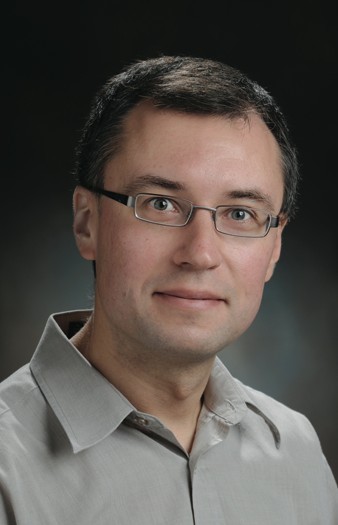
Dr. Krishan Rana is a Research Fellow at the QUT Centre for Robotics, specializing in robot learning at the intersection of AI and robotics. His work focuses on enabling robots to intelligently plan and interact with the world, particularly through projects like From Chat to Chores: The Future of LLM-Powered Service Robots and Robot Learning for Everyday Tasks with Large Language Models . He explores reinforcement learning, visuomotor control, and sim-to-real policy deployment. His research interests include robot navigation, policy learning, and embodied AI, with applications in service robotics and medical imaging. He leads projects involving semantic maps, affordance-centric task frames, and multi-modal perception. His work bridges theoretical advancements with practical deployments in dynamic environments. Recent contributions include developing datasets like LHManip for cluttered manipulation tasks and Robohop for visual navigation. He collaborates on open-source robotics tools through initiatives like Open X-Embodiment. His research emphasizes scalability, sample efficiency, and integration of large language models into robotic systems.
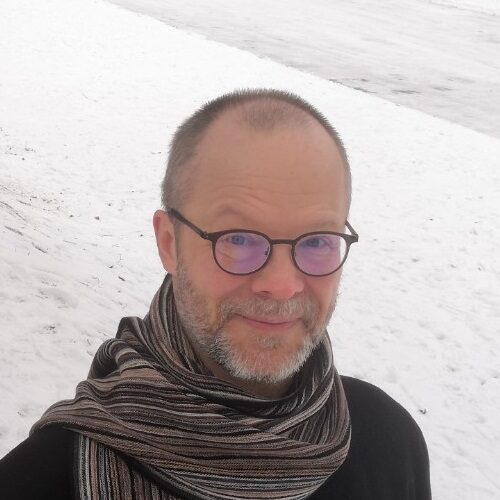
Frode Flemsæter is a Professor at the Department of Geography and Social Anthropology, Norwegian University of Science and Technology (NTNU). His research focuses on rural and regional geography, emphasizing landscape management, land use conflicts, and the intersection of cultural and natural resource valuation. He holds a doctoral degree (2009) from NTNU's Department of Geography. His work explores spatial justice, property rights, and environmental governance in contested landscapes such as mountains and outfields (utmark). Key research areas include: land use planning, cultural resource management, and the socio-ecological implications of resource revaluation. He has authored/co-authored books like Utmark i endring (2021) and contributed to high-impact journals such as Journal of Rural Studies and Geoforum . Recent projects include studies on cumulative social effects in outfield management and VR integration in educational practices. Teaching responsibilities include courses on urban/regional development (GEOG2021), qualitative methods (GEOG2014), and introductory human geography (GEOG1011). He actively participates in outreach activities, including lectures at Viken Fylkeskommune (2023) and academic podcasts (2022).
Andrei Frolov is an Assistant Professor in the Department of Physics at Simon Fraser University, Canada. His research focuses on theoretical cosmology, gravitational physics, and black hole dynamics. He holds a PhD from the University of Alberta and has held postdoctoral positions at Stanford University and the Canadian Institute for Theoretical Astrophysics (CITA). Frolov’s work spans cosmological models of inflation, observational tests of early universe theories, and numerical relativity simulations. He is affiliated with the Cosmology Group at SFU and has contributed to major international projects like the Planck mission, earning awards such as the 2019 Cocconi Prize and Gruber Cosmology Prize. His research group advises PhD and MSc students exploring topics like black hole evaporation, cosmic microwave background (CMB) foregrounds, and gravitational lensing. Education: BSc (Honors) in Physics from Moscow State University and University of Alberta; PhD in Physics from University of Alberta (2000). Research Themes: Early universe physics, modified gravity, numerical relativity, CMB analysis, and astrophysical foreground modeling. Awards: 2019 ESA Planck Mission Contribution Award, 2018 Gruber Cosmology Prize, and Marcel Grossmann Award (2018). Grants & Collaborations: Involved in Simons Observatory and CMB-S4 initiatives, focusing on galactic science and instrumentation. Labs/Teams: Leading the Cosmology Group at SFU, collaborating internationally on CMB analysis and gravitational physics.
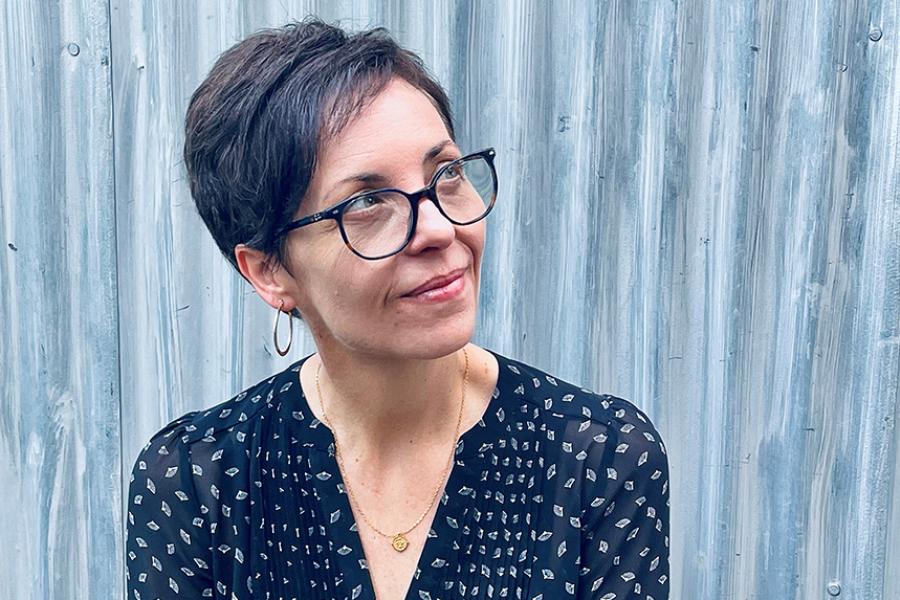
Soulé Déesse is a Haitian-American interdisciplinary artist and educator, currently serving as Professor of the Practice and Chair of Drawing and Painting at the School of the Museum of Fine Arts (SMFA) at Tufts University. Her work merges Afrofuturism, Vodou spirituality, and global Baroque aesthetics to explore identity, displacement, and social justice. Educational Background: BFA in Drawing and Painting & BA in Psychology (Wayne State University, Detroit) MFA (Tyler School of Art and Architecture, Philadelphia) Research Interests: Afrobaroque, digital Vodunism, colorism, post-human identity, and the interplay between tradition and technology. Her work challenges colonial legacies and promotes cross-cultural empathy through multimedia installations, video paintings, and performance. Exhibitions & Awards: Showcased globally: Indianapolis Museum of Contemporary Art, Mahmoud Darwish Museum (Palestine), Bogotá Arte Contemporaneo, and others. Awards: Best of Show (Migrations Film Festival), Yaddo Residency Grant, and a pending nomination for the Anonymous Was A Woman Award. Key Themes in Work: Reclaiming marginalized narratives, confronting colorism, and exploring ancestral wisdom through installations like Aphrocene (2023) and Granmé (2021–24). Her work often blends sculpture, video, and experimental sound to create immersive, thought-provoking experiences. Teaching & Leadership: As Chair of Drawing and Painting at SMFA, she fosters interdisciplinary creativity and critical dialogue in her courses, emphasizing the role of art in social change.
Joseph J. LaViola Jr. is a Professor at the University of Central Florida , specializing in Human-Computer Interaction , Virtual Reality , and 3D User Interface Design . With over two decades of research, his work bridges computer graphics and immersive technologies for applications in gaming, education, and engineering.
Fredrik Sundt Breien is an Associate Professor at SLATE (Sustainable Learning and Technology Environment) at the University of Bergen. His research focuses on game-based learning, narrative design in digital environments, and mixed-reality applications in education. He has contributed to frameworks like eLuna for collaborative STEAM education and explored narrative structures in serious games. His work integrates multidisciplinary approaches, combining computer science, educational psychology, and design principles. Key areas include usability of 3D criminal archives in AR, co-design methodologies for learning trails, and the impact of linear vs. non-linear narratives on educational outcomes. Breien's publications span journals like Frontiers in Education and Springer Nature, addressing topics such as engagement metrics in digital learning and cognitive modeling in game-based systems. His research emphasizes practical tools for educators and measurable learning outcomes through innovative technologies.
Markku Hauta-Kasari is the 1st Vice Dean and a Professor of Computer Science at the University of Eastern Finland (UEF), affiliated with the School of Computing under the Faculty of Science, Forestry and Technology. He holds a MSc (1994) and PhD (1999) in computer science and information processing from the University of Kuopio and Lappeenranta University of Technology, respectively. His career includes roles as Director of InFotonics Center Joensuu (2003–2010) and Head of the School of Computing (2014–2021). As a researcher, he focuses on spectral color science, pattern recognition, and computer vision with applications in biomedical imaging, material analysis, and clinical diagnostics. His work bridges academia and industry through projects like the BioColour Library and the ODSI-DB dental imaging database. Key research areas include hyperspectral imaging for tumor detection, spectral analysis of biological tissues, and optimizing light sources for medical visualization. He has led over 50 peer-reviewed publications and contributed to international collaborations, including visiting research roles in Japan. He chairs the Pattern Recognition Society of Finland and the CIE TC8-07 Technical Committee on Multispectral Imaging. Hauta-Kasari’s innovations span clinical tools like real-time spectral imaging systems for neurosurgery and dental diagnostics, leveraging machine learning for improved diagnostic accuracy. His laboratories emphasize interdisciplinary approaches to solve challenges in medicine, forestry, and material science.
Simon Hobbs is a Senior Lecturer in Visual Culture at the School of Architecture, Art and Design, Faculty of Creative & Cultural Industries, University of Portsmouth. He holds a PhD, MA, and BA in Film Studies from the same institution and has been teaching since 2017, promoted to Senior Lecturer in 2019. His academic work bridges film studies, visual culture, and material culture, with a focus on cultural taste, extreme cinema, and audience practices. PhD in Film Studies, University of Portsmouth (2014) MA in Film and Television Studies, University of Portsmouth BA (Hons) in Film Studies, University of Portsmouth His research explores the intersections between highbrow art cinema and lowbrow exploitation genres, particularly horror and extreme cinema. He investigates how paratexts—such as DVD covers, trailers, and streaming interfaces—frame audience expectations and shape cultural reception. His work also delves into film fandom, collecting practices, and the materiality of media objects. Recently, he has expanded into digital true crime cultures, examining ethical dimensions of content on platforms like TikTok and YouTube, and how audiences engage critically with violent narratives. Simon Hobbs’s recent publications reveal a strong trend toward digital culture, media ethics, and participatory fandom. His work connects historical media forms (like home video) with contemporary digital platforms, showing continuity in how audiences negotiate taste, transgression, and identity. Themes of sustainability and second-hand consumption—especially through car boot sales—emerge as newer research directions, reflecting broader societal concerns. His notable scientific contributions include the book Cultivating Extreme Art Cinema: Text, Paratext and Home Video Culture (2018) and co-editing #TrueCrime: Digital Culture, Ethics and True Crime Audiences (forthcoming 2024). He has contributed expert commentary to media outlets such as El País and the documentary series Cursed Films , and has presented at major academic events including BAFTSS and Solent University. Simon Hobbs actively supervises postgraduate research and welcomes PhD students working on material culture, film fandom, collecting, cultural taste, and extreme cinema. He is involved in public engagement through invited talks, panel discussions (e.g., on horror monsters and villains), and collaborations with non-academic organizations like The Spring Arts and Heritage Centre. His current projects emphasize sustainability, digital activism, and the evolving ethics of true crime media consumption.
Matt Bellingham is a Senior Lecturer and Academic Lead at the School of Film, Media and Creative Technologies within the Faculty of Creative & Cultural Industries at the University of Portsmouth. He serves as Course Leader for the BA (Hons) and BSc (Hons) Creative Computing degrees. Previously, he held the position of Senior Lecturer and Course Leader at the University of Wolverhampton from 2012 to 2022, and has also served as an external examiner and academic at institutions including the University of South Wales, University of West London, and University College Cork. Education: Ph.D., Open University (2022): Choosers: A Visual Programming Language for Nondeterministic Music Composition by Non-Programmers MSc in Music Technology, University of Wolverhampton (2012) PGCE (Post-Compulsory Education), Wrexham Glyndŵr University (2002) BA (Hons) Popular Music and Recording, University of Salford (1996) His research focuses on creating accessible tools for creatives, particularly in audio and music programming, to enable non-programmers to engage in algorithmic music composition. His work integrates cognitive dimensions of interaction design to improve usability and expressiveness in creative software. He explores visual programming languages that reduce or eliminate the need for traditional coding, empowering artists and musicians with intuitive systems. The trend in his recent publications centers on the development and evaluation of the "Choosers" system—a visual programming language designed for non-programmers to create algorithmic music. His research spans cognitive usability, expressive design, and pedagogical applications in music technology. Key themes include accessibility, end-user development, and the intersection of music and computer science. Scientific Awards: Senior Fellow of the Higher Education Academy (SFHEA) He supervises postgraduate students and is accepting PhD candidates. He has led research projects such as the 2023 "Sprint Project: AI and Machine Learning for Sound Design" and has contributed to curriculum development across Europe as a consultant. His industry experience in music and pro audio informs his academic practice. He is a member of the Psychology of Programming Interest Group (PPIG) and has delivered invited talks on open web learning and music technology pedagogy. His work bridges academia and creative practice, focusing on innovation in music computing education and tool design.
Professor Catherine Bennett is a Deakin Distinguished Professor and Chair in Epidemiology at Deakin University, affiliated with the Faculty of Health, School of Health and Social Development, and the Institute for Health Transformation. She is a leading expert in quantitative infectious diseases epidemiology, public health, and pandemic response, with a strong focus on research, teaching, and leadership. Doctor of Philosophy, La Trobe University Master of Applied Epidemiology, Australian National University Bachelor of Science, La Trobe University Her research spans infectious disease transmission, public health policy, digital health, and risk communication. She leads major international collaborations such as the C-MOR Research Consortium on excess mortality and works with Denmark’s Staten Serum Institute on Staphylococcus genomics. She also investigates mis/disinformation using AI and leads studies on pelvic pain in youth and pandemic quarantine systems. Her recent publications highlight trends in excess mortality, pandemic communication, digital health tools, and health equity, reflecting a multidisciplinary and globally relevant research agenda. Her work combines epidemiological rigor with policy impact and innovative methodologies. Journal of Public Health Research and Practice Excellence Awards - Highly Commended in Best Paper Category (2022) Conferred Alfred Deakin Professor (2019) Vice-Chancellor's Award for Outstanding Contribution to Student Wellbeing and Safety, Deakin University (2019) Australian Community Leadership Award, Unisport Australia (2018) Strategic Achievement Award, CAPHIA (2017) Vice Chancellor’s Award for Student and Staff Wellbeing, Deakin (2015) David White Award for Excellence in Teaching, University of Melbourne (2008) Australian Award for University Teaching (2008) Professor Bennett actively supervises PhD and Masters students across diverse topics including pandemic quarantine, oral cancer in India, and bravery award impacts. She has secured significant grant funding from NHMRC, DFAT, and industry partners. Her leadership includes founding CAPHIA and driving Deakin’s smoke-free and alcohol culture change initiatives. She is involved in multiple research teams, including the C-MOR Research Consortium and collaborations with Deakin’s AI specialists and the Murdoch Children’s Research Institute, advancing interdisciplinary public health innovation.
Vanessa Warne is a Professor in the Department of English, Theatre, Film & Media at the Faculty of Arts, University of Manitoba, where she has taught and researched nineteenth-century literature for over two decades. Her work bridges literary studies with disability studies, the history of the book, and material culture. Education: PhD in English, Queen's University, 2001 MA in English, Queen's University, 1996 BA Honours in English, Queen's University, 1995 Her research focuses on critical disability studies—especially blindness studies—the history of raised-print books, tactile reading, and the representation of museums and material culture in Victorian literature. She explores how blind and visually impaired readers engaged with literature and how sensory experience shapes cultural production. Her interdisciplinary approach integrates literary analysis, archival research, and public humanities. The selected publications reflect a sustained inquiry into blindness as both a sensory condition and a cultural construct. Themes include tactile cartography, non-visual culture, accessibility in museum spaces, and the design of early print systems for blind readers. Her work spans British, American, and Canadian contexts, with increasing attention to transnational networks of disability knowledge. Scientific Awards: University of Manitoba, Student’s Teachers Recognition Award (2018) University of Manitoba, Dr. and Mrs. Ralph Campbell Outreach Award (2015) Olive Beatrice Stanton Award for Excellence in Teaching (2008) Merit Award for Teaching (2008) Graduate Students’ Association Award for Excellence in Graduate Teaching (2007) Warne is actively involved in graduate education, currently accepting Master’s and PhD students. She co-directs the Crafting Communities research project and has led pedagogical initiatives using open educational resources during the pandemic. Her outreach includes co-organizing conferences on blindness studies and curating accessible exhibitions on tactile print and Victorian material culture. She co-hosts the podcast Victorian Samplings , which explores nineteenth-century material culture through interviews with scholars, artists, and curators. She has also co-curated digital and physical exhibitions such as Victorian Things and Books Without Ink: Blindness, Reading and Writing, 1830–1930 , emphasizing accessibility and public engagement.
Dr. Philip Beeley is a Senior Lecturer in the Department of Philosophy at the University of Tübingen, specializing in the history of philosophy and science in the early modern period. He holds academic affiliations including General Editor of Leonhard Euler's Opera Omnia (Reihe IV/A) and membership in the Bernoulli-Euler Commission and the British Society for the History of Mathematics (BSHM). His research focuses on intellectual networks, correspondence studies, and the communication of knowledge in early modern Europe, with a particular emphasis on figures like John Wallis and Leibniz. Beeley received his Dr. phil. from TU Berlin (1993) and MA/BA degrees from TU Berlin and Bangor University, focusing on philosophy, mathematics, and pedagogy. He has held research fellowships funded by AHRC, the Andrew W. Mellon Foundation, and others, notably leading projects on mathematical culture in Restoration England and the 'Cultures of Knowledge' digital initiative. His extensive editorial work includes volumes on Wallis's correspondence and Leibniz's manuscripts. His research interests span early modern scientific communication, book history, and the interplay between mathematics and philosophy. Notable publications include studies on Leibniz's intellectual networks, Wallis's contributions to mathematics, and the reception of ancient mathematical texts. Beeley has organized numerous international conferences, including events on John Wallis, Leibniz, and the history of mathematical practices. His work bridges historiography with digital humanities, exploring how archival materials can reveal historical knowledge networks. Beeley's academic service includes roles at Oxford's History Faculty, editorial boards for journals like Notes & Records , and peer review for major presses. He has delivered invited lectures globally, addressing topics such as Euler's correspondence, Leibniz's mathematical philosophy, and the role of early modern scientific periodicals.
Ulrich Meurer is a Visiting Professor at the Central European University (CEU) in Vienna, affiliated with the Visual Studies Platform and teaching in the BA program 'Culture, Politics, and Society'. He holds a PhD in American and Media/Film Studies from the University of Konstanz. His academic journey includes roles as Assistant Professor at the University of Leipzig, Associate Professor at the University of Vienna, and research fellowships at institutions like Princeton University and the Hellenic Institute for Byzantine Studies in Venice. Meurer's research focuses on media philosophy, visual theory, and film archaeology. Current projects explore 'philocracy' (politics of friendship in US media) and Byzantine visuality's impact on contemporary screen media. He has authored books such as Topographies (2007) and edited volumes like Translation and Film (2012). His work bridges media history, classics, and political theory. Notable awards include the Karsten Witte Prize (2018) and the City of Konstanz Prize (2004/05). He is active in academic organizations like the European Network for Cinema and Media Studies (NECS). His teaching spans courses on migration, cultural studies, and image theory. Professional service includes membership in CEU's AI Ethics Commission and peer review roles for academic journals. Meurer's interdisciplinary work integrates film, philosophy, and classical studies, reflecting a commitment to rethinking media's historical and political dimensions.
Dr. Agata Waszkiewicz is an Assistant Professor at the Department of American Literature and Culture, Institute of Literary Studies, John Paul II Catholic University of Lublin. Her research bridges literary theory and game studies, focusing on the intersection of narrative, visual aesthetics, and interactive media. Research Interests include: Game Studies Digital Humanities Comparative Literature Interactive Media Recent Publications highlight her exploration of: Ontological boundaries in narrative-driven games Metaleptic and palimpsestic storytelling Cozy horror as a counter-aesthetic Queer and non-normative identity representations Postmodern metafiction in digital spaces Preservation challenges in game history Conference Presentations include talks at the Games and Literary Theory 2024 Conference in Rouen.
Prof. Krzysztof Molenda is a Professor of Fine Arts at the University of Arts in Poznań, holding a leadership role in the Publishing Workshop since 2011 within the Faculty of Graphic Arts and Visual Communication. With 36 years of teaching experience, he actively instructs in graphic arts workshops covering metal techniques and relief printing while bridging artistic practice with technical publishing education. His research centers on the synthesis of traditional graphic arts with digital innovation, explicitly exploring woodcut, linocut, and metal techniques alongside digital image processing and photography. Molenda investigates how visual representations embody reality through emotional and physical surroundings, focusing on contemporary trends in art and graphic design within broader cultural contexts. His practice emphasizes intuitive craft processes and the fusion of manual techniques with digital tools to create new expressive pathways. Artistic output reveals a clear trajectory: 2017 oil paintings (e.g., Labyrinth , Trace ) examine spatial/temporal concepts on large canvases, while 2013 works like Transformation and Broken Figure combine woodcut/monotype with digital print. This demonstrates consistent engagement with both traditional printmaking media and modern publishing technologies. Scientific Awards: No specific awards, fellowships, or medals are documented in the source text. Advising and Grants: Molenda has mentored students for 36 years in graphic design, printing techniques, and computer science applications for publishing. His workshops cover technical preparation for albums, catalogues, and books, though no grant funding or formal student names are listed. Labs and Teams: He directs the Publishing Workshop at the Faculty of Graphic Arts and Visual Communication, which handles design, typesetting, and print production. This team actively experiments with traditional graphic media and digital tools, supporting both artistic creation and publication workflows.