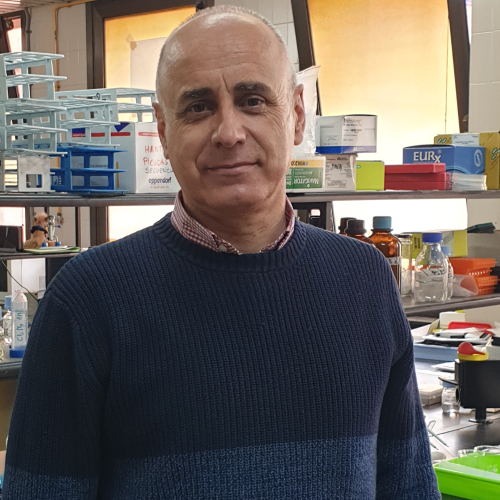
Valerio Di Carlo is a researcher at the Institute for Bioengineering of Catalonia (IBEC), actively contributing to cutting-edge interdisciplinary research at the intersection of bioengineering, nanotechnology, and medical applications. His work focuses on developing innovative nanobot systems for targeted therapies, particularly in overcoming physiological barriers like mucus for drug delivery, with recent breakthroughs in bladder cancer treatment and antimicrobial resistance. Institution: Institute for Bioengineering of Catalonia (IBEC) Research Groups: Smart Nano-Bio-Devices His research spans Nanotechnology , Bioengineering , and Biomedical Applications , with a strong emphasis on Enzymatic Nanobots for Cancer Therapy , Gene Delivery , and Mucosal Barrier Penetration . Recent publications highlight collaborations with institutions like Antoni Muntadas and clinical partners under IBEC's Open Innovation Lab initiatives. Key trends in his publications include Nanobot propulsion using enzymatic catalysis (urease, catalase), radionuclide delivery for cancer therapy , and overcoming antimicrobial resistance via hyaluronic acid systems. Earlier work explores epigenetic regulation in developmental disorders and RNA biology in neurodegenerative diseases. Valerio collaborates extensively with researchers such as Samuel Sánchez, Celia Prado-Morales, and Maria Serra-Casablancas, contributing to multidisciplinary projects like Fibrosens (muscular dystrophy sensors) and CHEMTUBIO (enzymes with therapeutic potential). His work bridges fundamental research and translational applications through IBEC's technology transfer initiatives. Current projects at IBEC include collaborations with hospitals and industry partners, aiming to translate nanobioengineering advancements into clinical solutions. His affiliations extend to thematic networks and visiting researcher programs, reflecting IBEC's commitment to open innovation and societal impact.