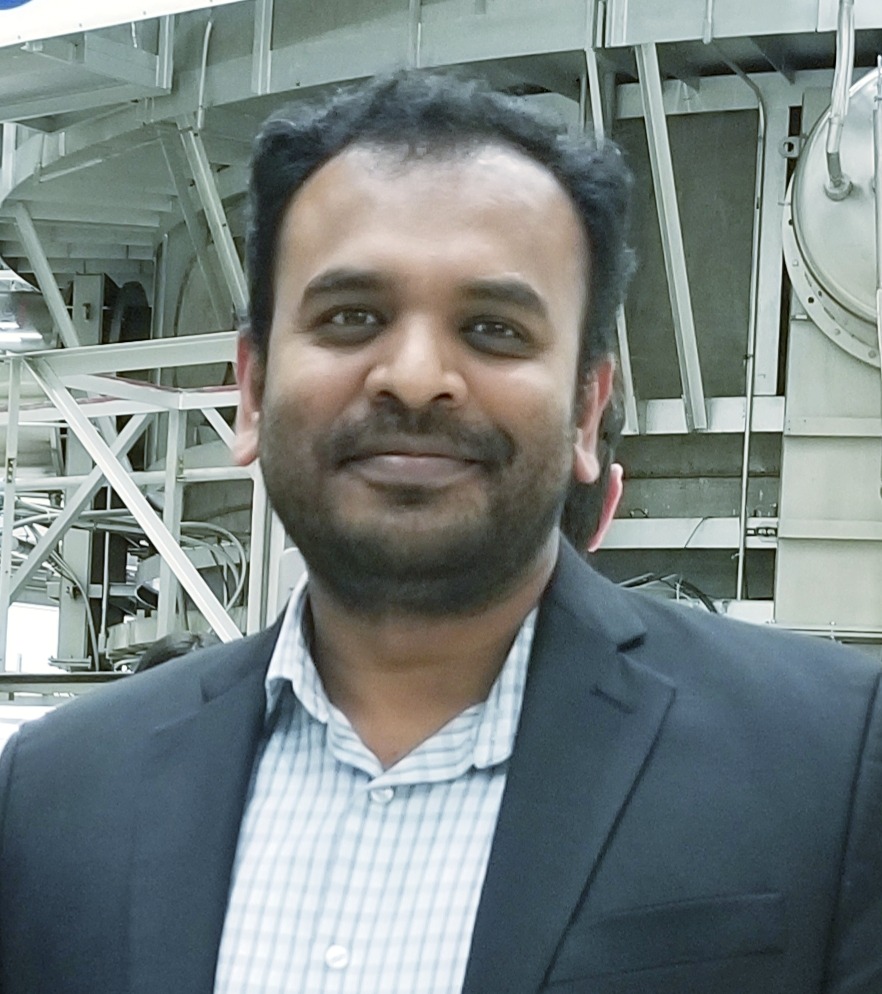
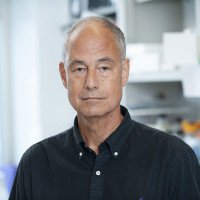
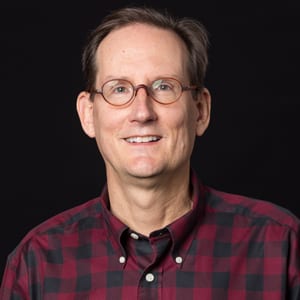
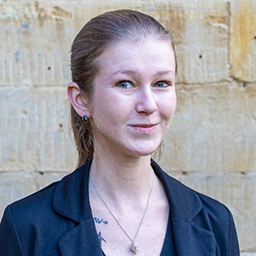
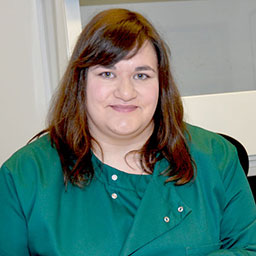
Irfan A. Asangani, Ph.D., is an Associate Professor of Cancer Biology at the Perelman School of Medicine, University of Pennsylvania, and an Assistant Investigator at the Abramson Family Cancer Research Institute. He leads the Laboratory of Cancer Epigenetics, focusing on chromatin regulators and transcriptional addiction in cancer cells. Core Member, Penn Epigenetics Institute Member, Abramson Cancer Center Research Expertise: Dr. Asangani's lab explores how epigenetic regulators like chromatin-modifying enzymes interact with transcription factors to drive cancer progression. Key areas include: Mechanisms of resistance to targeted therapies Role of non-coding RNA in chromatin structure Androgen receptor signaling in prostate cancer Therapeutic targeting of enhancer complexes The lab translates discoveries into diagnostic, prognostic, and therapeutic solutions, particularly for castration-resistant prostate cancer (CRPC). Recent work on NSD2 and LCMT1 has advanced understanding of AR/FOXA1 neo-enhanceosomes and PP2A heterotrimerization in therapy resistance. Scientific Awards: Abramson Family Cancer Research Institute Assistant Investigator Penn Epigenetics Institute Core Member Students: His lab trains graduate students and postdocs in cutting-edge research, including Alexis Jean Morales, Ikram Ullah, and Brijesh Kumar Verma. Collaborations span the Abramson Cancer Center and international genomics consortia.
Dr. Kavitha Sarma is an Associate Professor in the Department of Cell and Developmental Biology at the Perelman School of Medicine, University of Pennsylvania, and holds a joint appointment at The Wistar Institute's Gene Expression and Regulation Program. Her lab is located at The Wistar Institute (Room 234, 3601 Spruce St, Philadelphia). She earned her Ph.D. in Biochemistry from Rutgers University in 2007 and completed postdoctoral training at Massachusetts General Hospital-Harvard Medical School. Her research focuses on RNA-mediated epigenetic regulation, with emphasis on: R-loop biology and their roles in genome stability Non-coding RNA mechanisms in gene silencing Polycomb proteins and chromatin remodeling Neurodevelopmental disorders and cancer epigenetics Development of genomic techniques like MapR for R-loop profiling Her work connects nucleic acid structures (R-loops/G-quadruplexes) to epigenetic regulation and disease mechanisms. Recent publications demonstrate strong emphasis on R-loop dynamics, genome organization, and their implications in neuronal differentiation, B-cell homeostasis, and cancer. Methodological innovations in proximity labeling and strand-specific mapping are consistent themes. Dr. Sarma leads an active research team including postdoctoral fellows, graduate students, and research assistants. Current lab members include: Michelle Lynskey (Postdoc) Phillip Wulfridge (Postdoc) Emanuel Forciniti (Graduate Student) Kelvin Okpokpo (Graduate Student) The lab utilizes embryonic stem cells, neuronal differentiation systems, and cancer models with biochemical and omics approaches. She actively advises trainees and hosts graduate rotations from UPenn programs.
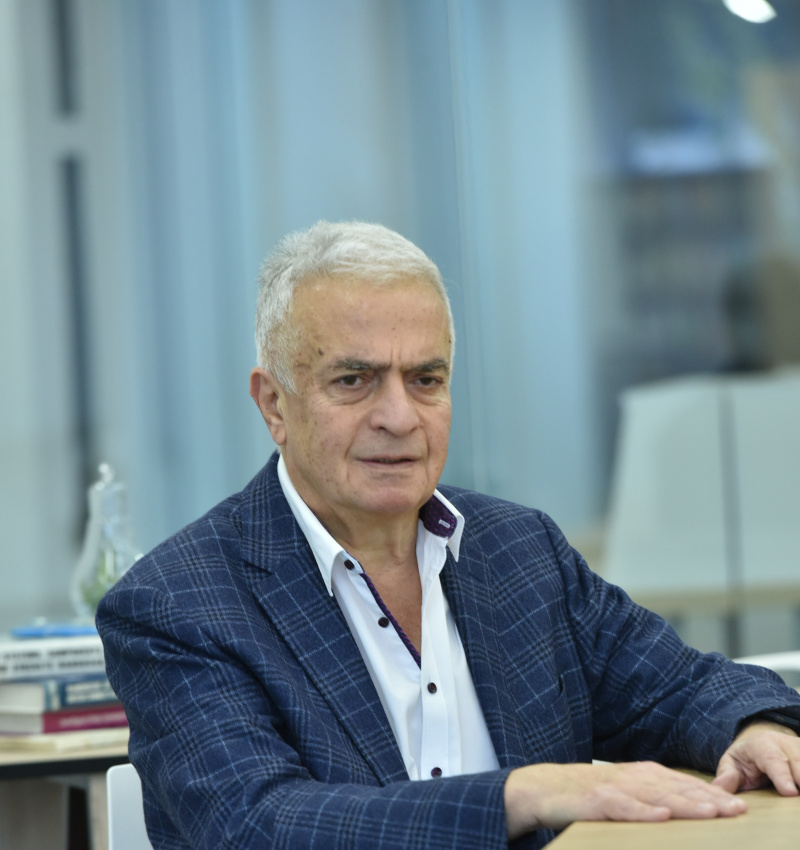
Ruben M. Harutyunyan is Professor and Head of the Department of Genetics and Cytology at Yerevan State University's Faculty of Biology, where he has served since 1972 while also leading the Laboratory of 'General and Molecular Genetics' within the 'Biology' Research Institute. His academic credentials include: Certified specialist from Yerevan State University (Faculty of Biology, Department of Genetics and Cytology), 1964-1969 Candidate of Sciences in Biological Sciences from Yerevan State University, 1972 Doctor of Science from Institute of Medical Genetics, Academy of Medical Sciences of the USSR, Moscow, 1981 Harutyunyan's research centers on mutagenesis and antimutagenesis mechanisms , molecular cytogenetic analysis , and ecotoxicological genetic monitoring . His work investigates DNA damage responses to radiation, chemical mutagens, and environmental stressors using model test systems like Tradescantia and land snails, with significant contributions to understanding cancer genetics and viral pathogenesis. Analysis of his 2021-2025 publications reveals dominant trends in cancer biomarker discovery (particularly circular RNAs and cell-free DNA), environmental genotoxicity assessment in Armenian ecosystems like Lake Sevan, and radiation biology applications including ultrashort electron beam studies. His work consistently bridges fundamental genetic mechanisms with practical environmental and clinical applications. His distinguished recognition includes: Jubilee Medal of the International Association of Academies of Sciences (2022) Gold Medal from Armenia's State Committee for Science (2017) 'Silver Sigma' Award for scientific contribution (2016) Commemorative Medal from Armenia's Prime Minister (2014) Hematology Center Commemorative Medal (2011) Ministry of Education and Science Gold Medal (2009) Academic leadership includes Editor-in-Chief of YSU's 'Scientific Bulletin' (1993-2023), membership on YSU's Professional Council for Biophysics Academic Degrees (2013-2023), Chairmanship of the International Association of Academies of Sciences' Scientific Council (2019-2023), and participation in the International Barcode of Life Consortium. His laboratory continues advancing genetic toxicology research with international collaborations across Russia, Germany, and Switzerland.
Carsten Daub is an Associate Professor ("Docent" in the Swedish academic system) and Principal Researcher at Karolinska Institutet, where he leads the Clinical Transcriptomics research group within the Department of Medicine, Huddinge. His research focuses on understanding the molecular basis of gene regulation in diseases, particularly inflammation-related conditions such as asthma and obesity-related type 2 diabetes. Dr. Daub's educational background includes a Master's degree in Chemistry from Technical University Berlin (2000) and a PhD in Bioinformatics from Max-Planck-Institute in Golm (2004). His career path includes a postdoc position at Karolinska Institutet (2004-2006), followed by work at RIKEN Yokohama where he became Team Leader at the Omics Science Center in 2007 and Facility Director of the Bioinformatics Core Facility in 2008. He returned to Karolinska Institutet in 2012 to establish his current research group and was appointed Principal Researcher in 2024. His research program spans multiple interconnected areas: Genome-wide gene expression analysis using various RNA-Sequencing approaches Identification of transcription factors and regulatory elements responsible for disease-related expression differences Analysis of alternative promoters, anti-sense RNA, enhancers, and repeat elements Development of bioinformatics tools for high-throughput sequencing data analysis Spatial Transcriptomics applications for cancer classification and gene expression signature identification Dr. Daub has published 56 peer-reviewed publications with an H-index of 30 and over 4000 citations. His recent work (2021-2025) shows strong emphasis on asthma research (nasal transcriptomic profiling and enhancer regulation), autism-associated environmental factors in neural development, zebrafish and canine genomics through consortium efforts (DANIO-CODE and DoGA), and metabolic disorders related to obesity and diabetes. His publications consistently integrate transcriptomic data with clinical phenotypes to elucidate disease mechanisms. Dr. Daub actively supervises multiple PhD students and postdocs, and maintains close collaborations with clinical research groups at Karolinska Hospitals. He is involved in several major international research consortia including DANIO-CODE, DoGA, FANTOM5, and FANTOM6, contributing to genome annotation projects for zebrafish and canine models.
Jean-Michel Guillon is a CNRS Researcher (CR1) at the Laboratoire Écologie, Saclay et Évolution (IDEEV) affiliated with Université Paris-Saclay, where he has been active since 1998. His research integrates evolutionary theory, ecological fieldwork, and molecular biology to investigate environmental sex determination mechanisms across plant and reptile systems. As a qualified HDR supervisor, he directs research within the 'Ecological Processes and human Impact' team. His academic background includes: PhD in Biology from École Polytechnique (1989-1992) focusing on bacterial translation mechanisms DEA in Fundamental Bases of Oncogenesis (Université Paris 11, 1987-1988) Agrégation in Biochemistry-Biological Engineering (1986-1987) Studies at École Normale Supérieure de Cachan (Section Biochemistry, 1984-1988) Guillon's research centers on environmental sex determination (ESD), particularly in horsetails (Equisetum) and turtles. He pioneered experimental demonstrations of how light intensity and sugar availability manipulate sex ratios in Equisetum gametophytes, challenging classical Charnov-Bull models by revealing dispersal dynamics as critical evolutionary drivers. His theoretical frameworks incorporate spatially explicit modeling of sex-biased dispersal and habitat heterogeneity. In reptile studies, he established causal links between nest-site selection, temperature gradients, and skewed sex ratios in turtles, providing foundational models for climate change impact assessments. His phylogenetic work on Equisetum using chloroplast DNA redefined taxonomic classifications by questioning subgeneric monophyly. Analysis of his 15 most recent publications reveals consistent interdisciplinary integration across evolutionary biology, ecology, and statistics. Key trends include: (1) Progressive refinement of sex ratio models incorporating spatial/temporal environmental variation; (2) Methodological innovation in thermal biology (e.g., embryo growth modeling for sex determination); (3) Cross-taxon synthesis of ESD mechanisms from plants to reptiles; (4) Increasing focus on anthropogenic impacts, particularly climate-driven sex ratio distortions in vulnerable turtle populations. His work bridges theoretical predictions with conservation applications, exemplified by global change vulnerability assessments for TSD species. Guillon has supervised doctoral research including Vincent Hulin's thesis on turtle nest-site selection and TSD evolution. His collaborative network spans CNRS laboratories, Université Paris-Saclay, and international herpetology research groups, supported by institutional funding from CNRS and university frameworks. Current projects continue to explore dispersal-sex ratio interactions in heterogeneous landscapes. He operates within the 'Ecological Processes and human Impact' research team at IDEEV laboratory (Bâtiment 680, Gif-sur-Yvette), utilizing controlled environment facilities for Equisetum gametophyte cultures and computational resources for theoretical modeling. Fieldwork components involve turtle nesting site monitoring across European habitats, integrated with climate data modeling.
Pål Sætrom is a Professor of Bioinformatics at the Norwegian University of Science and Technology (NTNU) , with appointments in both the Department of Computer Science (Faculty of Information Technology and Electrical Engineering) and the Department of Clinical and Molecular Medicine (Faculty of Medicine and Health Sciences). His research focuses on: Non-coding RNAs and gene regulation Computational modeling of genetic variation impacts Artificial RNA design for therapeutic applications His work spans multiple disciplines including machine learning, epigenetics, and cell cycle regulation. Recent publications highlight studies on: MicroRNA patterns in cancer diagnostics Epigenetic differences in aquatic species growth RNA-based therapeutic approaches Single-cell transcriptomics analysis Scientific recognitions include: Outstanding Academic Fellow, NTNU (2014) PNAS Cozzarelli Prize (2008) Multiple research fellowships He has contributed to developing computational tools like PyRanges for genomic interval analysis and TiSA for longitudinal transcriptomics. Current research investigates: MicroRNA biomarkers for early cancer detection Gene regulatory networks in hippocampal development Therapeutic applications of small activating RNAs
Robin Mjelle is a Research Fellow at the Department of Clinical and Molecular Medicine , Norwegian University of Science and Technology (NTNU) . Their work bridges molecular oncology, immunology, and bioinformatics, with a focus on microRNA biomarkers in cancers and metabolic diseases. University: Norwegian University of Science and Technology (NTNU) Department: Department of Clinical and Molecular Medicine Academic Rank: Research Fellow Research Interests: MicroRNA profiling for early cancer detection and prognosis Toll-like receptor signaling in hematologic malignancies Epigenetic regulation in metabolic and autoimmune diseases Longitudinal transcriptomics analysis tools Host-microbiota interaction profiling Scientific Contributions: Developed sMETASeq pipeline for combined microbiota and host RNA analysis (2020) Created TiSA time-series analysis tool for transcriptomics (2023) Identified miR-105-5p as survival predictor in multiple myeloma (2022) Discovered miR-320 association with lung cancer progression (2022) Elucidated IL-32's role in myeloma cell metabolism (2021)
Raluca Gordan is a Professor at the UMass Chan Medical School , affiliated with the T.H. Chan School of Medicine and the Morningside Graduate School of Biomedical Sciences . Her research sits at the intersection of genomics, computational biology, and systems biology, with a focus on transcription factor-DNA interactions, epigenetic regulation, and the impact of genomic variation on biological function. Education: B.S. in Computer Science from Alexandru Ioan Cuza University, Romania M.S. and Ph.D. in Computer Science from Duke University, USA Gordan’s work explores how transcription factors recognize DNA sequences, the role of DNA shape in binding specificity, and the consequences of environmental stressors like UV and UVC radiation on mutagenesis and repair. Her research extends to cancer genomics, where she investigates how mutations affect transcription factor binding, and to neurodegenerative diseases like Alzheimer’s, where chromatin accessibility reveals sex-dependent glial changes. Her publications span high-impact journals such as Nature , Science , and Nucleic Acids Research , with key themes including: Protein-DNA binding mechanisms Epigenetic modulation of DNA repair Computational modeling of regulatory elements Transcriptional network dynamics She collaborates broadly across genomics, systems biology, and biomedical engineering, with applications in cancer, malaria, and mitochondrial DNA damage sensing.
Dr. Jason Woodgate is a researcher affiliated with Newcastle University, specializing in molecular biology and biochemistry. His work focuses on transcription-translation coupling, antibiotic mechanisms, and RNA polymerase dynamics. Collaborates with Professor Nikolay Zenkin and other experts in microbiology and genetics Research interests: His studies explore how ribosomes interact with RNA polymerase during transcription arrest, mechanisms of antibiotic resistance, and the interplay between transcription and translation processes in bacterial systems. Publication trends: Recent work emphasizes structural insights into transcription complexes (2024), antibiotic resistance mechanisms (2025), and ribosome-driven transcription reactivation (2020-2024). Collaborative efforts span biochemistry, genetics, and biophysics.
Sean Eddy is the Ellmore C. Patterson Professor of Molecular and Cellular Biology and of Applied Mathematics at Harvard University. He leads a Howard Hughes Medical Institute (HHMI) laboratory within the Department of Molecular and Cellular Biology at Harvard's Cambridge campus. His lab is affiliated with the Harvard Data Science Initiative and the Center for Brain Science, reflecting the interdisciplinary nature of his work. Dr. Eddy's research focuses on deciphering evolutionary history through comparative analysis of genome sequences. His team develops computational methods for RNA, protein, and genome sequence analysis using probabilistic modeling approaches to build statistical models of biological features. They specialize in identifying remote evolutionary relationships between distantly related protein and RNA sequences. Notable contributions include the development of Codetta for predicting genetic codes, and software tools like HMMER, Infernal, Pfam, Rfam, and Dfam that have become standard resources in the field. Eddy's research spans computational biology, bioinformatics, evolutionary genomics, and RNA biology. His work combines theoretical advances in sequence analysis algorithms with practical applications to understanding genome evolution, non-coding RNA function, and genetic code variation. Recent publications show a continued focus on developing novel computational methods while applying them to diverse biological questions from phage genomics to mammalian brain evolution. His laboratory has produced numerous influential software tools and databases that are widely used in genomics research. The lab maintains strong connections with multiple Harvard graduate programs including Systems, Synthetic, and Quantitative Biology, Molecules, Cells, and Organisms (MCO), and Biophysics. Howard Hughes Medical Institute Investigator Dr. Eddy has mentored numerous PhD students who have gone on to make significant contributions in computational biology and genomics. His lab develops and maintains several widely used bioinformatics resources including HMMER (profile hidden Markov models), Infernal (RNA sequence/structure analysis), Pfam (protein family database), Rfam (RNA family database), and Dfam (repetitive DNA database). The lab has been instrumental in advancing methods for sequence homology search, RNA structure prediction, and genome annotation. The Eddy laboratory operates at the intersection of computer science, statistics, and molecular biology, developing novel algorithms while applying them to pressing biological questions. Current work continues to push the boundaries of what can be learned from comparative genomic analysis, with particular emphasis on non-coding RNA discovery, genetic code evolution, and the development of increasingly sophisticated probabilistic models for biological sequence analysis.
Stewart Shuman, MD, PhD, is a Professor at Weill Cornell Medicine's Graduate School of Medical Sciences, affiliated with the Molecular Biology Program and Department of Medicine. His lab at Sloan Kettering Institute investigates nucleic acid transaction enzymes, integrating biochemistry, structural biology, and genetics to study RNA repair, DNA ligases, and the RNA polymerase II CTD code. BA in Biology (1976, Wesleyan University) PhD in Molecular Biology (1983, Albert Einstein College of Medicine) MD (1981, Albert Einstein College of Medicine) Residency in Internal Medicine (1986, Mass General Hospital) Research spans five areas: topoisomerase mechanisms (e.g., TOPO-cloning), mRNA capping enzymes (revealing antiviral targets), DNA ligase structure (NHEJ pathways in mycobacteria), RNA repair pathways (RtcB ligases), and CTD code decoding (phosphorylation-driven transcription regulation). His work has identified novel drug targets in fungal tRNA splicing systems. Key awards include the NIH MERIT Award (2007), American Cancer Society Research Professorship (2005–), and the Simon H. Rifkind Chair (1999–). The lab has mentored 38 graduate students since 1988, with alumni in academic and pharmaceutical leadership roles. 2015: American Academy of Arts and Sciences 2013: American Academy of Microbiology Fellow 2007: NIH MERIT Award His interdisciplinary approach bridges virology, enzymology, and microbial pathogenesis, with publications spanning RNA ligase mechanisms, DNA repair kinetics, and structural analyses of catalytic intermediates.
Eric Richards is an Adjunct Professor in the Department of Molecular Biology and Genetics at Cornell University and a researcher at the Boyce Thompson Institute (BTI). His work focuses on epigenetics and nuclear cell biology, particularly the interplay between DNA methylation, chromatin regulation, and nuclear architecture in plants. Research Areas: Epigenetics, Nuclear Cell Biology, Genetics & Development Richards' research explores how chromatin organization and three-dimensional nuclear structure influence epigenetic inheritance and gene regulation in Arabidopsis thaliana . His lab investigates mechanisms of cytosine methylation, the role of chromatin proteins like DDM1 and VIM, and the impact of nuclear architecture on genome stability. Recent trends in his publications emphasize nuclear lamina structure in tomato, cross-species nuclear morphology, and the integration of epigenetic codes with higher-order nuclear organization. His studies bridge fundamental molecular biology with agricultural and ecological implications of epigenetic variation. Additional contributions include patents related to methylation profiling methods, DNA methylation genes, and artificial chromosome vectors. Richards' lab collaborates with Cornell and BTI, mentoring interns and advancing plant epigenetics research.
Irina Chelysheva is a Senior Lecturer in Human Genomics at the School of Biological and Medical Sciences, Oxford Brookes University, where she established her research group in 2025. She previously held senior postdoctoral and teaching roles at the University of Oxford, including at the Oxford Vaccine Group and Centre for Human Genetics. Medical Degree: Russian National Research Medical University PhD: Biochemistry and Molecular Biology, University of Hamburg MSc: Economics (Health Economics), University of Hamburg Her research integrates genomics, immunology, and microbiology to study host-pathogen interactions through computational and experimental approaches. Current projects focus on microbiome research using Oxford Nanopore sequencing, while past work includes vaccine trial analysis, GWAS, RNA-seq, and bacterial translation studies. Key trends in her recent publications include SARS-CoV-2 vaccine immunogenicity, HLA allele associations with breakthrough infections, RNA-seq quality control, and microbiome profiling. Her work spans both clinical and computational domains. Scientific Awards: Fellow of the Higher Education Academy (FHEA) Professional Memberships: British Society for Immunology, BactiVac Network, Oxford Microbiome Network, HIC-Vac Network
Dr. Sarah Irons is a Research Fellow in Cell Biology and Virology at the School of Biological and Medical Sciences, Oxford Brookes University . Her research focuses on virus-host interactions, particularly baculovirus transport mechanisms in insect cells and radiation-induced non-targeted effects in cellular systems. She employs advanced imaging techniques including fluorescent protein tagging and electron microscopy.
Dr. Kate Lines is an Emerging Leader Research Fellow at Oxford Brookes University, School of Biological and Medical Sciences. She leads her own research group investigating epigenetic mechanisms in cancer, particularly endocrine cancers and neuroendocrine tumours (NETs). She holds a BSc(Hons) in Biochemistry from the University of Liverpool and a PhD in Molecular Oncology from the Barts Cancer Institute, with over 10 years of postdoctoral experience at the University of Oxford. Her research focuses on: Epigenetic regulation of gene expression (DNA methylation, histone organization, microRNA) in cancer Role of MEN1, ATRX, and DAXX mutations in endocrine and neuroendocrine tumors Calcium signaling pathways in pituitary tumorigenesis Development of preclinical models via the NET Models Consortium Recent publications (2022-2025) demonstrate a strong emphasis on endocrine oncology, with themes spanning epigenetic dysregulation, calcium signaling, genetic mutations (e.g., MEN1, GNAQ/GNA11), and therapeutic modeling. Over 50% of articles focus on neuroendocrine tumors, and 30% explore calcium receptor mechanisms. She holds editorial roles at Endocrine Oncology and Endocrinology Insights and serves as the UK Research Ambassador for the NET Cancer Foundation, driving public engagement in cancer research. She leads the NET Models Consortium to advance tumor modeling and collaborates internationally on endocrine cancer studies.