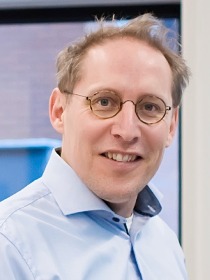
Prof. Stefan Willems is a Professor of Pathology and Chair of the Department of Pathology and Medical Biology at the University Medical Center Groningen (UMCG). He holds an MD from the Catholic University of Leuven (2003), a PhD in molecular pathology from Leiden University (2010), and an MBA. His research focuses on molecular biomarkers in head and neck cancers, translational oncology, and precision diagnostics. He leads the Molecular Pathology Lab and contributes to national initiatives like the Dutch Cancer Society (KWF) and the PALGA Foundation. Research Interests: Molecular pathology, predictive/prognostic biomarkers, head and neck cancer biology, and diagnostic innovation. His work bridges clinical practice and research, emphasizing personalized cancer treatment strategies. Recent articles highlight PD-L1 expression in oral cancers, BRCA1/2 testing in ovarian cancer, and organoid models for head and neck tumors. He actively collaborates with industry (AstraZeneca, Roche) and advises on national molecular diagnostics policies.
Dr. Sumit Sahni is an Adjunct Associate Professor at Sydney Medical School, Northern Clinical School, within the Faculty of Medicine and Health at the University of Sydney. His research primarily focuses on cancer biology, particularly pancreatic cancer and autophagy, with significant contributions to understanding tumor progression and developing novel therapeutic strategies. Research Interests: Cancer biology with emphasis on pancreatic cancer Autophagy as a therapeutic target in cancer Triple negative breast cancer research Cancer biomarker discovery and validation Tumor microenvironment and metastasis His work extensively explores the molecular mechanisms underlying cancer progression, particularly the role of autophagy in pancreatic cancer. Dr. Sahni's research has identified potential biomarkers for early detection and personalized treatment approaches. His publications demonstrate a consistent focus on translational research, bridging basic science discoveries with clinical applications. Grants and Funding: Overcoming Chemotherapy Resistance in Triple Negative Breast Cancers (2023) Development of Biomarker Tests for Early Detection/Diagnosis of Pancreatic Cancer Development of Personalised Treatment Pathways for Pancreatic Cancer Patients Novel Biomarker Panel for Predicting Chemo-resistance in Pancreatic Cancer Development of Novel Therapy Targeting Autophagy Against Triple Negative Breast Cancers Dr. Sahni actively supervises PhD and master's students and offers research opportunities in pancreatic cancer metastasis and autophagy targeting. His collaborative approach involves working with multidisciplinary teams to advance cancer research and improve patient outcomes.
Dr Monokesh Sen: Research Focused Academic Dr Sen is a Research Focused Academic at the School of Medical Sciences, University of Sydney, affiliated with The Centre for Drug Discovery Innovation and the Charles Perkins Centre. He holds a PhD in Medical Science from Western Sydney University (2021) and has held roles including Visiting Scientist at UNSW Sydney (2020-2021) and Research Assistant at Western Sydney University (2019-2020). His research focuses on remyelination mechanisms in Multiple Sclerosis (MS) and non-invasive blood-based biomarkers for MS diagnosis and monitoring. Education: PhD (2021), MSc (2013), BSc (2011) in Biotechnology/Genetic Engineering from Islamic University, Bangladesh Research Themes: Neurosciences, Autoimmunity, Neuroinflammation Teaching Areas: Neuroanatomy, Neurobiology, Proteomics His current project explores serum extracellular vesicles as MS biomarkers. He holds editorial roles at Frontiers in Cellular Neuroscience and Pharmaceuticals, and has received over 20 awards including the Charles Perkins Centre Professional Development Award (2023). Awards: 20+ honors including travel grants and fellowships since 2009 Grants: Multiple Sclerosis Australia Fellowship (2025), Charles Perkins Seed Funding (2023) Dr Sen advises research student Yifei ZHOU and collaborates on projects combining dietary interventions with neuroimmunology. His work bridges basic science and clinical applications in MS treatment and biomarker development.
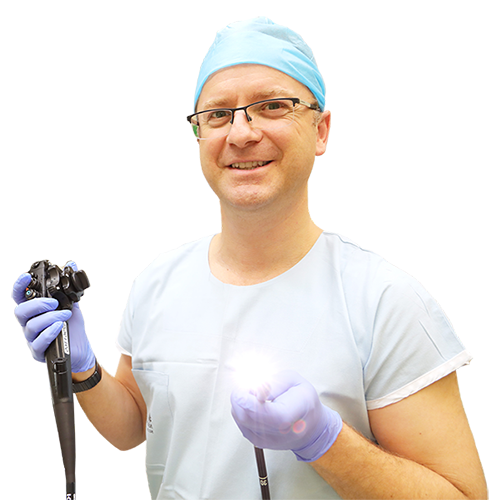
Dr. David van der Poorten is a Clinical Senior Lecturer at the University of Sydney's Westmead Clinical School, specializing in Gastroenterology and Hepatology. With over 15 years of clinical and research experience, his work bridges critical aspects of liver disease pathogenesis, microbiome interactions, and immunological responses in viral hepatitis. University of Sydney Westmead Clinical School Department of Gastroenterology and Hepatology His research portfolio demonstrates deep engagement with: Non-Alcoholic Fatty Liver Disease (NAFLD/NASH) mechanisms and metabolic interactions Immunological responses in chronic hepatitis B and C Microbiome studies in liver disease and Parkinson's disease Biomarker development for hepatocellular carcinoma Microbial translocation and phage dynamics Key article trends show: 2024 focus on colonoid models and Parkinson's microbiome interventions 2023 translational studies on C. difficile and regulatory frameworks 2022 global consensus building for MAFLD 2021-2020 advancements in NK cell immunology and fibrosis markers 2019-2018 clinical endoscopy and microbiome research 2017-2007 foundational work in fatty liver disease and Helicobacter pylori Dr. van der Poorten maintains active clinical practice at Sydney's leading hospitals while participating in: Multi-Disciplinary Meetings Advanced Therapeutic Endoscopy programs Clinical Trials Fibroscan implementation
Dr. Michael Roche is a Visiting Research Fellow in the Department of Health and Biomedical Sciences at RMIT University, Australia. His work focuses on HIV pathogenesis, viral latency, and the persistence of HIV in antiretroviral therapy (ART)-suppressed individuals. Key research areas include viral reservoirs in tissues like the brain and liver, immune activation mechanisms, and the development of latency-reversing agents. He collaborates extensively with global teams to advance HIV cure strategies and diagnostic methods, such as digital PCR and imaging techniques. Research Interests: Medical Microbiology, Immunology, HIV/AIDS, Virology, Neuroinflammation, and Antiretroviral Therapy. Teaching Interests: Human Immunodeficiency virus dynamics, viral entry mechanisms, and viral latency. Open to supervising Masters and PhD students in HIV-related research. His recent work emphasizes the role of non-human primate models in studying HIV-associated neurocognitive disorders and the impact of combination therapies on viral persistence. Dr. Roche also investigates co-infections (e.g., HIV/hepatitis B) and the circadian rhythms of HIV RNA production in ART-treated individuals. Collaboration networks and interdisciplinary projects are central to his research, aiming to bridge basic science and clinical translation in HIV cure research.
Shashirekha Shetty, PhD, serves as Associate Professor in the Department of Pathology at Case Western Reserve University School of Medicine. Externally, she holds dual leadership roles at University Hospitals: Director of the Cytogenetics Laboratory at the Center for Human Genetics Laboratory and Associate Director of the Laboratory Genetics and Genomics (LGG) Fellowship Program. Her office is located on the 6th floor of the Walker Building. As a board-certified clinical cytogeneticist and molecular geneticist, Dr. Shetty specializes in cytogenomics and molecular diagnostics for both germline and somatic conditions. Her primary clinical focus involves developing non-invasive prenatal screening (NIPS) assays using panel-based testing to evaluate genes linked to ultrasound-detected fetal structural abnormalities. Research collaborations center on characterizing human model cell lines to decipher disease mechanisms. The cytogenomics laboratory under her direction employs chromosome karyotyping, fluorescence in situ hybridization (FISH), and genomic chromosomal microarrays to detect balanced structural and unbalanced copy number changes, while the molecular laboratory utilizes next-generation sequencing (NGS) for comprehensive genomic profiling. Analysis of her publication record reveals a strong emphasis on cancer genomics, with research spanning acute myeloid leukemia, breast cancer, mantle cell lymphoma, and multiple myeloma. Her work consistently bridges diagnostic cytogenetics with molecular pathology to address clinical challenges in oncology and prenatal genetics, demonstrating translational applications of genomic technologies in disease characterization and biomarker discovery. No scientific awards were mentioned in the provided text. The text does not specify any graduate students, postdoctoral advisees, or research grants under Dr. Shetty's direct supervision. Her laboratory infrastructure at University Hospitals serves as a critical resource for genomic characterization, providing clinically validated data that supports both diagnostic operations and collaborative research initiatives. Dr. Shetty's laboratory ecosystem integrates cytogenomics and molecular diagnostics workflows, featuring dedicated facilities for karyotyping, FISH analysis, chromosomal microarray processing, and NGS-based testing. This infrastructure enables comprehensive genomic characterization that informs clinical decision-making while generating high-quality data for translational research partnerships across oncology and prenatal medicine domains.
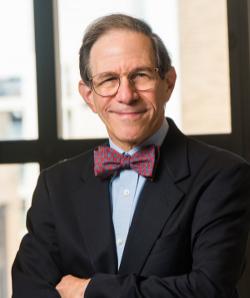
Sanford Markowitz is the Markowitz-Ingalls Professor of Cancer Genetics at Case Western Reserve University School of Medicine. He leads the GI Cancer Genetics Program and Case GI SPORE center, pioneering research in gastrointestinal cancer genetics and epigenetics. His work includes developing non-invasive cancer detection tests and tissue regeneration therapies. Major discoveries: TGF-β receptors as colon cancer suppressors 15-PGDH pathway in tumor suppression and regeneration First stool DNA test for colon cancer detection Recent research advances include FDA-approved EsoCheck device and EsoGuard assay for Barrett's esophagus detection. Founded Rodeo Therapeutics and LucidDx to translate research into clinical applications. Recipient of NCI Outstanding Investigator Award and Hamdan Medical Research Award.
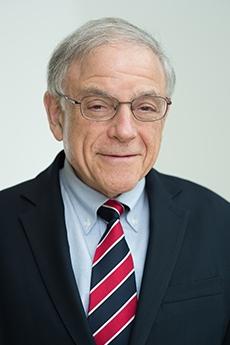
Murray H. Loew serves as a Professor in the School of Engineering and Applied Science at The George Washington University, where he directs the Laboratory for Medical Imaging and Image Analysis. His academic appointments include CAI Core Member status and editorial roles as Associate Editor for the Journal of Medical Imaging (2013–present) and IEEE Transactions on Medical Imaging (2003–2011). His educational background includes: B.S.E.E. from Drexel Institute of Technology (1965) M.S.E.E. from Purdue University (1967) Ph.D. from Purdue University (1972) with Professional Engineer (P.E.) certification Loew's research integrates pattern recognition, biomedical signal processing, and computer vision to advance medical imaging diagnostics. His laboratory develops novel methodologies for extracting information from medical images with applications spanning breast cancer detection through infrared thermography, hyperspectral analysis for art conservation, and real-time tissue ablation verification. Current projects emphasize multi-spectral imaging registration, spatial/temporal salience modeling, and thermal mapping systems with clinical validation at GW's Breast Clinic. His work bridges engineering principles with clinical practice through mathematical modeling of physiological processes. Analysis of his recent publications reveals consistent focus on hyperspectral imaging applications across medical and cultural heritage domains, with strong emphasis on image registration techniques (35% of publications), thermography-based diagnostics (30%), and art conservation technologies (25%). The research demonstrates interdisciplinary collaboration with institutions like the National Gallery of Art and NIH-funded clinical trials. His scientific distinctions include: Fulbright Distinguished Chair in Advanced Science and Technology (Australia, 2013–2014) Fellow of IEEE and American Institute for Medical and Biological Engineering IEEE Computer Society Distinguished Service Award (1984) Multiple Lady Davis Fellowships at Technion (1986, 2007) Guest Professor appointments in China (1988, 1991) Loew secures significant extramural funding including NSF support for infrared hyperspectral imaging systems in art conservation and pending NIH grants for RF tissue ablation verification. His laboratory operates as a collaborative hub involving electrical engineers, computer scientists, and medical professionals developing real-time imaging solutions. Current initiatives focus on hyperspectral verification systems for cardiac ablation procedures and multi-modal breast cancer detection platforms combining thermal and structural analysis.
Maria Luísa Dias de Carvalho de Sousa Leonardo is a retired Full Professor at the NOVA School of Science and Technology, part of Nova University of Lisbon. Her research focuses on Fundamental and Applied Physics within X-ray Spectrometry, emphasizing non-destructive micro-analytical techniques and portable equipment development. She has contributed to trace element detection in biological samples (e.g., cancerous tissues) and environmental contamination studies. Her work significantly impacts Cultural Heritage research, particularly through non-invasive analysis methods. Her professional affiliation includes the Department of Physics (implied via research focus), and she maintains links through ResearchID and ORCID profiles. No specific awards or current active advising/grants are documented in the provided texts.
Juan Diego Alvarez Roman is an Associate Professor in the Department of Mathematics at Carlos III University of Madrid (UC3M), and Director of the F.Abril Martorell College. His academic role includes leadership in both education and research. Research interests focus on numerical methods and their biomedical applications, particularly inverse problems in cardiac modeling, medical imaging (e.g., optical tomography, microwave screening), and computational techniques like radial basis functions (RBF) and level-set methods. Projects include the LocMoTIC initiative for cardiac arrhythmia localization and collaboration on 3D imaging of biological tissues. Recent work emphasizes RBF-based numerical methods for differential operators and applications in cardiac ischemia localization. His articles span applied mathematics, biomedical engineering, and computational physics. Grants: Principal investigator in LocMoTIC (2010-2013), and collaborator in projects like 'Clustering Automático de Comportamientos de Invertebrados en Libertad' (2021-2025) and 'Imagen óptica 3D ultrarrápida' (2016-2020). Patents: System/method for cardiac electrical activation reconstruction (2014). Teaching: Involved in undergraduate/postgraduate programs at UC3M's Department of Mathematics. Labs/Teams: Member of the Numerical Methods and Applications research group and affiliated with the Gregorio Millán Barbany University Institute for Modelling and Simulation.
Mursal Gardezi is a Researcher in the Department of Urology at the Yale School of Medicine. He holds an MD from Yale School of Medicine and a ScB in Biology-Immunobiology from Brown University. His work focuses on urologic surgery innovation, prostate cancer diagnostics, medical education reforms, and pandemic-era healthcare adaptations. Key research areas include surgical education through skills fairs, diagnostic advancements in prostate cancer using imaging and biomarkers, and evaluating healthcare practices during the COVID-19 pandemic. Collaborations with colleagues like Jonathan Grauer, Lee Rubin, and Preston Sprenkle have produced influential studies on topics ranging from patient-measured bladder volumes to virtual surgical training during pandemics. Publications highlight contributions to urology, orthopedics, and medical education, with recent works addressing pandemic-era procedural safety, elder abuse prediction using imaging, and cost analyses of surgical implants. His research bridges clinical practice with educational innovation, emphasizing practical solutions for modern healthcare challenges.
Lauren Perley is a Researcher affiliated with the Maternal Fetal Medicine Unit at Yale School of Medicine. She is part of the Yale Hearts Moms initiative (Lipkind Lab) and contributes to research on maternal and child health. Her work focuses on pregnancy complications, placental biology, and public health interventions. She holds an academic appointment at Yale University and collaborates with leading researchers in obstetrics and gynecology. Primary Affiliation: Yale School of Medicine Department: Maternal Fetal Medicine Unit Lab: Yale Hearts Moms (Lipkind Lab) Research interests include gestational diabetes, preeclampsia, maternal mortality, and environmental exposures during pregnancy. Her recent studies address mycotoxin exposure monitoring, non-invasive prenatal testing, and postpartum cardiovascular screening strategies. She has published extensively in top journals like Environment International and Biology Of Sex Differences . Dr. Perley's work bridges clinical practice and translational research, aiming to improve maternal and fetal outcomes through innovative diagnostic methods and population health strategies.
Ahmadreza Rezaeian is a Postdoctoral Associate at Yale School of Medicine , holding dual MPH and MD degrees from Shahid Beheshti University of Medical Sciences . His research spans multiple disciplines including Urology , General Surgery , and Mesenchymal Stem Cell applications. Education : MPH, Shahid Beheshti University of Medical Sciences (2022) MD, Shahid Beheshti University of Medical Sciences (2022) Rezaeian specializes in animal disease models , exosome therapy , and molecular oncology with a focus on urological cancers. His 12 publications and 77 citations highlight his contributions to kidney tumor genetics , renal transplant infections , and COPD pharmacology . His work includes systematic reviews on pandemic management strategies and book chapters on liquid biopsy techniques in urogenital cancers. Recent projects explore exosome interactions in prostate and bladder cancer cell lines. Scientific Awards : 2nd Rank in Master of Public Health (2022) 1st Rank in Medical School (2022) MPH Scholarship (2020) Medical School Scholarship (2013) Contact ahmadreza.rezaeian@yale.edu for collaborations at Brady Memorial Laboratory , Yale School of Medicine.
Daohai Yu, PhD, MS is a Professor at the Lewis Katz School of Medicine at Temple University, affiliated with the Center for Biostatistics and Epidemiology. He specializes in biostatistics with a focus on clinical trials, epidemiological study designs, and statistical modeling. His research addresses challenges in biomarker studies, longitudinal data analysis, and missing data problems. Dr. Yu holds a PhD from the University of Michigan and an MS from Sun Yat-sen University. Education: PhD in Biostatistics, University of Michigan, 2000 MS in Probability & Statistics, Sun Yat-sen University, 1987 Research Interests: Dr. Yu’s work bridges statistical methodology and biomedical applications. He focuses on optimizing study designs, analyzing time-to-event data, and developing joint modeling techniques. His collaborations aim to advance evidence-based treatments for diseases like cancer and neurological disorders. Recent studies include investigating maternal hypothyroidism impacts and cancer immunotherapy adjuvants. Professional Roles: Past Treasurer, North Carolina Chapter of the American Statistical Association; NIH ASG Study Section member; ENAR and International Biometric Society member. Labs/Teams: Active in Temple’s Center for Biostatistics and Epidemiology, contributing to interdisciplinary research projects.
L van Duin, PhD, MSc, is a Visiting Assistant Professor in the Department of Clinical Psychology at the Erasmus School of Social and Behavioural Sciences, Erasmus University Rotterdam. Their work bridges clinical psychology with prenatal medicine and oncology, reflecting a unique interdisciplinary profile. The research interests of L van Duin span clinical psychology , fetal and maternal medicine , psychopathy , electrophysiology , and recovery-oriented addiction care . Their work combines neurocognitive assessment with clinical applications in high-risk populations, including pregnant women with cancer and young adults with psychopathic traits. The recent publications reveal a strong trend toward interdisciplinary clinical research , particularly in the application of non-invasive prenatal testing (NIPT) for detecting maternal malignancies and understanding fetal congenital abnormalities. Parallel work explores neurocognitive markers of psychopathy and recovery support in addiction services, indicating dual expertise in biomedical and psychosocial domains. L van Duin has contributed to impactful clinical guidelines and peer-reviewed research in journals such as The Lancet Regional Health - Europe and Biological Psychology . While no formal scientific awards are listed, the collaboration with the Dutch NIPT Consortium and publication in high-impact venues reflect recognition in the field. L van Duin has co-authored multiple research outputs, including articles and reports, often in collaborative teams. Though no direct advising or grant information is available, their involvement in multi-center studies suggests active participation in funded research projects. Their work with the Dutch NIPT Consortium and IVO Addiction Research Institute highlights engagement with both national health initiatives and specialized research centers. While no dedicated lab or team is explicitly mentioned, L van Duin collaborates extensively within networks focused on prenatal diagnostics, oncology, and psychological interventions, as evidenced by co-authorship and institutional affiliations.