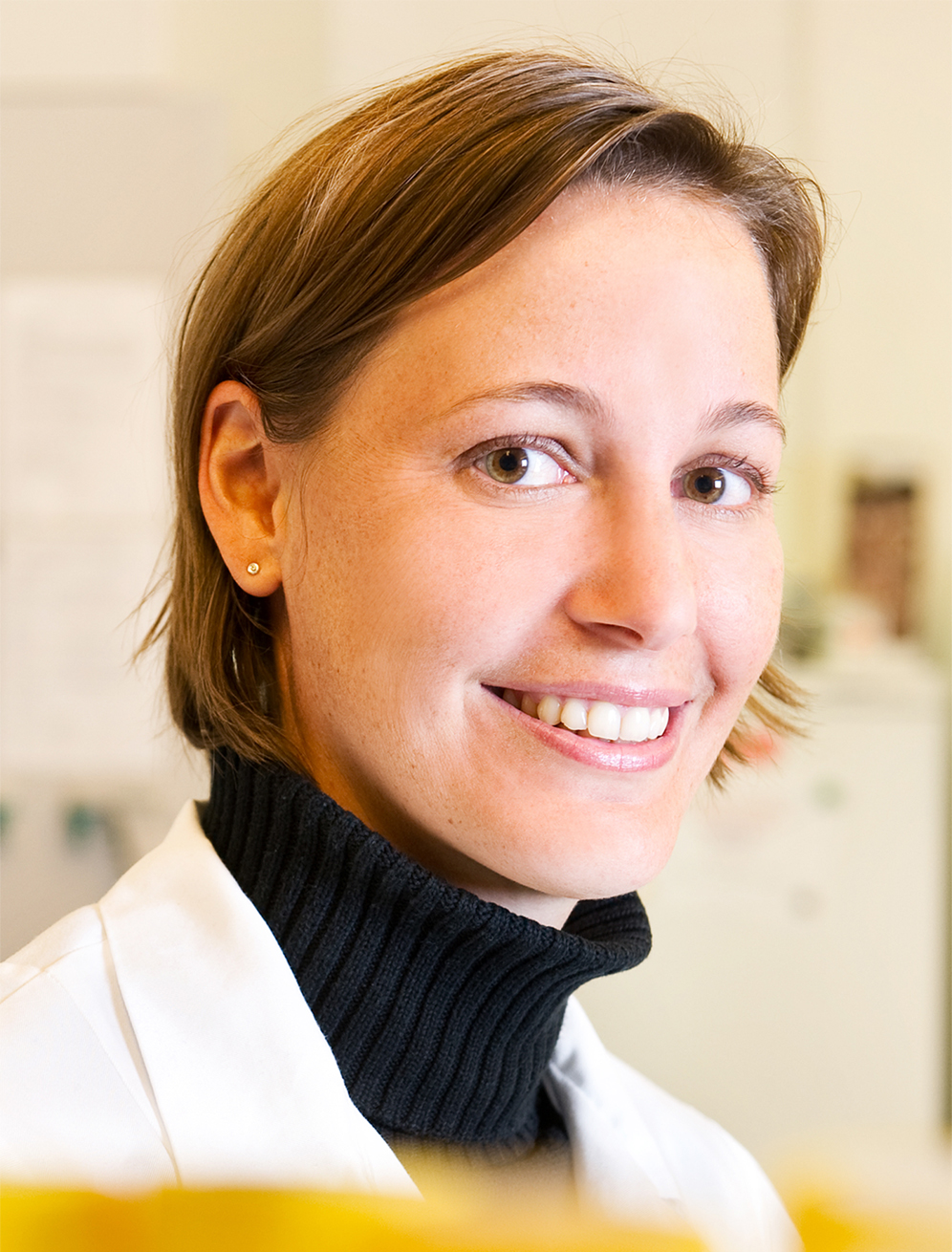
Pascal Frossard is a Full Professor at the Department of Electrical Engineering in the School of Engineering (STI) at EPFL, with a courtesy appointment in the School of Computer and Communication Sciences. He founded and directs the LTS4 laboratory since 2003, co-leads the EPFL AI Center and Swiss Data Science Center, and serves as Associate Dean for Research at STI. Research Focus: Machine Learning, Graph Signal Processing, AI Applications in Healthcare, Computer Vision Academic Leadership: IEEE Fellow, ELLIS Fellow, Conference Chair roles Key Projects: Digital Pathology for Oncology, Cardiac Digital Twins, Robust Machine Learning Research Interests: His work bridges signal processing, machine learning, and applied mathematics, emphasizing biomedical applications. Recent research includes adversarial robustness in classifiers, network representation learning, and 360-degree video analysis. Scientific Awards: IEEE Fellow ELLIS Fellow Leadership in IEEE technical committees Advising & Grants: Supervised 20+ PhD students and postdocs. Secured major grants from PHRT, Hasler Foundation, FNS-Sinergia, Armasuisse, Google, and Cisco.
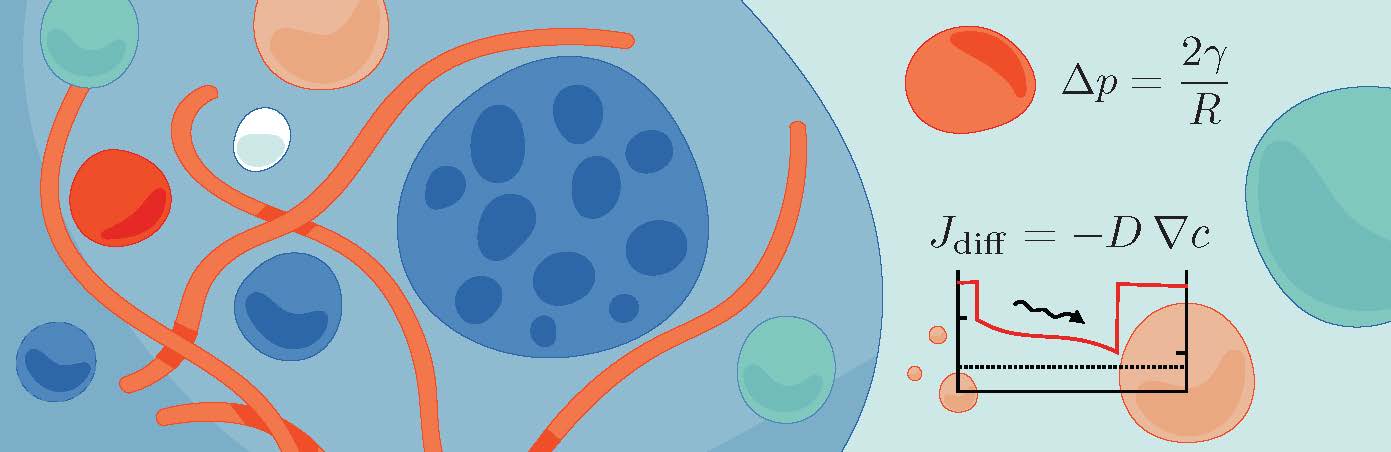
Thomas Michaels is an Assistant Professor at the Department of Biology, ETH Zürich, leading the Michaels Group . His research focuses on theoretical models of biomolecular condensates and protein aggregation in biological systems. Research Themes : Protein aggregation, liquid-liquid phase separation, membrane biophysics, and the role of condensates in neurodegenerative diseases like Alzheimer’s and Parkinson’s. Collaborative Approach : Integrates theoretical physics, control theory, and computational biology with experimental validation to design therapeutic strategies. Recent Publications highlight his work on amyloid formation mechanisms, lipid interactions, and phase-separated compartments as biochemical reactors. His group trains PhD students in systems biology and biocondensate physics.
Kathrin Lang is a Full Professor at the Department of Chemistry and Applied Biosciences, ETH Zurich, and Head of the Organic Chemistry Laboratory. Her research focuses on chemical biology, particularly the development of tools for genetic code expansion to incorporate non-canonical amino acids into proteins and advance bioorthogonal chemistries for studying biological processes. Keywords: Genetic Code Expansion, Bioorthogonal Chemistry, Protein Engineering, Ubiquitylation Networks, Post-Translational Modifications. Lang’s work emphasizes proximity-triggered crosslinking reactions, bioorthogonal labeling, and in vivo chemistries to address challenges in protein interaction mapping and structural elucidation. Her group’s recent publications highlight methodologies for dual protein labeling, deciphering ubiquitin code, and enhancing cycloaddition reactivity. Current projects include exploring cyclopropene-fused dibenzocyclooctynes for improved labeling and investigating methylated lysine as a conformational regulator in Hsp90. Funding sources include the ERC (Ubl-tool), DFG (SFB1035, SPP1926), and ETH Zurich. She contributes to education through courses like Genetic Code Expansion for Studying Posttranslational Modifications and Chemical Biology and Synthetic Biochemistry . Collaborative efforts span structural biology, microbiology, and synthetic biochemistry, with applications in ubiquitin research and cellular imaging.
Dr. Andre Kahles is a Lecturer in the Department of Computer Science at ETH Zürich, specializing in biomedical informatics. His research focuses on computational methods for analyzing large-scale genomic and transcriptomic data, with applications in cancer genomics, metagenomics, and precision medicine. He has contributed to the development of tools such as SplAdder for alternative splicing analysis, MetaGraph for petascale genomic data exploration, and SECEDO for subclone detection in cancer genomes. His work bridges algorithmic innovation with biological insights, addressing challenges in single-cell analysis, genome graph alignment, and multi-omics integration. Key research themes include: Developing scalable algorithms for processing nanopore sequencing and metagenomic data Characterizing somatic mutations and non-coding drivers in cancer genomes Advancing genome graph-based alignment and annotation methods Integrating multi-omics data for clinical decision-making and tumor profiling His publications span topics like RNA-seq analysis, chromothripsis in cancers, and global urban microbiome tracking through the MetaSUB consortium. Kahles has collaborated on landmark projects including the Pan-Cancer Analysis of Whole Genomes (PCAWG) and the Tumor Profiler Study.
Prof. Dr. Sven Panke is a Full Professor and Head of the Department of Biosystems Science and Engineering at ETH Zürich. His research focuses on bioprocess engineering, synthetic biology, and enzymatic process development. Key areas include miniaturized bioreactor systems, microbial engineering for novel metabolite production, and high-throughput screening methodologies. Education: Studied Biotechnology at TU Braunschweig, with postgraduate research at the German National Research Center for Biotechnology and ETH Zurich. Transitioned from industry (DSM) to academia in 2001 as an Assistant Professor, progressing to Associate Professor (2007-2009) before leading the BSS department. Research interests emphasize directed evolution of enzymes, metabolic pathway engineering, and systems biology approaches to optimize microbial production systems. Current projects include bio-indigo synthesis, antimicrobial peptide discovery, and synthetic biology tools for cellular engineering. Labs/Teams: Leads the Bioprocess Engineering Lab at ETH Zurich, collaborating on projects like the E. coli import system design and γ-glutamyltransferase engineering. Active in developing microfluidics platforms for parallel reaction analysis. Grants/Advising: Funded by initiatives in sustainable biomanufacturing and synthetic biology. Supervises graduate students in bioprocess design and microbial systems engineering.
Prof. Valentina Boeva is an Assistant Professor at the Department of Computer Science, ETH Zürich, specializing in biomedical informatics. Her research focuses on integrating machine learning and computational methods to address challenges in genomics, oncology, and precision medicine. She holds a position in the Professur für Biomedizininformatik (Biomedical Informatics) and is based at CAB G32.2, Universitätstrasse 6, Zürich, Switzerland. Her work emphasizes applications such as cancer biomarker discovery, tumor heterogeneity analysis, and epigenetic profiling. She teaches courses including Machine Learning Seminar, Data Science Lab, and Machine Learning for Genomics. Her research group develops computational tools like CDState and UniversalEPI to decode complex biological systems. She actively publishes in top-tier journals, with recent work on exosome-driven diagnostics and chromatin interaction modeling. Her scientific contributions span methodologies for single-cell data analysis, survival modeling, and drug response prediction. She collaborates across disciplines to bridge computational science with clinical applications in cancer research.
Prof. Raffaella Santoro is a Professor and Principal Investigator at the Department of Molecular Mechanisms of Disease (University of Zurich). She holds a PhD in Biochemistry from the University of Rome La Sapienza and has held research positions at the Hans Knöll Institute (Germany) and ETH Zurich before joining the University of Zurich in 2009. Her laboratory focuses on epigenetic and chromatin regulatory mechanisms in cancer, stem cell pluripotency, and early development, with a particular emphasis on nucleolar function and genome architecture. Key research themes include the role of the nucleolus in repressive chromatin domains, epigenetic alterations in prostate cancer, and the interplay between chromatin and gene expression during development. Her work combines molecular and cell biology with high-throughput genomic approaches, as highlighted in over 100 publications in journals like Molecular Cell, Nature Communications, and EMBO Reports. She leads a dynamic research group comprising PhD students, postdocs, and master’s researchers, and actively recruits talent through the Life Science Zurich Graduate School. Her group collaborates with initiatives such as the NCCR and EMBO, contributing to advancements in epigenetic medicine and cancer biology. Educational Background: PhD in Biochemistry, University of Rome La Sapienza (Italy); Postdoctoral Research at the German Cancer Research Center (Heidelberg, Germany). Research Interests: Chromatin dynamics, nucleolar architecture, epigenetic regulation in cancer and development, prostate cancer heterogeneity, stem cell pluripotency, and spatial genomics. Collaborative efforts include the development of novel methods for 3D chromosome mapping and nucleolar interaction analysis. Scientific Contributions: Pioneering studies on nucleolar heterochromatin formation, the role of BAZ2A in cancer stem cells, and the epigenetic control of melanoma invasiveness. Her lab also explores oxidative stress impacts on early embryonic epigenetic reprogramming and the therapeutic potential of targeting epigenetic modifiers in cancer. Labs & Teams: The Santoro Lab at the University of Zurich integrates interdisciplinary approaches, with ongoing projects funded by ERC, EMBO, and the Swiss National Science Foundation. Current initiatives include modeling prostate cancer heterogeneity and identifying epigenetic biomarkers for disease prognosis.
Marc Robinson-Rechavi is a Professor at the University of Lausanne, Faculty of Biology and Medicine, Department of Ecology and Evolution. He leads the Evolutionary Bioinformatics Group , focusing on genome evolution and developmental biology (Evo-Devo) through the creation of databases like Bgee and MoultDB . Core projects: Bgee (gene expression database), MoultDB (arthropod molting genetics), SelectomeDB (positive selection) Collaborations: Paleontology, genome biology, and experimental Evo-Devo groups Research interests include linking developmental processes to genome evolution , with emphasis on gene duplication, regulatory sequence evolution, and molecular convergence. His work has significant applications in cancer research , agriculture , and biomedical studies . The group's publications (2020-2025) demonstrate expertise in single-cell transcriptomics , ontologies , and computational methods . Projects often involve ray-finned fishes , amphioxus , and arthropod diversity , with tools like OMAmer and Bio-SODA expanding bioinformatics capabilities. Current students and former group members have contributed to diverse projects including: Arthropod molting mechanisms Venom gland evolution Sex-biased gene expression Positive selection in human evolution
Prof. Germán Vicente-Rodríguez is a distinguished academic at the University of Zaragoza, where he serves as head of the master in evaluation and exercise prescription for health at the Faculty of Health and Sport Sciences. He completed his PhD in Sport Sciences at the University of Las Palmas de Gran Canaria and was awarded a PhD prize for his outstanding research. As President of EXERNET, the Spanish network for exercise and health research, he leads significant research initiatives including the EXERNET-Elder cohort project. With over 270 publications to his name, his work has substantially contributed to the fields of exercise physiology and health promotion. Dr. Vicente-Rodríguez's research interests focus on exercise physiology, exercise prescription, body composition, and the interaction between exercise and nutrition for health. His expertise spans multiple domains including physical activity assessment, bone health, and exercise interventions for different population groups. His work particularly emphasizes the application of exercise science to improve health outcomes across the lifespan, with special attention to aging populations and disease prevention. His recent publications demonstrate consistent research themes in exercise interventions for older adults, sports performance in specialized contexts like futsal, and physiological mechanisms underlying exercise benefits. The work shows strong translational potential, connecting basic exercise science with clinical applications for health promotion and disease prevention across diverse populations. PhD prize recipient from University of Las Palmas de Gran Canaria President of EXERNET (Spanish network for exercise and health research) Leader of the EXERNET-Elder cohort project Dr. Vicente-Rodríguez has supervised numerous research projects and collaborated extensively with international colleagues across multiple institutions. His work with the GENUD research group has established him as a leading figure in exercise and health research in Spain. His leadership in academic programs and research networks demonstrates significant impact on both education and scientific advancement in his field. He directs research through the GENUD (Growth, Exercise, NUtrition and Development) research group, which focuses on interdisciplinary approaches to understanding how physical activity, nutrition, and development interact to influence health outcomes across different life stages. The group's work spans basic science investigations to applied clinical and community-based interventions.
Prof. Dr. Erik van Nimwegen is a Professor at the Biozentrum of the University of Basel, where he leads a research group focused on computational and systems biology. His laboratory is housed in Room 08.012 at the Biozentrum, with contact information including phone number +41 61 207 15 76 and email erik.vannimwegen@unibas.ch. His administrative support is provided by Rita Ruppen and Jonila Vladi. Van Nimwegen's research centers on understanding the function and evolution of genome-wide regulatory networks. His group investigates how cells control gene expression using both theoretical and experimental methods, with particular interest in deciphering the genome's regulatory code, analyzing gene expression dynamics from single cells to genome-wide regulatory programs, and uncovering quantitative laws of genome evolution. His interdisciplinary approach combines computational predictions with experimental data to model regulatory networks across organisms from E. coli to humans. His work has significant implications for understanding cellular behavior, developing evolutionary theory based on measurable quantities, and potential applications ranging from taming pathogens to engineering human tissue. Analysis of his recent publications reveals a consistent focus on gene regulatory networks, with increasing emphasis on single-cell analysis, computational modeling of biological systems, and the evolutionary aspects of gene regulation. His work spans bacterial systems (particularly E. coli) to higher eukaryotes, with recent publications showing expansion into visualization techniques for single-cell data, cancer research related to RNA processing, and even virology with work on COVID-19 origins. A notable trend is the integration of multiple data types (multiomics) and the development of sophisticated computational tools for analyzing complex biological systems. Van Nimwegen's group has developed numerous software tools and web services for regulatory and comparative genomics, including ISMARA (Integrated System for Motif Activity Response Analysis), CRUNCH (for ChIP-seq data analysis), SwissRegulon database, Phylogibbs, and others. These resources reflect his commitment to creating practical tools that advance the field of computational biology. His laboratory operates as an interdisciplinary team with researchers from diverse backgrounds including theoretical physics, computer science, and molecular biology. The group actively recruits postdocs and engineers, as evidenced by a 2018 posting seeking researchers for computational analysis of bioimages. His work has established important theoretical frameworks for understanding gene regulatory networks and their evolution, with significant contributions to the field of systems biology.
Prof. Dr. Caroline Ospelt leads the Research Group at the Department of Rheumatology, University Hospital Zurich, focusing on the molecular and epigenetic mechanisms of synovial fibroblasts in rheumatoid arthritis (RA). Her work bridges innate immunity, non-coding RNA, and joint-specific pathogenesis. Professor, University Hospital Zurich Director, Center of Experimental Rheumatology Research Interests Elucidating pattern-recognition receptor activation in RA synovial fibroblasts Investigating microRNA and long non-coding RNA roles in RA progression Mapping epigenetic changes (histone acetylation, DNA methylation) in stromal cells Decoding joint-specific transcriptional regulators (HOX genes) in arthritis Publications span functional genomics, RA heritability, and epigenetic diversity of synovial fibroblasts, with recent emphasis on non-coding RNA and GWAS integration. Technical Expertise : Primary cell culture, gene/protein expression analysis, functional assays (migration, invasion), ChIP, bisulfite sequencing, and scRNAseq.
Yang Lin is a doctoral assistant at the AQUA Lab within the School of Engineering at École Polytechnique Fédérale de Lausanne (EPFL). He works on integrating single-photon avalanche diodes (SPADs) with artificial and spiking neural networks for biological and medical imaging applications, particularly fluorescence lifetime imaging. Ph.D. in Computational and Quantitative Biology (expected 2025), École Polytechnique Fédérale de Lausanne B.Eng. in Automation (2020), Shanghai Jiao Tong University His research focuses on developing intelligent image sensors by combining SPAD technology with neural networks, including ASIC SPAD sensors, FPGA-based processing units, and optical setups for biomedical applications. He is exploring spiking neural networks (SNNs) for energy-efficient, real-time imaging with SPADs. Yang's recent publications highlight advancements in quantum ghost imaging, SPAD sensor integration with neural networks, and fluorescence lifetime imaging. He has presented at conferences like WACV 2024 and received recognition for his work at BMPN 2022. Best Talk of a Young Researcher, BMPN 2022 He designs hardware-software co-systems for biomedical imaging and is open to research or engineering roles post-2025.
Norbert Polacek is a Full Professor of Biochemistry at the Department of Chemistry, Biochemistry and Pharmaceutical Sciences (DCBP) at the University of Bern, Switzerland. He has served as Director of the Department from 2021-2023 and previously as Deputy Director from 2018-2020. Since 2014, he has been head of the master program in "Molecular Life Sciences" and serves as NCCR RNA & Disease Delegate for Training & Education. His educational background includes studies in Biology/Genetics at the University of Vienna (1988-1996), followed by a diploma thesis and PhD thesis in the group of Andrea Barta at the Institute of Medical Biochemistry. He completed postdoctoral work at the University of Illinois at Chicago under Alexander S. Mankin. Polacek's research focuses on non-protein-coding RNAs (ncRNAs) within large cellular RNA/protein complexes like ribosomes and vault particles. His work examines the structural, catalytic and regulatory roles of ncRNAs during ribosome functioning, translation control, and apoptosis. His group applies biochemical, genomic, and bioinformatics tools across all three domains of life (archaea, bacteria and eukarya). His recent publications reveal a strong focus on tRNA-derived fragments, ribosomal RNA expansion segments, and vault RNAs. The work spans from fundamental ribosome mechanics to cancer biology applications, showing how ncRNAs modulate translation, regulate gene expression, and influence disease processes like hepatocellular carcinoma. His notable scientific achievements include: START award from the Austrian Science Foundation (FWF) Novartis research prize for Biology Research award of the Principality Liechtenstein Polacek leads a research group focusing on three main projects: Atomic mutagenesis of the ribosome, The regulatory non-coding RNA interactome of translating ribosomes, and The elusive molecular biology of the vault RNA. His group has made significant contributions to understanding how RNA fragments regulate translation and cellular processes, including the discovery that certain RNA fragments function as stimulants rather than inhibitors in cellular machinery. The Polacek laboratory maintains active collaborations within the Swiss National Focus in Research on RNA & Disease, jointly hosted by the University of Bern and ETH Zürich, and participates in numerous international research networks focused on RNA biology.
Prof. Mehmet Fatih Yanik is a Full Professor at the Department of Information Technology and Electrical Engineering at ETH Zürich and Deputy Head of the Institute of Neuroinformatics. He leads the Yanik Lab, focusing on neurotechnology, neuroengineering, and high-throughput screening systems for drug discovery. His career includes tenured positions at MIT (2006-2014) and postdoctoral work at Stanford University. He holds a BS and MS from MIT (Electrical Engineering/Physics and Computer Science) and a PhD in Applied Physics from Stanford. Educations: BS in Electrical Engineering and Physics, MIT (1999) MS in Engineering and Computer Science, MIT (2000) PhD in Applied Physics, Stanford University (2006) Research Interests: Prof. Yanik’s work spans neurotechnology platforms for large-scale neural recording and stimulation, high-throughput in vivo screening systems for drug discovery, and advanced neuroimaging techniques. He pioneered ultra-flexible neural electrodes and non-invasive focused ultrasound neuromodulation. His lab integrates machine learning with neurotechnology to study brain circuit dynamics and anesthetic states. Awards: NIH Director’s Pioneer Award (youngest recipient) ERC Consolidator Award Bridge Discovery Award Technology Review’s 'Top 35 Innovators Under 35' Advising & Grants: His research is supported by NIH, ERC, NSF, and industry partnerships. He directs the NSC Master’s program and teaches courses like "Bioelectronics and Biosensors" . The Yanik Lab collaborates widely, advancing translational neurotechnology for clinical applications. Labs & Teams: The Yanik Lab at ETH Zürich develops cutting-edge tools for neuroscience, including neural interface technologies and AI-driven analysis pipelines for behavioral and neural data.
Gregory Velicer is a Full Professor at ETH Zurich's Department of Environmental Systems Science and Deputy Head of the Institute of Integrative Biology. His research investigates microbial social evolution, focusing on complex behaviors like predation and multicellular development in myxobacteria using ecological, molecular, and evolutionary approaches. Research explores: Genetic controls of bacterial cooperation Predator-prey dynamics in microbial communities Evolution of cheating resistance Ecological drivers of social exploitation Molecular regulation of developmental processes Recent publications emphasize bacterial social evolution in changing environments, with themes spanning molecular genetics, ecological adaptation, and applied biocontrol. Laboratory work integrates experimental evolution with genomic and transcriptomic analysis.