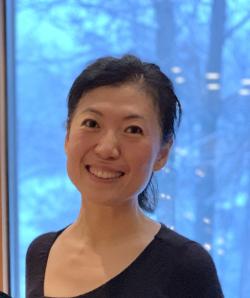
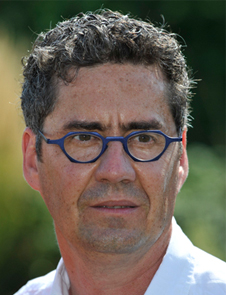
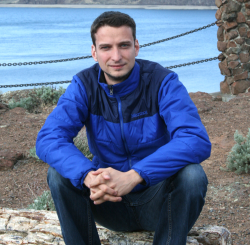
Dr. Mary Lauren Benton is an Assistant Professor in the Department of Computer Science at Baylor University's College of Engineering and Computer Science. She holds a Ph.D. and M.S. in Biomedical Informatics from Vanderbilt University (2020, 2018) and a B.S.I. in Bioinformatics from Baylor University (2015). Education: Ph.D. (Vanderbilt, 2020), M.S. (Vanderbilt, 2018), B.S.I. (Baylor, 2015) Her research focuses on computational biology and gene regulation, particularly how DNA sequences influence genome function and human disease risk through integrated datasets. Recent work explores enhancer-gene interactions, epigenetic mechanisms, and the application of graph neural networks to genomic problems. Selected publications highlight interdisciplinary trends across genomics (e.g., Cis-regulatory landscapes , CTCF motif accessibility ) and computer science (e.g., Dynamic graph attention , Node classification ).
Odile Sismeiro is a Senior Research Engineer at the Transcriptome and Epigenome Platform within the Biomics Pole at the Institut Pasteur . With over three decades of experience, she has been pivotal in advancing RNA sequencing technologies since 2009. Diplôme Universitaire de Technologie Diplôme d’Études Scientifiques et Techniques from CNAM, Paris Her research intertwines Transcriptomics , Microbial Genetics , and Host-Pathogen Interactions , particularly through developing and applying: DNA array technology Next-Generation Sequencing (NGS) RNA-seq data analysis pipelines Key publication themes highlight: Streptococcus pathogenicity networks RNA-based immune sensing mechanisms Vector-borne disease genetics Microbial biofilm regulation She actively contributes to: Scientific training programs Technological development projects Collaborative research across multiple Institut Pasteur units
Gary Hon is an Assistant Professor at the University of Texas Southwestern Medical Center (UTSW), jointly affiliated with the Cecil H. and Ida Green Center for Reproductive Biology Sciences and the Lyda Hill Department of Bioinformatics. His research lies at the intersection of genomics, epigenetics, and systems biology, with a focus on decoding the regulatory complexity of the human genome. His research interests include: Understanding the molecular basis of cell state for applications in regenerative medicine Elucidating how non-coding genetic variants contribute to development and disease Developing integrative techniques combining gene regulation, epigenetics, genome engineering, and single-cell genomics Advancing bioinformatics tools for analyzing chromatin and transcriptional regulation The trends across his recent publications reveal a strong emphasis on enhancer biology, epigenetic modifications (especially 5mC and 5hmC), single-cell functional genomics, and the development of novel molecular tools such as in situ chromatin capture and combinatorial perturbation assays. His work frequently leverages CRISPR-based technologies and high-throughput sequencing to dissect gene regulatory networks. Dr. Hon has received significant recognition for his innovative research, including: CPRIT Scholar NIH Director’s New Innovator Award Dr. Hon leads the Hon Lab, which actively develops and applies systems-level approaches to study genome regulation. His collaborative research involves advising graduate students and postdoctoral fellows, many of whom appear as co-authors on his publications. While specific grant details are not listed, his prestigious awards suggest substantial federal and state funding support for his high-impact, interdisciplinary research program.
Simon Moxon is an Associate Professor in Bioinformatics at the University of East Anglia (UEA), part of the School of Biological Sciences. His research focuses on applying next-generation sequencing (NGS) technologies to study biological problems, particularly small RNA bioinformatics and mechanisms of gene regulation at transcriptional and post-transcriptional levels. He has developed tools like miRCat2 and the UEA sRNA Workbench for miRNA detection and analysis. Notable collaborations include projects funded by the British Heart Foundation, NIH, and the Natural Environment Research Council, exploring topics such as chromatin landscapes, microRNA biogenesis, and epigenetic reprogramming. His work spans plant genomics, developmental biology, and molecular mechanisms in diseases like cancer. Recent publications highlight advancements in understanding miRNA regulation in plants and animals, epigenetic marks during zygotic reprogramming, and antimicrobial resistance in Bacillus species. Moxon actively mentors PhD students and contributes to editorial roles in journals like Frontiers in Molecular Biosciences.
Jonathan Göke is a researcher at the Genome Institute of Singapore (GIS), part of A*STAR. He completed his PhD at the International Max Planck Research School for Computational Biology and Scientific Computing (IMPRS-CBSC), supervised by Prof. Dr. Martin Vingron. His work focuses on Comparative Genomics and studying recurring motifs in non-coding DNA , with applications in stem cell biology and epigenetics. Education: B.Sc. in Bioinformatics, Freie Universität Berlin (2007). PhD in Computational Biology, IMPRS-CBSC (2012). Visiting student, University of Sheffield (2006). Research interests include analyzing gene regulatory elements, kinase-chromatin interactions, and computational methods for genomic analysis. His work bridges bioinformatics and experimental biology, with contributions to understanding embryonic stem cell regulation and intellectual disability genetics. Advising and grants: No documented advisees, but contributed to doctoral training through IMPRS-CBSC. Current projects include genomic studies at GIS, though specific grants are not listed here. Labs/Teams: Affiliated with GIS, which focuses on genomic research in health and disease.
Gioacchino Natoli is a Professor of Biochemistry at Humanitas University, School of Medicine, Milan, and serves as a Group Leader at the European Institute of Oncology (IEO) where he heads the Transcriptional Control in Inflammation and Cancer research program. Elected to the Academy of Europe in 2017 and an EMBO member since 2013, his work bridges molecular oncology and immunology with significant contributions to epigenetic regulation. Education: Medical Doctor with honors, University of Rome, La Sapienza (1991) Residency in Internal Medicine, University of Rome, La Sapienza (1991-1996) Post-doctoral fellow, University of California San Diego under Prof. Michael Karin (1998-2000) His research centers on transcriptional and epigenetic mechanisms governing innate immunity and cancer, with specific expertise in macrophage biology, chromatin dynamics, and non-coding transcription. He investigates how enhancers and cis-regulatory elements control inflammatory gene expression programs and maintain cellular identity in tumorigenesis, employing genomic and biochemical approaches to dissect disease-relevant pathways. Analysis of his publication record reveals consistent focus on epigenetic control of inflammation-cancer crosstalk, with landmark studies on histone modifiers (Jmjd3, Mll4) and enhancer functionality published in Nature Immunology, Cell, and Molecular Cell. His work demonstrates how environmental signals are integrated at genomic loci to shape immune responses. Scientific Awards: European Research Council (ERC) Advanced Grant (2016-2021) EMBO member (2013) European Research Council (ERC) Advanced Grant (2011-2015) Chiara D’Onofrio prize for Italian researchers below 43 years (2009) Marie Curie Excellence Grant (2007-2010) Damon Runyon-Walter Winchell Cancer Research Fund Long Term Fellowship (1998-2000) Natoli has secured substantial competitive funding including dual ERC Advanced Grants to investigate transcriptional networks linking inflammation and cancer. His laboratory at IEO mentors doctoral candidates and postdoctoral researchers, fostering expertise in genomic technologies and molecular pathogenesis while advancing therapeutic target discovery. He leads the Transcriptional Control in Inflammation and Cancer program within IEO's research infrastructure, utilizing advanced sequencing and imaging platforms to map regulatory landscapes in disease models. The group collaborates extensively with clinical teams to translate mechanistic insights into oncology applications.
Jakub Tomek is a Sir Henry Wellcome Fellow at the University of Oxford, working within the Department of Physiology, Anatomy and Genomics (DPAG) and based in the Zaccolo Laboratory. His research focuses on the intersection of cardiac physiology, computational modeling, and arrhythmia mechanisms. Dr. Tomek's research interests center around cardiac diabetic remodeling, arrhythmogenesis, and pro-arrhythmic drug interactions. He employs a multidisciplinary approach combining whole-heart experiments , subcellular imaging , and advanced computational simulations of human cardiomyocytes. His work bridges experimental cardiology with computational modeling to address critical questions in cardiac electrophysiology and drug safety. His research outputs demonstrate strong trends across cardiac computational modeling, calcium signaling analysis, and arrhythmia mechanisms. The publications reveal a consistent focus on developing computational tools for cardiac research while investigating fundamental mechanisms of cardiac rhythm disorders, particularly in diabetic conditions and post-infarction settings. Sir Henry Wellcome Fellowship - prestigious research award supporting his work on cardiac diabetic remodeling and arrhythmogenesis Dr. Tomek has led the development of several important software tools for cardiac research including ToR-ORd (a computational model of human ventricular myocytes), SparkMaster 2 (for calcium spark analysis), and COSMAS (for cardiac optical mapping analysis). His previous postdoctoral work included positions with Prof. Don Bers at UC Davis, Prof. Neil Herring at Oxford, and Prof. Blanca Rodriguez, focusing on CaMKII function, neuropeptide Y, and computational electrophysiology models. His research group within the Zaccolo Lab focuses on compartmentalized cAMP signaling and its role in cardiac rhythm control, utilizing both experimental and computational approaches to understand fundamental cardiac mechanisms.
Hynek Wichterle is a Professor holding joint appointments in the Departments of Pathology & Cell Biology, Neuroscience (in Neurology), and Rehabilitation and Regenerative Medicine at Columbia University Medical Center. He serves as Co-Director of the Columbia Stem Cell Initiative and Vice-Chief of the Division of Regenerative Medicine in the Department of Rehabilitation & Regenerative Medicine. He also holds the administrative title of Co-Director of the Motor Neuron Center. Dr. Wichterle received his M.S. degree from Charles University in Prague and his Ph.D. degree from The Rockefeller University. He trained at Columbia University, where he became an assistant professor in 2004 and associate professor in 2012 before achieving his current professorship. Wichterle's research focuses on modeling nervous system development in vitro using stem cell technologies. His laboratory has pioneered efficient methods for differentiating pluripotent embryonic stem cells into specific subtypes of spinal motor neurons and interneurons. His work combines stem cell differentiation with CRISPR-based genome editing and inducible transgene expression to decode transcriptional programs controlling neural development. A major focus of his research involves using both mouse and human pluripotent stem cells to model motor neuron degenerative diseases like amyotrophic lateral sclerosis (ALS), with the goal of discovering new neuroprotective drugs. Analysis of his recent publications reveals a consistent focus on developmental neuroscience, stem cell biology, and neurodegenerative disease modeling. His work spans molecular mechanisms of neuronal specification, chromatin regulation, and therapeutic applications for motor neuron diseases. Over time, his research has evolved from foundational work on motor neuron differentiation to increasingly sophisticated models of disease mechanisms and drug discovery approaches. Dr. Wichterle has made significant contributions to understanding the transcriptional programs that control motor neuron identity and function. His laboratory has assembled global maps of genomic regulatory elements controlling motor neuron expression programs, effectively decoding the 'syntax and grammar' of the transcription factor language that specifies neuronal cell identity during embryonic development. His research program benefits from extensive collaborations across multiple disciplines, including molecular biology, genomics, and therapeutic development. The laboratory's unique stem cell-based screening platforms have enabled the identification of compounds that protect motor neurons from degeneration, bridging basic science with potential clinical applications for ALS and related disorders.
Debbie Thurtle-Schmidt is an Assistant Professor in the Biology and Genomics departments at Davidson College. Her research focuses on transcriptional regulation and cellular differentiation in C. elegans , utilizing genomic and genetic approaches to understand how cells develop distinct identities. She can be reached at dethurtleschmidt@davidson.edu or by phone at 704-894-2640. Postdoctoral Studies: University of California, San Francisco (Cellular Molecular Pharmacology) Ph.D.: University of California at Berkeley (Molecular and Cell Biology) B.S.: Santa Clara University (Biology) Dr. Thurtle-Schmidt's work explores genomic regulation in developmental contexts, with particular emphasis on: Transcriptional control mechanisms Epigenetic regulation in cell differentiation Computational analysis of genomic data Environmental influences on gene expression Her recent publications (2020-2024) demonstrate expertise in multi-omics integration , CRISPR technology , and machine learning applications to genomic data, with a focus on C. elegans as a model system. Teaching responsibilities include: BIO 309 Genomics BIO 343 Laboratory Methods in Genomics BIO 240 Biostatistics for Life Scientists BIO/CSC 209 Bioinformatics Programming BIO 115 Molecule, Genes & Cells (+lab) Research is conducted in Wall 325 - Research Lab, with office location at Wall 327.
Sebastian Amigorena is a CNRS Research Director and Research Team Leader at Institut Curie, Paris , heading the Immune Responses and Cancer team (Unit: Immunity and Cancer, U932). His career spans fundamental immunology, cell biology, and translational cancer research. PhD in Paris (1990) Postdoctoral fellowship at Yale University Founded INSERM AVENIR group (1995) Research Focus : Interdisciplinary work at immunology-cell biology interfaces, pioneering antigen presentation and cross-presentation mechanisms in dendritic cells, T cell exhaustion dynamics, and transposable elements' role in anti-tumor immunity. His team uses cutting-edge approaches like RNAseq, ChIP-Seq, intravital microscopy, and mouse models. Publication Trends : Recent work emphasizes transposable elements, tumor immunity, and epigenetic regulation of T cell memory and exhaustion. Earlier studies established foundational knowledge in IgG receptor functions and dendritic cell phagocytosis. Scientific Recognition : 2025: Franco-Brazilian chair for CellAction's cell therapy platform 2021: Two RHU program awards for innovative cancer research Collaborations & Grants : Key partnerships with Mnemo Therapeutics (75M€ spin-off funding), CellAction platform, and CNRS. His team includes permanent researchers, engineers, and PhD student Darawan Tabtim-on . Laboratory : Investigates dendritic cell membrane transport, chromatin organization in T cell differentiation, and transposable elements' impact on tumor immunity. Technologies span proteogenomics, single-cell RNA-seq, and in vivo CRISPR screens.
Yan Li, PhD is an Associate Professor and Vice Chair of Research in the Department of Genetics and Genome Sciences at Case Western Reserve University School of Medicine. She leads a multidisciplinary research program focused on diabetes and islet biology using cutting-edge genomic technologies. Education: PhD in Epigenetics and Diabetes Research from Beckman Research Institute, City of Hope Postdoctoral Training: Ludwig Institute for Cancer Research, UCSD Research Interests: Dr. Li investigates cellular heterogeneity in non-proliferating tissues like pancreatic beta cells using single-cell RNA-seq, ATAC-seq, Hi-C, and CRISPR. Her lab also explores human pluripotent stem cell differentiation for diabetes therapy and develops low-input genomic methods for stem cell systems. Single-cell genomics Epigenetic regulation in diabetes Non-coding cis-regulatory elements 3D genome architecture Stem cell-based therapies Labs & Teams: The Li Lab integrates functional genomics and stem cell technologies to address challenges in diabetes research. Current projects focus on molecular mechanisms of cellular heterogeneity and improving stem cell differentiation protocols for beta-cell generation.
Associate Professor Emily Wong is a computational genomics researcher at the University of New South Wales (UNSW) and the Victor Chang Cardiac Research Institute. She holds a PhD and MSc in Bioinformatics and Computational Genomics from the University of Sydney and a BSc from UNSW. Her work focuses on integrating big data with in vivo experiments to decipher genetic and molecular mechanisms underlying cell diversity and disease regulation. Education: PhD (Bioinformatics & Computational Genomics), University of Sydney MSc (Bioinformatics & Computational Genomics), University of Sydney BSc, UNSW Research Focus: Regulatory evolution across mammalian tissues Enhancer conservation and function in development Epigenomic reprogramming in disease Iron homeostasis in aging and cancer Cis-regulatory syntax in transcriptional precision Her recent publications highlight cross-disciplinary approaches to understanding enhancer emergence, aging-related stem cell dynamics, and epigenetic therapy in breast cancer. She has received prestigious fellowships including an EMBO Postdoctoral Fellowship and an Australian Research Council Discovery Early Career Fellowship.
Dr. Marcel Turcotte is an Associate Professor at the School of Electrical Engineering and Computer Science (EECS) at the University of Ottawa. He holds a Ph.D. from Université de Montréal and has conducted postdoctoral research at the University of Florida and the Imperial Cancer Research Fund in the UK. His research focuses on bioinformatics, computational biology, algorithm design, and machine learning applications in biological systems. Education: Ph.D., Université de Montréal (advisor: Guy Lapalme and Robert Cedergren) Postdoctoral Work: University of Florida (Steve Benner lab), Imperial Cancer Research Fund (Biomolecular Modelling Laboratory) His research interests include RNA structure prediction, protein secondary structure analysis, evolutionary-based bioinformatics methods, and computational intelligence applied to genomic data. He has developed algorithms like WACS for ChIP-seq analysis and RiboFSM for RNA structural motif discovery. His work bridges computer science and molecular biology, addressing challenges in genomic data interpretation and predictive modeling. Dr. Turcotte’s recent publications emphasize machine learning applications in RNA and protein structure analysis, as well as computational tools for genomic sequence mining. He has contributed to understanding gene fragmentation in Diplonema mitochondria and host susceptibility prediction for RNA viruses. His interdisciplinary approach integrates algorithm design with biological problem-solving. No scientific awards or grants are explicitly mentioned in the provided text. His academic profile includes collaborations in bioinformatics, computational biology, and educational methodologies for engineering students.
Martin Kircher is a computational molecular biologist currently leading a research group at the Berlin Institute of Health (BIH), Germany. He previously held research positions at the University of Washington and the Max Planck Institute for Evolutionary Anthropology. His work spans genomics, bioinformatics, and functional genomics, with a focus on understanding the impact of genetic variation. Research Interests: His primary research areas include genomics, computational biology, and evolutionary genetics. He has made significant contributions to ancient DNA analysis, functional genomics, and the development of tools for interpreting non-coding variants. His work integrates high-throughput sequencing, machine learning, and molecular assays to decode regulatory elements and variant pathogenicity. Publication Trends: His recent publications reflect a strong focus on functional genomics, variant interpretation (e.g., CADD), and high-throughput methods like MPRA. He frequently publishes in top-tier journals and contributes to large consortia, indicating collaborative and impactful research in genomic medicine and regulatory biology. Scientific Contributions: He has developed widely used tools such as CADD and IBIS and contributed to landmark studies on Neandertal and Denisovan genomes. His protocols for sequencing library preparation are foundational in the field. Advising and Grants: While no formal list of advisees is provided, he leads a research group and has collaborated extensively. He has been involved in major projects such as the University of Washington's Center for Mendelian Genomics, suggesting substantial grant funding and collaborative leadership. Labs and Teams: He established and leads a computational research group at the Berlin Institute of Health. Previously, he was a key member of Jay Shendure’s lab at the University of Washington and part of Svante Pääbo’s team at the Max Planck Institute, contributing to large-scale genomics initiatives.
Associate Professor Paul Waters is affiliated with the University of New South Wales in the School of Biotechnology and Biomolecular Sciences . His research program focuses on epigenetic regulation of transcription in vertebrates , particularly sex chromosome evolution and dosage compensation mechanisms across diverse species including marsupials , monotremes , and reptiles . Current projects investigate X chromosome inactivation in wallabies and Tasmanian devils, thermolabile sex determination in the Australian central bearded dragon, and chromatin regulation during hibernation in reptiles. Active PhD/MSc/Honours/3rd-year projects available in Epigenetics and Molecular Biology Teaching Genetics (BABS2204/2264) and other molecular genetics courses Research Trends : Analysis of 15 recent articles reveals sustained focus on sex chromosome biology (X/Y evolution, dosage compensation), epigenetic silencing (DNA methylation, chromatin modifiers), and comparative genomics (marsupial models, platypus, reptiles). Additional work on long non-coding RNAs (e.g., Xist/RSX), meiotic chromosome dynamics , and transposable element evolution . Scientific Awards : NHMRC Ideas Grant APP1182667 (2020-2023) ARC Discovery Project DP180100931 (2018-2020) ARC Discovery Project DP170101147 (2017-2020) Australian Research Fellowship DP0987091 (2009-2014) ARC Discovery Project DP0987091 (2009-2014) Advising & Grants : Supervises PhD/MSc/Honours/undergraduate researchers in epigenetics and molecular biology. Holds multiple ARC/NHMRC grants totaling over $2.5 million , including work on drug-seeking silencing (2020), meiotic sex chromosome evolution (2015), and ancestral genome reconstruction (2008). Collaborations span University of Adelaide , Monash University , ANU , and University of Stellenbosch . Labs & Teams : Leads a research group studying sex chromosome evolution using genomic assemblies , fluorescence in-situ hybridization , and 3D chromatin analysis . Collaborates with Indigenous conservation groups , genomic sequencing teams , and international cytogeneticists (e.g., Ruiz-Herrera, Marshall Graves, Georges). Lab focuses on reptilian hibernation genomics , transmissible cancer epigenetics , and meiotic dynamics in basal mammals .