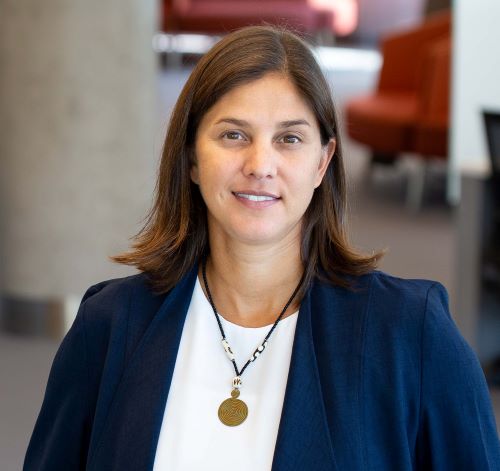
Aarushi XXX serves as a Research Fellow in the Department of Economics at the University of Bologna, Italy. Her institutional affiliation is formally maintained through the university's central academic structure in Bologna. Her educational background includes: Ph.D. in Economics from the University of Queensland (awarded February 2025) Master in Applied Econometrics from the University of Queensland BSc in Economics & Management from the University of St Andrews (with year abroad at Purdue University) Research focuses intensely on applied microeconomics within health economics, specifically examining economic burdens of non-communicable diseases. Her work quantifies impacts across conditions including infertility, obesity, colorectal cancer, chronic kidney disease, congestive heart failure, and breast cancer. This specialized niche combines econometric modeling with public health policy analysis, demonstrating methodological rigor in assessing disease-related productivity losses and healthcare system strain.
Andrew Holle is an Assistant Professor at the Mechanobiology Institute , National University of Singapore , where he leads the Confinement Mechanobiology Lab within the Department of Biomedical Engineering . His work spans mechanobiology, stem cell differentiation, cancer mechanobiology, and microfluidics, with a focus on understanding how physical confinement influences cellular behavior. Education: B.S.E. in Bioengineering (Minor in Statistics), Arizona State University (2008) Ph.D. in Bioengineering, University of California San Diego (2013) Research in the Confinement Mechanobiology Lab centers on the hypothesis that stem cell differentiation is driven by mechanical cues during migration through confined extracellular matrix (ECM) environments. The lab develops microfluidic systems to mimic ECM confinement and studies its impact on osteogenic differentiation , cancer cell migration , and cellular condensates . Recent publications highlight interdisciplinary approaches combining mechanobiology , nanotechnology , and microfluidics to explore nuclear morphological changes, volume regulation, and ligand signaling in confined cellular environments. Laboratory Members: Privita Edwina (Research Fellow) Vaishnavi Rangaraj (Research Assistant) Sriram Muthukumar (Research Fellow) Chang Ye Ji (PhD Student) Gao Xu (PhD Student) Lim Yuan Bin (PhD Student) Shinny Sunny (PhD Student) Lee Jia Wen Nicole (PhD Student) Li Yixuan (PhD Student)
Vivek Shenoy is the Eduardo D. Glandt President's Distinguished Professor at the University of Pennsylvania, with primary appointments in the Department of Materials Science and Engineering and secondary appointments in Bioengineering and Mechanical Engineering and Applied Mechanics. He leads the Multiscale Mechanobiology and Biomaterials Laboratory, which focuses on developing theoretical frameworks and numerical methods to understand complex biological and engineering systems across multiple length scales. Shenoy's research spans mechanobiology, chromatin organization, cell mechanics, and biomaterials. His work addresses the fundamental challenge of modeling how small-scale cellular phenomena couple with long-range tissue-level interactions across micrometers to centimeters. By integrating insights from soft matter physics, solid mechanics, chemistry, and applied mathematics, his group develops multiphysics continuum and mesoscale theories to elucidate mechanisms controlling both biological and engineering systems. His recent publications demonstrate an increasing focus on nuclear mechanics, chromatin organization, and the interplay between mechanical forces and gene regulation. Analysis of Shenoy's publication record reveals a strong interdisciplinary approach, with high-impact papers spanning biophysics, materials science, and cell biology. His work shows consistent evolution from fundamental mechanics of materials to complex biological systems, with recent emphasis on the mechanical regulation of chromatin architecture, cell migration dynamics in 3D environments, and mechanotransduction in development and disease. His publications appear regularly in top journals including Nature, Science, and their affiliated publications, demonstrating significant influence across multiple fields. Eduardo D. Glandt President's Distinguished Professor Multiple publications in Nature, Science, and PNAS Active research program with publications through 2025 Shenoy actively mentors students and postdocs through his laboratory, with numerous co-authored publications indicating strong mentorship. His research program appears to be well-funded through multiple grants supporting his work in mechanobiology and biomaterials. The Multiscale Mechanobiology and Biomaterials Laboratory maintains active collaborations across disciplines and institutions, reflecting the interdisciplinary nature of his research. The Multiscale Mechanobiology and Biomaterials Laboratory, housed within the Department of Materials Science and Engineering at the University of Pennsylvania, serves as the primary research hub for Shenoy's work. The lab maintains an active presence on social media (Twitter: @ShenoyLab) for updates on activities and publications. Their research approach combines theoretical modeling with experimental validation to address fundamental questions at the interface of mechanics, materials science, and biology.
Craig Davis is a Professor and holds the Bollenbach Chair in Wildlife Management at Oklahoma State University's Department of Natural Resource Ecology & Management. He has been a faculty member since 2001, advancing from Assistant Professor (2001-2007) to Associate Professor (2007-2012), and has served as Bollenbach Chair since 2014. Davis earned his PhD in Wildlife Science from Texas Tech University (1996), an MS from Iowa State University (1991), and a BS from Ohio State University (1988). He is also a Certified Wildlife Biologist through The Wildlife Society. His research focuses on avian ecology, wetland restoration, and gamebird management, with specific interests in fire-grazing interactions, invertebrate communities, and climate change impacts on ecosystems. Key areas include grassland bird survival, wetland classification systems, and the effects of anthropogenic development on wildlife habitats. Davis actively collaborates with conservation organizations and agencies, addressing challenges like invasive species management and water infrastructure resilience. Teaching responsibilities include undergraduate courses on Wildlife Management Techniques and Wetland Ecology, as well as graduate courses like Advanced Wetland Ecology. His grants emphasize wetland restoration outreach, climate adaptation strategies, and studies on northern bobwhite and wild turkey populations. Notable projects include evaluating cellular transmission technology in wildlife monitoring and assessing the impact of extreme weather on gamebird survival. Grants (Selected): Expansion of potential wetland restoration opportunities in Oklahoma (2024-2027) Linking Research and Stakeholder Engagement for Wetland Conservation (2024-2026) Effects of Extreme Weather and Hunting on Northern Bobwhite (2023-2025) Research Themes: Aligns with UN Sustainable Development Goals 15 (Life on Land), 13 (Climate Action), 6 (Clean Water), 11 (Sustainable Cities), 14 (Life Below Water), and 9 (Industry/Infrastructure).
Zainab Taleb is affiliated with the University of Windsor, contributing to research in circadian biology and its implications for digestive health. Her work focuses on the interplay between circadian rhythms, intestinal stem cells, and disease mechanisms such as colitis and tumor initiation. She participated in a university panel addressing vaccine hesitancy related to the pandemic response. Research emphasizes circadian clock genes like BMAL1 and their role in metabolic and inflammatory processes. Collaborations may involve interdisciplinary teams studying chronobiology's impact on gastrointestinal disorders and oncology. Her studies utilize animal models to investigate timing-dependent physiological responses, with potential applications in therapeutic timing strategies.
Prof. Willy Tinner is a leading academic at the University of Bern, serving as Head of the Paleoecology section and Vice Executive Director within the Institute of Plant Sciences. His research focuses on reconstructing past environmental changes through pollen analysis, vegetation dynamics, and human-ecosystem interactions. Tinner's work integrates paleoecological data with climatology, archaeology, and conservation biology to understand long-term ecological processes. His expertise spans Holocene climate impacts, Neolithic land use patterns, and biodiversity conservation challenges in alpine and Mediterranean ecosystems. Notable research includes studies on Fagus-Quercus forest coexistence in Italy, Abies alba climatic adaptations, and human-driven vegetation changes across Europe. Tinner collaborates internationally, contributing to projects in Greece, Ukraine, and the Balkans. He has published extensively on topics such as fire regimes, lake sediment archives, and the ecological consequences of ancient agricultural practices. His leadership positions reflect his role in shaping Switzerland's ecological research priorities through institutions like WSL Cadenazzo.
Professor Mark Coles serves as Professor of Immunology and Lead for Industrial Strategy and Entrepreneurship at the Kennedy Institute of Rheumatology, University of Oxford, holding concurrent roles as Kennedy Trust Senior Research Fellow, Official Fellow at Reuben College, and Affiliate Faculty at the Wolfson Centre of Mathematical Biology. His interdisciplinary work bridges immunology, computational modeling, and translational research to accelerate therapies for immune-mediated inflammatory diseases. His academic journey began with a BSc in Microbiology from Cornell University (1992), followed by a PhD in Molecular and Cell Biology at UC Berkeley under David Raulet, and postdoctoral training with Dimitris Kioussis at the National Institute of Medical Research. At the University of York (2006-2017), he pioneered stromal immunology research and co-founded the York Computational Immunology Laboratory. Coles' research centers on stromal and systems immunology, with core expertise in stromal cell biology, inflammatory disease mechanisms, and mathematical modeling of immune responses. He champions 3Rs-based approaches (Replacement, Reduction, Refinement) to reduce animal testing through in silico models, integrating spatial single-cell biology with multi-scale computational frameworks to dissect immune function in human tissues. His 2025 publications reveal a cohesive research trajectory applying interdisciplinary methods across diverse disease contexts—from cardiac fibrosis and vaccine responses to arthritis pathogenesis and CAR-T cell therapy—unified by focus on stromal-immune crosstalk and quantitative modeling to identify therapeutic targets. Key honors include: Fellow of the Royal Society of Biology Kennedy Trust Senior Research Fellow As former Director of Graduate Studies (2017-2024) at the Kennedy Institute, Coles mentored numerous graduate students while co-leading major initiatives including the Arthritis Therapy Acceleration Program and Human Cell Atlas medicalization. His entrepreneurial impact spans three co-founded ventures: Simomics Ltd (in silico disease modeling), Lightox Ltd (phototherapy for oral cancer), and Mestag Therapeutics (fibroblast-targeted therapies for cancer/inflammation). He directs the Laboratory of Stromal and Systems Immunology and Oxford Mathematical Immunology Group, fostering collaborations with Christopher Buckley, Calliope Dendrou, and Eamonn Gaffney to develop Quantitative Systems Pharmacology models that translate mechanistic insights into patient therapies.
Manuel R. Amieva is a Professor at Stanford University School of Medicine , holding joint appointments in Pediatrics - Infectious Diseases and Microbiology & Immunology . He is also a member of the Maternal & Child Health Research Institute (MCHRI) . His clinical practice at Stanford Medicine Children's Health focuses on pediatric infectious diseases. Education: Medical Education: Stanford University School of Medicine (1997) Fellowship: Stanford University Pediatric Infectious Disease Fellowship (2004) Internship & Residency: Stanford Health Care at Lucile Packard Children's Hospital (1998-1999) Dr. Amieva's research investigates host-pathogen interactions at epithelial barriers, with specific expertise in Helicobacter pylori , Listeria monocytogenes , Salmonella enterica , and Staphylococcus aureus . His lab develops innovative organoid culture systems with controlled polarity to study microbial colonization and oncogenic mechanisms. Key discoveries include: H. pylori's manipulation of epithelial junctions via the CagA protein Listeria's exploitation of cell extrusion sites for invasion Staphylococcus toxin interactions with adherens junctions Gastric stem cell activation by pathogens Recent publication trends show continued leadership in infectious disease mechanisms (2020-2025), with a focus on: Pathogen-specific epithelial breach strategies Organoid modeling of viral/bacterial interactions Redox-dependent host factor regulation Single-cell spatial transcriptomic analyses Multi-institutional educational frameworks His scientific collaborations span disciplines including: Gastric cancer genomics initiatives COVID-19 lung infection models Stem cell-microbe interactions Medical education reform projects Dr. Amieva maintains active clinical research while mentoring students in both the Microbiology & Immunology and Pediatrics programs. His lab at Stanford employs advanced 3D confocal microscopy and organ-on-a-chip technologies to visualize epithelial colonization dynamics.
Weiqiang Chen is a Professor of Mechanical and Biomedical Engineering at New York University's Tandon School of Engineering and Director of Research and PhD Programs. He holds a joint appointment at NYU Langone's Perlmutter Cancer Center as a Faculty Member of the Tumor Immunology Research Program. B.S. in Physics (Nanjing University, 2005) M.S. in Electrical Engineering (Shanghai Jiao Tong University, 2008) M.S. in Electrical and Computer Engineering (Purdue University, 2009) Ph.D. in Mechanical Engineering (University of Michigan, 2014) His research focuses on Lab-on-a-Chip , Organ-on-Chip systems, Biomaterials , and Mechanobiology , with applications in cancer biology, stem cell engineering, and immune monitoring. He pioneers microfabrication technologies for real-time observation of cellular interactions, including CAR T-cell immunotherapy efficacy and tumor microenvironment dynamics. Recent grants include NSF funding for leukemia bone marrow niche modeling, NIH Trailblazer Awards for glioblastoma immunotherapy research, and collaborations with the Arthritis Foundation for synovium-on-chip rheumatoid arthritis studies. His work has been supported by over $2M in federal and institutional research funding. National Science Foundation (NSF) grants for leukemia-on-chip and glioblastoma modeling National Institutes of Health (NIH) awards for immunotherapy research American Heart Association fellowships and institutional training programs Chen's scientific awards include the American Heart Association Fellow distinction, multiple Young Investigator Awards from Lab on a Chip and Biomedical Engineering Society, and recognition for his dissertation on nanotopography in stem cell differentiation. He leads the Applied Micro-Bioengineering Laboratory (AMBL) , which develops microphysiological systems for drug testing and personalized medicine. His team has created the first immunocompetent leukemia-on-a-chip for CAR T-cell therapy screening and glioblastoma models that enable patient-specific immunotherapy validation.
Dr. Susan Hua is an Associate Professor at the University of Newcastle's School of Biomedical Sciences and Pharmacy, specializing in translational nanopharmaceutics and therapeutic targeting. She established the first translational nanopharmaceutics laboratory in the Hunter region, focusing on drug delivery systems for gastrointestinal, musculoskeletal, and reproductive pathologies. Education: Bachelor of Pharmacy with Honours, University of Queensland (UQ) PhD in Neuroscience and Nanotechnology, UQ Research Interests: Her work centers on using nanotechnology to create targeted drug delivery systems for diseases such as chronic pain, inflammatory conditions, and obstetric complications. Key focuses include oxytocin receptor-targeted liposomes for uterine therapies and localized drug delivery to bypass biological barriers. Awards & Recognition: 2020 DVC(A) Educator Innovation Award 2017 NSW Premier's Early Career Researcher of the Year 2015 HMRI Early Career Researcher of the Year Grants & Collaborations: A/Prof Hua has secured over $5.5M in grants, including NHMRC and ARC funding. She collaborates with institutions like HMRI, John Hunter Hospital, and global teams on projects like nanoparticle-based treatments for preterm labor and uterine hemorrhage. Teaching & Leadership: She coordinates pharmacy programs, emphasizing clinical application and innovation. Her courses include Pharmacotherapeutics and Pharmacy Practice, with awards for teaching excellence (2020, 2011). Labs & Programs: Head of Therapeutic Targeting Program, University of Newcastle Director, Translational Pharmaceutics & Medical Technologies Theme (HMRI)
Prof Terry O'Neill serves as Executive Dean at the Bond Business School , Bond University, while also holding the title of Professor and Director at the Centre for Data Analytics. His research spans applied statistics , big data analytics , and financial modeling , with over 80 publications (20% in A* journals). Grants: Lead investigator on five ARC Discovery/Linkage grants totaling $2.99M, including studies on retirement savings, climate change modeling, and financial crisis resilience. Research Trends: Focus on financial literacy , retirement economics , and myelopoiesis , bridging finance with computational biology through collaborations with his spouse Helen O'Neill. Academic Leadership: Established Bond University's University Centre in Actuarial and Financial Big Data Analytics to elevate institutional research prominence in data science.
Massimo Mischi is a Full Professor at the Faculty of Electrical Engineering of the Eindhoven University of Technology (TU/e) and chairs the Signal Processing Systems (SPS) Division , the largest division at TU/e with over 250 researchers. He founded the Biomedical Diagnostics (BM/d) Lab in 2012, which now includes 180 researchers and clinical/industrial advisors, focusing on biomedical signal processing for diagnostics and monitoring.
Prof. Waldemar Kolanus leads the Molecular Immunology and Cell Biology department at the University of Bonn's Life & Medical Sciences Institute (LIMES) . His research bridges immunoregulation , stem cell dynamics , and metabolic stress responses in immune cells. Unit 2 member at LIMES Principal investigator in SFB 704 and ImmunoSensation Cluster Leads a multidisciplinary lab with postdocs, PhD students, and technical staff His work focuses on intracellular signaling pathways connecting immune activation to tissue homeostasis, particularly through: Cytohesin proteins in integrin-mediated adhesion and migration TRIM71 in stem cell regulation and congenital hydrocephalus High-salt environments affecting macrophage function Publication trends show expertise in immune cell migration , genetic models , and chemical inhibition , with frequent use of mice and zebrafish for in vivo studies. Key articles explore: TRIM71's dual role in auditory development and germ cell maintenance Cytohesin family's Golgi regulation and insulin signaling Ruxolitinib's off-target migration inhibition of dendritic cells Contact details: Address: LIMES Institute, Carl-Troll-Straße 31, Bonn Email: kolanus.sekretariat@uni-bonn.de Phone: +49 228 73-62788
Dr. Manisha Kulkarni is a Professor at the School of Epidemiology and Public Health, University of Ottawa, where she holds the University Research Chair in Climate Change and Emerging Diseases. She is also the Director of the INSIGHT (Interdisciplinary Spatial Informatics for Global Health) research lab and serves as Scientific Director of the Canadian Lyme Disease Research Network (TickNet Canada). Her work spans global public health, with a focus on vector-borne and zoonotic diseases. PhD in Medical Entomology, McGill University (2006) BSc in Environmental Biology, McGill University (2001) Dr. Kulkarni's research centers on the socio-ecological determinants of infectious disease emergence, particularly malaria, Lyme disease, and West Nile virus. She applies population surveys, entomological field sampling, molecular diagnostics, and GIS to study spatio-temporal patterns and the impacts of climate change and landscape transformation on disease transmission. Her work emphasizes One Health approaches and capacity building in low-resource settings. Her recent research trends show a strong focus on geospatial modeling of vector-borne diseases, climate change adaptation, urban tick surveillance, and international collaborations in Tanzania, Benin, and Latin America. She leads interdisciplinary projects integrating drone mapping, citizen science (e.g., eTick.ca), and community participation to identify disease risk factors. Scientific awards and recognitions include: University Research Chair in Climate Change and Emerging Diseases Ontario Early Researcher Award Faculty of Medicine Award for Leadership in Global Health (2023) Researcher of the Year, Faculty of Medicine (2019) Member, College of New Scholars, Royal Society of Canada NSERC Discovery Grant and CIHR funding Dr. Kulkarni has successfully advised multiple PhD and Master’s students and leads major funded projects supported by CIHR, PHAC, CFI, IDRC, and NSERC. She has held leadership roles as Associate Dean of Global Health (2021–2024) and currently serves on the CIHR Institute of Infection and Immunity advisory board. Her lab, INSIGHT, fosters an interdisciplinary training environment combining field, lab, and analytical methods for global health research. Key research teams and collaborations include: INSIGHT Lab, University of Ottawa Pan-African Malaria Vector Research Consortium (PAMVERC) Canadian Lyme Disease Research Network (TickNet Canada) London School of Hygiene & Tropical Medicine (LSHTM) National Microbiology Lab, PHAC Centre de Recherche Entomologique de Cotonou (CREC), Benin
Konstantinos Anastassiadis is a Professor at the Center for Molecular and Cellular Bioengineering (CMCB) of Dresden University of Technology , leading the Stem Cell Engineering group at the Biotechnology Center (BIOTEC) . His research focuses on unraveling molecular pathways regulating stem cell self-renewal and lineage commitment, with a strong emphasis on genetic engineering tool development and epigenetic mechanisms during cellular reprogramming. The lab utilizes mouse and human embryonic stem cells, neural stem cells, mesenchymal stromal cells, and induced pluripotent stem cells (iPSCs) in their investigations. Core Research Areas: Molecular regulation of stem cell fate Epigenetic mechanisms (e.g., UTX/UTY histone demethylases) Genetic engineering tool development (Flp, Dre, Vika recombinases, CRISPR protocols) Conditional immortalization systems for rare cell expansion Publications highlight his contributions to understanding: Role of histone methyltransferases (MLL1, MLL2, Setd1b) in hematopoiesis and cancer Epigenetic regulation during mouse development and spermatogenesis Genetic tools for protein tagging, transposon-mediated BAC transgenesis Interactions between stem cells and niche microenvironments Transcriptional and mechanical markers during reprogramming Collaborations span immunology , developmental biology , and bioinformatics . The lab actively participates in teaching activities at CMCB and maintains a focus on translational applications of stem cell research.