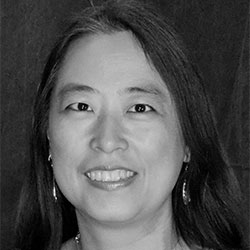
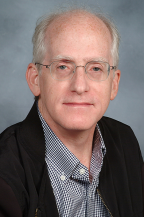
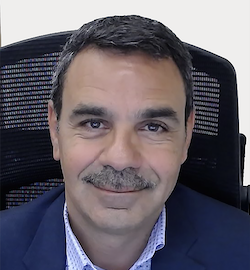
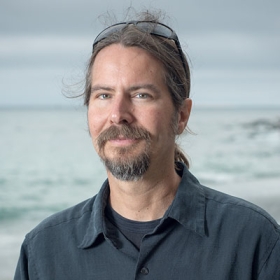
Dr. Yanhua (Jennifer) Xie is an Associate Professor at New York Institute of Technology College of Osteopathic Medicine , specializing in chronic pain research and neuroregeneration. Her work focuses on ( i ) non-opioid therapeutic development, ( ii ) stem cell/exosome-based neural repair, and ( iii ) mechanistic studies of cephalic, neuropathic, and cancer pain. She actively employs osteopathic manipulative treatment (OMT) principles in pain alleviation research. University: New York Institute of Technology School: College of Osteopathic Medicine Department: Biomedical & Anatomical Sciences Academic Rank: Associate Professor Research Themes: Her publications reveal expertise in Neuropharmacology (opioid alternatives, receptor antagonists), Neural Stem Cell Biology (nanomaterial-driven differentiation, exosomal therapies), and Chronic Pain Mechanisms (neuroinflammation, migraine, neurofibromatosis pain). Key trends include gold nanorods for oligodendrocyte differentiation (2022), capsaicin receptor targeting for migraine (2016), and CRMP2 inhibition for neuropathic pain (2016-2017). Notable Awards & Grants: Recipient of federal grants for ( i ) chronic pain therapies, ( ii ) neuroregeneration, and ( iii ) migraine research. Scientific recognition includes PLOS ONE and PNAS publications.
Keith Purpura is an Associate Professor of Neuroscience at Weill Cornell Medicine's Brain and Mind Research Institute. He has maintained a continuous academic appointment since 1993, progressing from Assistant Professor to Associate Professor in 2000. His research spans two primary areas of neuroscience: the role of eye movements in visual cortical processing and the therapeutic application of thalamic deep brain stimulation for cognitive disorders. Dr. Purpura received his Ph.D. from The Rockefeller University in 1988 under Drs. Robert Shapley and Ehud Kaplan, followed by post-doctoral work with Dr. Jonathan Victor at Cornell University Medical College and a visiting scientist position at the NIH's National Eye Institute (1991-1993). His undergraduate studies spanned Mannes College of Music, New York University, and Columbia College. His laboratory investigates how eye movements influence neural activity patterns across the visual cortical hierarchy, hypothesizing that these movements generate and access communication channels across cortical areas. Concurrently, in collaboration with Dr. Jonathan Baker, he develops deep brain stimulation techniques targeting the central thalamus to treat disorders of consciousness following traumatic brain injury, which affects over 2 million Americans annually. Analysis of his publication record reveals consistent focus on neural network dynamics, visual processing mechanisms, and translational applications of brain stimulation. His work bridges computational neuroscience with clinical applications, particularly in understanding how cortical networks process visual information and how brain stimulation can restore cognitive function. Searle Award (Post-doctoral support) Charles H. Revson Foundation (Post-doctoral support) McDonnel-Pew Research Program in Cognitive Neuroscience Award Visiting Scientist, National Eye Institute, NIH: 1991-1993 NIH NINDS-K04 Career Development Award 17 summers of research at Marine Biological Laboratory, Woods Hole Dr. Purpura currently serves as Principal Investigator on an NIH National Eye Institute grant (2022-2026) studying eye movements in visual processing networks and as Co-Principal Investigator on an NINDS grant (2020-2025) for central thalamic deep brain stimulation. His laboratory includes collaborators Jonathan L. Baker and Jae-Wook Ryou, and he established both the alert primate physiology laboratory and visual neurophysiology laboratory at Weill Cornell.
Khaled Machaca is a Professor of Physiology and Biophysics at Weill Cornell Medicine-Qatar, where he also serves as Senior Associate Dean for Research, Innovations, and Commercialization. His academic work focuses on understanding intracellular signaling pathways under physiological conditions and how they are disrupted under pathological states. Dr. Machaca's research program centers on three main areas: Ca 2+ signaling & ER-plasma membrane contact sites, nongenomic progesterone signaling, and cellular models for personalized medicine. His laboratory employs a multidisciplinary approach combining animal models (mouse and Xenopus), advanced microscopy, cell physiology, genetic, and biochemical techniques to investigate these complex biological processes. His work on Ca 2+ signaling examines the regulation of store-operated Ca 2+ entry (SOCE) during cellular differentiation and in disease states, with particular interest in Ca 2+ tunneling as an emerging signaling pathway in secretory tissues. His research on nongenomic progesterone signaling uses Xenopus oocyte maturation as a model system to elucidate early signaling steps that do not involve transcription. In personalized medicine, he collaborates with clinicians at SIDRA to combine multiomic phenotyping with patient-specific cellular models for immunodeficiencies. Dr. Machaca's recent publications demonstrate a strong focus on calcium signaling mechanisms across multiple biological contexts, from basic cellular processes to clinical applications. His work bridges fundamental cell biology with translational research, particularly in immunology, reproductive biology, and metabolic disorders. As head of the Machaca Lab at WCM-Q, he leads a research team investigating how intracellular signaling pathways function under normal conditions and become disrupted in disease states. His laboratory serves as a hub for collaborative research between basic scientists and clinicians, particularly through partnerships with SIDRA Medical.
Viktor B. Fenik, PhD is an Associate Professor in the Department of Neuroscience and Experimental Therapeutics at Albany Medical College's School of Medicine. He co-leads the Sleep and Sleep Disorders Laboratory with Dr. Rukhadze and has maintained continuous NIH funding for his research since 2009, focusing on sleep and respiratory neurobiology. Dr. Fenik received his PhD in Physiology from the Ukrainian National Academy of Sciences in 1991, followed by postdoctoral training at the University of Pennsylvania in 1998. His academic background combines biophysics and physiology with specialized expertise in in vitro and in vivo electrophysiology. Dr. Fenik's research focuses on the neurobiological mechanisms underlying sleep-related breathing disorders, particularly obstructive sleep apnea (OSA). He pioneered the discovery of noradrenergic mechanisms responsible for sleep-related depression of upper airway muscles, which laid groundwork for clinical trials using atomoxetine and oxybutynin to treat OSA. His laboratory identified the 'pre-hypoglossal region' (PHR) as containing interneurons that control state-dependent activity of hypoglossal motoneurons using a1-noradrenergic and NMDA glutamatergic receptors. Current research investigates PHR interneuron function, neurochemical phenotype, and connectivity to develop novel therapeutic targets for OSA. Analysis of Dr. Fenik's recent publications reveals consistent focus on neural control of upper airway muscles during sleep, particularly noradrenergic and other neurotransmitter systems regulating hypoglossal motoneuron activity. His work combines electrophysiological, pharmacological, and computational approaches to understand sleep-related breathing disorders. A significant theme across his research is how chronic intermittent hypoxia affects neural control of the upper airway, with direct implications for understanding OSA pathophysiology and treatment. NIH-funded research since 2009 Co-leader of the Sleep and Sleep Disorders Laboratory with Dr. Rukhadze Pioneered research on noradrenergic mechanisms in sleep-related upper airway control Work laid groundwork for clinical trials using atomoxetine and oxybutynin to treat OSA Identified the 'pre-hypoglossal region' (PHR) as critical for upper airway muscle control during sleep Dr. Fenik's laboratory utilizes diverse techniques including electrophysiology, pharmacological interventions, immunohistochemistry, and computational modeling. His research bridges basic neuroscience with clinical applications in sleep medicine, contributing to development of targeted pharmacological interventions for sleep-related breathing disorders.
Joseph Schulz is a Professor in the Biology Department at Occidental College , where he has been appointed since 2004. His academic journey includes a B.S. from Indiana University and a Ph.D. from UC San Diego. Academic Appointments : Professor of Biology (Occidental College, 2004–present) Education : B.S. (Indiana University), Ph.D. (UC San Diego) Contact : Office in Bioscience 308, jschulz@oxy.edu, (323) 259-1408 Dr. Schulz's research focuses on the evolution and functional activity of venom peptides in fish-hunting cone snails. His laboratory combines biochemistry, molecular biology, and electrophysiology to investigate neurotoxins with biomedical applications, particularly their role in prey capture mechanisms and potential therapeutic uses. The selected publications highlight trends in venom peptide characterization, biomechanics of venom delivery systems, and neurotoxin interactions with ion channels. Research spans structural analysis of neuroexcitatory peptides, high-speed predatory mechanisms, and comparative studies of venom composition across species and time.
John Hernandez is an Assistant Professor of Neuroscience (Research) at Brown University, investigating neural and molecular mechanisms of alcohol preference/avoidance in Drosophila melanogaster using operant behavior, thermogenetics, optogenetics, and 2-photon calcium imaging. He actively mentors underrepresented trainees in academia and collaborates extensively within Brown's neuroscience community. His educational background includes: PhD (2019) from University of Massachusetts Amherst MSc (2012) from Texas A&M University - Corpus Christi BSc (2010) from Texas A&M University - Corpus Christi Research focuses on addiction mechanisms , alcohol-related neural circuits , and transcriptional changes in model organisms. Current work examines stress-induced alterations in alcohol preference pathways using advanced Drosophila paradigms, bridging molecular neuroscience with behavioral analysis. Publication trends (2012-2024) reveal consistent emphasis on invertebrate models (Drosophila/Aplysia) to dissect reward circuits, with progressive methodological sophistication from electrophysiology to RNA-sequencing. Key themes include neural encoding of alcohol preference, stress-alcohol interactions, and mitochondrial dynamics in addiction pathways. Scientific recognition includes: ARC Scholar award (Carney Institute, 2022-2024) NRSA Postdoctoral Fellowship (2021-2024) Multiple Gordon Conference best poster awards (2022, 2024) RSA Junior Investigator Award (2022) Secured significant funding through the ARC Scholar program (2022-2024) and NRSA fellowship ("Open bar assay" project, 2021-2024), supporting his Drosophila addiction research. Collaborates primarily with Dr. Karla Kaun's lab while maintaining independent research direction. Integral member of Brown's neuroscience ecosystem through the Kaun Lab, contributing to a collaborative environment focused on genetic, molecular, and cellular mechanisms of addiction using multidisciplinary approaches.
Hyoung-gon Lee is an Associate Professor in the Department of Neuroscience, Developmental and Regenerative Biology at the University of Texas at San Antonio (UTSA), College of Sciences. He holds the prestigious John H. Doran, M.D., F.A.C.P., Endowed Distinguished Professorship in Peripheral Neuropathy, reflecting his significant contributions to the field of neurodegenerative diseases. Ph.D. in Pathology, Case Western Reserve University M.S. in Microbiology, Hallym University B.S. in Biology, Hallym University Dr. Lee's research is centered on the molecular mechanisms underlying Alzheimer's disease and neurodegeneration. His work explores key pathological processes including oxidative stress, mitochondrial dysfunction, autophagy impairment, metal dyshomeostasis, and DNA oxidation. He investigates how these interconnected pathways contribute to neuronal failure and cognitive decline, aiming to identify novel therapeutic targets. His research integrates neuropathology, biochemistry, and cell biology to understand the fundamental causes of neurodegenerative disorders. The analysis of Dr. Lee's recent publications reveals a consistent focus on Alzheimer's disease pathogenesis, particularly through the lens of oxidative stress and bioenergetic failure. His articles, predominantly review papers, synthesize current knowledge on mitochondrial dysfunction, metal imbalances, and autophagy in neurodegeneration, indicating his role as a thought leader and integrator of complex biological concepts. The publications span high-impact journals in neuroscience and biochemistry, showcasing sustained scholarly output and collaboration with leading researchers in the field. Dr. Lee has received notable recognition through the John H. Doran, M.D., F.A.C.P., Endowed Distinguished Professorship in Peripheral Neuropathy. As an Associate Professor, Dr. Lee is likely involved in mentoring graduate students and postdoctoral researchers, although specific names are not listed in the provided text. His active publication record since 2002, including articles funded by likely institutional or federal grants, indicates sustained research productivity. While specific grants are not mentioned, his research focus suggests eligibility for funding from agencies such as the National Institute on Aging (NIA) and the National Institute of Neurological Disorders and Stroke (NINDS). Dr. Lee conducts his research at UTSA, with his office located in the Science and Engineering Building (SEB 4.162), indicating affiliation with a modern research facility equipped for neuroscience and molecular biology studies. He likely leads or is a senior member of a research laboratory focused on neurodegeneration, contributing to UTSA's vision of cutting-edge research and scientific impact.
Andrea Michelle Green is an Associate Professor in the Department of Neuroscience at the Faculty of Medicine, University of Montreal. Her research focuses on sensorimotor control, sensory contributions to motion estimation in space, motor task learning, and computational models of neural systems. She works in Pavillon Paul-G.-Desmarais, local 4137, and can be reached at andrea.green@umontreal.ca . Neural basis of sensorimotor control Sensory contributions to motion estimation Motor task learning and behavioral adaptation Computational models of neural systems Her recent research explores the role of vestibular signals in voluntary movement, reference frame transformations, and cortico-basal ganglia circuits for action selection. She has secured significant grants from NSERC, CIHR, Brain Canada, and FRQNT for interdisciplinary studies on spatial motion estimation and motor planning. Notable projects include Interdisciplinary studies of spatial motion estimation and motor planning (2025-2032) and EthoLab: A platform for neurophysiological studies of natural behavior (2025-2028). Her work bridges experimental and theoretical neuroscience, emphasizing embodied decision-making and dynamic sensorimotor integration. Green has supervised multiple M.Sc. theses, including those of Simon Haché (2024) on vestibular contributions to trajectory selection and Poune Mirzazadeh (2024) on cortico-basal ganglia circuits for action decisions. She is affiliated with the SNC research group and the interdisciplinary CIRCA center.
Nirupa Chaudhari, Ph.D. , is a Professor of Physiology and Biophysics at the University of Miami Miller School of Medicine , with a secondary appointment in Otolaryngology. Her research spans molecular and physiological aspects of sensory transduction, cell-to-cell communication, and cellular diversity in mammalian taste systems. Education 1980: Ph.D. in Molecular Biology, University of South Carolina 1973: MS in Embryology, University of Poona, India 1971: BS in Zoology, University of Poona, India Her work integrates single-cell RNAseq , transgenic mouse models , and high-resolution imaging to study taste receptor cells, neurotransmitter detection, and neural circuits underlying sensory perception. Current projects focus on molecular diversity of sensory neurons and their roles in metabolic and reflex functions. The lab's recent publications (2020-2022) highlight advancements in cranial sensory neuron imaging , tripartite synapses in taste buds , and GABA signaling in taste processing , reflecting interdisciplinary approaches combining molecular, anatomical, and behavioral assays. Scientific Awards Association for Chemoreception Sciences / Ajinomoto Award for Research in Gustation Finalist for Ph.D. Dissertation Award, University of South Carolina The Chaudhari Lab utilizes calcium reporter proteins , confocal microscopy , and NIH-funded research spanning over 30 years to advance understanding of sensory processes impacting human physiology, communication, and quality of life. The lab actively recruits postdocs and research associates.
Keisuke Yonehara is a Visiting Researcher at DANDRITE - Yonehara Group , Aarhus University, Denmark. His research spans neuroscience, neurobiology, and neuromodulation. Education: D.V.M., Ph.D. His research focuses on retinal ganglion cell dynamics, amacrine cell function, and neuromodulation mechanisms. He investigates how neural circuits encode visual information and how interventions like vagus nerve blockade affect anesthesia and neural oscillations. Recent publications highlight advancements in retinal circuit analysis and clinical neuromodulation applications , including open-source tools like RoentVR for neuroscience research. Yonehara leads projects on vagus nerve modulation, retinal computational motifs, and brain network topology, funded by organizations such as Jascha Fonden . Collaborations: S. Arvin, A. Glud, A. Matsumoto.
Dr. Kimberly S. Williams serves as an Associate Professor in the Environmental and Health Sciences Department at Spelman College since 2018. Her translational research program investigates neuroinflammatory mechanisms in neurodegenerative disorders with emphasis on HIV-associated neurocognitive disorders (HAND) and PTSD, particularly examining estrogen's neuroprotective role in aging women living with HIV. Education Background: Ph.D. in Neuroscience, University of North Carolina at Chapel Hill (2015) B.S. in Biology (Chemistry minor), Johnson C. Smith University Research Focus: Dr. Williams' work centers on neuronal responses to neuroinflammatory stimuli (oxidative stress, cytokines), neuroprotective mechanisms against excitotoxicity, and molecular pathways of neuronal loss in Alzheimer's Disease, PTSD, and HAND. Her current laboratory employs cross-disciplinary approaches to study macrophage/microglial interactions in the CNS, with specific attention to sex hormone fluctuations during menopause in HIV+ women. This research bridges virology, immunology, and neuroendocrinology to identify novel therapeutic targets for neuroinflammatory conditions. Publication Trends: Analysis of her 2008-2021 publications reveals progressive specialization in neuroimmune crosstalk within HIV neuropathology, evolving from marine toxicology to advanced CNS models. Key trajectories include p75 neurotrophin receptor modulation (2012-2021), macrophage phenotype regulation (2015), and recent hiPSC-based HIV persistence studies (2020). Her work consistently integrates hormonal influences with neuroinflammation, highlighting translational pathways for HAND therapeutics. Scientific Recognition: HHMI scholar for translational research certification PENN-PORT postdoctoral fellowship (IRACDA program) NIGMS T32 fellowship NIMH F31 predoctoral fellowship Mentorship and Funding: Dr. Williams leverages NIH-funded fellowships to advance diversity in neuroscience through structured mentorship. Her lab develops student research capacity in neuroimmunology techniques while securing grants focused on estrogen-mediated neuroprotection in comorbid HIV/PTSD. She actively participates in Spelman's Research Day and directs student projects through the Research Inquiries in Health Science course. Research Infrastructure: Her laboratory in the Albro-Falconer-Manley Science Center utilizes cell culture models to investigate neuroimmune interactions, with current projects examining flaxseed lignin derivatives and estrogen signaling pathways as therapeutic interventions for neuroinflammation in aging populations with HIV.
Michelle H. Theus is a Professor of Molecular and Cellular Neurobiology at the Department of Biomedical Sciences and Pathobiology , Virginia-Maryland College of Veterinary Medicine, Virginia Tech. She serves as Director of the Neurotrauma Research Program and co-director of the Translational Biology, Medicine, and Health Graduate Program. Education: PhD in Neuropathology and Laboratory Medicine (2006), Medical University of South Carolina; Board Certifications in Clinical Laboratory Science and Histocompatibility Research Focus : Her work investigates Eph receptor signaling in neurovascular and neuroimmune responses after brain injury. Key areas include cerebrovascular remodeling, neuroinflammation, neurogenesis, and therapeutic peptide development for post-traumatic epilepsy and stroke recovery. Publications (2022-2025) emphasize single-cell transcriptomics of immune responses STING signaling in microglia EphA4’s role in efferocytosis collateral vessel mechanisms in stroke Her lab employs murine models and advanced imaging to study neurovascular integrity and innate immunity modulation. Grant Funding includes multiple NIH R01 awards (2019-2026) targeting age-dependent immunity in TBI, inflammation suppression, and stroke-related arteriogenesis.
Dr. Igor Timofeev is a Full Professor in the Department of Psychiatry and Neuroscience at Université Laval's Faculty of Medicine. His research focuses on corticothalamic oscillations during sleep and waking states, synaptic plasticity, and the pathophysiology of epilepsy, with a strong emphasis on memory consolidation and brain injury outcomes. He is affiliated with the Centre de recherche de l’Institut universitaire en santé mentale de Québec (CRIUSMQ). PhD in Physiology from Bogomolets Institute of Physiology (1993, Ukraine) Postdoctoral training at Université Laval (1994-2000) Dr. Timofeev's research explores: Thalamocortical mechanisms in slow-wave sleep and memory Epileptogenesis following brain trauma Thalamic regulation of cortical synchronization His work combines electrophysiology, optogenetics, and computational modeling to address fundamental questions in neuroscience. Scientific awards include: 1996-2000: Savoy Foundation and FRSQ fellowships 2003-2008: CIHR scholar 2006, 2016: Prix Jacques-Leblanc and John Kershman Lecture 2009: NSERC and Georgia Science Foundation certificates Dr. Timofeev supervises PhD and Master's students in thalamocortical research. His lab receives funding from Canadian Institutes of Health Research (CIHR) and Natural Sciences and Engineering Research Council (NSERC), including a 2024 NSERC grant for 'Thalamic Gating During Sleep Oscillations.' Based at the CERVO Brain Research Centre, his team includes research assistants, technicians, postdoctoral fellows, and graduate students, with a focus on in vivo electrophysiology and translational models of neurological disorders.
Astrid Sandra Cardona is the Jane & Roland Blumberg Professor in Biology and Chair of the Department of Molecular Microbiology and Immunology at The University of Texas at San Antonio (UTSA). She is a leading researcher in neuroimmunology, focusing on mechanisms of tissue damage in autoimmune diseases like multiple sclerosis and diabetic retinopathy, particularly the role of immune cells, microglia, and chemokine signaling in disease progression. University: The University of Texas at San Antonio School: College of Sciences Department: Molecular Microbiology and Immunology Research interests center on neuroinflammation, microglia-immune-neuron interactions, and translational therapies for neurodegenerative disorders. Her work explores how fractalkine-CX3CR1 signaling modulates inflammation and recovery in diabetic retinopathy and multiple sclerosis models. Recent publications highlight her contributions to understanding: Microglia depletion strategies in diabetic retinopathy Fractalkine isoform functions in retinal inflammation CX3CR1's role in neuroautoimmune diseases Epigenetic regulation of neurogenic niches Scientific awards include the endowed Jane & Roland Blumberg Professorship in Biology at UTSA. She also co-developed a Ph.D. program in molecular microbiology and immunology to address specialist shortages in Texas. Advising and mentorship emphasize training students in advanced immunological techniques, with lab members like doctoral student Borna Sarker. She and her sister Sandra Cardona collaborate closely, promoting first-generation student success in STEM.
Dr. Kimberly L. McArthur is an Assistant Professor of Biology at Southwestern University in Georgetown, Texas, where she has been teaching since 2019. Her research focuses on neural circuit development using larval zebrafish as a model organism to explore fundamental questions about how neural circuits form and function. Education: Ph.D. in Neuroscience from Washington University in St. Louis (2011) B.A. in Biology from Gustavus Adolphus College in Saint Peter, MN (2004) Dr. McArthur's research investigates how neurons choose synaptic partners, how these partnerships change over time and respond to disruptions, and what consequences these have for circuit function and behavior. Her lab directly observes circuit development in the hindbrain of larval zebrafish using electrophysiology, neuronal tracing, calcium imaging, and behavioral analysis. Her work bridges developmental biology and neuroscience to understand the fundamental principles of neural circuit formation. Her recent publications (2023-2024) demonstrate a continued focus on the structural and functional organization of cranial motor neurons, examining dendritic topography, respiratory circuit development, and activity-dependent refinement of neural connections. These works build on her earlier research exploring the resilience of neural circuits to disruptions in neuronal migration, revealing surprising robustness in neural circuit organization. Mentoring Achievements: Annika Tracy '25 won first place undergraduate talk award for neuroscience section based on collaboration with Dr. McArthur Multiple student co-authors on recent publications including Emma Astad '21, Emmett Griffin-Baldwin '22, Bria Tovar '22, and Vivian Tovar '22 Dr. McArthur actively mentors undergraduate researchers in her lab, providing hands-on experience with cutting-edge neuroscience techniques. Her teaching portfolio includes courses in developmental biology, neurobiology, and explorations in biology, where she emphasizes scientific thinking and critical analysis of primary literature. Her laboratory in Fondren-Jones 207 utilizes the larval zebrafish model system to directly observe neural circuit development through electrophysiology, transgenic approaches, and imaging techniques.