معرفی
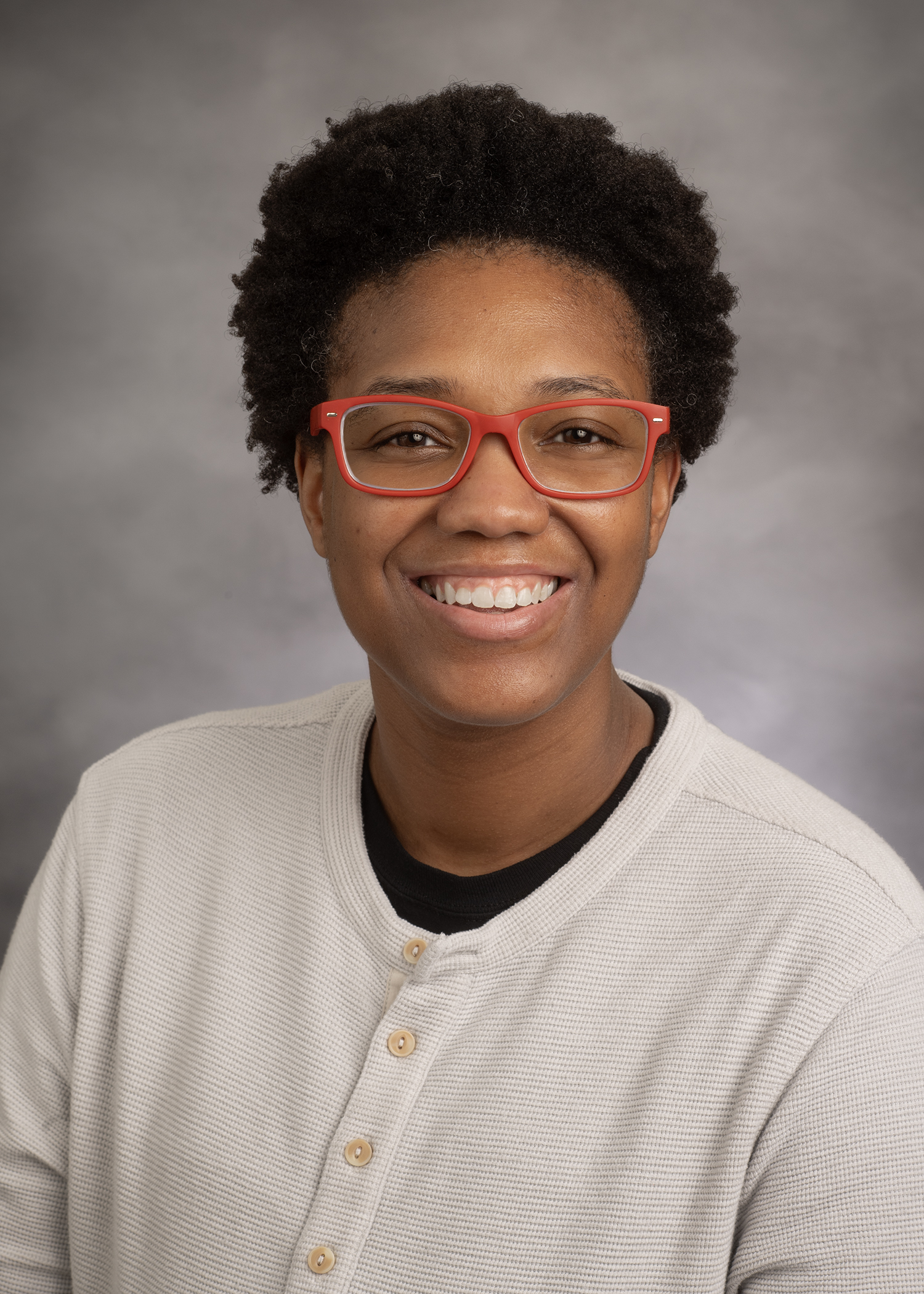
Dr. Kimberly S. Williams serves as an Associate Professor in the Environmental and Health Sciences Department at Spelman College since 2018. Her translational research program investigates neuroinflammatory mechanisms in neurodegenerative disorders with emphasis on HIV-associated neurocognitive disorders (HAND) and PTSD, particularly examining estrogen's neuroprotective role in aging women living with HIV.
Education Background:
- Ph.D. in Neuroscience, University of North Carolina at Chapel Hill (2015)
- B.S. in Biology (Chemistry minor), Johnson C. Smith University
Research Focus: Dr. Williams' work centers on neuronal responses to neuroinflammatory stimuli (oxidative stress, cytokines), neuroprotective mechanisms against excitotoxicity, and molecular pathways of neuronal loss in Alzheimer's Disease, PTSD, and HAND. Her current laboratory employs cross-disciplinary approaches to study macrophage/microglial interactions in the CNS, with specific attention to sex hormone fluctuations during menopause in HIV+ women. This research bridges virology, immunology, and neuroendocrinology to identify novel therapeutic targets for neuroinflammatory conditions.
Publication Trends: Analysis of her 2008-2021 publications reveals progressive specialization in neuroimmune crosstalk within HIV neuropathology, evolving from marine toxicology to advanced CNS models. Key trajectories include p75 neurotrophin receptor modulation (2012-2021), macrophage phenotype regulation (2015), and recent hiPSC-based HIV persistence studies (2020). Her work consistently integrates hormonal influences with neuroinflammation, highlighting translational pathways for HAND therapeutics.
Scientific Recognition:
- HHMI scholar for translational research certification
- PENN-PORT postdoctoral fellowship (IRACDA program)
- NIGMS T32 fellowship
- NIMH F31 predoctoral fellowship
Mentorship and Funding: Dr. Williams leverages NIH-funded fellowships to advance diversity in neuroscience through structured mentorship. Her lab develops student research capacity in neuroimmunology techniques while securing grants focused on estrogen-mediated neuroprotection in comorbid HIV/PTSD. She actively participates in Spelman's Research Day and directs student projects through the Research Inquiries in Health Science course.
Research Infrastructure: Her laboratory in the Albro-Falconer-Manley Science Center utilizes cell culture models to investigate neuroimmune interactions, with current projects examining flaxseed lignin derivatives and estrogen signaling pathways as therapeutic interventions for neuroinflammation in aging populations with HIV.