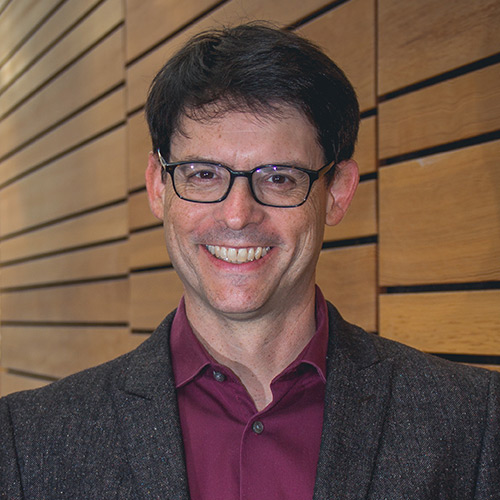
Michael McAlpine is a Professor in the Mechanical Engineering department at the University of Minnesota . He also holds affiliations with the Biomedical Engineering and Electrical and Computer Engineering departments. His research focuses on 3D printing functional materials & devices , Nanoscale inks , Biomedical devices , Bioelectronics , and Flexible Microsystems . Research Interests : 3D Printing, Biomedical Engineering, Nanotechnology, Flexible Electronics, Microfluidics Labs : ME 361/363 Contact : mcalpine@umn.edu , (612) 626-3303, ME 117 Recent Research Trends include 3D Printed Biomedical Devices , Flexible Electronics , and Bioprinting Applications . His work spans from Spinal Organoid Formation to Programmable Drug Release Capsules . Scientific Award : Circulation Research 2020 Best Manuscript Award
Carina Mallard is Professor of Experimental Perinatal Brain Injury Research and Pro-Vice-Chancellor at the University of Gothenburg since July 2023, where she oversees research infrastructure and chairs the Research Board. She previously served as Deputy Vice-Chancellor (2021–2023) and Head of Core Facilities (2018–2021). Her academic career began with a Physiology degree from Lund University and a PhD in Pediatrics at the University of Auckland (1995), followed by a professorship appointment in 2006. Her research focuses on perinatal brain injury , particularly in premature infants , investigating neuroinflammatory mechanisms maternal dietary interventions neurovascular unit dynamics microglia activation long-term consequences of maternal obesity . Recent publications highlight her work on neonatal rodent models , transcriptomic profiling , and anti-inflammatory therapies . Key themes include RNA degradation , mitochondrial protection , and immune-neurovascular interactions . She has supervised 20 doctoral students since 2004 and collaborates internationally with institutions like King's College London. Contact details include two institutional emails and physical addresses across Gothenburg's biomedical campuses. Her leadership roles span research strategy, doctoral education, and EU-level scientific initiatives.
Mayo Clinic College of Medicine and ScienceUnited States
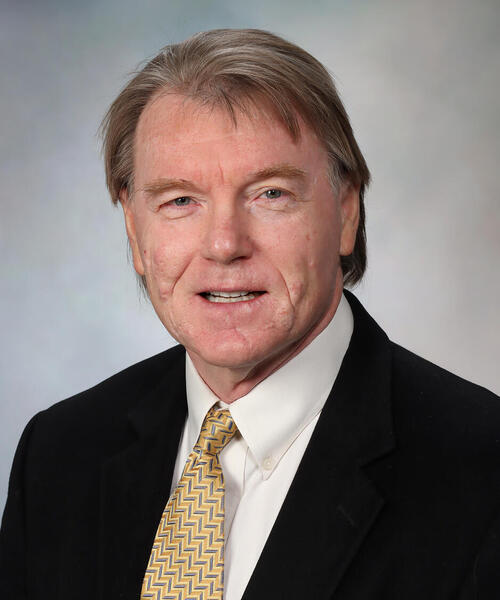
Dr. John A. Copland III is a Professor of Cancer Biology and Biochemistry & Molecular Biology at Mayo Clinic in Jacksonville, Florida. He leads the Cancer Biology and Translational Research Laboratory, focusing on molecular mechanisms of carcinogenesis, tumor progression, and development of targeted cancer therapies. Education: PhD in Physiology & Endocrinology (Medical College of Georgia), MS in Endocrinology (Medical College of Georgia), BS in Chemistry (Columbus College), with postdoctoral training at University of Texas Medical Branch. Research interests center on: Identifying tumor suppressor genes (e.g., RhoB, TBR3, GATA3) and oncogenes (e.g., FOXO3a, SCD1, NPTX2). Developing patient-derived xenografts and live cell models for personalized medicine. Designing SCD1 inhibitors via in silico modeling for clinical trials. Recent publications highlight his work on SCD1 inhibition in leukemia and thyroid cancer ImmunoPET imaging of thyroid tumors CRISPR-identified drug synergies in cholangiocarcinoma Patient-specific combination therapies using xenograft models
Vibhu Sahni, Ph.D., is an Assistant Professor of Neuroscience and Lab Director of the Laboratory for Cell Fate Specification and Circuit Development at the Burke Neurological Institute, an affiliate of Weill Cornell Medicine. His research focuses on understanding molecular mechanisms underlying corticospinal circuit development and regeneration, particularly after injuries like spinal cord injury or stroke. His work integrates developmental neuroscience principles to identify strategies for repairing neural circuits involved in motor control. Research interests include axon guidance, segment-specific neural circuit formation, and the molecular basis of neural regeneration decline during development. Key projects investigate how genes like Cbln1 direct axon targeting to thoraco-lumbar regions and why long-distance regenerative ability varies across spinal segments. Recent publications highlight discoveries in segmental axon targeting specificity and the dynamic loss of regenerative capacity in corticospinal neurons. His lab employs advanced techniques such as single-cell RNA sequencing, in vivo electroporation, and microsurgical lesion models to study these processes. Current grants include funding from the Craig H. Neilsen Foundation and Wings for Life Spinal Cord Research Foundation to advance molecular strategies for corticospinal circuit repair.
Suradip Das is a Research Assistant Professor in the Department of Neurosurgery at the Perelman School of Medicine, University of Pennsylvania, where he serves as a Senior Research Investigator. His work bridges neural engineering and regenerative medicine to address critical challenges in nerve and muscle repair. His academic training includes: B.Tech in Biotechnology from Heritage Institute of Technology (2010) PhD in Biosciences and Bioengineering from Indian Institute of Technology Guwahati (2016) Dr. Das specializes in biomaterials development , peripheral nerve injury models , neuromuscular interface engineering , and stem cell-based regeneration . His research pioneers innervated tissue-engineered muscle constructs, demonstrating how motor neurons and endothelial cells synergistically enhance skeletal myocyte maturation. He innovates custom mechanobioreactors that apply tensile forces to guide nanofiber alignment for optimal myofiber formation, significantly advancing volumetric muscle loss treatments. Analysis of his 15 most recent publications reveals a dominant focus on neuromuscular regeneration (75% of articles), with emerging exploration of psychedelic compounds in neural repair. His work consistently integrates human iPSC-derived models , multi-cellular co-cultures , and large-animal validation to address translational gaps. Key trends include optogenetic control of motor units (2023), porcine nerve injury models (2020), and the critical role of pre-innervation in creating pro-regenerative microenvironments (2020-2022). As a core member of the Cullen Lab, Dr. Das collaborates on developing biofabricated neural microtissues for delayed nerve fusion and rapid functional recovery. His research directly informs clinical strategies for peripheral nerve repair and muscle regeneration through rigorous mechanistic studies and innovative engineering solutions.
Evelyn Lake is an Associate Professor in the Department of Radiology and Biomedical Imaging at Yale University, with affiliations to the Wu Tsai Institute and Yale Biomedical Imaging Institute. Her research focuses on functional neuroimaging, particularly using rodent models to study brain connectivity, neurovascular coupling, and disorders like Alzheimer’s disease and autism spectrum disorder. PhD in Medical Biophysics, University of Toronto (2016) Postdoctoral Associate, Yale University (2019) BSc (Honors) in Biophysics, University of Guelph (2010) Her work spans multimodal imaging techniques (e.g., simultaneous Ca2+ and fMRI), examining how genetic mutations (e.g., PTEN, KATNAL2) affect cerebrospinal fluid dynamics and neuronal connectivity. She investigates longitudinal changes in Alzheimer’s models and methodological aspects of animal neuroimaging, such as sample size optimization and awake imaging protocols. Recent publications highlight her contributions to understanding autism-related white matter abnormalities, transdiagnostic connectome predictive modeling, and the impact of neurovascular uncoupling in awake mice. Collaborations include Todd Constable, Francesca Mandino, Xilin Shen, and Xenophon Papademetris.
Behnaam Aazhang is the J.S. Abercrombie Professor of Electrical and Computer Engineering at Rice University and Director of the Rice Neuroengineering Initiative (NEI). He holds a B.S., M.S., and Ph.D. from the University of Illinois at Urbana-Champaign. His roles include leading the multi-university Rice Neuroengineering Initiative and directing the Center for Neuroengineering. He has held an Academy of Finland Distinguished Visiting Professorship (FiDiPro) at the University of Oulu (2006-2014) and received an Honorary Doctorate from the University of Oulu in 2017. Education: Ph.D. in Electrical Engineering, University of Illinois at Urbana-Champaign (1986) M.S. in Electrical Engineering, University of Illinois at Urbana-Champaign (1983) B.S. in Electrical Engineering, University of Illinois at Urbana-Champaign (1981) Research Interests: Dr. Aazhang’s work focuses on signal/data processing, information theory, and neuroengineering applications. Key areas include: Neuronal circuit connectivity and learning impacts Real-time closed-loop neuromodulation for neurological disorders (epilepsy, Parkinson’s, depression) Patient-specific cardiac pacing systems Cybersecurity in cloud computing Awards & Honors: 2022 Rice Outstanding Doctoral Thesis Advisor Award 2019 SIGMOBILE Test of Time Award 2017 Honorary Doctorate (University of Oulu) 2013 IEEE Communication Society Advances in Communication Award AAAS and IEEE Fellowships (2012 and 1999) Grants & Advising: His research is supported by multi-university collaborations and grants. He has advised numerous graduate students in electrical engineering and neuroengineering, though specific names are not listed here. Labs & Teams: Leads the Aazhang Lab and the Rice Neuroengineering Initiative, focusing on translational technologies for neurological and cardiac disorders, including non-invasive neuromodulation and cloud security systems.
Dr. Kanwaljeet S. Anand is a dual-appointed Professor of Pediatrics (Pediatric Critical Care) and Anesthesiology, Perioperative & Pain Medicine at Stanford University School of Medicine. As director of the Pain/Stress Neurobiology Lab and Jackson Vaughan Critical Care Research Fund, he serves as Editor-in-Chief of Pediatric Research and maintains active membership in Bio-X, MCHRI, and Wu Tsai Neurosciences Institute. Rhodes Scholar with D.Phil from University of Oxford Harvard postdoctoral fellowship and Boston Children's Hospital residency Founded Harmony Health Clinic - Arkansas' largest charitable medical-dental facility A translational researcher with 30+ years of impact, Dr. Anand established the first scientific framework for infant pain perception and developed novel pain assessment methodologies. Current research focuses on: Hair biomarker analysis for stress and social affiliation (cortisol/oxytocin) Machine learning systems for objective pain detection in non-verbal infants Biopsychosocial interventions for stress reduction in disadvantaged youth Neurotoxicity mechanisms of sedatives in developing brains Global NICU opioid usage patterns through the NeoOpioid Consortium His work has yielded over 260 publications and significant advances in: Pediatric pain management protocols Neonatal stress biomarker development Critical care neurobiology insights Community health initiatives AI-driven clinical decision support systems Scientific Recognition 9th Annual 'In Praise of Medicine' Public Address, Erasmus University (2014) Nightingale Excellence Award (2016) Honorary Doctorate from University of Örebro (2019) NIH SBIB-H82 Study Section Chair (2018) Multiple IASP and American Pain Society awards Swedish Academy of Medicine's Nils Rosén von Rosenstein Award (2009) St. Jude Endowed Chairholder (2010) As mentor to Med Scholar Anjali Gupta and advisor to numerous professional bodies, Dr. Anand maintains active clinical leadership in Pediatric Intensive Care while advancing computational approaches to pain detection through collaborations with Stanford's AI researchers.
Alicia Che is an Assistant Professor of Psychiatry at Yale University School of Medicine and serves as Director of Graduate Admissions for the Interdepartmental Neuroscience Program. She joined the Yale Department of Psychiatry in 2021 after completing her postdoctoral fellowship with Dr. Natalia De Marco García at Weill Cornell Medical College and Dr. Gord Fishell at NYU. Her research is conducted through the Che Lab at Yale, where she investigates how early life experiences impact brain circuit assembly and mature function in models of psychiatric illness. Yale School of Medicine, Department of Psychiatry Interdepartmental Neuroscience Program Center for Brain & Mind Health Division of Molecular Psychiatry Wu Tsai Institute Yale Center for the Science of Cannabis and Cannabinoids Dr. Che earned her Ph.D. in Physiology and Neurobiology from the University of Connecticut in 2014, where she worked in the laboratory of Dr. Joseph LoTurco. She received her B.S. with triple majors in Biology, Physics, and Physical Chemistry from Pacific Lutheran University in Washington state in 2009. Her research focuses on understanding developmental trajectories following early life experiences to develop diagnostics and early interventions for psychiatric illnesses. Dr. Che's research examines how sensory inputs, social bonding, stress, and substance exposure impact brain development. She employs a multi-dimensional approach to assess transcriptional, circuit, neuronal activity, and behavioral changes across the entire developmental timeline. Her lab currently focuses on four specific areas: the role of oxytocin in social behavior development, circuit dysfunction in PTSD, early-life cannabinoid exposure effects, and the impact of early life stress on development and adulthood. She utilizes advanced techniques including mouse genetics, slice electrophysiology, and longitudinal in vivo 2-photon imaging on behaving animals. Her most recent publications demonstrate significant contributions to understanding neural circuit development, PTSD mechanisms, and the effects of early life experiences on brain function. Her work spans from molecular neuroscience to behavioral outcomes, with publications in top journals including Nature, Neuron, and Nature Communications. Her research has revealed important insights into how translaminar neuronal activity strengthens cortical columns, how oxytocin facilitates social touch development, and how PTSD affects brain transcriptomics. NARSAD Young Investigator Award (2020) K99/R00 Pathway to Independence Award from NINDS (2019) Dr. Che's work has significant implications for understanding and treating neurodevelopmental disorders, PTSD, and the consequences of early life experiences on mental health. She collaborates extensively with researchers across Yale and beyond, with frequent co-authorship with colleagues including Lin Lin, Alex Kwan, and Christopher Pittenger. Her research program bridges basic neuroscience with clinical applications, aiming to translate findings into potential interventions for psychiatric conditions.
Irell and Manella Graduate School of Biological SciencesUnited States
Chen Ran, PhD, is an Assistant Professor in the Department of Neuroscience at Scripps Research in San Diego. His laboratory focuses on understanding how the brain processes internal sensory signals from visceral organs, such as hunger, satiety, nausea, and visceral pain. Using advanced techniques like in vivo two-photon calcium imaging, optogenetics, and circuit tracing, his team maps the functional architecture of brainstem circuits responsible for interoceptive processing. Key contributions include the discovery of a 'visceral homunculus' in the brainstem and the development of novel calcium indicators for high-resolution neuronal activity tracking. Education : PhD in Biology, Stanford University (2017) Bachelor of Science in Biology, Peking University (2011) Research Interests : Dr. Ran’s work integrates experimental and analytical approaches to decode how visceral stimuli are transduced into conscious sensations. Current projects investigate the coding logic of mechanical, chemical, and thermal signals from internal organs, with implications for developing therapies for obesity, diabetes, visceral pain, and eating disorders. The lab employs cutting-edge tools to visualize and manipulate neural circuits in awake behaving mice, linking circuit-level activity to physiological states. Awards & Honors : NARSAD Young Investigator Award (2022) NIH K01 Career Development Award (2023) Simons Collaboration on the Global Brain Award (2022) Harvard Brain Science Initiative Award (2021) Grants & Funding : Supported by NIH, Simons Foundation, and private philanthropy, his research bridges basic science and translational medicine. Current grants focus on brainstem circuit mapping and developing therapeutic targets for interoceptive disorders. Labs & Affiliations : Dr. Ran leads an interdisciplinary team at Scripps Research’s Neuroscience Department, collaborating with engineers, geneticists, and clinicians to advance interoceptive neuroscience.
Federica Agosta is an Associate Professor of Neurology at Vita-Salute San Raffaele University (UniSR) and Functional Unit Head at San Raffaele Hospital (OSR) , Milan, Italy. Her research focuses on neuroimaging in neurodegenerative diseases , including Alzheimer's, Parkinson's, and amyotrophic lateral sclerosis (ALS). PhD in Experimental Neurology (2012), UniSR Neurology Qualification (2008), UniSR MD in Medicine and Surgery (2003), UniSR Research Interests : Federica Agosta's work bridges functional MRI (fMRI) with clinical applications in neurodegenerative disorders. She investigates: Brain network alterations in Alzheimer's and Parkinson's Neuroimaging biomarkers for ALS and dementia Gender-specific neurological manifestations Advanced MRI techniques for early disease detection Cognitive rehabilitation strategies Neurodegeneration and brain connectivity Recent Publications highlight trends in neuroimaging endpoints for ALS, memory systems, Parkinson's scales, sleep apnea, and epilepsy diagnostics. Her ERC Starting Grant (2017) and European Grand Prix for Young Researcher (2019) underscore her leadership in neurodegenerative disease research. Scientific Roles : Coordinator, Doctoral Program in Cognitive and Behavioral Sciences (UniSR, 2024–) Co-PI, San Raffaele Neurotech Hub (2024–) President, Master's Degree Council in Rehabilitation Sciences (2021–) Visiting Professor, University of Belgrade (2017–) Editorial & Societal Contributions : Member of the EAN Scientific Committee , Co-Chair of the ALS & FTD Panel , and active roles in societies like SIN and SINdem . She serves on editorial boards for Neurological Sciences and Neurology .
University of North Carolina at Chapel HillUnited States
Dr. Shawn Gomez is a Professor in the Lampe Joint Department of Biomedical Engineering at UNC-Chapel Hill and North Carolina State University and in the Department of Pharmacology at UNC-Chapel Hill. He serves as the Executive Director of FastTraCS, a component of the NC TraCS Institute funded through the NIH CTSA Program, and is a UNC Lineberger Comprehensive Cancer Center member. His educational background includes a PhD in Biomedical Engineering from Columbia University (1999), an MS in Aerospace Engineering Sciences from the University of Colorado, Boulder (1993), and a BS in Aerospace Engineering Sciences from the same institution (1990). He completed postdoctoral training in Bioinformatics and Computational Biology at the Judith P. Sulzberger Columbia Genome Center and Institut Pasteur in Paris. Dr. Gomez's research spans systems biology , network pharmacology , and translational AI , with a focus on understanding cell signaling architecture in human disease. His lab develops computational approaches for network pharmacology and targeted cancer therapies, along with machine learning methodologies to address clinical needs and enhance clinical decision making. The research integrates computational modeling with experimental approaches to improve diagnostic and therapeutic interventions. His recent publications reveal a strong focus on kinome research, particularly in pancreatic cancer and understudied kinases, with increasing integration of machine learning techniques for predicting clinical outcomes and kinase-substrate relationships. The work spans from fundamental systems biology to translational applications in cancer therapeutics and surgical outcomes prediction. Scientific Awards: Leadership Advanced Program, UNC-Chapel Hill 2017 Chancellor's Entrepreneurship Boot Camp 2015 ACCLAIM Scholar (Academic Career Leadership Academy in Medicine) 2013-2014 UNC Research Council Award 2011 Carl Storm URM Fellowship 2008 UNC Junior Faculty Development Award 2006 Florence Gould Scholar 2005 Pasteur Foundation Fellow 2002-2005 Dr. Gomez directs the Gomez Lab, which focuses on systems biology, network pharmacology, and translational AI. The lab maintains several key resources including Darkkinome.org, FAAS, and IAS servers for kinome research. His work bridges computational biology with clinical applications, particularly in cancer therapeutics and surgical outcomes prediction through machine learning approaches.
Chelsey R. Carter is an Assistant Professor of Public Health in the Department of Social and Behavioral Sciences at Yale School of Public Health with a secondary appointment in the Department of Anthropology. A Black feminist anthropologist of medicine, public health, and race from St. Louis, Missouri, Dr. Carter's interdisciplinary work bridges public health, anthropology, and critical race studies to address health inequities, particularly focusing on neurodegenerative diseases like ALS in Black communities. Dr. Carter received her BA in Anthropology from Emory University (2012), followed by an MPH and PhD from Washington University in St. Louis (2021), and completed a Presidential Postdoctoral Fellowship at Princeton University (2022). Her educational background reflects her commitment to both anthropological theory and public health practice. Her research examines the relationship between social determinants of health (particularly anti-Black racism, socioeconomic status, and gender) and neurodegenerative diseases such as amyotrophic lateral sclerosis (ALS) and motor neuron diseases. Dr. Carter employs ethnographic research and qualitative methodologies to investigate how embodied inequality impacts diagnosis, treatment, and engagement in clinical trials for Black individuals with ALS. She also leads research on precision medicine and genomic research in Black communities through The Black Genome Project and studies caregiving among persons impacted by ALS. Her scholarship has been funded by the National Science Foundation, the Andrew Mellon Foundation, and the Wenner Gren Foundation. Analysis of Dr. Carter's recent publication trends reveals a strong focus on health equity, particularly examining how systemic racism manifests in medical settings and contributes to health disparities. Her work spans multiple domains including neurodegenerative diseases, HIV/AIDS care, genomics, and mental health, with consistent attention to intersectional approaches that consider race, gender, and socioeconomic status. A notable pattern in her scholarship is the use of qualitative and mixed methods to center the lived experiences of marginalized communities, challenging dominant biomedical paradigms through a Black feminist lens. Principal's Development Fund Visiting Scholar (2024) Distinguished Teaching Award from Yale School of Public Health (2023) Funding from the National Science Foundation Support from the Andrew Mellon Foundation Wenner Gren Foundation grant Dr. Carter actively mentors students and has developed innovative teaching approaches, including her course 'Biomedical Justice: Public Health Critiques and Praxis,' which encourages students to bring their full selves into the classroom. Her research has been supported by significant grants that enable community-engaged work addressing health disparities. She emphasizes the importance of community partnerships in her research, ensuring that academic work serves and is accountable to the communities being studied. Dr. Carter is Founder and Director of The LEITH (Lived Experiences Igniting Transformations in Health) Lab, which addresses Black invisibility and misdiagnosis for rare neurodegenerative and genetic diseases. The lab brings together persons and caregivers impacted by rare diseases, researchers, clinical providers, educators, students, and activists to develop more humanizing and critical approaches in the rare neurodegenerative field. The LEITH Lab's vision centers on advancing anti-racist research, fostering awareness through education, creating palliative networks for support, and developing a pipeline of health equity scholars.
Professor Dario Farina is Chair in Neurorehabilitation Engineering at the Department of Bioengineering, Faculty of Engineering, Imperial College London. He has previously served as Full Professor at Aalborg University, Denmark, and at the University Medical Center Göttingen, Germany, where he founded and directed the Institute of Neurorehabilitation Systems. His research spans biomedical signal processing, neural control of movement, and neurorehabilitation technology, with extensive contributions to electromyography, motor unit analysis, and neural interfaces. Chair in Neurorehabilitation Engineering, Imperial College London Former Full Professor, Aalborg University and University Medical Center Göttingen Founder and Director, Institute of Neurorehabilitation Systems Key Affiliations: Centre for Neurotechnology, Artificial Intelligence Network, Robotics Forum, Neuromechanics and Rehabilitation Technology His research focuses on biomedical signal processing , neural control of movement , and neurorehabilitation technology . He investigates how neural signals control muscles, develops methods to decode motor unit activity from EMG, and designs neural interfaces for prosthetics and rehabilitation. His work integrates computational modeling, signal processing, and clinical applications to improve bionic systems and neurorehabilitation outcomes. The recent publications (2024–2025) show a strong emphasis on high-density EMG , real-time motor unit decomposition , peripheral and cortical neural interfacing , closed-loop control systems , and AI-driven biosignal analysis . Key themes include decoding spinal and cortical signals, improving prosthetic control, understanding tremor mechanisms, and developing open-source tools for motor unit analysis. The work bridges neuroscience, engineering, and clinical practice. Scientific awards and honors include: Royal Society Wolfson Research Merit Award (2016) IEEE EMBS Early Career Achievement Award (2010) Nightingale Prize for best paper in MBEC (2007) Elected Fellow of EAMBES (2016) Elected Fellow of AIMBE (2012) Professor Farina has advised numerous researchers and students in neuroengineering and rehabilitation technology. He has led major research grants in neural interfaces and neurorehabilitation. He is Editor-in-Chief of the Journal of Electromyography and Kinesiology , an editor for IEEE Transactions on Biomedical Engineering and The Journal of Physiology , and has held editorial roles in multiple journals. He was President of ISEK (2012–2014) and is a Senior Member of IEEE. He leads a research group focused on neuromechanics, neural decoding, and bionic systems. The team develops tools like I-Spin live and MUedit for real-time motor unit identification and contributes to open-source platforms such as NeuroMotion . The lab collaborates internationally on projects involving spinal cord stimulation, prosthetic control, and wearable robotics, aiming to translate neural engineering advances into clinical rehabilitation.
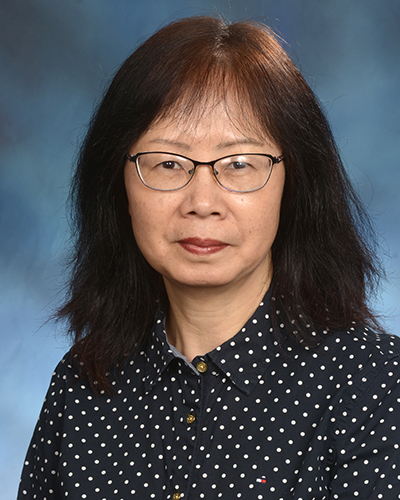
Dr. Junfang Wu is a Professor in the Department of Anesthesiology and holds a secondary appointment in Neurobiology at the University of Maryland School of Medicine. She serves as Associate Director of UM-MIND (University of Maryland - Medicine Institute for Neuroscience Discovery), Director of the Anesthesiology Center for Neuroscience Research, and Vice-Chair for Translational Research in the Department of Anesthesiology. Her academic journey includes a BM in Medicine, MS in Pharmacology from Jiangxi Medical College, and PhD in Neuropharmacology from Nanjing Medical University, followed by postdoctoral training at China's Institute of Materia Medica and NIH. Research Focus: Neurotrauma, neuroinflammation, autophagy-lysosomal pathway, extracellular vesicles, Hv1/NOX2/ROS, TrkB.T1 Key Techniques: Rodent models of SCI/TBI, behavioral evaluations, EV characterization, quantitative imaging, molecular/cellular biology Dr. Wu's research explores the cellular and molecular mechanisms of neurological dysfunction following CNS trauma, with emphasis on autophagy-lysosomal disruption, microglial Hv1 channels, and EV-mediated neuroinflammatory signaling. Her 2025 Aging and disease study reveals age-dependent transcriptional changes post-anesthesia, while 2024 Brain, Behavior, and Immunity work demonstrates how SCI alters EV cargoes to drive brain neuroinflammation. Her team recently discovered that Hv1 proton channel ablation in microglia provides neuroprotection in SCI models. Her scientific contributions are recognized through the 2025 Matjasko Professorship in Anesthesiology Research. She has secured multiple NIH grants including: R01 NS145443 (2025-2030): cGAS signaling in brain trauma-induced neuroinflammation R01 AG077541 (2022-2027): TBI olfactory dysfunction and dementia progression 2RF1 NS094527 (2016-2027): Autophagy mechanisms in SCI R01 NS110825 (2020-2026): Hv1 channel in SCI/TBI Dr. Wu's laboratory personnel include Research Associates Yun Li and Zhuofan Lei, Post-doctoral Fellows Balaji Krishnamachary and Zihui Wang, Research Assistant Hui Li, and medical student Ruth Park. Her work spans from bench research on lysosomal damage to clinical implications for Alzheimer's disease-related dementia (AD/ADRD) and potential therapeutic strategies.