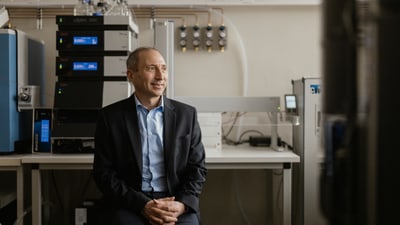
Werner Sieghart is an internationally acknowledged Austrian neuroscientist holding the position of University Professor. He has made significant contributions to our understanding of GABA A receptors, including their structure, pharmacology, distribution, and function in the brain. Professor Sieghart's research focuses on GABA A receptors, which are the major inhibitory neurotransmitter receptors in the brain. His work has elucidated how these receptors serve as the site of action for clinically important compounds including benzodiazepines, barbiturates, neuroactive steroids, and anesthetics. His research demonstrates that GABA A receptors regulate critical brain functions such as anxiety, sleep, cognition, muscle activity, and memory, while also modulating conditions including depression, neuropathic pain, schizophrenia, and recovery from stroke. Professor Sieghart belongs to the most highly cited scientists in his field of research as well as in Austrian neuroscience, reflecting the significant impact of his work on the scientific community. He maintains an ORCID identifier (http://orcid.org/0000-0002-0443-0302) and research ID A-4877-2013 for tracking his scholarly contributions.
Joël Boustie is a Full Professor of Pharmacognosy and Head of the Pharmacognosy & Mycology Laboratory at the Faculty of Pharmacy, University of Rennes 1. He holds affiliations with the Institute of Chemistry Sciences of Rennes (ISCR, UMR CNRS 6226). Born on 22 October 1963 in Brive, France, he earned a Dr. in Pharmacy (1986) from Paul-Sabatier University (Toulouse) and a PhD (1990) from the National Polytechnic Institute of Toulouse. His career includes roles as Lecturer and Assistant Professor (1992–1999) before becoming Professor in 1999. Teaching focuses on Pharmacognosy, Mycology, Phytotherapy, Biotechnology, Toxic Plants, and Nutraceuticals. He leads Master’s courses in Natural Product Chemistry in Hanoi and Angers, and pioneered the Aromatherapy and Essential Oils diploma (2014). Research spans 34 years in phytochemistry, emphasizing extraction/isolation of secondary metabolites from plants, mushrooms, and lichens, with applications in pharmaceuticals/cosmetics. He has supervised 13 PhD students and mentored multiple postdocs and visiting scholars. Leadership roles include directing the France-India International Associated Lab (Rennes/IICT Hyderabad), co-chairing the World Pharmacognosy Congress (2008), and serving on committees like AERES, CNRS, and HCERES. His awards include the Academic Palms (2016) and French Lichen Society Medal (2019). He actively promotes science through editorial roles (Molecules), organizing conferences, and managing collections like the Des Abbayes herbarium. He is a key member of societies like AFERP (French Pharmacognosy Society) and IAL (International Lichen Society). Scientific production includes 112 international peer-reviewed publications, 2 patents, and an h-index of 22. His work bridges fundamental chemistry and applied research, addressing bioactive compounds from lichens and their potential in health and cosmetics.
Dr. Neil Rowan is a globally recognized academic and innovator in the Faculty of Science and Health at Technological University of the Shannon (TUS). He holds adjunct and honorary professorships at University of Galway (School of Medicine) and University KwaZulu-Natal (School of Nursing and Public Health). His career spans over 30 years, blending academic leadership with industry collaboration, particularly in medical device innovation, bioscience, and sustainable development. He directs TUS’s Bioscience Research Institute and co-leads projects such as Empower Eco, an EU-funded platform for green innovation. Education & Early Career: He began at Strathclyde University with a Senior Lectureship (top 5* UK Research Assessment). His academic training includes expertise in applied microbiology, biotechnology, and risk mitigation. Research Focus: Dr. Rowan’s work centers on cross-cutting domains like sterilization science, bioeconomy systems, and digital technologies. He pioneers applications of AI in sustainability (e.g., wastewater-to-energy systems) and integrates peatlands into aquaculture for climate resilience. His research aligns with UN SDGs, emphasizing zero-waste, circular economy, and OneHealth principles. Impact & Recognition: Ranked in Stanford’s Top 2% Global Scientists (2023), he advises the European Innovation Council and chairs roles at University Malaya. His work has led to 160+ publications and media recognition for initiatives like the €5M Mount Lucas Bioeconomy Aquaculture Project. Training & Leadership: Mentor to 40+ PhD students and 14 MSc graduates, he emphasizes skill transfer to industry. He evaluates high-risk/high-reward deep tech innovations and leads national strategies like Ireland’s ‘Creating Our Future’ research framework. Labs & Collaborations: Leads CURAM SFI Medical Device Centre and collaborates internationally via projects like MSCA ITN MedTrain. His Empower Eco platform fosters multi-actor innovation for Green Deal initiatives.
Premysl Bercik is a Professor in the Department of Medicine at McMaster University's Faculty of Health Sciences. His research focuses on the interaction between gut microbiota and the host's nervous and immune systems, particularly in disorders like irritable bowel syndrome (IBS), celiac disease, and inflammatory bowel disease (IBD). He has led studies on dietary interventions, microbial metabolites (e.g., histamine, phospholipids), and their impact on visceral pain and behavioral changes using humanized and gnotobiotic mouse models. Institution: McMaster University School: Faculty of Health Sciences Department: Department of Medicine Academic Rank: Professor Research Interests: Bercik's work explores the microbiota-gut-brain axis, emphasizing how gut bacteria influence chronic gastrointestinal disorders, mood, and immune responses. Key areas include gluten/wheat effects on IBS, tryptophan metabolism via the aryl hydrocarbon receptor, proteolytic microbiota in Crohn's disease, and stress-induced bacterial translocation. His studies often bridge microbiology, immunology, and neuroscience to uncover mechanisms linking gut health to systemic and psychological conditions. Recent Research Trends: His 2025-2024 publications highlight microbial phospholipids (LPC/LPA) as pain triggers in IBS, TRPC5/LPAR1-3 signaling in visceral hypersensitivity, and microbiota-mediated CGRP regulation. He investigates dietary interventions (low-FODMAP, tryptophan supplementation) and microbial metabolites' role in schizophrenia, Crohn's disease, and post-infectious IBS. His team also examines how rodent diet variability affects experimental reproducibility in microbiome research. Collaborations: Bercik collaborates with institutions like Queen's University and leverages McMaster Experts for scholarly activity. His work spans clinical trials (e.g., gluten-free diet efficacy), mechanistic studies on receptors like PAR2 and AHR, and translational models of stress and dysbiosis.
Dr. Riadh Hammami is an Assistant Professor at the School of Nutrition Sciences within the Faculty of Health Sciences at the University of Ottawa. He joined the university in 2017 after completing five years of post-doctoral training in Food Sciences & Technologies at Université Laval, Canada, where he also served as a research scientist at the Institute of Nutrition and Functional Food (INAF). His educational background includes: 2009 PhD in Molecular and Cellular Biology, University of Lille 1- Sciences & Technologies in conjunction with University of Tunis-El Manar 2004 MSc in Biochemistry, University of Tunis-El Manar 2001 BSc in Biology, University of Tunis-El Manar Dr. Hammami's research focuses on gut microbiota physiology and its modulation through nutritional and xenobiotic factors. His work centers around three main themes: Gut Neuromicrobiology (investigating how probiotics influence the gut-brain axis), Interplay of Xenobiotics-Microbiota-Nutrition (particularly how psychotropic drugs affect gut microbiota and potential protective roles of probiotics), and Investigation of new probiotic-prebiotic-postbiotic-symbiotic formulations for positive modulation of the gut microbiota. His laboratory, the N u GUT Research Platform, employs ex-vivo continuous fermentation models that simulate the human colon to assess the impact of different dietary formulations on microbiota structure and functionality. His research has significant implications for mental health, as his work on psychobiotics explores how beneficial bacteria can positively modulate microbiota-gut-brain interactions. Dr. Hammami has also developed several important databases including BACTIBASE (for bacterial antimicrobial peptides), PhytAMP (for plant antimicrobial peptides), and MilkAMP (for antimicrobial dairy peptides), which have become valuable resources for researchers worldwide. Dr. Hammami has received funding for his research exploring the development of integrated nutritional approaches using bacteriocinogenic bacteria for gut microbiota modulation and food safety. His work bridges the fields of microbiology, nutrition, neuroscience, and biotechnology, with potential applications in developing next-generation probiotics and functional food products. His scientific contributions include numerous publications and the development of specialized databases that have advanced research in antimicrobial peptides and gut microbiome studies. Dr. Hammami maintains an active research program with multiple ongoing projects investigating the complex interplay between diet, gut microbiota, and human health, with particular emphasis on the gut-brain axis and the development of microbiota-targeted interventions for improving mental health.
Dr. rer. nat. Götz Schlotterbeck is a Professor at the FHNW School of Life Sciences (2017-2022) and currently serves as Head of the Department of Forensic Chemistry and Toxicology at the Institute of Forensic Medicine, University of Basel . His research bridges forensic science, metabolomics, and analytical chemistry. Current Affiliation: University of Basel (since 2022) Previous Roles: FHNW (2017-2022), Roche AG (1997-2010) Research Focus : Developing advanced analytical techniques for forensic investigations, drug metabolism studies, and metabolomic profiling of diseases. Key areas include chiral chromatography, mass spectrometry applications, and single-cell multi-omics integration. Publication Trends : Recent work emphasizes forensic drug analysis (GC-MS, HPLC-DAD), clinical metabolomics (liver disease, endocrine disorders), and analytical method optimization (automated screening, collision cross-section shifts). Labs & Teams : Leads the Department of Forensic Chemistry and Toxicology at University of Basel. Previously contributed to analytical platform collaborations across Swiss universities of applied sciences.
Yong Fan serves as an Assistant Professor and Researcher in the Pers Group at the University of Copenhagen's Faculty of Health and Medical Sciences, specifically affiliated with the Novo Nordisk Foundation Center for Basic Metabolic Research (CBMR). His research focuses on the complex relationship between gut microbiome composition and various human diseases, with particular emphasis on metabolic disorders, neurological conditions, and the impact of environmental factors. Dr. Fan's research interests center on understanding how gut bacteria influence human health across multiple disease states. His work explores the mechanisms by which microbial communities affect metabolic regulation, neurological function, and responses to environmental exposures. He investigates bacterial metabolites, microbiome dynamics in disease progression, and the potential therapeutic applications of microbiome modulation. His research integrates multi-omics approaches to uncover connections between microbial composition, host metabolism, and disease phenotypes. His publication record demonstrates significant contributions to understanding the gut microbiome's role in conditions ranging from metabolic diseases to psychiatric disorders. His work shows consistent high-impact output with publications in premier journals including Nature Microbiology, Nature Medicine, and Genome Medicine. His research often involves large collaborative efforts across European institutions, reflecting the interdisciplinary nature of modern microbiome research. Dr. Fan is actively involved in the Pers Group research team, collaborating extensively with Professor Oluf Pedersen and other leading researchers in the field. His work has received substantial attention in both academic circles and mainstream media, with multiple publications being featured in news outlets and discussed across social media platforms.
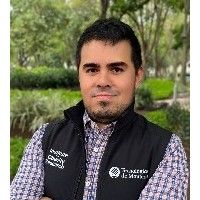
Iván Andres Luzardo-Ocampo is a Research Professor (tenure-track) at Tecnológico de Monterrey, holding dual appointments in the Institute for Obesity Research and the Department of Bioengineering at Campus Querétaro. His academic journey spans institutions across Colombia, Mexico, Spain, and the United States, reflecting a truly international research perspective in food science and nutrition. Education: PhD in Food Sciences, Universidad Autónoma de Querétaro (2016-2020), Summa Cum Laude Master in Food Technology, Universidad Autónoma de Querétaro (2014-2016), Magna Cum Laude Food Engineering, Universidad del Quindío, Colombia (2007-2013) Academic visit at Autonomous University of Barcelona and University of Barcelona, Spain (2010-2011) PhD Research Scholar, University of Illinois at Urbana-Champaign, USA (2018-2019) Dr. Luzardo-Ocampo's research focuses on the impact of food prototypes and metabolites in metabolic disease models (obesity, inflammation, diabetes), utilization of food by-products as sources of biologically active compounds, and in vitro/ex vivo simulation of gastrointestinal digestion. His interdisciplinary work bridges food science, nutrition, and biomedical engineering to develop functional foods that address global health challenges including obesity and metabolic disorders. He is particularly interested in phenolic compounds from plant sources and their health implications. Analysis of Dr. Luzardo-Ocampo's recent publications (2023-2025) reveals a strong emphasis on food by-products valorization, phenolic compounds analysis, and their impact on metabolic health. His research spans multiple disciplines including food chemistry, nutrition science, and biomedical applications. Key trends include the investigation of underutilized plant materials (mango bagasse, corn by-products, avocado), development of plant-based functional foods, and examination of food processing effects on bioaccessibility and biological activity. His work frequently employs in vitro digestion models to assess these properties. Scientific Awards and Honors: US National Academies of Sciences delegate (2024) Mars Corporation Fellow (2022) Mexican Representative at the Lindau's Nobel Conferences (Germany, 2022) American Society for Nutrition's Global Nutrition Early Research Scholar Award (2021) 2nd Place at the Alejandrina Research Award (Mexico, 2020) PhD Summa Cum Laude (2020) and MSc Magna Cum Laude (2016) Mexican Researcher Certification - Level 1 Dr. Luzardo-Ocampo serves as an editorial board member for multiple prestigious journals including the Journal of Functional Foods (Elsevier), Journal of Food Quality (Wiley), Journal of Food Processing and Preservation (Wiley), and International Journal of Food Science (Wiley). He has reviewed for over 60 journals in food science, nutrition, biochemistry, biotechnology, and microbiology fields. His research has attracted significant attention, as evidenced by numerous citations and social media mentions across platforms. He actively engages in community-focused education initiatives, as demonstrated by his work on unconventional laboratory concepts for bioengineering student development. As part of the Institute for Obesity Research at Tecnológico de Monterrey, Dr. Luzardo-Ocampo contributes to a multidisciplinary team addressing global nutrition challenges. His work aligns with several UN Sustainable Development Goals including Zero Hunger, Good Health and Well-being, and Climate Action. The Healthy Foods Unit where he works focuses on developing innovative food solutions to combat obesity and related metabolic disorders through scientific research and technological innovation.
Jeffrey Hawkes is an Associate Professor in the Department of Chemistry - BMC at Uppsala University, specializing in Analytical Chemistry. Originally from the UK, he leads the Hawkes'Group which focuses on the characterization of dissolved organic matter in natural systems using advanced analytical techniques. His research interests center around environmental chemistry, particularly the analysis of dissolved organic matter in aquatic systems. Hawkes employs sophisticated methods including liquid chromatography coupled with electrospray ionization mass spectrometry to understand the chemical diversity and reactivity of natural organic matter. His work spans from method development to field studies examining carbon cycling in diverse environments including lakes, forests, and marine systems. The recent publications reveal a strong focus on dissolved organic matter composition across various environments, with particular attention to seasonal variations, water residence time effects, and analytical methodology improvements. His research group has produced significant work on Arctic systems, drinking water treatment implications, and fundamental analytical chemistry challenges in organic matter characterization. Hawkes has established himself as a leading researcher in environmental analytical chemistry with numerous high-impact publications in journals such as Nature Geoscience, Environmental Science & Technology, and Limnology and Oceanography. His work bridges analytical chemistry with environmental science to address fundamental questions about carbon cycling in natural waters. His research group includes Alexander Craig (Researcher) and Mahsa Norouzi (PhD student), with whom he collaborates on various projects related to dissolved organic matter characterization. The group works closely with colleagues both within Uppsala University and internationally to investigate carbon cycling processes in aquatic environments.
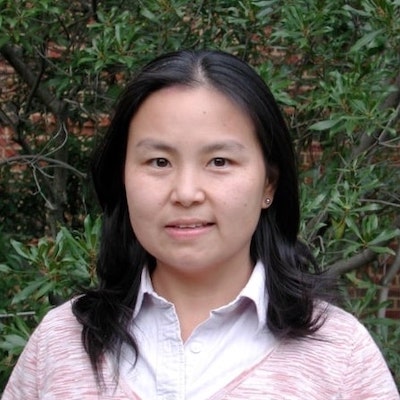
Dr. Haifei Shi is a Professor in the Biology Department at Miami University. Her research focuses on neural and hormonal control of energy metabolism, with particular emphasis on obesity pathogenesis, sex hormone influences, and cancer metabolism. She directs investigations into brown adipose tissue thermogenesis and metabolic dysregulation using physiological, biochemical, and molecular techniques. Teaching Human physiology (BIO 305) Endocrinology (BIO 454/554) Undergraduate/Graduate seminars (BIO 490/710) Research explores sex-specific metabolic strategies through mouse models and human cell studies. Key areas include: estrogen-mediated neuroendocrine regulation, sympathetic activation of adipose tissues, and gut-brain axis interactions in metabolic disorders. Publications demonstrate expertise in molecular metabolism, with themes in apolipoprotein functions, sex hormone signaling, and microbiome interactions. Recent work emphasizes therapeutic targeting of obesity-related disorders through hormonal and neural pathways.
Prof. Franz Hadacek holds dual academic roles: he is an Associate Professor at the University of Vienna’s Department for Chemical Ecology and Ecosystem Research within the Faculty of Life Sciences, and a Private Lecturer in Biochemistry at Georg-August-University Göttingen. His research focuses on Ecological Biochemistry, Rhizosphere Biology, Redox Chemistry, and Coordination Chemistry. He earned his PhD in Botany/Chemistry from the University of Vienna and completed habilitation on secondary metabolites as plant traits. His work bridges plant-microbe interactions, metabolic profiling, and environmental stress responses. Education: PhD Botany/Chemistry, University of Vienna, Austria Habilitation in Botany (Thesis: Secondary Metabolites as Plant Traits) Research Interests: Prof. Hadacek explores plant secondary metabolites’ roles in ecological and biochemical contexts, including redox chemistry’s impact on plant stress responses and microbial interactions in the rhizosphere. His studies integrate metabolomics, plant physiology, and environmental science to understand plant adaptation mechanisms. Publications: His recent work spans plant-soil-atmosphere interactions, drought effects on herbivores, and microbial antagonism mediated by plant metabolites. These studies highlight interdisciplinary approaches in chemical ecology and systems biology. Lab/Teams: Affiliated with the Plant Biochemistry Department at Göttingen and the Chemical Ecology group at Vienna, he collaborates on projects involving root exudates, bioreactor systems, and phytochemical analysis.
Sara Jane Ward is an Associate Professor at the Lewis Katz School of Medicine at Temple University, with a dual appointment in the Department of Neural Sciences and the Center for Substance Abuse Research. Her work bridges neuroscience and pharmacology, focusing on the behavioral effects of neuroactive compounds. Her research interests include: Behavioral pharmacology of cannabinoid, serotonin, and opioid systems Neuropathic pain and neuroprotection Substance use disorders and addiction mechanisms Learning and memory in rodent models of neural injury Pharmacotherapeutic development using combinatorial drug approaches The analysis of her publications indicates a sustained focus on preclinical models of pain, addiction, and cognitive function, primarily using pharmacological manipulations in rodents to assess therapeutic potential. Her work contributes to the development of novel treatments for neurological and psychiatric conditions. She has not listed any scientific awards in the provided text. Dr. Ward advises graduate students and potentially postdoctoral researchers, although no specific names are listed. She likely participates in funded research projects related to substance abuse and neural injury, possibly supported by federal or institutional grants, though specific grants are not mentioned. She is actively engaged in research through her laboratory work in behavioral neuroscience. She is a key contributor to the research mission of the Center for Substance Abuse Research, where she investigates the neurobiological underpinnings of addiction and potential pharmacological interventions.
Elżbieta Szacoń is an Associate Professor and head of the Chair and Department of Synthesis and Chemical Technology of Pharmaceutical Substances at the Faculty of Pharmacy, Medical University of Lublin. She holds a PharmD and earned her doctoral degree in 1998, establishing a long-standing academic and research career in pharmaceutical sciences. Her research interests lie at the intersection of medicinal chemistry and pharmacology, with a strong focus on urea derivatives , lipophilicity , opioid receptors , and central nervous system agents . She investigates the design, synthesis, and biological evaluation of novel pharmaceutical substances, particularly those with potential antiviral and neuroactive properties. Her extensive publication record (134 publications) and 26 patents reflect a highly productive research program. The articles demonstrate consistent work on optimizing drug candidates through structure-activity relationships, physicochemical profiling, and in vivo testing in animal models, especially mice. Her work spans drug design, pharmacokinetics, behavioral pharmacology, and antiviral development. Scientific Awards and Recognitions: No specific awards listed in the provided text. She advises students and researchers in pharmaceutical synthesis and technology, though specific advisees are not named. Her work likely involves internal and external research grants supporting patent development and experimental studies. She leads a research team focused on innovative drug design within her department. Laboratories and Research Teams: She leads the research group within the Chair and Department of Synthesis and Chemical Technology of Pharmaceutical Substances, which is actively engaged in synthesizing and evaluating new bioactive molecules, utilizing techniques such as chromatography and animal modeling.
Mart Saarma is a Professor at the University of Helsinki's Institute of Biotechnology, serving as a supervisor in multiple doctoral programs (Biomedicine, Drug Research, Integrative Life Science) and Director of Brain & Mind Research. Active in neurosciences, molecular biology, and drug development, his work spans Parkinson's disease, RET/GDNF signaling, and nanomedicine. Key collaborations: The Cure Parkinson's Trust, Novo Nordisk Foundation, European Commission Active grants: 3 ongoing projects (2023-2027) His research focuses on neurodegenerative diseases, receptor signaling, and translational therapies. Recent publications highlight advancements in: RET receptor biology in endocrine-related cancer GDNF-based behavioral interventions GDF15/GFRAL axis for obesity treatment Brain-targeting nanomedicine strategies Scientific accolades include EMBO membership and four major awards (2005-2010). Supervised 6 PhD theses and participated in 75+ academic activities.
Rebecca Wall is a Senior Lecturer at the School of Medical Sciences, Örebro University, where she has been employed since joining as a research associate in July 2014. She is affiliated with the Department of Medical Sciences and contributes significantly to both research and teaching within the Medical Programme. Dr. Wall's educational background includes: PhD in Microbiology from University College Cork, Ireland (2008) Master's Degree in Chemistry from the University of Kalmar, Sweden (2003) Her research primarily focuses on the intricate relationship between diet, gut microbiota, and host health. Dr. Wall specializes in studying how dietary fibers modulate the microbiota and influence host health and disease, with particular emphasis on butyrate - a microbial metabolite produced from bacterial fermentation of undigested dietary fibers in the large intestine. Her work explores butyrate's mode of action in the human colon and its importance for colonic health, particularly in relation to inflammatory bowel diseases such as IBD and IBS. Through her leadership of the Nutrition-Gut-Brain Interactions Research Centre (NGBI) and Responsive Nutrition Research Centre, she investigates the complex gut-brain axis and how microbial metabolites affect host physiology. Analysis of Dr. Wall's publication record reveals a consistent research trajectory centered on gut microbiome interactions, with increasing focus on the gut-brain axis in recent years. Her work spans from basic microbial ecology to clinical applications, with strong translational potential in treating metabolic and inflammatory disorders. The interdisciplinary nature of her research is evident in publications spanning microbiology, nutrition, gastroenterology, neuroscience, and systems biology. Dr. Wall serves as principal investigator for multiple successful research grants from prestigious funding bodies including The Swedish Research Council (Vetenskapsrådet and Formas) and The European Foundation for the Study of Diabetes. She has established extensive national and international collaborations, with strong partnerships bridging academia and industry to advance translational research in gut microbiome science. Within the educational framework, Dr. Wall is co-responsible for coordinating the "nutrition, metabolism and elimination" (NME) theme area during semesters 1, 2, 5 and 8 of the Medical Programme, and serves as course coordinator and examiner for the Independent Project (15 higher education credits) during semester 6. Her teaching integrates cutting-edge research findings with medical education to provide students with a comprehensive understanding of how gut microbiome research informs clinical practice. Dr. Wall leads several active research projects including "Effect of serotonergic stimulation on the gut-brain axis in irritable bowel syndrome patients," "Effects of dietary fiber supplementation on intestinal barrier function," and "Identification of dietary fibers that promote butyrate production." Her lab is part of the Nutrition-Gut-Brain Interactions Research Centre, Diabetes Endocrinology and Metabolism group, and The Ageing Gut (TAG) research team, creating a multidisciplinary environment for investigating the complex interactions between diet, microbiota, and host physiology across the lifespan.