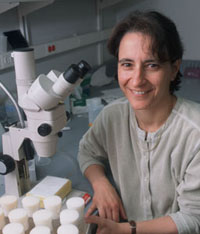
Jennifer Makelarski is an Assistant Professor in the Department of Social, Behavioral, and Population Sciences at the School of Public Health and Tropical Medicine, Tulane University. She holds a PhD in Epidemiology from the University of Iowa and has over 15 years of experience in public health research and education. She has been actively involved in teaching, primarily in online accredited MPH programs, for more than five years. Her research is centered on social epidemiology, with a strong focus on reducing health disparities by addressing social risks such as food insecurity, socioeconomic vulnerability, and access to community resources. She employs both quantitative and qualitative methods in study design and implementation, often in urban, underserved populations. Her recent publications highlight her work during the early phase of the COVID-19 pandemic, examining health-related social risks among U.S. women and female caregivers, food insecurity, and the impact of hospital-based food pantries. She has also contributed significantly to the CommunityRx project—a clinic-based intervention connecting patients to community resources—using both empirical and computational modeling approaches. Her work spans topics including women's health, racial and ethnic disparities, mental health, and public health informatics. Her scientific contributions appear in top-tier journals such as American Journal of Public Health , Journal of Women’s Health , PLoS Computational Biology , and Annals of Family Medicine . She frequently collaborates with interdisciplinary teams, particularly with Dr. Stacy T. Lindau, and is committed to community-engaged research that addresses real-world public health challenges. Scientific Awards: No awards mentioned in the provided text. Advising and Grants: No specific information on students advised or grants received is provided in the text. Labs and Research Teams: While no formal lab is named, her work is closely tied to the CommunityRx initiative and population health research on the South Side of Chicago, indicating active participation in community-engaged research teams focused on urban health equity and resource integration.