Rachel M. Brewster
استاد · Developmental Biology
University of Maryland, Baltimore Countyمعرفی
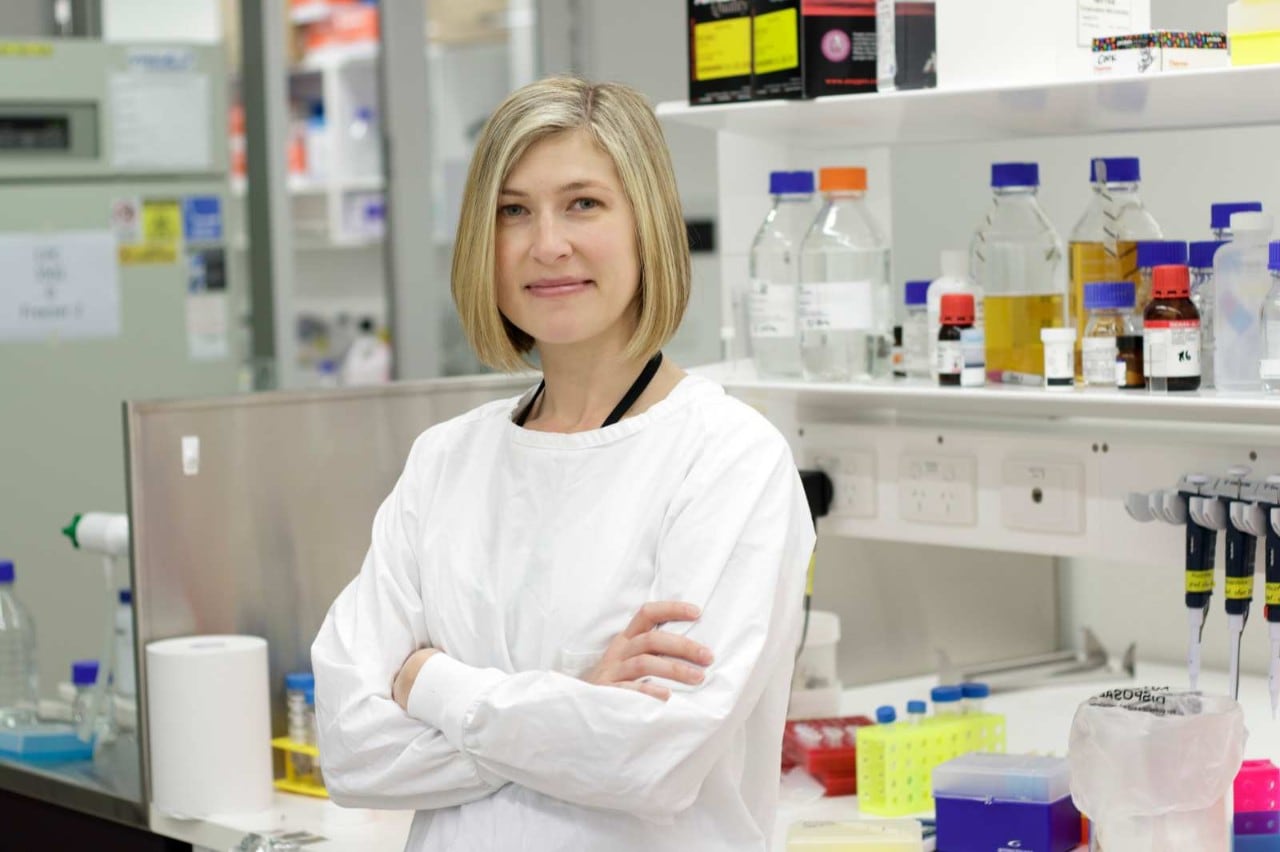
Rachel M. Brewster is a Professor in the Department of Biological Sciences at the University of Maryland, Baltimore County (UMBC), where she conducts research on brain development and metabolism. Her work focuses on neural tube morphogenesis and cellular adaptation to hypoxia using zebrafish as a model organism. She is a key faculty member in the College of Natural and Mathematical Sciences and actively mentors undergraduate, Master’s, and PhD students in her lab.
- PhD, University of Michigan, 1996
- BS, University of Geneva, 1989
- Postdoctoral training: NYU and Carnegie Institution for Science
Her research interests span developmental biology, neurobiology, cell biology, and metabolism, with a strong focus on hypoxia adaptation and neural tube defects. She investigates molecular mechanisms such as the reverse hinge point in neurulation and the role of NDRG1 in oxygen sensing and cellular protection.
The recent publications highlight a strong trend in understanding how cells respond to low oxygen, regulate gene expression during anoxia, and maintain developmental integrity. Her work integrates transcriptomics, molecular signaling, and cellular morphogenesis, with a recurring emphasis on zebrafish models and vertebrate conservation.
Her scientific contributions are supported by multiple NIH-funded grants, including projects on hypoxia adaptation, anoxia-induced cellular arrest, and increasing minority participation in biomedical sciences. While no formal awards are listed, her sustained funding and high-impact publications reflect significant recognition in her field.
Dr. Brewster advises numerous students across levels and leads an active research lab focused on brain development. Her lab receives grant support from NIH/NIGMS and NIH/NICHD, focusing on mechanisms of suspended animation, neural tube formation, and metabolic adaptation. She is committed to inclusive science and education, particularly in supporting underrepresented minorities.
She leads the Brewster Lab at UMBC, which investigates fundamental questions in neurulation and hypoxia tolerance. The lab uses zebrafish to study cellular and molecular mechanisms of brain development, with current projects centered on reverse hinge points and NDRG signaling pathways.