- Structural Health Monitoring
- Wireless Smart Sensor Networks
- System Identification and Model Updating
- +۲ مورد دیگر
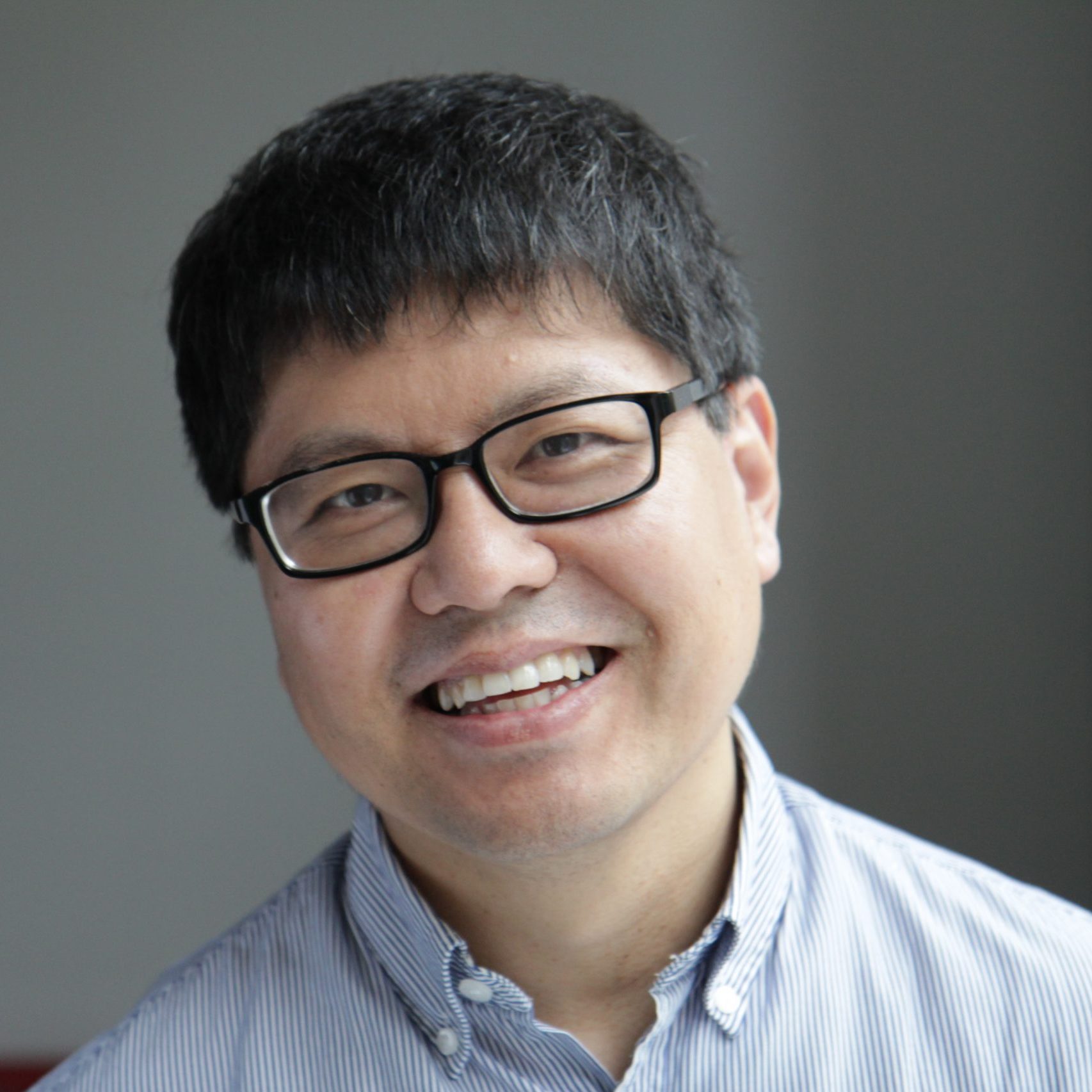
Jian Li serves as Professor and Dean R. and Florence W. Frisbie Associate Chair of Graduate Studies in the Department of Civil, Environmental and Architectural Engineering (CEAE) at the University of Kansas School of Engineering. He joined KU in 2013 after completing his doctoral studies and has established himself as a leading researcher in structural engineering and infrastructure monitoring. Education: Ph.D. in Civil Engineering, University of Illinois at Urbana-Champaign, 2013 M.S. in Civil Engineering, Harbin Institute of Technology Shenzhen Graduate School, China, 2007 B.S. in Civil Engineering, Harbin Institute of Technology, China, 2005 Professor Li's research centers on Structural Health Monitoring, Wireless Smart Sensor Networks, System Identification, and Earthquake Impact Mitigation. His work integrates cutting-edge technologies like augmented reality, computer vision, and wireless sensor networks to enhance infrastructure safety. Key innovations include sensing skin technology for fatigue crack monitoring, constrained-layer dampers for vibration control, and seismic isolation systems for bridges. Analysis of his 2023-2025 publications reveals strong emphasis on computer vision for automated crack detection, wireless sensor networks for long-term bridge monitoring, and novel damping systems for seismic/wind resilience. His research bridges civil engineering with computer science through immersive learning tools and human-centered inspection methodologies. Scientific Awards: Fellow of the American Society of Civil Engineers (ASCE) As Associate Chair of Graduate Studies, Professor Li oversees CEAE's graduate programs including MS, MCE, MCM, and PhD degrees. His research is supported by multiple grants focusing on structural health monitoring, fatigue crack detection, and seismic resilience. He leads a dedicated research group developing field-deployable sensor systems and validation methodologies. Laboratory work centers on wireless skin sensor networks, computer vision inspection systems, and full-scale testing of structural components. Current projects include field validation of sensing skin on steel bridges, galvanizing process effects on steel structures, and distortion-induced fatigue crack characterization.