David Weisblat is a Professor in the Department of Molecular and Cell Biology at UC Berkeley's College of Letters & Science. His research focuses on developmental and evolutionary processes in glossiphoniid leeches (e.g., Helobdella ), particularly their segmentation mechanisms and molecular phylogeny within Lophotrochozoa. He leads studies integrating embryological, genomic, and genetic approaches to understand how developmental pathways evolved across bilaterian animals. Research Interests: Weisblat’s work addresses how cell fates and signaling pathways (WNT, NOTCH, TGFβ) shape leech development, with emphasis on the evolutionary origins of segmentation. His lab combines microinjection techniques, transcriptome analysis, and CRISPR mutagenesis to explore stem cell dynamics and conserved developmental programs. Key Projects: Current efforts investigate grandparental stem cell divisions in segmentation and intercellular signaling during early embryogenesis. The lab’s genomic resources—including BAC libraries and EST databases—facilitate comparative studies across Lophotrochozoan taxa. Lab Contributions: The Weisblat lab pioneered Helobdella as a model organism, enabling breakthroughs in Evo-Devo. Their findings bridge developmental plasticity and evolutionary innovation, particularly in annelids versus arthropods/deuterostomes.
Emily Bayer is appointed as Assistant Professor of Neural Science and Biology at New York University, commencing January 2026. Her research program investigates neural mechanisms of visceral sensation and behavioral outputs, with emphasis on fertility status and sex differences using C. elegans and D. cerebrum (zebrafish) models. Her educational background includes: Ph.D. in Biological Sciences, Columbia University (2019) B.S. in Biology/German, Muhlenberg College (2014) Dr. Bayer's research explores how internal bodily sensations (visceral sensation) modulate behavior and environmental interaction, focusing on molecular and anatomical sex differences in neural circuits. Her lab examines how fertility status influences behavior through genetic and neural mechanisms, revealing conserved principles of neural circuit organization. Key approaches include C. elegans genetics, zebrafish neuroimaging, and behavioral analysis to dissect how reproductive state and sex converge in brain function. Analysis of her recent publications (2025-2016) demonstrates a cohesive focus on sexual dimorphism in neural development and behavior, with increasing integration of genomic and connectomic methodologies. Her work spans molecular genetics, neural circuit mapping, and behavioral phenotyping, consistently highlighting sex-specific differences in neural wiring and function across model organisms. Her scientific recognition includes: Research Fund for Excellent Junior Researchers (University of Basel, 2025) Jane Coffin Childs Memorial Fund for Medical Research Fellowship (2021-2023) Dr. Bayer has secured competitive fellowships supporting her independent research program. Her lab establishes innovative frameworks for studying visceral sensation-behavior relationships, with current work emphasizing monoaminergic signaling in experience-dependent neural plasticity and the role of conserved transcription factors in sexually dimorphic development. Future directions include expanding to vertebrate models to investigate evolutionary conservation of these mechanisms. She leads a research team utilizing C. elegans and zebrafish to dissect neural circuits underlying internal sensation, with particular focus on how fertility signals modulate social and mating behaviors through sex-specific neural pathways.
Romney M. Humphries, Ph.D., D(ABMM), M(ASCP), is a Professor of Pathology, Microbiology, and Immunology at Vanderbilt University Medical Center, serving as Medical Director of the Microbiology Laboratory. Their research focuses on advancing diagnostic technologies for antibiotic-resistant infections and studying real-time evolution of antimicrobial resistance mechanisms. Academic Rank: Professor Department: Pathology, Microbiology, and Immunology Key research areas include antimicrobial resistance , diagnostic innovation , and clinical microbiology . The Humphries laboratory specializes in evaluating rapid identification methods for multidrug-resistant pathogens and novel antimicrobial development. Recent publications highlight advancements in MALDI-TOF MS, CRISPR diagnostics, and regulatory frameworks for laboratory-developed tests. Scientific contributions appear in journals such as New England Journal of Medicine , Clinical Infectious Diseases , and Journal of Clinical Microbiology . Current work emphasizes integrating genotypic/phenotypic testing for improved patient outcomes and informing federal policies on diagnostic standardization.
Lisa Feldman Barrett is a University Distinguished Professor of Psychology at Northeastern University with an appointment at Massachusetts General Hospital (MGH). She leads the Interdisciplinary Affective Science Laboratory (IASLab), studying the brain and body mechanisms underlying emotion, motivation, and cognition. Her work integrates psychology, neuroscience, anthropology, and computational methods to challenge traditional emotion theories. She serves as Chief Science Officer for MGH’s Center for Law, Brain and Behavior and actively engages in public science communication through books, lectures, and media. **Research Focus**: Her lab develops systems-level models of affective neuroscience, emphasizing predictive processing, interoception, and cultural influences on emotion. She critiques universal facial expression theories and advocates for a constructionist model of emotion as contextually constructed experiences. **Awards & Honors**: Recipient of the NIH Pioneer Award, APS Mentor Award for Lifetime Achievement, and APA’s Distinguished Scientific Contribution Award. Elected Fellow of the American Academy of Arts and Sciences and Royal Society of Canada. Former President of the Association for Psychological Science (APS). **Key Contributions**: Pioneered the theory of constructed emotion, emphasized the role of interoception in emotion, and demonstrated variability in facial expressions across cultures. Her work bridges basic science and clinical applications, including mental health and legal contexts. **Lab & Teams**: IASLab collaborates across disciplines, with sites at Northeastern and MGH. Current projects explore neural mechanisms of emotion, allostasis, and the impact of aging on memory and resilience.
Rui Chang is an Associate Professor at Yale University School of Medicine , jointly appointed in the Department of Neuroscience and Department of Cellular and Molecular Physiology . His research focuses on organ-to-brain circuits and neurocardiology with specific interest in Parkinson's disease . He completed his B.S. in Biological Sciences at Tsinghua University (2005) Ph.D. in Neuroscience at University of Southern California (2011) Postdoctoral training in the lab of Stephen Liberles at Harvard Medical School (2017) Research Highlights: The Chang lab employs single-cell gene expression profiling , virus-based anatomical mapping , and optogenetics to investigate vagal interoceptive systems and their roles in cardiovascular regulation and gut-brain axis dysfunction in neurodegenerative diseases. Their work has revealed a multidimensional coding architecture for visceral sensory signals. Notable Scientific Awards: McKnight Neurobiology of Brain Disorders Award (2021) NIH Director’s New Innovator Award (2019) Kavli Faculty Innovative Research Award (2019) NIH K01 Mentored Research Scientist Award (2017) Keystone Symposia Future of Science Scholarship (2016) Collaborative Network: Chang collaborates with experts in neurodegeneration (David A. Hafler, MD), biostatistics (Hongyu Zhao, PhD), and neural imaging (Le Zhang, PhD). His work intersects with the Stephen & Denise Adams Center for Parkinson’s Disease Research and Kavli Institute for Neuroscience .
Dr. Ann Kennedy is an Assistant Professor of Neuroscience at Northwestern University's Feinberg School of Medicine, where she leads the Kennedy Lab. Her research focuses on theoretical neuroscience, using mathematical modeling and computational approaches to understand how neural circuits produce adaptive behaviors. She investigates how the brain integrates sensory information with survival needs to drive behavior across multiple scales, from single neurons to social groups. Dr. Kennedy received her BS and BA in Biomedical Engineering from Johns Hopkins University in 2008, followed by a PhD in Neuroscience from Columbia University in 2014. She conducted postdoctoral research at the California Institute of Technology before establishing her independent laboratory at Northwestern in 2020. Her research interests center on understanding the computational principles of neural circuits, particularly in subcortical brain regions involved in survival behaviors. She develops theories for distributed behavior control by multiple neural populations, studies computation in heterogeneous neural populations, and constructs richer descriptions of animal behavior using pose estimation and machine learning tools. Her work blends dynamical systems, control theory, reinforcement learning, and machine learning to investigate neural dynamics across multiple scales and model organisms. Dr. Kennedy's recent publications reveal trends in understanding neural heterogeneity, early nervous system evolution, and the theoretical foundations of neuroscience. Her work spans from fundamental computational principles to applications in pain research and behavioral neuroscience, with increasing emphasis on translating theoretical insights to understand neurological conditions. Sloan Research Fellowship, Sloan Foundation (2023) Eppendorf and Science Prize in Neurobiology (2022) McKnight Scholars Award (2024) Pew Scholar in the Biomedical Sciences (2024) Thom Young Researcher Award (2025) Dr. Kennedy actively mentors postdoctoral researchers and collaborates with experimentalists both locally and internationally. Her lab has received significant grant support including the $75,000 Sloan Fellowship and the prestigious McKnight Scholars Award. She co-chairs the CAJAL summer school on quantitative approaches to behavior and serves as Associate Editor for Science Advances. The Kennedy Lab operates at the intersection of theory and experiment, developing community resources like the Mouse Action Recognition System (MARS) for behavioral analysis and contributing to major initiatives like the 2025 Multi-Agent Behavior Challenge on Kaggle. The Kennedy Lab maintains active collaborations with researchers across San Diego and beyond, focusing on theoretical approaches to behavior and neural circuit function. Current projects analyze data from multiple brain regions and organisms, including hypothalamus studies of social and defensive behavior, basal ganglia research on behavior-neural activity correlations, hippocampal studies of social bond formation, and whole-organism neural imaging in cnidarians. The lab values open science, clear communication, and community resource development.
Robin May is a Professor of Infectious Disease at the University of Birmingham's School of Biosciences and Director of the Institute of Microbiology & Infection. He holds an ERC Consolidator Award and Wolfson Research Merit Award from the Royal Society. His research focuses on host-pathogen interactions, particularly how pathogens subvert innate immunity, with a focus on fungal infections like cryptococcosis. Currently, he is seconded to the UK Government as Chief Scientific Adviser to the Food Standards Agency for three days weekly. Educational Background: MA (Oxon) in Biological Sciences, PhD in Cell Biology (University of Birmingham), and postdoctoral fellowships at Utrecht University and Birmingham. Research Interests: Investigates fungal pathogenesis, innate immune evasion, and opportunistic infections in immunocompromised patients. His lab combines microscopy, molecular biology, and genetic approaches to study phagocytic cell interactions with pathogens. Key areas include Cryptococcus neoformans/gattii virulence mechanisms and environmental predation-driven pathogen evolution. Publications: Recent work highlights phagocytosis dynamics, fungal transcriptome responses, and amoeba-predation-driven pathogen adaptation. Key themes include immune evasion strategies, titan cell formation, and extracellular vesicle roles in pathogenesis. Awards & Roles: Fellow of the American Academy of Microbiology, Colworth Medal recipient, and editorial board member for PLOS Pathogens and Science Advances. Previously co-directed the NIHR Surgical Reconstruction and Microbiology Research Centre. Teaching: Contributes to final-year modules on Human Evolution and the MSc in Microbiology and Infection. Advises on lab techniques and research-led teaching. Labs & Teams: Leads the Institute of Microbiology & Infection, fostering collaborative research on infectious disease mechanisms and public health interventions.
Delphine Périé-Curnier is a Full Professor in the Department of Mechanical Engineering at Polytechnique Montréal and Director of Graduate Studies. Her research focuses on developing quantitative MRI techniques for non-invasive characterization of living tissue mechanical properties, particularly in cardiotoxicity detection and musculoskeletal mechanobiology . She leads the Bioperformance Analysis and Innovation Laboratory (LIAB) and contributes to the Institute of Biomedical Engineering. Education: Ph.D. from Paul Sabatier University, Toulouse, France Her work bridges medical imaging , biomechanical modeling , and finite element analysis to predict disease progression through pathomechanism understanding. Key projects include exercise-induced cardiac changes in childhood cancer survivors and spinal biomechanics in scoliosis. Recent publications (2023-2024) emphasize cardiovascular MRI for childhood cancer survivorship and hemodynamic modeling in left ventricle analysis. She supervises 26 graduate students, with completed theses spanning topics like doxorubicin cardiotoxicity , knee replacement stability , and spatial cardiac MRI protocols . Teaching includes graduate courses in biomedical design , advanced biomechanics , and modeling techniques .
Luke Adams is a Research Fellow in Medicinal Chemistry at Monash University's Faculty of Pharmacy and Pharmaceutical Sciences. His academic profile indicates active research spanning structural biology, chemical biology, and drug discovery with a focus on advanced spectroscopic techniques. His research interests center on NMR spectroscopy and protein-ligand interactions , with significant contributions to unnatural amino acid engineering and fragment-based drug design . Key methodologies include genetic encoding of silylated lysines, gadolinium-based EPR distance measurements, and photocaged probes for spatiotemporal control of protein function. His work bridges structural characterization with therapeutic development, particularly in epigenetic targets and enzyme mechanisms. Analysis of his publication record (2002-2025) reveals consistent output in high-impact journals including Nature Communications , Journal of the American Chemical Society , and Journal of Medicinal Chemistry . His research demonstrates strong interdisciplinary integration across biophysics , medicinal chemistry , and chemical biology , with recent emphasis on neuroinflammatory targets and bromodomain inhibitors. The work contributes to UN Sustainable Development Goals related to health and well-being. Laboratory work appears centered on protein engineering and spectroscopic methodology development, with collaborations spanning biochemistry, pharmacology, and structural biology groups at Monash University.
Dr. Katrin J Svensson is an Associate Professor of Pathology at Stanford University and Affinity Group Leader at the Stanford Diabetes Research Center. She received her Ph.D. from Lund University (2012) and completed postdoctoral training at Harvard Medical School/Dana-Farber Cancer Institute (2017). Her research focuses on discovering circulating factors and peptide hormones that regulate metabolism through computational, proteomic, and physiological approaches. Key discoveries: Isthmin-1 (glucose/lipid homeostasis), BRINP2-related peptide (anti-obesity effects), ANGPTL3 (fructose metabolism) Academic Affiliations: Bio-X, Cardiovascular Institute, Wu Tsai Human Performance Alliance, MCHRI Faculty Fellow Research Highlights: Mapping tissue-specific peptide secretion to identify orphan ligands Characterizing receptors like GPR151 for glucose regulation Developing mitochondria-targeted therapies for cancer and metabolic diseases Investigating dietary sugar impacts on systemic metabolism Scientific Awards: Churg Research Award (2019) McCormick and Gabilan Award (2018) NIH K99/R00 Pathway to Independence Award (2016-2021) SRC International Postdoctoral Fellowship (2013-2016) Teaching & Mentorship: Leads Advanced Cell Biology courses (BIO 214/BIOC 224/MCP 221) and mentors graduate students/postdoctoral researchers in Biochemistry, Biophysics, and Cancer Biology programs.
Sten Linnarsson is a Professor of Molecular Systems Biology at Karolinska Institutet, leading the Sten Linnarsson group within the Department of Medical Biochemistry and Biophysics. His research focuses on single-cell analysis of the human brain and brain cancer, leveraging molecular atlases to identify therapeutic targets. He holds a PhD from Karolinska Institutet (2001) and has served as Head of Department (2021-2023) and current Dean of KI Solna. Notable awards include the Erik K. Fernström Prize (2015) and Methusalem Lecture (2023). Education: PhD in Medical Biochemistry and Biophysics (Karolinska Institutet, 2001) Affiliations: Director of the Sten Linnarsson Lab; member of the Human Cell Atlas initiative Research interests span single-cell genomics, neurodevelopment, and cancer biology. Key projects include mapping the first-trimester human brain and identifying cell states in gliomas. Over 200+ publications span high-impact journals like Nature , Science , and Cell . Grants: Over SEK 200M for EU-funded projects (2024) Advising: Supervises PhD students (e.g., Jokubas Janusauskas, Ivana Kapustová) and postdocs Lab activities include developing EEL FISH (in situ profiling) and synthetic biology tools for cell targeting. Future goals involve programmable therapies for brain cancer and advancing spatial transcriptomics.
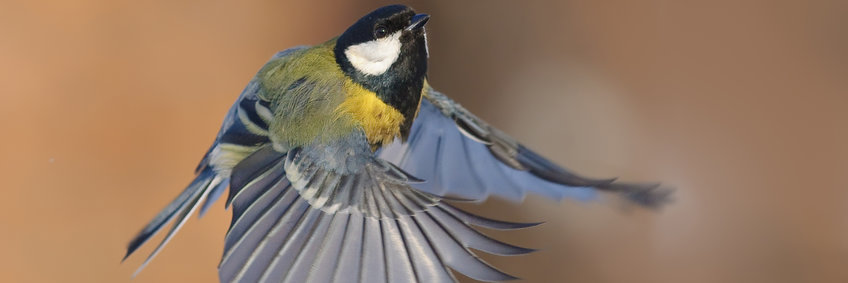
Prof. Dr. Michaela Hau is a leading researcher in evolutionary physiology and endocrinology at the Max Planck Institute for Biological Intelligence in Seewiesen. Her work focuses on understanding how animals adapt physiologically to environmental challenges, particularly through studies on birds. She leads a research group investigating reproductive endocrinology, circadian systems, and stress hormone dynamics. Her team's recent work, including a 2022 study on great tits' glucocorticoid plasticity in response to temperature fluctuations, highlights her expertise in climate change biology and physiological adaptation. Michaela Hau's research integrates field studies with experimental approaches, emphasizing the interplay between ecology, evolution, and physiology. She has collaborated with institutions like the Düsseldorf University of Applied Sciences on innovative data visualization projects, such as student Evi Hoang's interactive website interpreting stress hormone data. Her research has been published in high-impact journals, addressing topics like hormone-environment interactions and the fitness consequences of reproductive strategies. Her advisory role includes mentoring PhD students like Marlene Oefele, who won a poster prize at an international symposium. While no personal awards are explicitly listed, her contributions have advanced understanding of avian endocrinology and climate resilience mechanisms.
Takashi Gojobori (born October 24, 1951) is a Japanese molecular biologist who serves as Vice-Director of the National Institute of Genetics (NIG) and Professor at the Center for Information Biology and DNA Data Bank of Japan (DDBJ) in Mishima, Japan. He also holds multiple visiting positions including Special Research Consultant at the National Institute of Advanced Industrial Science and Technology (AIST), Visiting Professor at Keio University, Tokyo University, and Tokyo Institute of Technology, and Visiting Research Director at RIKEN. His educational background includes a Ph.D. from Kyushu University (1979), followed by research positions at the University of Texas at Houston (1979-1983), Washington University in St. Louis (1985, 1986), and the Imperial Cancer Research Fund in London (1989). Professor Gojobori's research spans multiple areas of molecular and evolutionary biology. His work focuses on comparative genomics, molecular evolution, viral evolution, and bioinformatics. He has made significant contributions to understanding the rates of synonymous and non-synonymous substitutions, positive selection, horizontal gene transfer, and genome evolution. More recently, he has been investigating the evolution of the brain and central nervous system. His extensive publication record includes 389 peer-reviewed articles as of May 2012, reflecting his broad impact across multiple fields of biological research. His work shows a consistent focus on evolutionary mechanisms at the molecular level, with applications ranging from viral evolution to comparative genomics across diverse organisms including humans, plants, and model organisms like Hydra. Scientific Awards 2009: The Medal with Purple Ribbon from the government of Japan 2007: Academician Member of the Pontifical Academy of Sciences, Vatican 2006: Foreign Honorary Member of the American Academy of Arts and Sciences, USA 2005: Fellow of the American Association for the Advancement of Science (AAAS), USA 2005: Society Prize (Kihara Medal), The Genetic Society of Japan 2004: Society Prize (Motoo Kimura Medal), The Society of Evolutionary Studies, Japan 2004: The Gaetano Salvatore Gold Medal, Statione Zoologica, Anton Dohrn, Italy 1997: Science Award from Japan Science and Technology Corporation (JST), Japan 1995: Science Award from Hitoshi Kihara Memorial Foundation, Japan 1987: Promotion Award from Japanese Society of Genetics, Japan Professor Gojobori has served in numerous editorial capacities, including as Founding Editor of Genome Biology and Evolution, Executive Editor of GENE, and Associate Editor for several major journals. He has also held significant administrative roles including Program Director of the Council for Science and Technology Policy (CSTP) of the Japanese government and Science Officer of MEXT. His contributions to international genomic databases including DDBJ/GenBank/EMBL and the H-Invitational human gene database have been instrumental in advancing global genomics research. As Director of the Center for Information Biology and DNA Data Bank of Japan from 1994-2009, Professor Gojobori led important initiatives in biological data management and analysis. His work continues to influence the field through his leadership roles in international scientific organizations including the International Genetics Federation and CODATA/ICSU.
Kerry Stephen Seiler is a Professor at the University of Agder in Norway, specifically within the Department of Sport Science and Physical Education under the Faculty of Health and Sport. He has been actively involved in research and consultation since the late 1990s, including roles as a research consultant for the Sorlandet Regional Hospital and the Norwegian Olympic Federation. Masters in Exercise Science (1987), University of Arkansas PhD in Kinesiology (Exercise Physiology and Biochemistry, 1995), University of Texas His research focuses on Exercise Physiology , particularly the interaction between brain and body during physical exertion and how cardiovascular systems adapt to training . He developed the SPADE research group (Sports Performance and Athlete Development Environments) and is a leading voice in 80/20 endurance training principles. Recent publications emphasize training intensity distribution , low-intensity endurance strategies , and polarized training models . His work often intersects with practical applications in professional cycling and endurance sports. Fellow, European College of Sport Science Fellow, American College of Sports Medicine He has contributed extensively to media platforms like Fast Talk Laboratories , The Roadman Cycling Podcast , and Podcast Feel Better Live More , discussing topics ranging from Zone 2 training to exercise as a longevity tool .
Heath MacMillan is an Associate Professor in the Department of Biology at Carleton University, Faculty of Science. His research focuses on integrative insect physiology, particularly how environmental stressors like extreme temperatures, microplastics, and dietary changes affect molecular, biochemical, and whole-organism performance. Research Themes: Cold tolerance mechanisms, ionoregulatory collapse, microplastic pollution impacts, thermal acclimation physiology, and nutritional ecology for edible insects. Model Systems: Drosophila melanogaster, Gryllodes sigillatus, Aedes aegypti, and tropical butterflies. Techniques: Transcriptomics, metabolomics, in vitro osmoregulation assays, thermal gradient devices, and fluorescent microplastic tracking. His lab collaborates with Environment and Climate Change Canada, Dr. Jennifer Provencher, and Entomo Farms to address both fundamental physiological questions and applied problems in sustainable insect protein production. Current work explores how thermal plasticity and cross-tolerance mechanisms interact with ecological stressors like hypoxia and desiccation. Publications highlight his team's development of the ionoregulatory collapse model for cold tolerance, discovery of microplastic impacts on cricket growth, and characterization of thermal acclimation's role in maintaining central nervous system function. Research integrates molecular mechanisms with ecological predictions about species distribution and abundance under climate change. Lab opportunities emphasize collaborative, interdisciplinary work across physiology, biochemistry, and ecology. Graduate students and postdocs are encouraged to develop independent projects within the lab's existing frameworks. Undergraduates gain hands-on experience through volunteer work and independent studies.