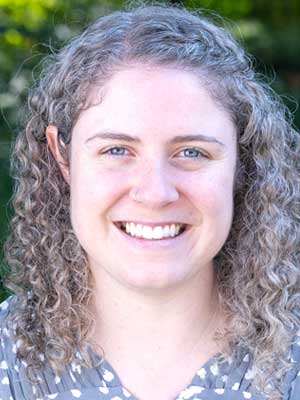
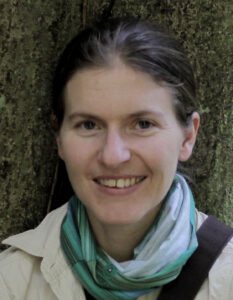
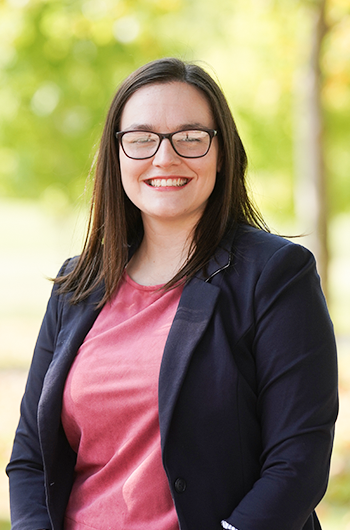
Abigail Kimmitt is an Assistant Professor of Biology specializing in the physiological and evolutionary mechanisms underlying seasonal behaviors in songbirds. Her research integrates endocrinology, molecular biology, behavioral ecology, and genomics to study how hormonal regulation links migration and reproduction. PhD in Biology, Indiana University Bloomington BS in Bio, University of Mary Washington She teaches courses in human physiology, genomics, bioinformatics, and neuroscience at both undergraduate and graduate levels. Her work combines field, lab, and computational approaches to provide hands-on research opportunities for students. Her recent publications explore topics like: Genomic consequences of migratory strategies Stress hormone impacts on behavior Photoperiod thresholds in breeding Hybridization dynamics in wild populations Evolutionary divergence due to seasonal sympatry
Davide Menozzi is an Associate Professor at the Department of Food and Drug of the University of Parma, specializing in Agri-food Economics. He teaches courses such as Agri-Food Economics and Consumer Behavior across undergraduate and graduate programs in Food Science, Gastronomic Science, and Quality Procurement. His research focuses on sustainability of agri-food systems, consumer behavior regarding novel foods (e.g., edible insects, GMOs), and Mediterranean diet adherence. Education: Bachelor's in Economics (University of Parma, 1999) MSc in Sustainable Development of Agri-Environmental Systems (University of Bologna, 2001) PhD in Agri-food Economics (University of Parma, 2006) Research highlights include EU projects like ALTERNATIVA (alternative proteins), BALANCE (aquaculture sustainability), and STRENGTH2FOOD (sustainable procurement). He has also led national projects ONFOODS and AGRITECH under Italy’s National Recovery Plan. Scientific Awards: Fellow of the European Association of Agricultural Economists (EAAE) Fellow of the Italian Association of Agricultural and Applied Economics (AIEAA) He is Deputy Chairman for the Gastronomic Science and Quality Procurement degree programs and has served on committees for UNESCO’s Parma Creative City of Gastronomy. His lab focuses on consumer-driven innovations in sustainable food systems.
NESLİHAN AYBİKE HÖKELEKLİ is a Lecturer at Gaziantep University's School of Foreign Languages, where she has served since 2009. Her academic profile uniquely bridges foreign language education with advanced gastronomy research, reflecting an interdisciplinary approach to tourism and culinary studies. Her educational background includes: Doctorate in Gastronomy and Culinary Arts from Nevsehir Haci Bektas Veli University (2020-2024) Master's in Gastronomy and Culinary Arts from Gaziantep University (2013-2019) Bachelor's in English Teaching from Anadolu University (2003-2007) Dr. Hokelekli's research focuses on the intersection of tourism, gastronomy, and social sciences, with particular emphasis on Turkish culinary traditions and their contemporary applications. Her work explores food tourism dynamics, molecular gastronomy, digitalization in food culture, destination marketing, and accessibility in hospitality settings. She employs diverse research methodologies to examine consumer behavior patterns, food waste phenomena, and social media's influence on dining cultures. Her publication record reveals a strong regional focus on Gaziantep's culinary heritage while addressing broader themes in sustainable tourism development. Recent works increasingly examine digital dimensions of gastronomy, including social media's impact and video game representations of food culture, demonstrating her adaptability to emerging research trends in the field.
Greg Wallace is an Associate Professor at The George Washington University, specializing in neuropsychological and structural brain development in autism spectrum disorder (ASD) and related neurodevelopmental disorders. His research focuses on real-world outcomes, including mental and physical health trajectories, cognitive predictors of vocational success, and eating behaviors in autistic individuals across the lifespan. He holds a PhD in Psychology from King's College London, UK (2006). Education: PhD in Psychology, King's College London, UK (2006). Research Interests: Neurodevelopmental disorders (ASD, Down syndrome) Health outcomes in autistic adults Social and cognitive factors influencing quality of life Eating-related behaviors and neurocognitive correlates Gender and sexual identity disparities in autism Grants: R01MH100028 (NIH) R21HD106164 (NIH) R21MH129777 (NIH) P50HD111142 (NIH) R01MH133838 (NIH) R21HD115080 (NIH) R03MH136593 (NIH) Labs/Teams: Co-Director of the Mind Brain Institute, leading the Lab of Autism and Developmental Neuroscience at GWU.
Beate Apfelbeck is a Senior Scientist at the University of Salzburg, affiliated with the Department of Environment & Biodiversity. She holds positions in Ecophysiology and Behavioral Endocrinology. Her research focuses on hormonal mechanisms underlying avian behavior, particularly in tropical and temperate bird species, with emphasis on reproductive success and responses to environmental changes. She has conducted studies in East Africa and Europe, addressing topics like habitat fragmentation and life history variation in stonechats. Education: PhD from Max Planck Institute for Ornithology (2007-2012), Diploma in Zoology from LMU Munich (2002-2007) Positions: Postdoc at University of Glasgow (2013-2016), Technical University of Munich (2016-2019) Her research integrates field studies and experimental approaches to understand how hormones mediate territorial behavior, parental care, and reproductive strategies. Recent work emphasizes urban biodiversity and wildlife-inclusive city design, highlighting the impact of human activities on bird populations. Key contributions include studies on cooperative breeding systems, telomere dynamics in stonechats, and conservation strategies for fragmented habitats. Publications span topics from avian endocrinology to urban ecology, with a focus on applying findings to conservation and sustainable urban planning. She collaborates internationally, addressing biodiversity challenges in Kenya and Germany.
Stephan Reber is a Researcher in Cognitive Science at the Department of Philosophy, Lund University. He holds a BSc, MSc, and PhD, and leads projects exploring evolutionary origins of cognition in archosaurs (alligators, birds) and non-avian dinosaurs. His work integrates comparative zoology, paleontology, and neuroscience to uncover deep-time cognitive evolution. Research interests include animal culture in reptiles, acoustic communication in crocodilians, and socio-ecological factors shaping neophobia in corvids. He co-leads initiatives like the Evolution of Minds project (2022–2027) and contributed to the Ig Nobel Prize-winning study on alligator vocal individuality (2020). Teaching focuses on comparative animal cognition (KOGP13) and interdisciplinary language studies (SASH81). Active in international collaborations like the ManyBirds avian cognition consortium and the VR Lab for cognitive experiments. His work bridges vertebrate classes, emphasizing evolutionary continuity in cognitive traits.
Dr. Shahab Pourfakhimi is a Senior Lecturer and Associate Dean (Learning & Teaching) at the University of the Sunshine Coast's School of Business and Creative Industries. He holds a PhD from the University of Otago and specializes in tourism marketing, consumer behavior, and digital transformation in education. His research focuses on the intersection of tourism experiences, technology, and well-being, with global collaborations in these areas. Education: PhD (Tourism, University of Otago), MSc (Tourism Planning, UTM), BSc (Industrial Engineering, IAUN). Research Interests: Consumer behavior in tourism, e-tourism technologies, destination branding, tourism marketing, and the socio-psychological dimensions of travel decisions. His work emphasizes how technology enhances well-being through tourism experiences. Awards: USC Business School Engagement Award (2019), International Federation for IT and Travel & Tourism Award (2014), and multiple scholarships including the University of Otago Doctoral Scholarship (2013). Teaching: Consumer Behaviour, Tourism Marketing, ICT in Tourism, and Tourism Policy. He leads curriculum innovation and digital pedagogies. Professional Memberships: International Federation for Information Technology and Travel & Tourism, Council for Australasian Tourism and Hospitality Education.
Dr. Shirley Qian Jin is an Assistant Professor in Social Entrepreneurship at the School of Economics, Utrecht University. She holds a PhD from The Hong Kong Polytechnic University and previously worked as a Postdoc at City University of Hong Kong. Expertise: Social entrepreneurship, organizational legitimacy, computational methods, and AI for social good. Skills: Python, R, quantitative research, and experimental design. Her research explores how social enterprises gain legitimacy through cultural tools and AI-driven strategies, with a focus on consumer behavior and ethical business practices. Recent work integrates blockchain and computational analysis into entrepreneurship studies. Publications appear in top journals like Journal of Business Ethics , emphasizing empirical rigor and societal impact. One paper has garnered 77 readers on Mendeley.
Roberta Tolve is a Temporary Assistant Professor at the Department of Biotechnology, University of Verona. She specializes in Food Science and Technology with a focus on sustainable food processing, functional food development, and bioactive compound extraction. Her research emphasizes natural deep eutectic solvents (NADES) for valorizing agricultural by-products and enhancing food nutritional profiles. She contributes to interdisciplinary projects like RAINDROP (rice by-product valorization) and SustaIn4Food (Veneto agro-food sustainability). Teaching responsibilities include courses on Unit Operations in Food Technologies, Quality Management in the Food Industry, and Project Management for food engineering students. She actively participates in academic governance as a researcher representative in the Academic Senate and the Biotechnology Departmental Council. Her research portfolio spans 30+ peer-reviewed articles since 2015, covering topics such as microencapsulation of bioactives, low-FODMAP food development, and eco-friendly packaging. Major projects include PNRR-funded initiatives and collaborations with industry spin-offs like Microbion and Genartis.
Elodie Gentina is Full Professor at IÉSEG School of Management, specializing in marketing with focus on Generation Z consumers. Her research examines adolescent consumption patterns, digital behaviors, and cross-cultural ethics in consumer markets. Research explores Generation Z's unique consumer characteristics including digital engagement, ethical consumption, and materialism. Recent studies investigate mindful consumption, sustainable eating behaviors, and technology-mediated consumer experiences across cultures. Publications analyze how mindfulness interventions impact workplace wellbeing, organizational engagement, and ethical decision-making. Cross-cultural comparisons examine materialism, creativity, and consumption ethics among youth in diverse economic contexts.
Dr. Jessica Danaher serves as Associate Dean, Student Experience Science at RMIT University's School of Science. As a Nutrition Scientist and Dietitian, she holds a prominent position in both academic leadership and research. Her work bridges scientific research with public engagement, focusing on translating complex nutritional science into accessible knowledge for diverse audiences. Dr. Danaher's research interests span Nutrition and Dietetics, Genomics and Personalized Nutrition, Food Sustainability, Health Education, and Gut Microbiome Research. She has developed innovative approaches to nutrition education through game design, with projects like Gooey Gut Trail and Go-Go Biome that use play to teach complex concepts about human-microbial interactions and gut health. Her work on food waste reduction, alternative protein sources (particularly insects), and the relationship between genetics and dietary response demonstrates her commitment to sustainable food systems and personalized nutrition. Her publication record reveals a strong focus on translating genomic research into practical nutrition recommendations, with numerous studies examining how DNA influences dietary responses. She has also made significant contributions to understanding food neophobia, gut health education through gamification, and alternative protein sources as sustainable food solutions. Her interdisciplinary approach combines nutrition science with design, technology, and behavioral psychology to create impactful health interventions. Dr. Danaher actively contributes to shaping science communication through nationally acclaimed engagement programs including Superstars of STEM and the Oceanic Nutrition Leadership Platform. She works toward equal representation of women in media and sustainable food security for Oceania, embodying her commitment to 'smashing stereotypes of what women in science look like.' She has supervised multiple research students on projects related to functional foods and gut health experiences. Her media presence as a nutrition expert is extensive, with regular contributions to major Australian outlets including The Age, Good Food, Upstart magazine, and SBS Radio. Dr. Danaher's work demonstrates how academic research can directly impact public understanding and practice of nutrition science.
Dr John Grigor is a Senior Lecturer in the Department of Built Environment and Life Sciences at Abertay University, within the Faculty of Social and Applied Sciences. He holds a PhD in Sweet Taste from Reading University (1990) and has over two decades of experience in consumer and sensory science research and consultancy. Educational Background: BSc (Hons) in Food Technology, Reading University (1987) PhD in Sweet Taste, Reading University (1990) His research centers on understanding eating behavior through the interplay of physiological, psychological, and contextual factors. Key areas include hedonic responses measured via facial electromyography, dynamic sensory perception, oral processing, and the development of healthy and functional food products. He has conducted extensive work in cross-cultural food choice, particularly with industries in New Zealand and Singapore. The recent publications reflect a strong trend in sensory evaluation methodologies (e.g., TDS, fEMG), food product innovation, and the science of flavor and texture. His work spans from traditional foods like whisky and carrots to novel ingredients such as cricket flour and seaweed, demonstrating a broad and applied research scope. Scientific Awards and Esteem: Invited judge, New Zealand New Food Product Awards (2010–2013) Appointed Associate Investigator, Riddet Institute CoRE (2010) External PhD examiner for Otago, Auckland, and Southern Cross Universities Reviewer for top journals including Food Quality and Preference , Journal of Food Science Invited speaker and session chair at international conferences Dr Grigor has secured significant research funding as Principal Investigator from Interface Food and Drink, the Ministry of Business Innovation and Employment (New Zealand), and the Riddet Institute. He has supervised numerous PhD and Master’s students and collaborates widely with food industries and academic institutions globally. He has also contributed to public understanding through media appearances on TV and radio as a sensory expert.
Dr. Christina Hartmann is a Lecturer and Senior Researcher at the Department of Environmental Systems Science (D-USYS), ETH Zurich, Switzerland. She leads research on consumer behavior and nutrition psychology, focusing on novel food technologies, sustainability, and health. Her work addresses acceptance of plant-based proteins, cultured meat, and 3D-printed foods. She holds a PhD from ETH Zurich (2014) and a Certificate in Leadership from the University of Zurich (2020). Her teaching includes Multivariate Statistics and Food and Consumer Behavior at the master's level. Research projects include consumer perception of processed foods, virtual reality applications in food studies, and protein substitution strategies. Education: PhD in Consumer Behavior (ETH Zurich, 2014), MSc in Nutritional Science (Justus-Liebig University, Giessen, Germany) Awards: Food Quality and Preference Award (2021), Recognized as advisory editor for Appetite journal Grants: Swiss National Science Foundation (SNSF) funding for 'Digital Lives' VR research Her lab employs interdisciplinary methods, including virtual reality simulations and behavioral experiments, to study food choices and sustainability. Current projects explore compensatory behaviors in dieting and cross-cultural disgust sensitivity.
Lauren Dial is an Assistant Professor in the Department of Psychology at California State University, Fresno . Her research focuses on children's food cognition , emotional eating behaviors , and cultural influences on dietary perceptions . Education : BA from San Diego State University-IV, MA and PhD in Developmental Psychology from Bowling Green State University Dr. Dial investigates how individuals conceptualize food in relation to health and identity , with particular emphasis on developmental stages and family dynamics . Her work spans both pediatric and adult populations. Recent publications analyze meal presentation impacts on psychological distress , pandemic-induced parenting changes , stigma in eating behaviors , and mindfulness interventions for food-related anxieties. Key methodologies include cross-sectional studies and mixed-methods analysis . Her research program integrates developmental psychology with nutritional science , examining how cognitive development and social context shape eating behaviors across lifespans. No scientific awards were mentioned in available records.
Cristina Costantini is a Senior Lecturer in Psychology at Regent’s University London, specializing in infant feeding and child development. She holds a PhD in Developmental Psychology from the University of Portsmouth and has held academic roles at Oxford Brookes University and the University of Portsmouth. Her research focuses on infant feeding behaviors, maternal-infant interactions, and cultural influences on eating habits, with a particular interest in perinatal mental health and developmental disorders. Education: BSc, MSc, and DClinPsych degrees from Sapienza University of Rome, followed by a PhD in Developmental Psychology at the University of Portsmouth. Professional qualifications include Chartered Membership with the British Psychological Society and the Italian Council of Psychologists. Research Interests: Infant feeding practices and maternal emotional states Cross-cultural differences in feeding behaviors Impact of complementary feeding on eating disorders Perinatal mental health and attachment Grants & Awards: Secured grants from Regent’s University, Oxford Brookes, and received the Best Research Report award at World Nutrition 2012. Active in public engagement through talks and workshops on infant feeding. Teaching: Leads MSc Psychology conversion courses and modules on Psychopathology, Developmental Psychology, and Psychology & Mental Health. Involved in curriculum development for Cyberpsychology and Psychology of Emotions. Labs/Teams: Collaborates with the Infant Feeding Network and Maternal Mental Health Alliance, contributing to policy discussions on parenting practices.