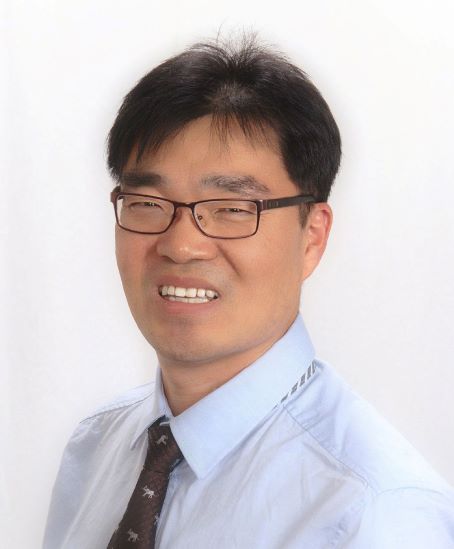
Dennis Wilke is a Researcher in the Resource Management Working Group at the Institute for Environmental Systems Research, University of Osnabrück. His research focuses on environmental systems science, neuroimaging of neurodevelopmental and neurodegenerative disorders, and the application of advanced MRI techniques to study brain structure-function relationships. He leads studies on autism spectrum disorder neurobiology, motor dysfunction mechanisms in dystonia/Parkinson's disease, and environmental enrichment interventions for repetitive behaviors. Expertise: Neuroimaging biomarkers | Cortico-basal ganglia circuits | Neuroplasticity mechanisms Active in mouse model development for movement disorders Key collaborator in transcallosal white matter research Recent work emphasizes translational approaches linking genetic, environmental, and neuroimaging data to understand behavioral and motor impairments. His lab combines advanced diffusion MRI (free water imaging, NODDI), functional connectivity analysis, and behavioral phenotyping across species.
Kai Uus, MD, PhD is a Reader (equivalent to Associate Professor) in the Division of Psychology Communication and Human Neuroscience at the University of Manchester. They serve as the Audiology and Deafness Group Teaching Lead, Programme Director of the MSc in Clinical Sciences (Neurosensory Sciences), and Academic Lead for the D Clin Sci in Audiological Science. Their research focuses on paediatric audiology, with specific expertise in auditory neuropathy spectrum disorder, epidemiology of childhood hearing loss, newborn hearing screening, auditory maturation, and auditory function in neurodegenerative conditions and diabetes. Their methodological knowledge spans epidemiology, qualitative research, surveys, and evaluation studies including economic analyses. Recent publications demonstrate a strong focus on the intersection of auditory health and the COVID-19 pandemic, examining how SARS-CoV-2 affects auditory function and the psychological aspects of symptom reporting. Earlier work centers on infant hearing assessment techniques and auditory neuropathy in children. Dr. Uus has supervised 5 research works and has led or contributed to significant research projects including 'Explore, from the perspective of parents, the experience of having an early identified child with AD' (as PI) and 'Does the Ida tool `My Hearing Loss Explained' result in improved understanding of hearing loss' (as CoI). As an educator, they coordinate multiple modules including Paediatric Audiology for BSc and MSc programs, Leadership in Healthcare, Neurosensory Science, and serve as Dissertation coordinator for MSc Audiology and Clinical Sciences programs. Their work contributes to UN Sustainable Development Goals related to health and well-being.
Joan Deus Yela is a Professor in the Department of Clinical and Health Psychology at Universitat Autònoma de Barcelona (UAB). He holds a PhD in Neuropsychology from the Universitat de Barcelona (1995) and postgraduate qualifications in Behavioral Therapy and Clinical Psychobiology. His research focuses on neuroimaging studies of chronic pain conditions (fibromyalgia, osteoarthritis), psychopathological profiles, and post-COVID neural sequelae. Current projects include investigating neural connectivity in central sensitization syndromes and Palestinian psychological sector development. Key contributions include: Leading studies on fibromyalgia's psychological profiles using Personality Assessment Inventory (PAI) Pioneering neuroimaging research linking brain activity to chronic pain mechanisms Exploring long-term cognitive impacts of post-COVID-19 infection through longitudinal studies Advancing understanding of Prader-Willi syndrome neurobiology via functional MRI Recent work emphasizes: Pain sensitization neuroimaging correlates Personality disorder comorbidities in fibromyalgia Cerebral cortex development in neonates Air pollution's impact on children's brain connectivity He has supervised 43 research works and contributed to 237 peer-reviewed publications. Awards and honors are not explicitly listed in the provided materials.
Grainne McAlonan is Professor of Translational Neuroscience and Head of Department for Forensic and Neurodevelopmental Sciences at King's College London's Institute of Psychiatry, Psychology and Neuroscience (IoPPN). She currently serves as Director of the NIHR Maudsley Biomedical Research Centre (BRC), having previously held the roles of Deputy Director (appointed May 2023) and Interim Director (from summer 2023). Her academic leadership extends to being a group leader within the MRC Centre for Neurodevelopmental Disorders and a lead investigator in the EU-AIMS-2-TRIALS consortium. Professor McAlonan's research focuses on using MRI as a translational tool to link brain and behavior in neurodevelopmental conditions, particularly Autism Spectrum Disorder (ASD). Her work is informed by clinical practice through the National ADHD and Autism Service for Adults at the South London and Maudsley NHS Foundation Trust, where she serves as Lead for the Child and Neurodevelopmental Disorders Theme in the NIHR Maudsley BRC. She leads fetal/neonatal/infant brain imaging studies of children vulnerable to neurodevelopmental conditions and pharmacology studies in adults with ASD. Her research spans multiple cutting-edge areas including brain imaging biomarkers, GABA and glutamate systems in autism, serotonin targets, retinal function in neurodevelopmental conditions, and the impact of prenatal exposures on brain development. She leads the Brain Imaging in Babies Study (BIBS) and the Gen2020 research program investigating the effects of the COVID-19 pandemic on fetal and childhood brain development. Professor McAlonan has received substantial research funding, including £14m for the Gen2020 program studying children who were 'in the womb' during the pandemic, and contributed to the £42.7m Mental Health Mission announced by the Office for Life Sciences. Her research output shows consistent productivity with publications spanning neuroscience, psychiatry, and neuroimaging, with a clear focus on translational approaches that bridge laboratory findings with clinical applications. Member of EU-AIMS-2-TRIALS consortium (world's largest grant for autism research) Lead for Fetal/Neonatal and Shiftability studies Director of Brain Health in Gen2020 research program Professor McAlonan's work demonstrates strong interdisciplinary collaboration across neuroscience, psychiatry, and clinical practice, with emphasis on developing practical applications from basic research findings to improve understanding and treatment of neurodevelopmental conditions.
Satu Jääskeläinen is a Professor in Clinical Neurosciences at the University of Turku, Finland, specializing in neurophysiological diagnostics and therapeutic neuromodulation. Her work bridges clinical neurology, pain medicine, and sensory disorder research within the Department of Clinical Neurosciences. Her research portfolio emphasizes: Complex Regional Pain Syndrome (CRPS) : Investigating motor cortex excitability, cognitive impacts, and TMS-based interventions Neuromodulation Therapies : Developing navigated repetitive transcranial magnetic stimulation protocols for somatic-psychiatric comorbidities Sensory Neurophysiology : Analyzing blink reflex pathophysiology, burning mouth syndrome, and taste perception mechanisms Diagnostic Electrophysiology : Optimizing ENMG applications and neonatal auditory assessments Recent publications (2023-2025) reveal consistent translational focus across neurology and psychiatry, with significant contributions to international clinical neurophysiology standards. Key trends include TMS protocol innovation for complex conditions, CRPS pathophysiological characterization, and sensory disorder diagnostics - demonstrating integration of laboratory neurophysiology with clinical pain management and neurological care.
Dr. Verena Frank is a Scientific Associate at the Chair of Pedagogy and Intervention for Language and Communication Impairments within the Institute for Special Education at Julius-Maximilians-Universität Würzburg. She contributes to research in the Focus research laboratory IkoGeWo project and teaches in academic speech therapy and teacher training programs. Her research focuses on Early childhood language acquisition Pre-linguistic communication Preventative language strategies Cross-cultural infant vocal development with particular emphasis on multimodal approaches in inclusive settings. Recent publications highlight trends in Iconic gesture applications for vocabulary expansion German Sign Language (DGS) integration Infant comfort sound analysis Preterm infant communication development Acoustic vocal research Early intervention frameworks spanning academic speech therapy, developmental linguistics, and special education. She supervises bachelor's theses in academic speech therapy and participates in state examination committees. Active in the Deutscher Bundesverband der akademischen Sprachtherapeuten (dbs), her work connects academia with practical implementation in Sprach-Kitas and schools.
Patricia Phelps is a Professor and Vice Chair in the Department of Integrative Biology and Physiology at the David Geffen School of Medicine, University of California, Los Angeles (UCLA). Her laboratory is located in the Terasaki Life Science Building, focusing on spinal cord injury repair and neuronal migration mechanisms. Research interests include: Therapeutic effects of olfactory ensheathing cell (OEC) transplantation in spinal cord injury models Role of the Reelin signaling pathway in neuronal migration and nociceptive processing Molecular mechanisms of axon regeneration and neuroprotection Developmental neurobiology of cholinergic neurons Publications highlight her work on: Neuronal migration defects in reeler mutants Neuroimmunomodulatory effects of OECs Integration of cell therapy with motor training for spinal repair Developmental expression patterns of key proteins (Reelin, L1, GAD65) Neuroplasticity in spinal cord injury models Contact: Email: pphelps@physci.ucla.edu Office: Terasaki Life Science Building, Room 1024 Lab: Terasaki Life Science Building, Room 1031 Phone: (310) 825-8108
Assistant Professor Sandra Kušķe is affiliated with the Faculty of Rehabilitation at Rīga Stradiņš University , where she works in the Department of Rehabilitation . She is also the Head of the Latvian Children’s Hearing Centre , contributing to national programs for cochlear implants and hearing rehabilitation.
Jaime Garcia-Anoveros, PhD is a Professor at Northwestern University's Feinberg School of Medicine with joint appointments in Anesthesiology, Neuroscience, and the Ken and Ruth Davee Department of Neurology. His research spans multiple interdisciplinary centers including the Center for Genetic Medicine, Center for Translational Pain Research, Denning Ataxia Center, Hugh Knowles Center for Clinical and Basic Science in Hearing and Its Disorders, Northwestern University Clinical and Translational Sciences Institute (NUCATS), Simpson Querrey Institute for Epigenetics, and Skin Biology and Diseases Resource-Based Center. Dr. Garcia-Anoveros earned his BS from UC Berkeley (1989), MA from Columbia University College of Physicians and Surgeons (1990), MPhil from Columbia University (1992), and PhD from Columbia University (1995). He completed postdoctoral training at Harvard Medical School and Massachusetts General Hospital in the Departments of Neurobiology and Neurology under David P. Corey. His primary research focuses on the development of cochlear outer versus inner hair cells, auditory nociception (pain pathways in the ear), hyperacusis, hair cell degeneration and hearing loss, sensory organ development and degeneration, and specialized lysosomes in hair cells and neonatal enterocytes. His groundbreaking work has identified a novel pain pathway in the inner ear that acts as a "bodyguard" against hearing loss from loud noises and demonstrated how lysosomal dysfunction contributes to infant failure to thrive. Dr. Garcia-Anoveros serves as a Permanent Member of the NIH AUD (Auditory System) study section (2020-present) and on the Editorial Board of F1000 Research (2012-present). His work has been published in top journals including Nature, Science Advances, Nature Communications, and PLOS Genetics. Bellucci Pioneer Award in Hearing Research, Bellucci Translational Hearing Center at Creighton University (2023) As a principal investigator, Dr. Garcia-Anoveros has secured significant research funding from the National Institutes of Health, including grants from the National Institute of Deafness and Other Communication Disorders and National Institute of Neurological Disorders and Stroke. He is an active member of the Society for Developmental Biology, Association for Research in Otolaryngology, and Society for Neuroscience. His laboratory focuses on understanding the genetic and molecular mechanisms underlying hearing development and disorders, with particular emphasis on TRPML3 channels and their role in sensory cells. Current research directions include developing tools for creating hearing cells lost in aging and understanding the logic circuit in cochlear neurodevelopment.
Justin Jeong is a Professor of Pediatrics and Neurology at Wayne State University School of Medicine , where he serves as a principal investigator in the Translational Imaging Laboratory. With a background in Biomedical Engineering and Electrical Engineering from University of Southern California, Dr. Jeong combines technical expertise with clinical applications to improve outcomes for pediatric neurological patients. B.S. Biomedical Engineering - Yonsei University M.S. Electrical Engineering - University of Southern California Ph.D. Biomedical Engineering - University of Southern California His research focuses on advanced diffusion MRI tractography and multimodal neuroimaging to identify structural/functional biomarkers for epilepsy, developmental delays, and neurovascular disorders. Current NIH-funded work develops: Deep learning-based DWI methods Dynamic tractography with stereotopic rendering Integration with PET and electrocorticography Publications across Neuroimage , Epilepsia , and Clinical Neurophysiology demonstrate expertise in: Neural activation propagation High-resolution connectome mapping Postoperative brain reorganization Developmental neuroimaging Machine learning applications in MRI Neonatal brain abnormality detection Key collaborations include Eishi Asano , Csaba Juhasz , and Harry Chugani in developing clinical translation of these imaging methodologies.